What a Metallurgical Conveyor Pulley Does
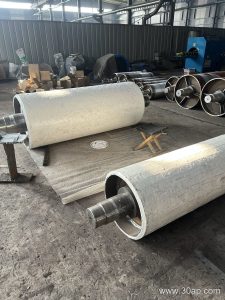
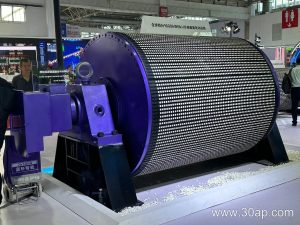
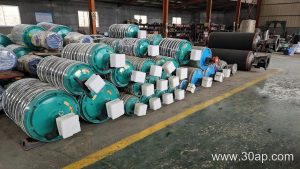
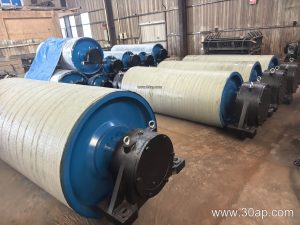
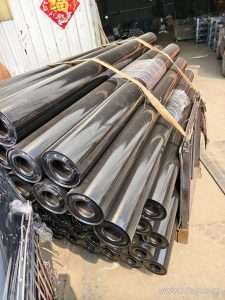
A metallurgical conveyor pulley is the rotating drum that turns a conveyor belt, sets its tension, and keeps it tracking through the toughest parts of a bulk handling circuit. In sinter plants, coke wharves, copper concentrators, and limestone crushing lines, this drum is often the difference between steady output and a stopped line. It is also called a metallurgical conveyor roller in some workshops, and the two names describe the same component: a heavy shell on a shaft, fitted with bearings and a lagging surface, mounted in a conveyor bracket or frame.
Unlike a plain conveyor pulley on a light package line, a unit built for metallurgical duty has to survive grit, heat, impact, and long operating hours. That is why buyers treat shell thickness, bearing selection, and lagging as one decision rather than three.
Construction and Surface Options
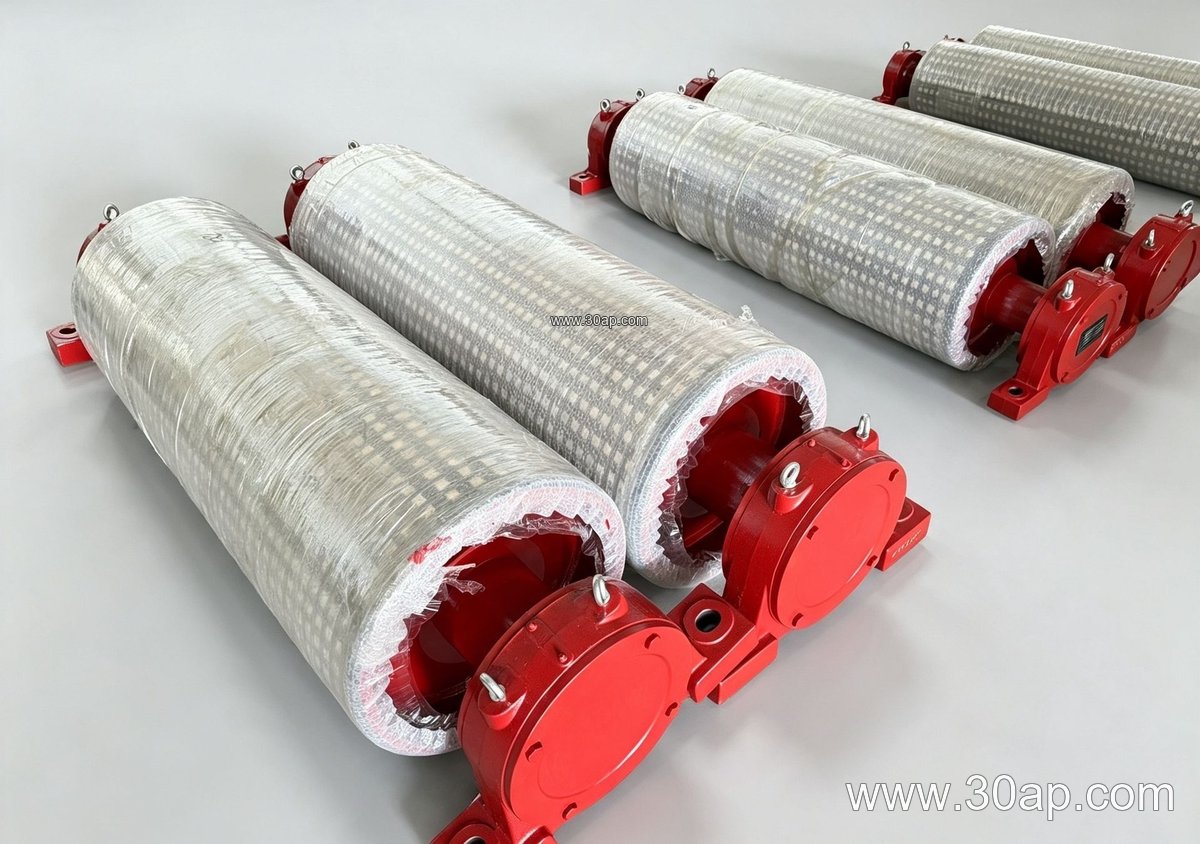
The body is usually a welded steel shell with machined end discs and a through shaft. Shaft diameter is set by torque and radial load, not by belt width alone, so common values such as Ø80, Ø120, Ø160, or Ø200 mm appear across many sizes. Shell diameters commonly run from Ø200 to Ø1250 mm and beyond, while face width normally exceeds the belt width by a margin: a B800 belt often runs on a roughly 950 mm face, and a B1200 belt on about 1400 mm.
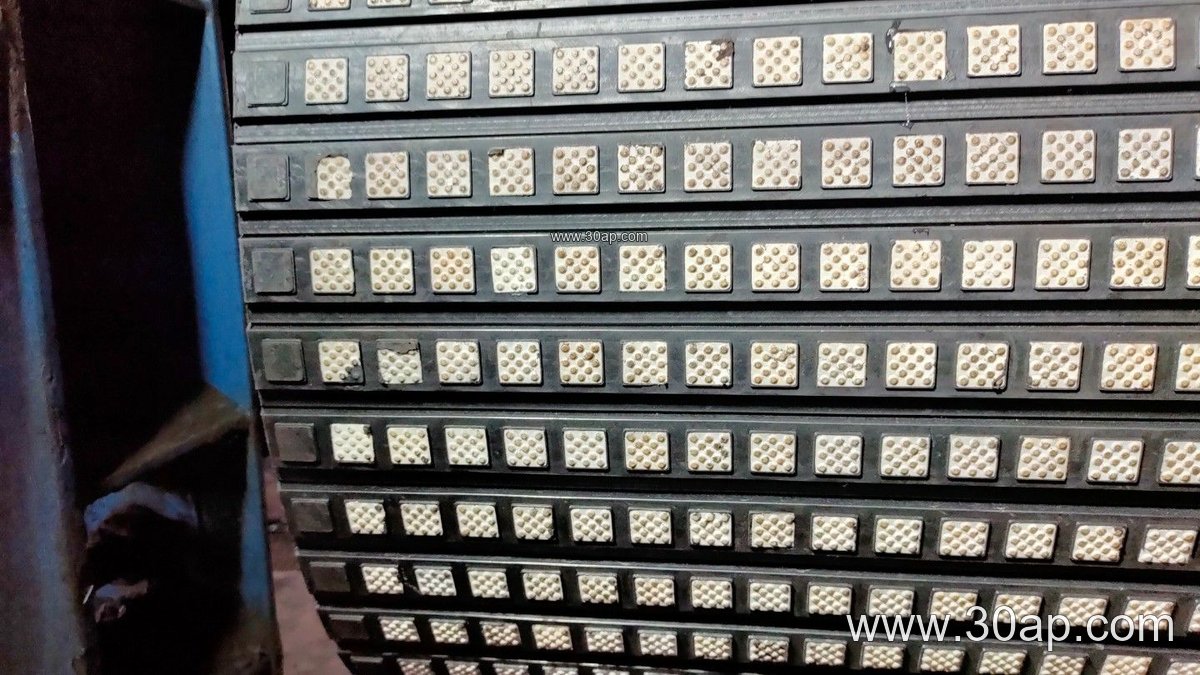
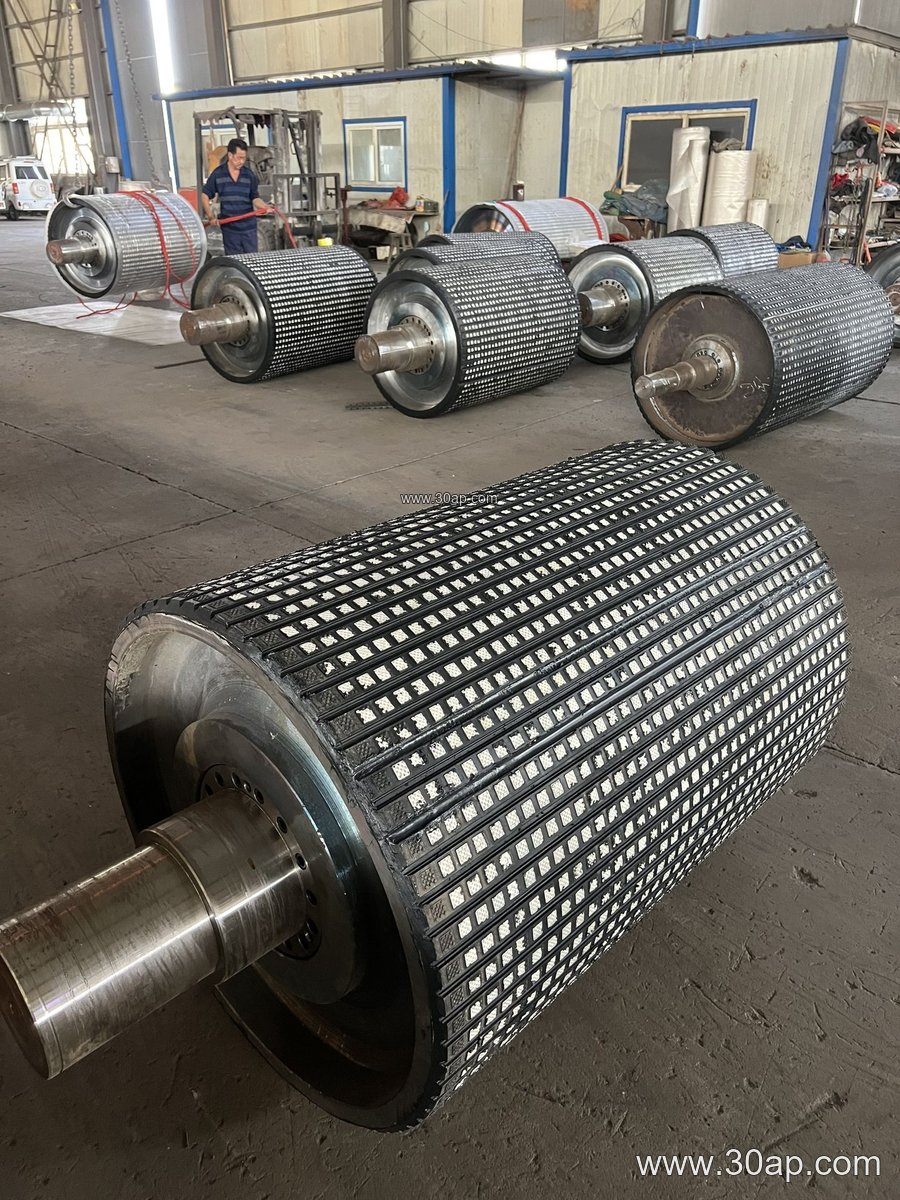
Lagging protects both the drum and the belt. Plain, cold-bonded rubber, hot-vulcanized rubber, diamond groove, herringbone, and ceramic tiles are all available. Thickness commonly ranges from 8 mm to 20 mm. A ceramic or diamond surface suits wet, gritty ore where slip would otherwise wear through a standard finish.
| Item | Common reference range |
|---|---|
| Belt width (B) | B400 to B2400 |
| Pulley diameter | Ø200 to Ø1800 mm |
| Shaft diameter | Ø50 to Ø200 mm, by torque and load |
| Lagging thickness | 8, 10, 12, 15, 20 mm |
| Face width example | B1000 belt, about 1150 mm face |
Where It Fits in the Line
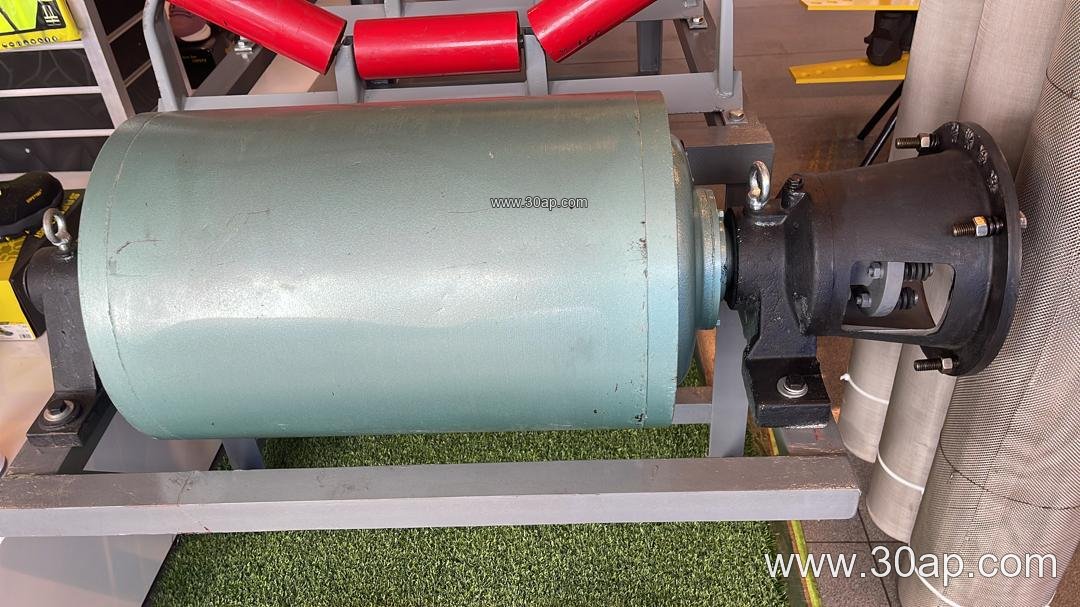
Position determines duty. A drive or head pulley carries the highest torque and usually takes the thickest lagging. A tail pulley at the loading point faces impact and fines, while a bend or take-up pulley controls wrap angle and belt tension. These are separate roles and are not interchangeable; a bend pulley should not be ordered as a drive unit simply because the diameters look similar. In a coal washing plant or a cement clinker line, the layout may include a snub pulley to increase wrap on the drive, and a wing pulley at the discharge to shed sticky material.
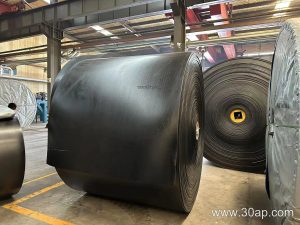
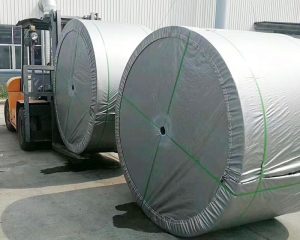
The drum works with the belt, not in isolation. A heavy-duty mining conveyor belt, a heat resistant conveyor belt near a sinter cooler, or an abrasion resistant conveyor belt on iron ore all change the friction and wear pattern at the shell. Matching an EP conveyor belt or a steel cord conveyor belt to the right lagging keeps slip low and extends cover life.
Specifying for a Metallurgical Circuit
Start with the belt: width, tension, and speed. Then confirm the shaft by torque and bearing load, and check the bracket or frame interface. Ask for the lagging type and thickness, the bearing brand class, and the balancing grade. A B1400 × Ø800 drum with 15 mm diamond lagging may suit one transfer point, while a B650 × Ø500 unit with plain finish may be correct elsewhere. There is no single mandatory size for a given belt width. For related components, review conveyor idler roller and conveyor bracket drawings together with the drum so the whole station aligns.
Finally, plan maintenance: check lagging wear, bolt torque, and bearing temperature at each shutdown. A well-specified metallurgical conveyor pulley, chosen with the belt and the duty in mind, keeps the circuit running through ore, coal, clinker, and aggregate without surprise stops.