What a Heavy-Duty Impact Idler Does at the Load Point
A Heavy-Duty Impact Idler is the roller set positioned where material first lands on a conveyor belt, absorbing the energy of falling rock, ore, or clinker before the belt itself has to. In a quarry, a coal preparation plant, or a copper concentrator, the transfer chute delivers a continuous hammering that standard carrying idlers are not built to survive. The impact idler sits directly under that landing zone, and its job is to take the shock, spread it across a wider support area, and keep the belt tracking smoothly into the carrying run. You may also see this product called a heavy-duty shock-absorbing roller or an impact-resistant carrying idler; these are the same product under different names.
The distinction matters for buyers because an impact idler is not simply a beefed-up troughing idler. Its structure, roll surface, and frame stiffness are chosen around one load case: vertical impact with a heavy lump factor.
How the Roller Is Put Together
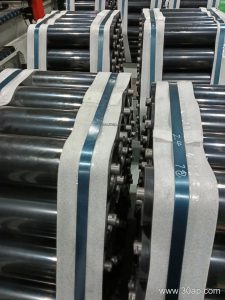
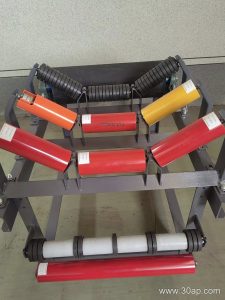
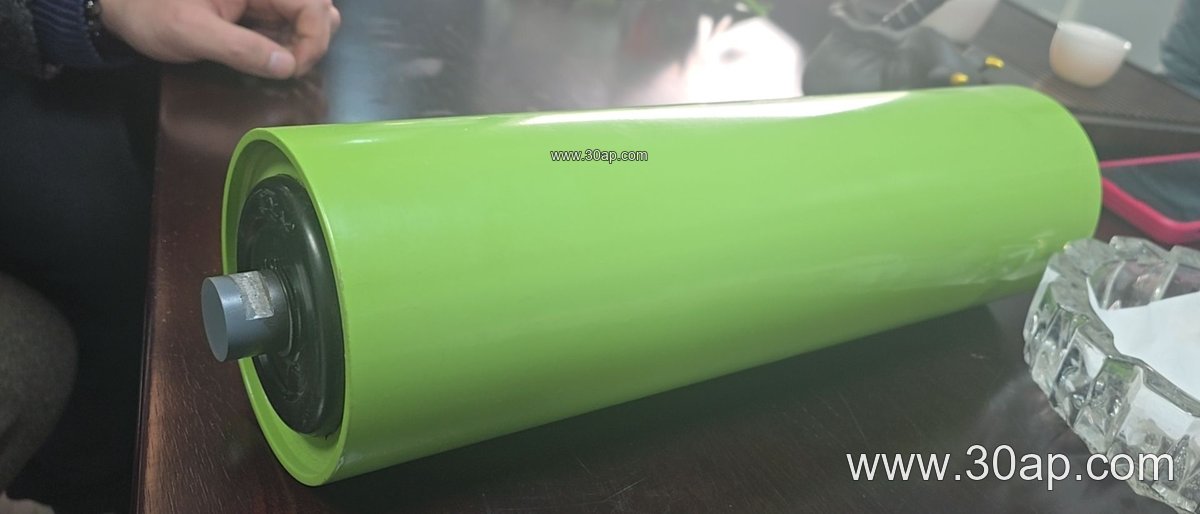
Most designs combine a steel tube body with a thick rubber ring or rubber disc package shrunk or bonded onto the shell. The rubber rings flex under impact and damp the vibration that would otherwise travel into the bearing housing. Some plants prefer a plain heavy-wall steel shell with reinforced end discs where the material is hot or where rubber would wear too quickly.
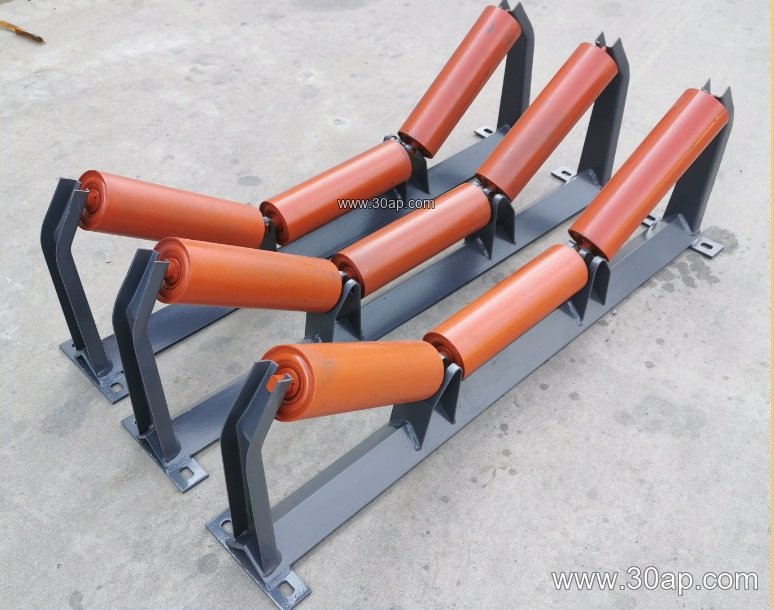
Key construction points a buyer should look at:
- Bearing seats and bearing size, commonly 6305, 6306, 6308, or 6310 depending on roll diameter and load rating
- Sealing arrangement, usually a multi-labyrinth seal plus a dust lip for gritty transfer points
- Shaft end fixing and the connection to the conveyor bracket
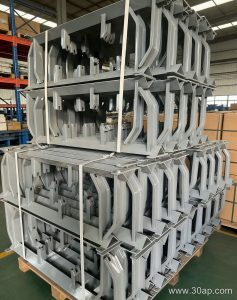
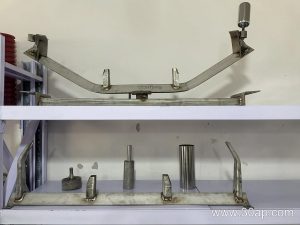
- Frame design, often a reinforced impact frame or a resilient mount rather than a rigid troughing frame
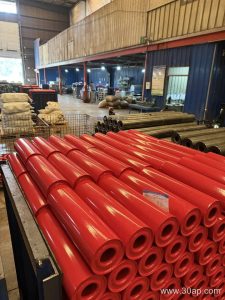
Roll diameters for impact service tend to run larger than standard carrying idlers, with Ø133, Ø159, Ø178, and Ø194 being common choices where drop height is significant. The larger diameter lowers rotation speed and gives more room for a robust bearing and seal package.
Troughing Geometry and Belt Width
Impact idler sets are normally supplied as two-roll or three-roll troughing assemblies, with trough angles of 20, 30, 35, or 45 degrees. The angle affects how the load is contained and how much of the belt is supported at the edges. A 35-degree three-roll set is a frequent choice on bulk material conveyor belt lines, while flatter 20-degree sets suit wider belts carrying large lump sizes.
Roll length follows belt width, trough angle, and roll configuration, and side rolls can differ from the centre roll. Common reference values are shown below; actual lengths should be confirmed against the conveyor design.
| Belt width | Typical centre roll length (three-roll trough) | Common impact roll diameter |
|---|---|---|
| B650 | 250 mm | Ø108 to Ø133 |
| B800 | 315 mm | Ø133 to Ø159 |
| B1000 | 380 mm | Ø133 to Ø178 |
| B1200 | 465 mm | Ø159 to Ø194 |
| B1400 | 530 mm | Ø159 to Ø194 |
| B1600 | 600 mm | Ø178 to Ø219 |
| B1800 | 670 mm | Ø178 to Ø219 |
These are reference ranges, not fixed pairings. A wide belt does not dictate one shaft diameter, and the final selection should come from the belt tension, load, and drop height calculations.
Where Impact Idlers Earn Their Keep
The most demanding location is the crusher discharge and the primary transfer tower in a stone crushing line, where run-of-mine rock can fall a metre or more. In a cement plant, the clinker transfer and the raw material receiving point are classic spots for impact rollers. Power plant coal handling systems use them under the coal yard transfer chutes, and iron ore terminals apply them where wagon or truck unloading drops ore onto the receiving belt.
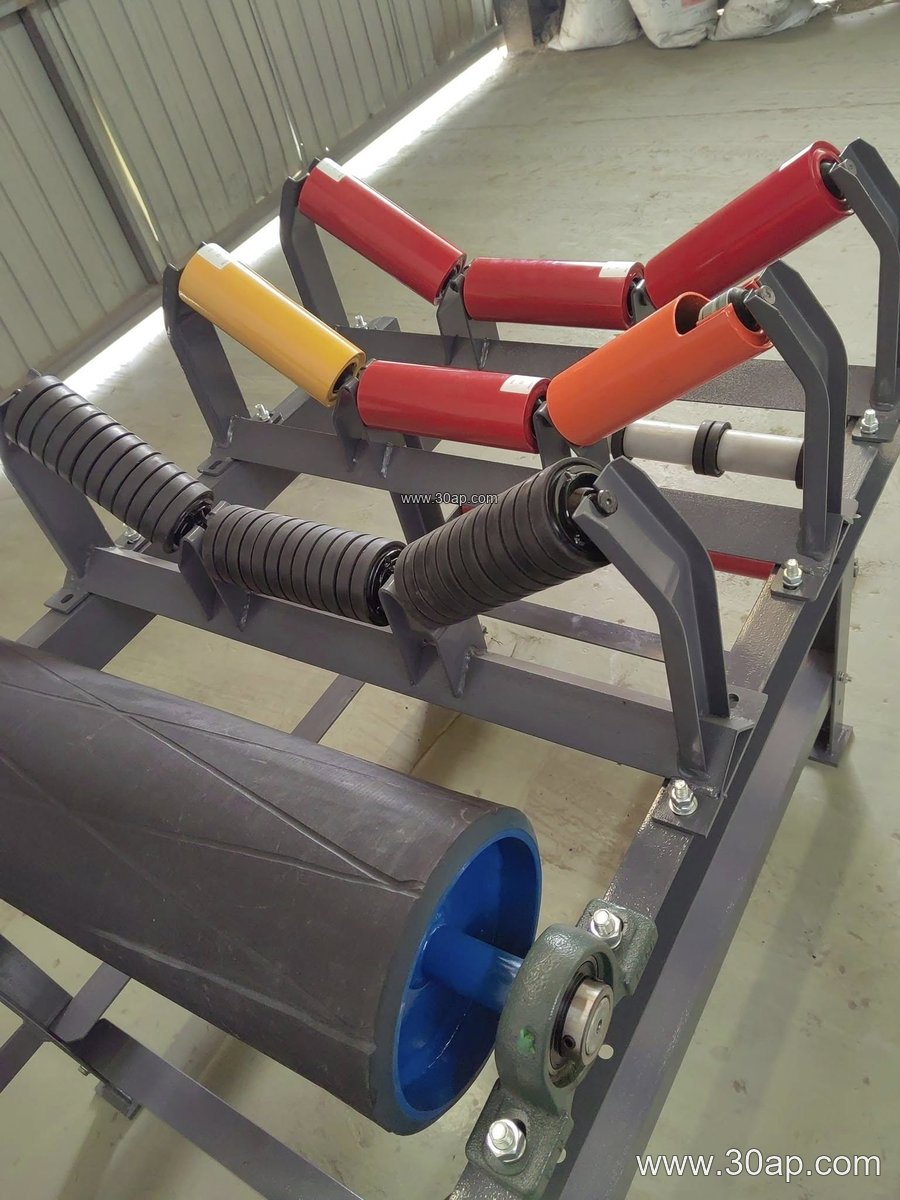
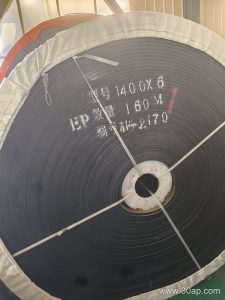
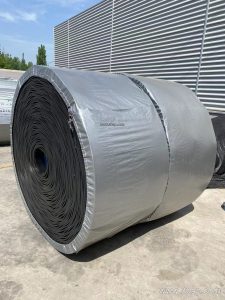
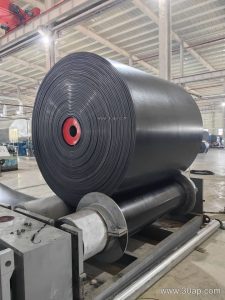
The belt side of the equation matters too. A heavy impact zone is usually paired with a high abrasion resistant conveyor belt or a thick heavy-duty conveyor belt cover, and in coal mining a flame retardant conveyor belt is often specified alongside. Where the material is wet and sticky, a chevron conveyor belt or a corrugated sidewall conveyor belt may be used on the inclined section after the load point, though the impact idlers themselves remain a carrying-run component.
Selection and Maintenance Notes for Buyers
Ask for the drop height, lump size, throughput, and belt speed before choosing a model. A supplier who quotes an impact idler without those figures is guessing. Confirm the shaft diameter and bearing series against the actual load, and check that the conveyor bracket and frame at the load point can accept the reinforced impact frame.
During operation, watch for rubber ring wear, loose rings, and grease leakage at the seals. Impact idlers usually fail at the bearing long before the shell wears through, so a scheduled inspection of the load zone is more useful than replacing rollers only after a seizure. Keeping the skirt rubber adjusted and the chute centred reduces off-centre loading, which is the most common cause of premature impact idler failure.
For matching components, review the conveyor pulley and idler roller arrangement at the same transfer point so the whole load zone works as one system. Further reference on belt and roller combinations is available at www.example.com/impact-idler and www.example.com/conveyor-roller.