What an Anti-Material-Buildup Idler Does
In many bulk handling circuits, the battle is not only against wear but against stickiness. An anti-material-buildup idler is designed to keep the rotating shell clean when the conveyed material tends to cling, cake, or wrap around the roller. This is a common issue with wet coal, clay-rich limestone, damp sand and aggregate, cement raw meal, and other cohesive loads. When ordinary idlers collect material, the roller becomes out of balance, the belt tracks poorly, and the entire conveyor line suffers from increased drag and spillage.
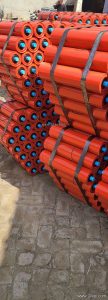
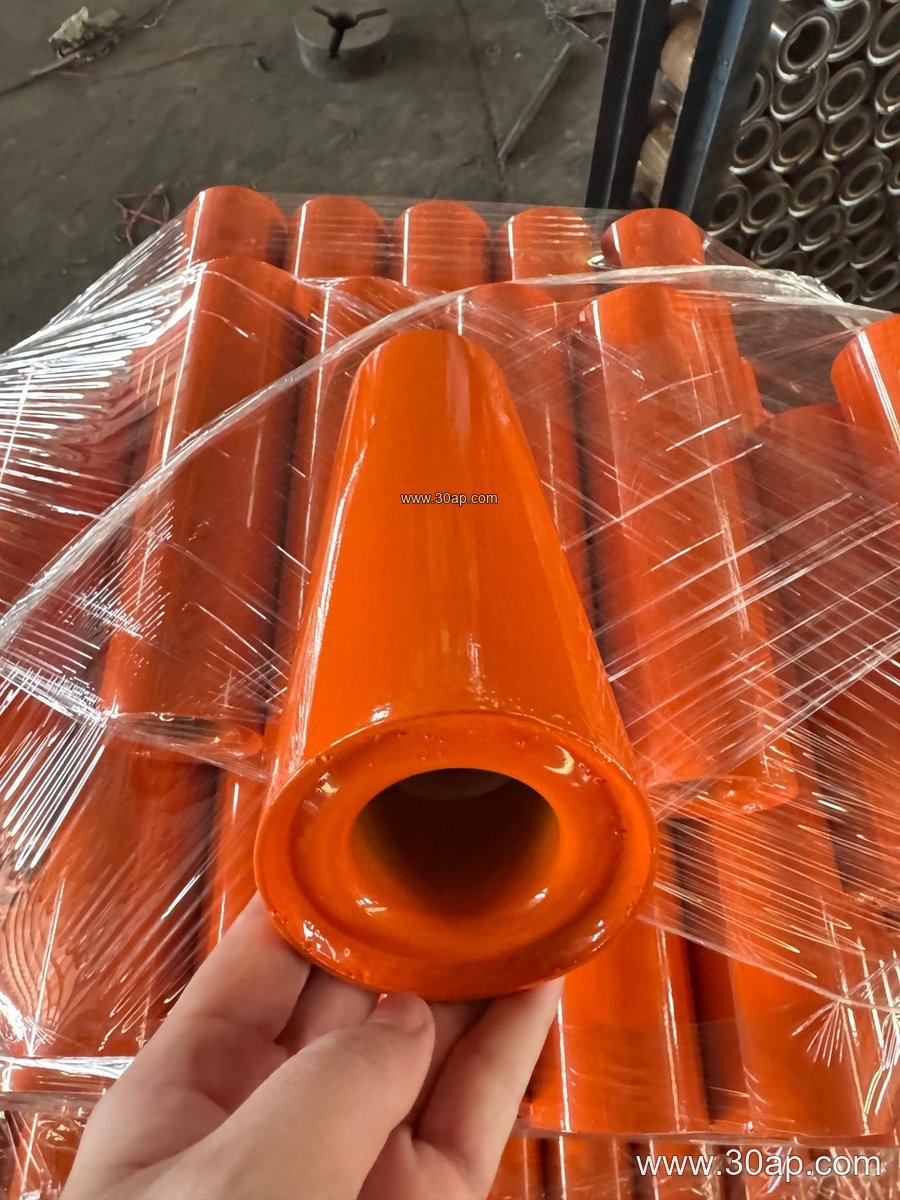
The anti-material-buildup idler is not a single fixed design. It is a family of idler rollers built with surface or geometry choices that discourage adhesion. The most familiar version uses a spiral or helical profile on the shell, often called a spiral idler or self-cleaning idler. Other variants use rubber discs, segmented rings, or a smooth but specially coated shell. What they share is the goal of shedding material before it can build up.
Construction Features That Discourage Buildup
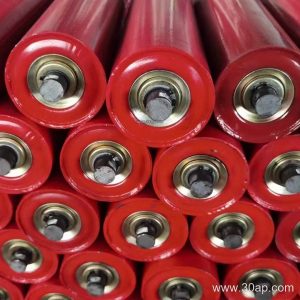
Most anti-material-buildup idlers start with a steel tube body, fitted with sealed bearings and a shaft sized to the conveyor bracket. The differences are on the outside. A spiral roller has a raised helix welded or formed onto the shell; as the idler turns, the helix pushes sticky fines toward the edges instead of letting them pack in the center. A rubber-disc idler uses flexible rubber rings spaced along the shell, which flex slightly under load and break the bond between the material and the roller surface.
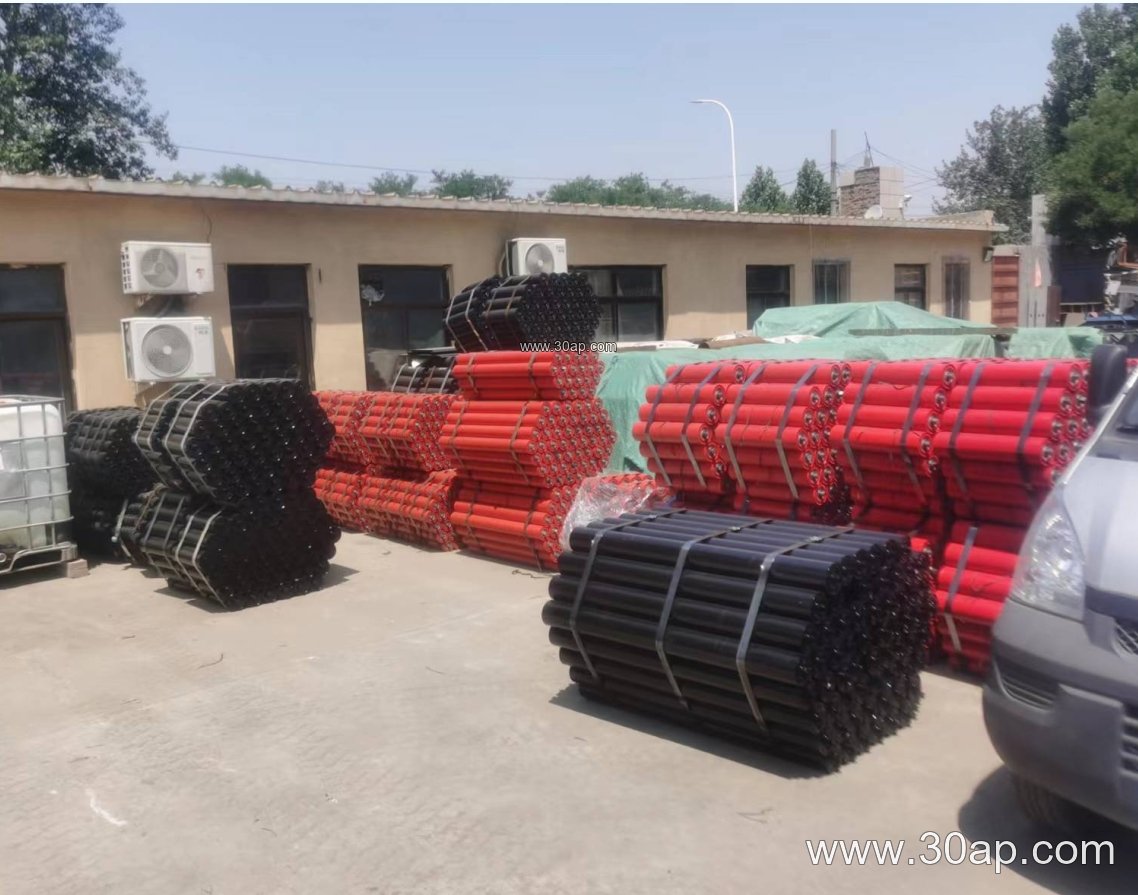
Bearing protection matters just as much as the shell profile. Dust and moisture are the usual companions of sticky material, so effective labyrinth seals and grease retention are part of the design. The idler must also be balanced; an unbalanced roller with a spiral shell will vibrate and shorten bearing life. Buyers should look for consistent wall thickness, true-running shells, and bearing housings that fit standard conveyor brackets without modification.
Where This Idler Fits on the Conveyor
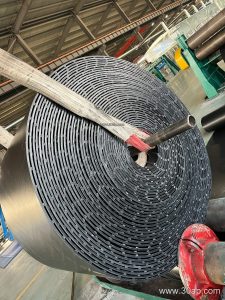
Anti-material-buildup idlers are typically used on the carrying side, in the troughing set, where the belt is in direct contact with the load. In a three-roll troughing arrangement, the center roll and the side rolls can all be supplied with spiral or rubber-disc surfaces. They are also used on the return side when the belt carries a sticky film on its bottom cover. In both positions, the idler works together with the conveyor belt, the conveyor pulley, and the conveyor bracket to keep the line running straight and clean.
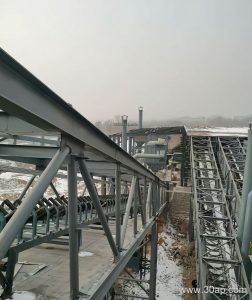
Typical service locations include coal preparation plants, cement plants, power plant coal handling, sand and gravel lines, and limestone quarries. In these places, a standard smooth idler can become a lump of hardened material within a shift. The anti-buildup version reduces manual cleaning and lowers the risk of belt misalignment.
Common Sizes and Configurations
The table below gives reference values often seen in catalogues for this idler family. These are examples, not fixed matches; actual roll length depends on belt width, trough angle, and the idler set design.
| Parameter | Common Reference Range |
|---|---|
| Roller diameter | Ø89, Ø102, Ø108, Ø127, Ø133, Ø159 mm |
| Belt width | B500 to B2000 mm |
| Trough angle | 20°, 30°, 35°, 45° |
| Troughing set | Two-roll or three-roll |
| Roller surface | Spiral steel, rubber disc, rubber ring |
| Bearing | 6204, 6205, 6305, 6306, 6308 |
For example, a three-roll troughing set on a B800 belt commonly uses a roll length around 315 mm, while a B1200 set may use about 465 mm. Side rolls and center rolls can differ. Shaft diameter should be selected from the load and bracket design, not from belt width alone.
Buyer Checklist
- Confirm the material stickiness, moisture level, and lump size. Very wet or clay-like loads benefit most from a spiral or rubber-disc surface.
- Check that the idler profile suits the belt. A spiral shell should not damage the bottom cover of a heavy-duty mining conveyor belt or a heat resistant conveyor belt.
- Match the bearing seal to the environment. Washdown, dust, and humidity all affect seal choice.
- Verify roller diameter and shaft size against the existing conveyor bracket and pulley dimensions.
- Consider the whole line. Anti-buildup idlers work best when belt cleaning and pulley lagging are also in good condition.
An anti-material-buildup idler is a practical upgrade for any conveyor handling sticky bulk material. It is not a substitute for a drive pulley, tail pulley, or bend pulley, and it does not replace proper belt cleaning, but it keeps the roller surface working as intended.