What a Self-Aligning Idler Bracket Does
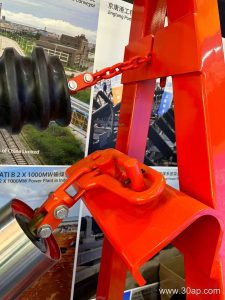
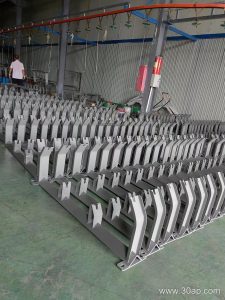
A self-aligning idler bracket is the pivoting support that holds the carrying or return idlers and lets them steer the conveyor belt back toward the center line. Instead of being welded in a fixed position, the bracket sits on a vertical pivot or a swivel base, so when the belt drifts sideways it contacts the angled idlers and the frame swings slightly. That small rotation creates a corrective force that nudges the belt back on track. In a quarry, a cement plant, or a power plant coal yard, this simple mechanical response prevents edge damage, spillage, and uneven wear on the belt and the idler roller.
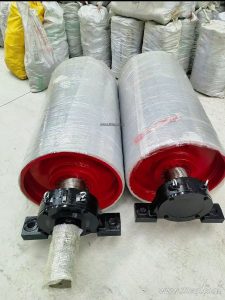
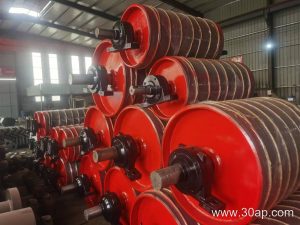
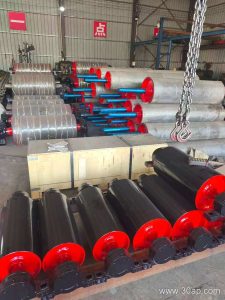
It is a training component, not a drive part. Drive pulleys, tail pulleys, and bend pulleys are separate units that transmit or redirect motion, and they are not interchangeable with a self-aligning bracket. The bracket belongs to the idler group, together with the conveyor bracket that fixes ordinary idlers in place.
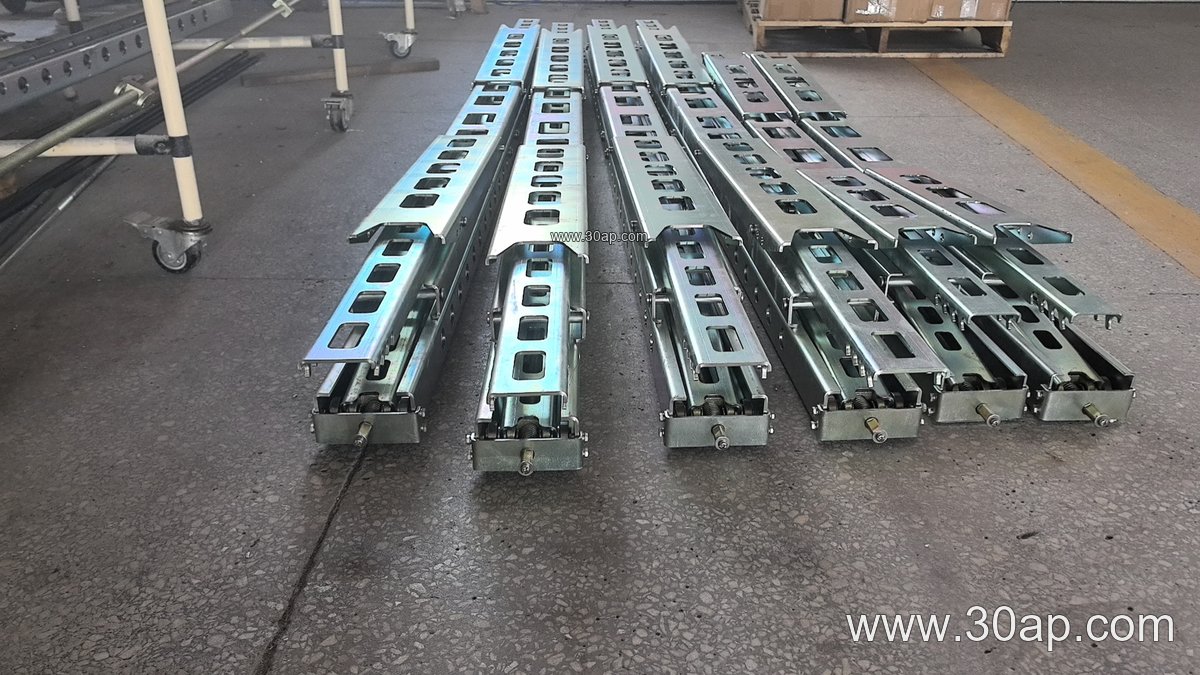
Construction and Mounting Position
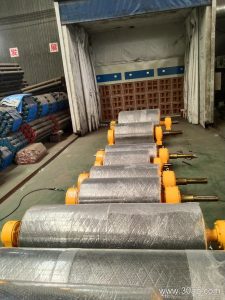
Most designs are fabricated from angle steel, channel steel, or folded steel plate. The frame carries two or three idlers set at a trough angle, and the whole assembly turns on a central shaft or bearing seat. Common builds include:
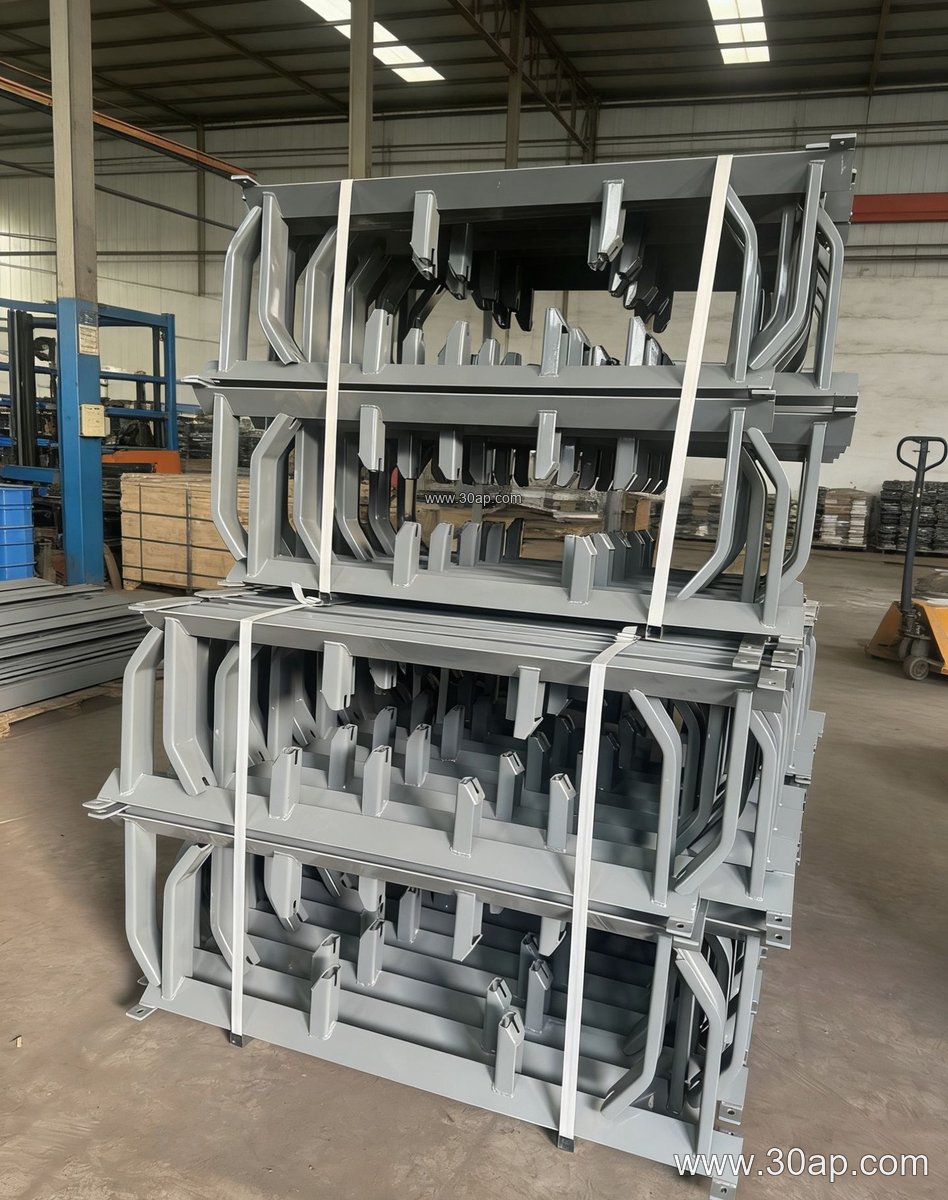
- A pivoting carrying bracket with three rolls in a trough formation
- A return-side self-aligning bracket with two rolls in a V arrangement
- A compact single-pivot design for narrow belts
The bracket is usually installed on the carrying side every few standard idler frames, and on the return side before the tail pulley and after curves. On a fabric core conveyor belt or a steel cord conveyor belt running at speed, correct pivot clearance matters: too much play causes hunting, too little causes binding.
Typical Sizes and Matching
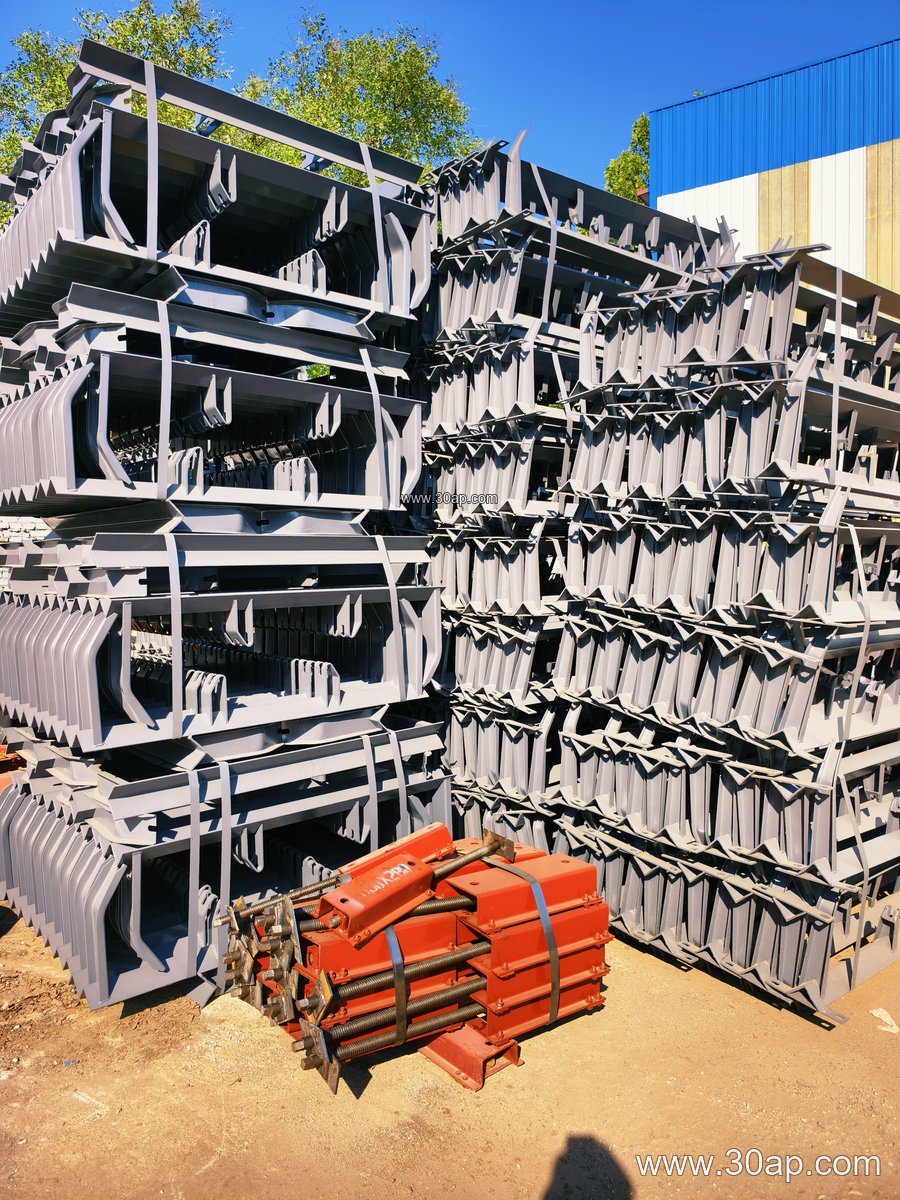
Dimensions follow the belt width, trough angle, and roll diameter chosen for the conveyor. The values below are common reference ranges, not fixed rules; final hole spacing and beam length are set by design.
| Belt width | Trough angle | Roll diameter | Typical use |
|---|---|---|---|
| B650 | 30 degrees | Ø89 | Small aggregate lines |
| B800 | 35 degrees | Ø108 | Sand and gravel conveyors |
| B1000 | 35 degrees | Ø133 | Cement plant clinker lines |
| B1200 | 45 degrees | Ø133 | Coal handling in power plants |
| B1400 | 45 degrees | Ø159 | Iron ore and heavy bulk material |
| B1600 | 35 degrees | Ø159 | Port loading systems |
| B1800 | 45 degrees | Ø194 | Large mining conveyors |
A bracket may be adjustable between 20, 30, 35, and 45 degrees when the same frame serves several belt lines. Forward-leaning idlers, often about 1.5 to 2 degrees, are a related option that improves tracking on high-speed belts. A self-aligning bracket and a fixed trough bracket can share the same roll size, so buyers should confirm both the pivot type and the roll diameter before ordering.
Where It Fits in the Conveyor
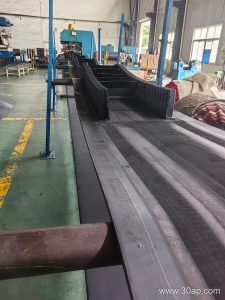
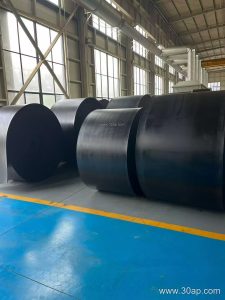
Self-aligning brackets earn their place on long overland runs, curved routes, and transfer points where the belt is likely to wander. In a limestone mine or a crushing and screening circuit, they are often placed after the loading point and before the head pulley. In a coal washing plant or a tunnel spoil line, the return-side version keeps the belt centered under the structure. They also pair well with abrasion resistant conveyor belt, heat resistant conveyor belt, and flame retardant conveyor belt used in cement kilns, sintering plants, and underground coal mining conveyors, because a centered belt wears more evenly.
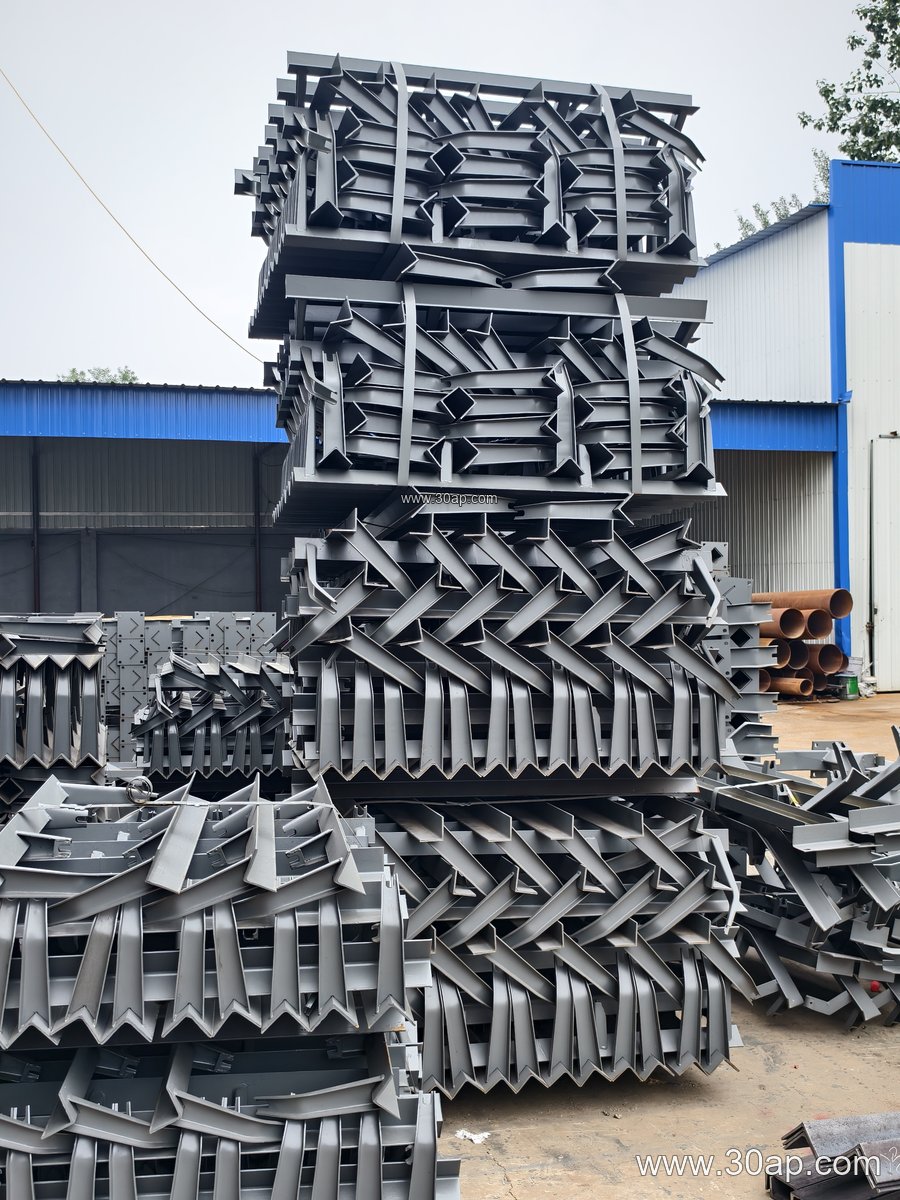
They are not a substitute for a proper conveyor pulley alignment or for correct belt splicing. If the belt is badly mistracked, fix the structure and the pulleys first, then use self-aligning brackets for fine correction. On a pipe conveyor belt or a corrugated sidewall conveyor belt, the bracket choice must respect the belt profile and the transition distance.
Buyer Checklist
- Confirm belt width, trough angle, and roll diameter as a set, not separately.
- Check pivot bearing type and expected service life in dusty conditions.
- Ask whether the frame is fixed or adjustable, and the adjustment range.
- Match the mounting hole pattern to the existing conveyor bracket spacing.
- Review material thickness for heavy-duty mining conveyor belt service.
- Plan inspection intervals for pivot wear and roll rotation.
For a mineral processing plant or a bulk terminal, a well-chosen self-aligning idler bracket is a low-cost way to protect the belt, the idler roller, and the conveyor structure. Buyers who compare the bracket with the full idler set, the pulley arrangement, and the belt specification will get a tracking solution that lasts.