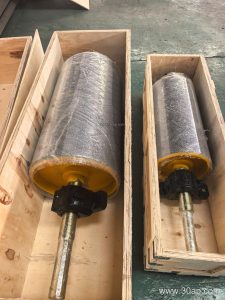
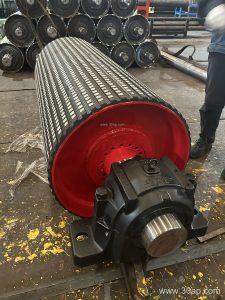
What Belt Conveyor Pulley Lagging Does
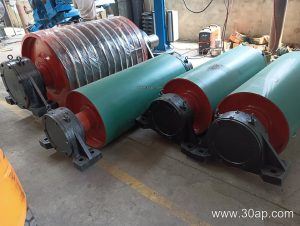
Belt conveyor pulley lagging is the rubber or ceramic layer bonded to the shell of a conveyor pulley where the conveyor belt makes contact. Its job is simple to describe and hard to do well: increase friction between drum and belt, protect the shell from wear, and keep the belt tracking steadily under load. In a coal mining conveyor or a limestone quarry line, a bare steel shell can slip once the belt surface turns damp or dusty. Lagging restores the grip, and it also takes the abrasive punishment that would otherwise grind into the pulley face.
This is a wear part, not a decoration. When a drive pulley loses traction, the whole conveyor slows, the belt wanders, and the motor works harder than it should. A properly specified lagging compound keeps torque transfer predictable through thousands of hours of operation.
How the Lagging Is Built and Fitted
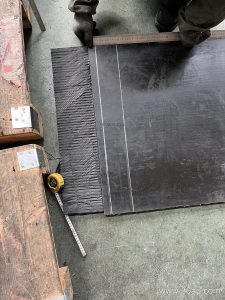
Most lagging starts as a rubber sheet or a moulded strip with a patterned surface. The compound is usually a blend of natural and synthetic rubber chosen for abrasion resistance, oil resistance or flame retardancy depending on the site. A cement plant handling hot clinker asks for a different compound than a port terminal moving damp bulk material at ambient temperature.
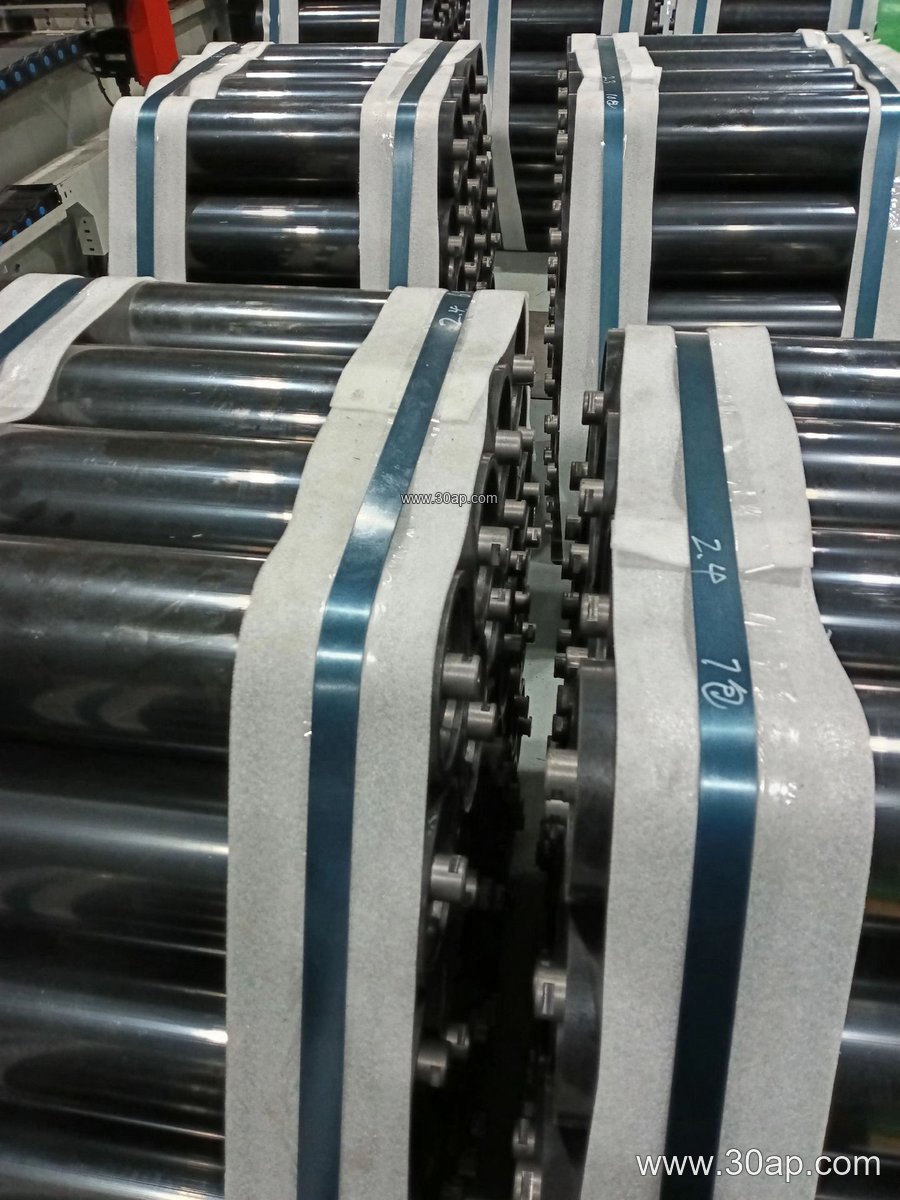
There are three common ways to attach it:
- Hot vulcanised lagging is cured onto the shell in a press, giving a seamless bond that suits high-torque drive pulleys.
- Cold bonded lagging uses adhesive and is often chosen for field repairs or for tail and bend pulleys where downtime matters.
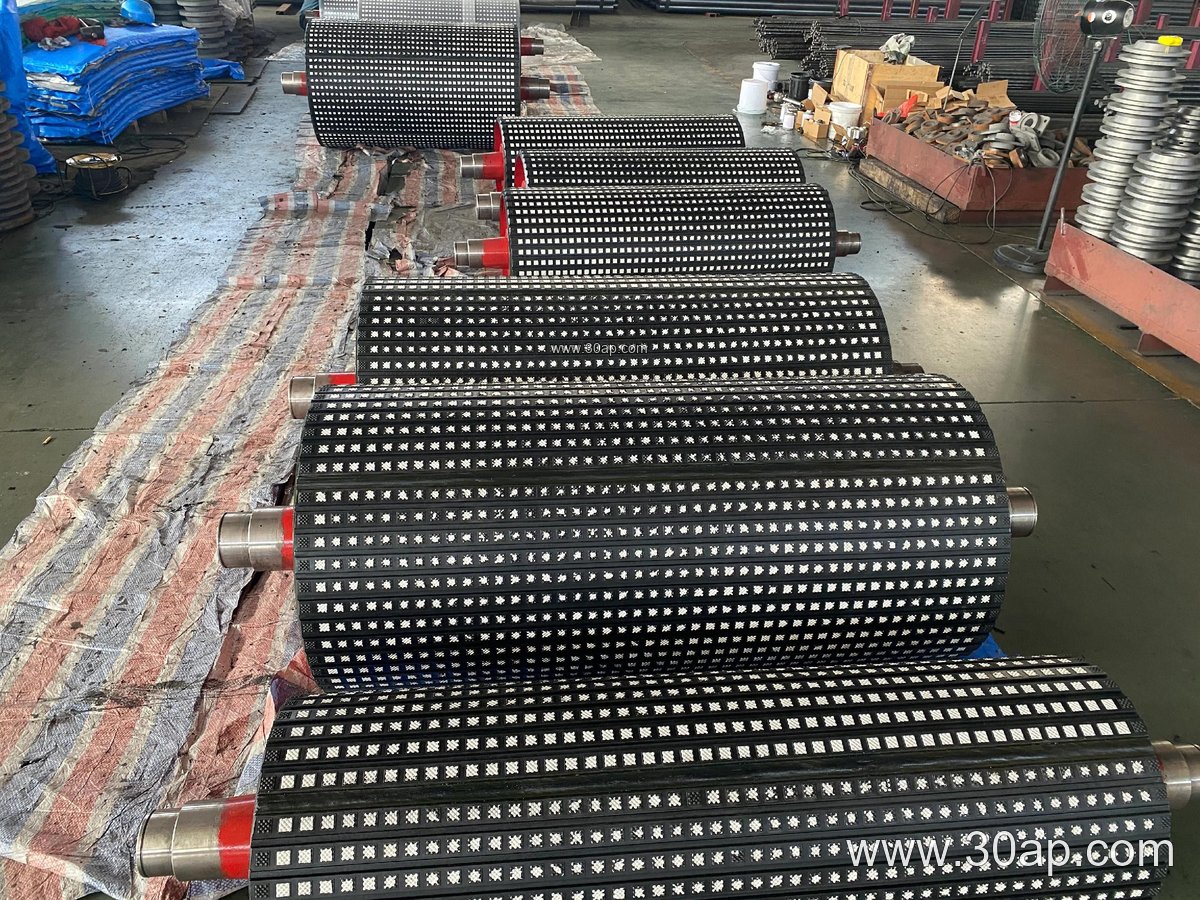
- Ceramic lagging embeds ceramic tiles in a rubber matrix, which is a common choice on drive pulleys in wet or oily conditions.
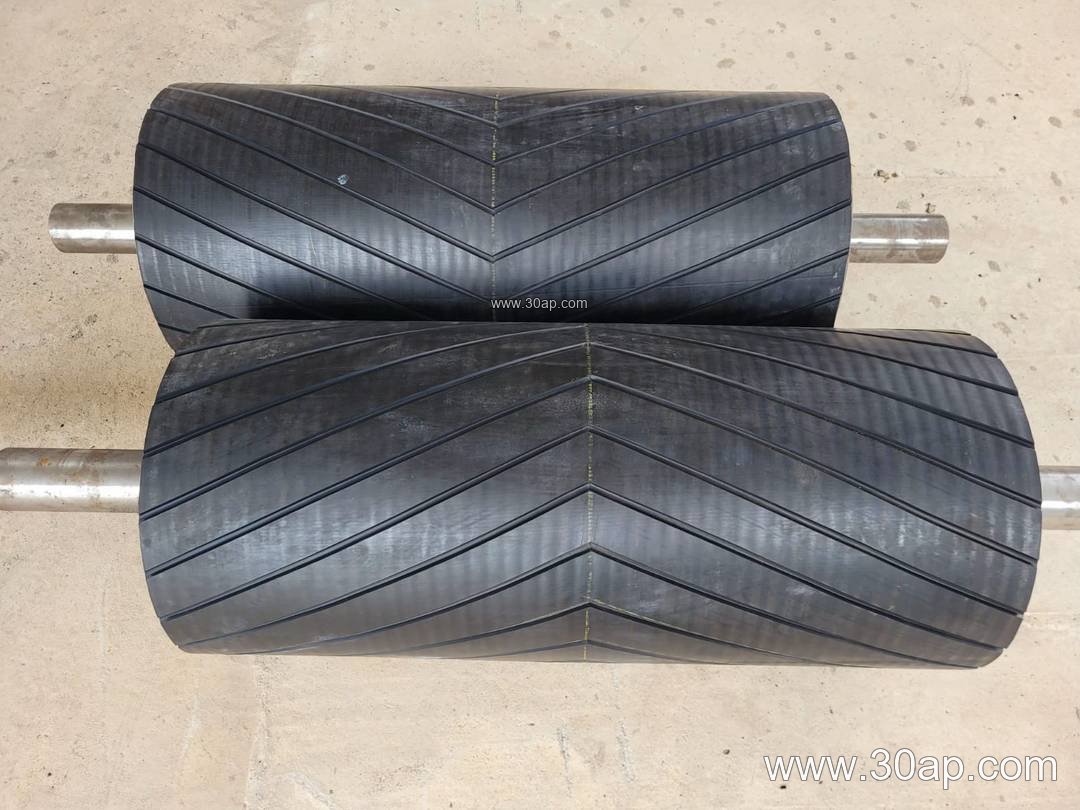
Surface patterns matter as much as the compound. Plain (smooth) lagging is used where belt cleaning is easy and slippage is not a concern. Diamond and herringbone patterns channel water away from the contact patch. Grooved profiles help on pulleys that see slurry. Thickness commonly runs 8, 10, 12, 15 or 20 mm, and the right figure depends on the duty cycle rather than on belt width alone.
Where It Is Used and Which Pulley Gets It
Lagging appears on several pulley positions, and each has its own logic. The drive pulley, sometimes called the head pulley when it also discharges material, usually carries the most demanding lagging because it transmits the full torque of the drive. A tail pulley at the loading end may use a lighter pattern or a plain sheet, since its main job is guiding the belt rather than pulling it. Bend pulleys and take-up pulleys in the tensioning run often use thinner lagging to protect the shell without adding unnecessary mass.
In a typical iron ore or copper ore concentrator, the drive pulley might run with ceramic lagging while the snub and bend pulleys in the same take-up tower use 10 mm rubber. In a power plant coal handling system, flame retardant grades are frequently specified for underground or enclosed galleries. The point is that pulley position, not fashion, should drive the choice.
Matching Lagging to the Rest of the Conveyor
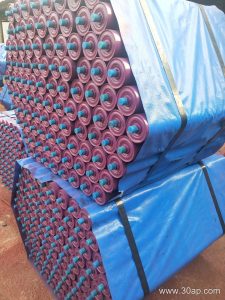
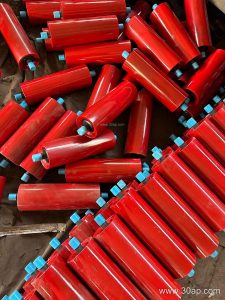
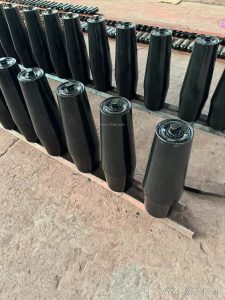
Lagging does not work in isolation. It interacts with the conveyor belt, the idler roller set, and the conveyor bracket that holds the pulley in alignment. A heavy-duty mining conveyor belt with a thick cover behaves differently from a thin two-ply fabric core belt, and the lagging hardness should suit the belt it grips. A steel cord conveyor belt carrying high tension benefits from a firm, well-bonded lagging that will not creep under load.
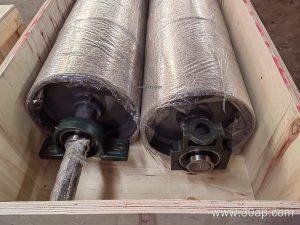
Belt width and pulley diameter are related but not locked together. A B800 conveyor might use a Ø500 pulley with 950 mm face width in one plant and a Ø630 pulley in another, depending on wrap angle and tension. Common combinations such as B1200 × Ø1000 or B1400 × Ø800 appear in design drawings, but no single diameter is mandatory for a given belt width. Shaft diameter is set by torque and bearing load, commonly in the Ø50 to Ø200 range, and should never be guessed from belt width.
When replacing lagging, check the pulley shell for out-of-round condition, confirm the belt tracking, and inspect the idler roller and bracket alignment nearby. A worn lagging surface is often the first sign that something upstream is misaligned.
What a Buyer Should Confirm Before Ordering
- Pulley position and duty: drive, tail, bend, take-up or snub.
- Shell diameter and face width, measured rather than assumed.
- Required surface pattern and lagging thickness.
- Compound properties: abrasion resistance, oil resistance, flame retardancy, anti-static behaviour.
- Attachment method that fits the available downtime and workshop capability.
Ask for the compound data and the bonding procedure, not just a thickness figure. For bulk material conveyors in quarries, aggregate plants and steel mills, the difference between a well-specified lagging and a cheap sheet shows up within the first few months of service. Buyers comparing EP conveyor belt and NN conveyor belt specifications often forget that the pulley end deserves the same attention. A short conversation about pulley size, belt type and operating environment will usually settle the specification faster than a catalogue page.