What a Heavy-Duty Impact Idler Does
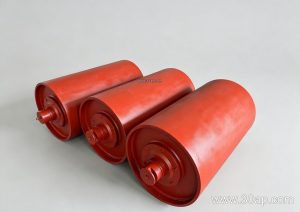
A heavy-duty impact idler is a conveyor idler roller built to absorb the energy of falling material at transfer points. Instead of a standard steel shell, it usually carries rubber rings or a thick rubber lagging over a reinforced body. This impact-resistant idler sits directly under the chute or crusher discharge, where lumps of rock, ore, or clinker hit the belt. The goal is simple: protect the conveyor belt, keep the belt line stable, and reduce downtime in abrasive, high-load service.
In a quarry conveyor or a coal mining conveyor, the difference between a standard carrying idler and a heavy-duty impact roller becomes obvious within weeks. The impact version spreads point loads over a wider contact area and flexes slightly under shock, which lowers the stress on the belt cover and on the idler bearings.
Construction and Materials
The typical heavy-duty impact idler uses a heavy-gauge steel tube or a solid shaft with a series of rubber discs. Rubber rings are vulcanized or mechanically fixed to the shell, and the end seals are designed to keep out dust and fine grit. Bearing sizes vary with load and shaft design; common bearing numbers include 6205, 6305, 6306, and 6308, but the bearing is selected by the idler manufacturer based on duty, not by belt width alone.
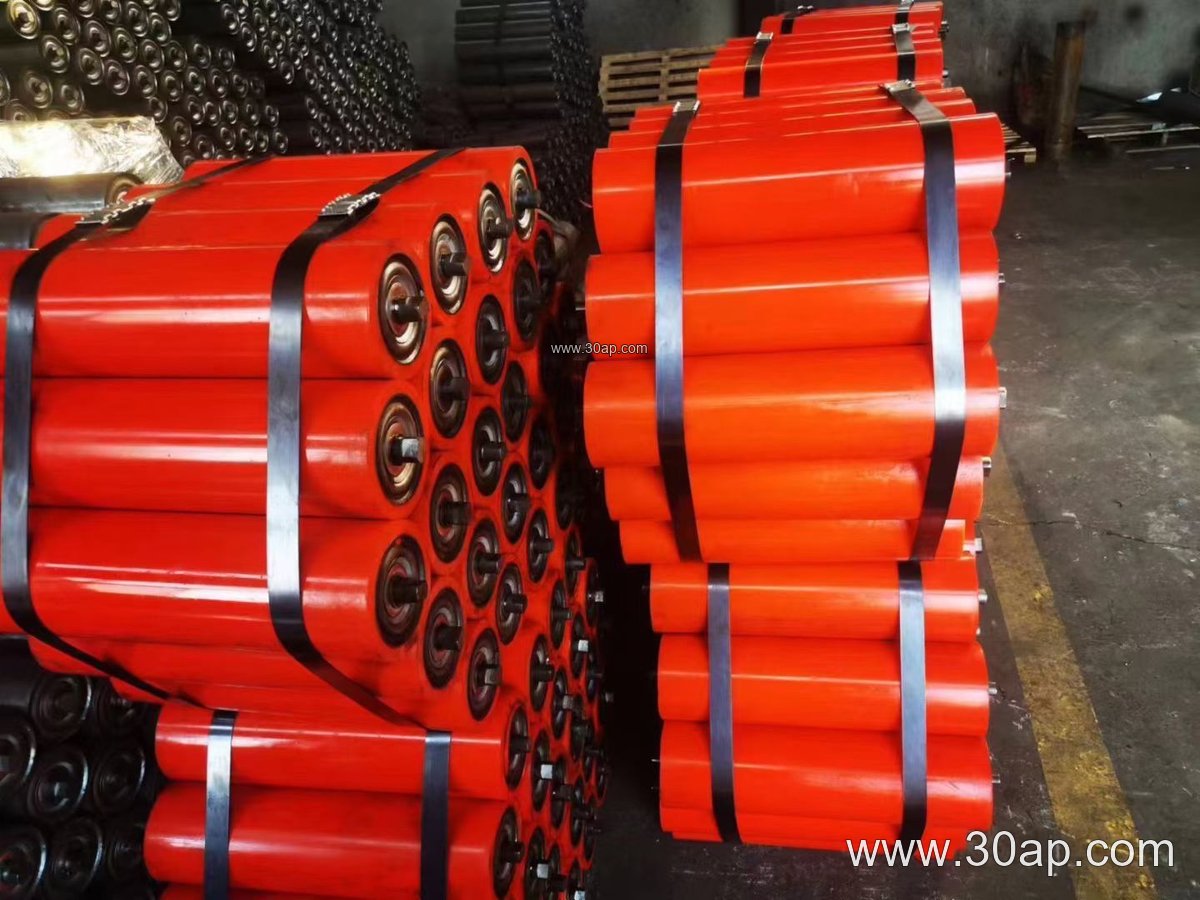
- Rubber ring surface for shock absorption and grip
- Sealed bearing housing for dusty transfer points
- Reinforced shaft and welded end discs
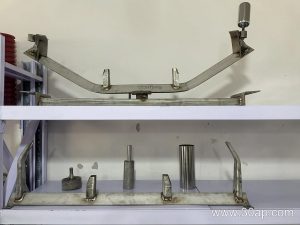
- Mounting dimensions matched to the conveyor bracket and frame
Because the rubber rings can be replaced on some designs, maintenance teams in a cement plant or power plant coal yard can renew the wear surface without scrapping the whole roller. Always confirm with the supplier whether the rings are field-replaceable or factory-bonded.
Where It Fits on the Conveyor
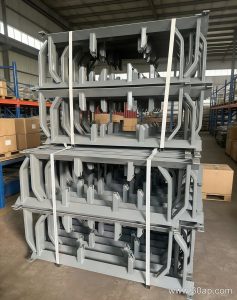
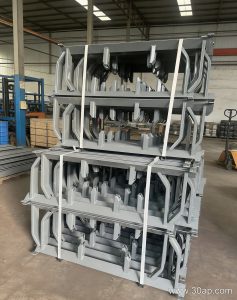
Impact idlers are placed in the loading zone, usually as a close-spaced group of three or more rollers under the skirted area. They are not a substitute for a bend pulley or a tail pulley; those are different components with different functions. The impact idler works with the carrying side of the conveyor belt, while return idlers and V-return idlers handle the empty strand.
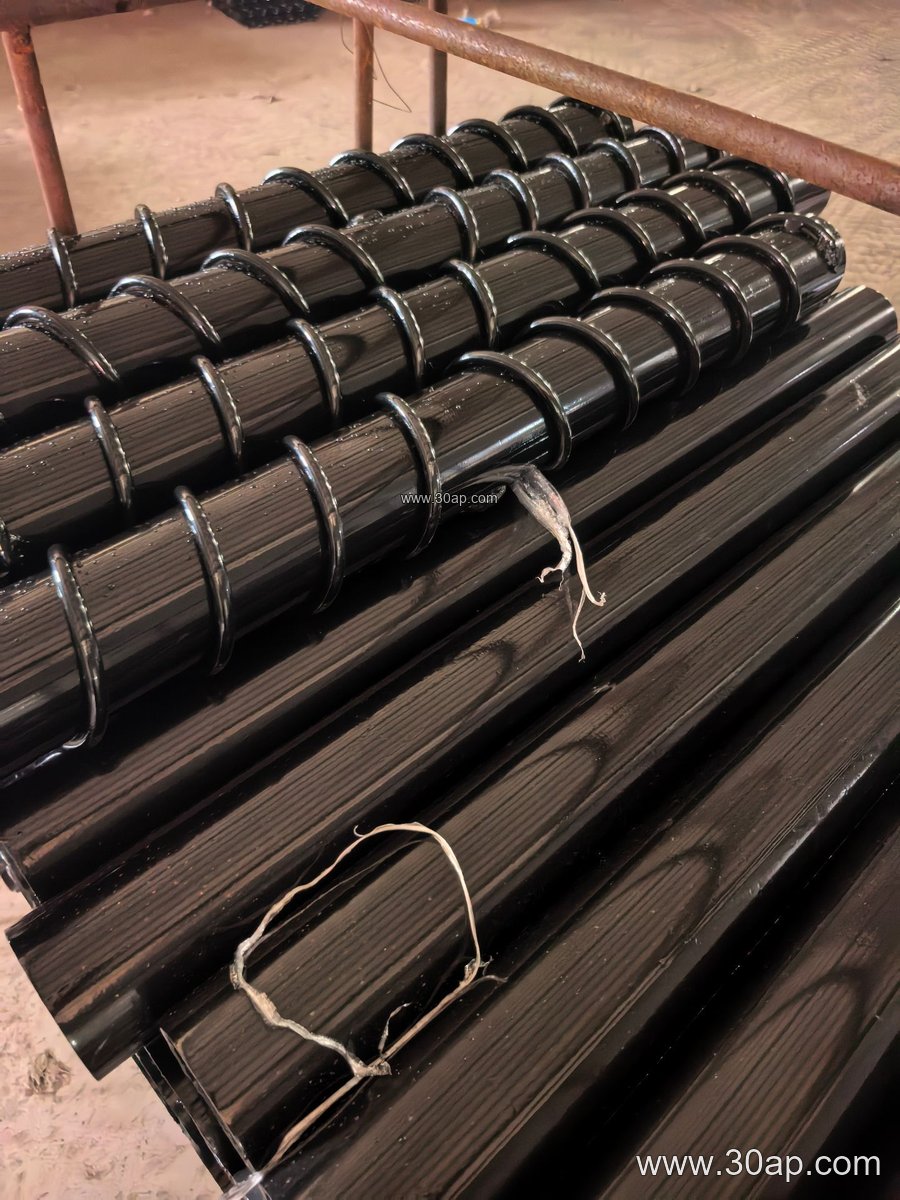
Typical industries include:
- Quarry and aggregate crushing lines
- Coal mining and wash plants
- Cement clinker and raw material handling
- Iron ore and copper ore transfer stations
- Power plant coal conveying
In these settings, a heavy-duty mining conveyor belt often runs at high tension, so the idler frame and bracket must be rated for the same load class. A mismatch between a light bracket and a heavy impact roller can cause frame distortion.
Sizes and Selection Notes
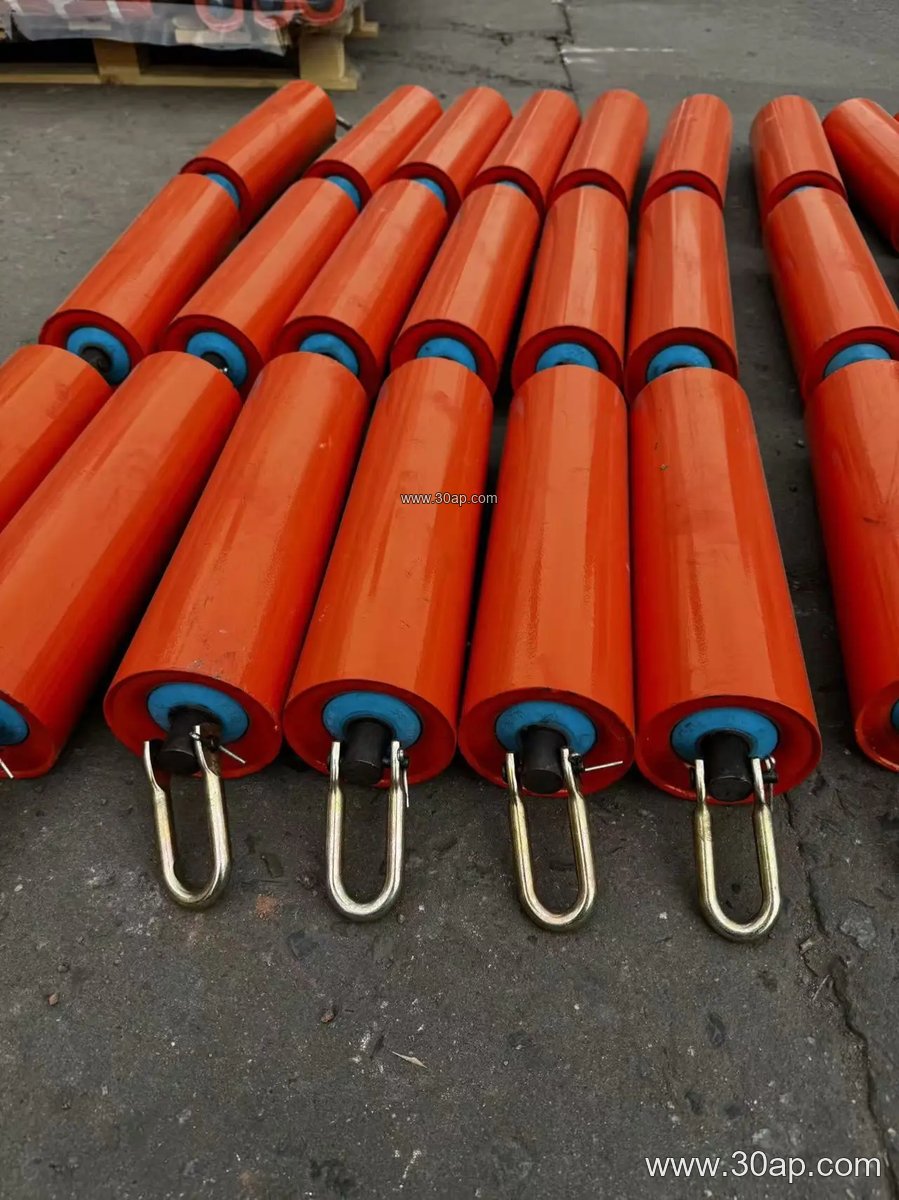
Heavy-duty impact idlers are available in common roller diameters such as Ø89, Ø108, Ø127, Ø133, Ø159, and Ø178 mm, with larger sizes for very high drop heights. Belt widths from B500 to B2000 are common, and the roller length changes with the trough angle and idler arrangement. For a three-roll trough set, a B800 belt might use a center roller near 315 mm and side rollers of a different length; a B1200 set might use a center roller near 465 mm. These are reference examples, not fixed rules.
| Parameter | Common Range | Note |
|---|---|---|
| Roller diameter | Ø89 to Ø178 mm | Larger diameters for high impact |
| Belt width | B500 to B2000 | Match to conveyor design |
| Trough angle | 20°, 30°, 35°, 45° | Affects material containment |
| Bearing | 6205, 6305, 6306, 6308 | Selected by load and seal type |
| Surface | Rubber ring or rubber lagging | Shock and wear protection |
Buyers should check the drop height, lump size, belt speed, and the conveyor bracket dimensions before ordering. A heavy-duty impact idler is not automatically interchangeable with a standard trough idler, and the mounting hole spacing must match the existing frame.
Buyer Checklist
Ask for the roller diameter, shaft diameter, bearing type, ring hardness, and sealing arrangement. Confirm the load rating and the recommended spacing in the impact zone. For a conveyor belt that carries hot material, a heat resistant conveyor belt may be used, but the idler rubber compound should also be checked for temperature limits. In cold climates, a cold resistant conveyor belt paired with standard rubber rings may stiffen, so discuss the compound with the supplier.
Finally, compare the impact idler with the adjacent carrying idlers and return idlers. The goal is a balanced conveyor line where the impact zone absorbs energy without overloading the frame. For more information on idlers, pulleys, and conveyor belts, visit www.beltconveyorparts.com and review the heavy-duty impact idler range.