What a V-Type Idler Bracket Does
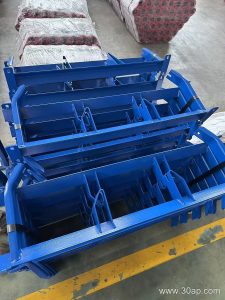
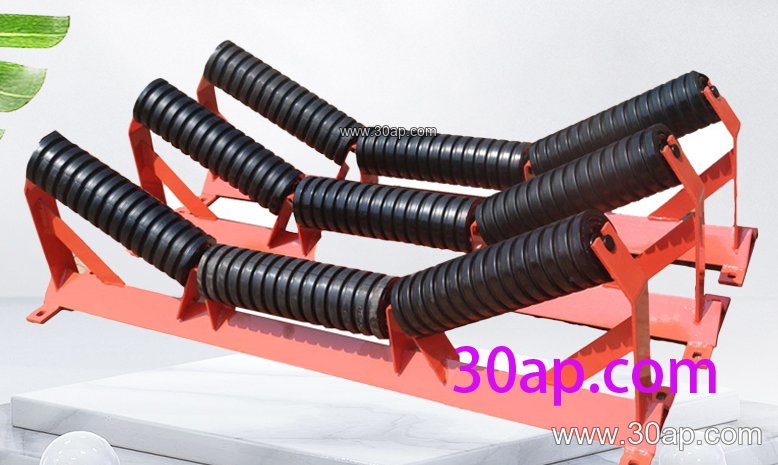
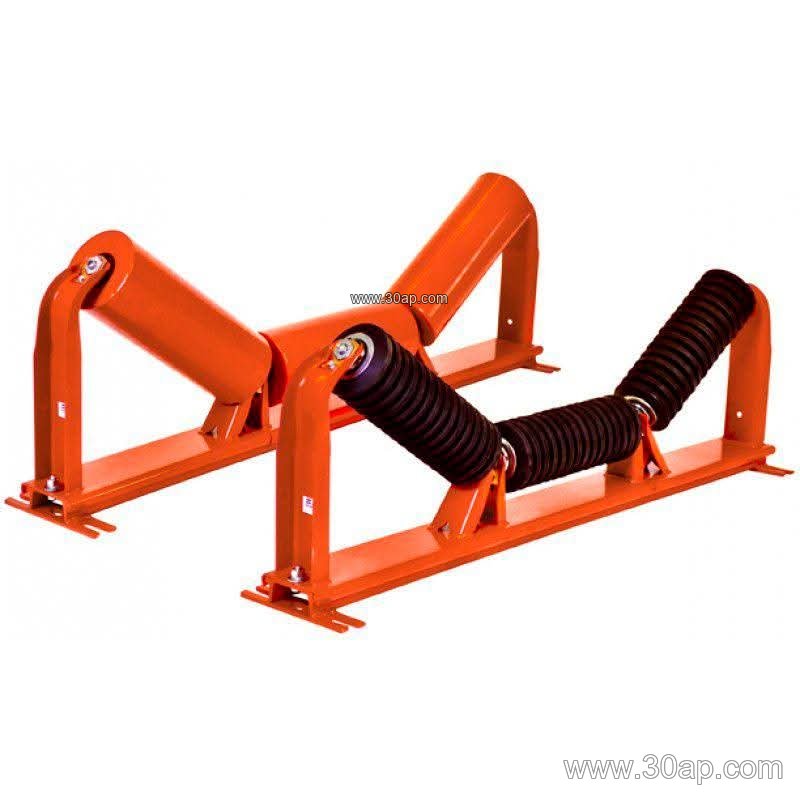
A V-Type Idler Bracket is a return-side support that holds two idler rollers in a V-shaped trough, helping the conveyor belt track centrally while shedding loose material. Unlike a flat return bracket, the V configuration uses gravity to keep the belt centered, which reduces edge damage and spillage in dusty, high-tonnage operations. This bracket is a distinct component from the carrying troughing bracket or the transition bracket, and it is not interchangeable with a bend pulley or tail pulley.
Construction and Materials
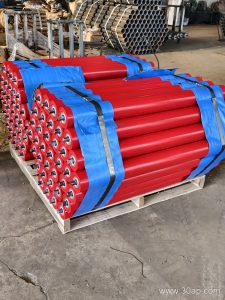
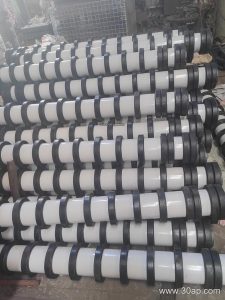
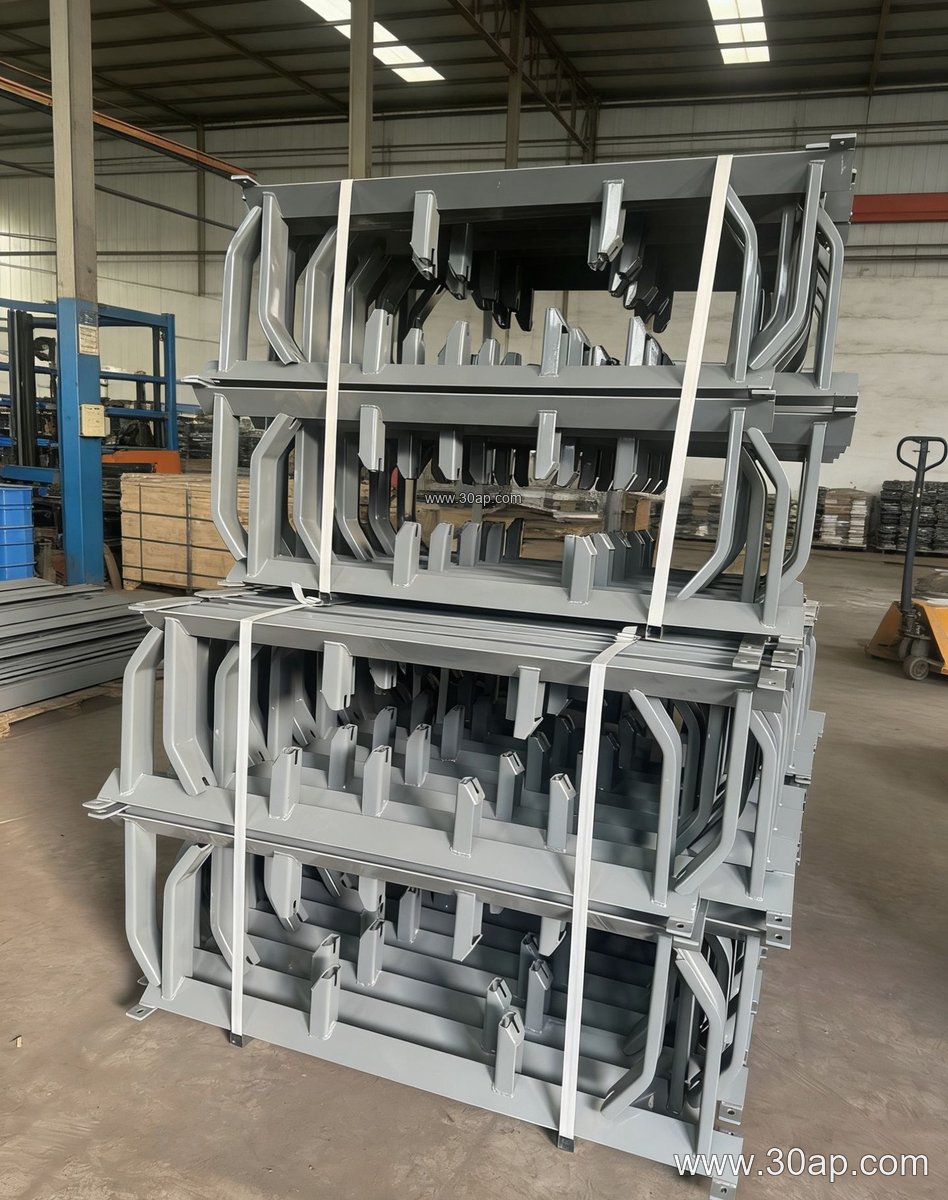
Most V-Type Idler Brackets are fabricated from angle steel, channel steel, or folded steel plate, then drilled to accept standard idler shafts. The two arms are set at an included angle that forms the V, and the bracket height is matched to the return idler diameter so the belt rests naturally without pinching. Common roller diameters used in these brackets include Ø89, Ø108, Ø133, and Ø159, while larger systems may use Ø194. The bracket is usually bolted to the conveyor stringer or cross beam, and mounting hole spacing varies with belt width and design load.
Where It Fits in a Conveyor
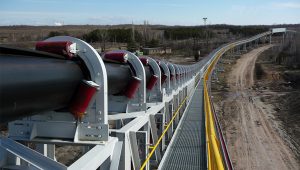
The V-Type Idler Bracket is installed on the return run, just below the carrying belt, and is often paired with a self-aligning return idler set. In a quarry or limestone mine, it helps control the belt after a crusher discharge where fines cling to the surface. In a coal washing plant or power station coal yard, the V shape sheds coal dust and reduces buildup that could misalign the belt. It is not a substitute for a drive pulley, tail pulley, or bend pulley, each of which performs a different function in the conveyor drive and tensioning system.
Matching Bracket, Belt, and Roller
Buyers should match the bracket to the belt width and the return idler diameter, not assume a single combination. A B800 belt may use a V-Type Idler Bracket with Ø108 rollers at one plant and Ø133 rollers at another, depending on load and belt stiffness. For wider belts such as B1200 or B1400, the bracket frame is longer and the V angle is set by design. A 30-degree or 35-degree trough angle is common for return V brackets, while carrying brackets may use 20-degree, 35-degree, or 45-degree trough angles. The V-Type Idler Bracket itself is typically fixed, though adjustable versions exist for fine-tuning belt contact.
Reference Dimensions for Planning
| Belt Width (B) | Typical Return Roller Ø | Common V Angle |
|---|---|---|
| B500 | Ø89 | 30° |
| B650 | Ø89 / Ø108 | 30° / 35° |
| B800 | Ø108 / Ø133 | 35° |
| B1000 | Ø108 / Ø133 | 35° |
| B1200 | Ø133 / Ø159 | 35° |
| B1400 | Ø133 / Ø159 | 35° |
| B1600 | Ø159 / Ø194 | 35° / 45° |
These values are common references, not fixed rules. Mounting hole distance and cross beam length change with belt width, V angle, and bracket design, so the final selection should follow the conveyor drawing and the idler manufacturer’s data.
Selection and Maintenance Notes
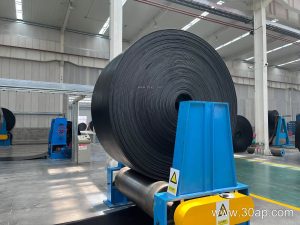
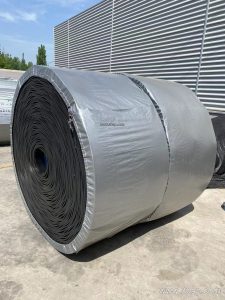
When specifying a V-Type Idler Bracket, confirm the return idler diameter, the belt width, and the mounting pattern on the stringer. Check that the bracket material suits the environment: a dusty quarry or cement plant may call for a heavier folded steel plate, while a port terminal handling abrasive ore may need a reinforced channel steel frame. Pair the bracket with suitable conveyor belting for the job, such as an abrasion resistant conveyor belt for stone crushing lines, a flame retardant conveyor belt for underground coal mining, or a heat resistant conveyor belt near clinker coolers. Inspect the bracket for bent arms or worn bolt holes during routine idler changes, and keep the return rollers free-turning so the belt does not ride off-center. For plant operators, the V-Type Idler Bracket is a low-cost component that protects the belt edge and supports steady material flow from crusher to stockpile.