Understanding the Anti-Sticking Idler
In bulk material handling, carryback and material buildup on conveyor components can quickly turn a smooth operation into a maintenance headache. The anti-sticking idler is a specialized idler roller designed to resist the adhesion of wet, sticky, or fine materials to its shell, helping keep the conveyor belt tracking correctly and reducing the need for frequent manual cleaning. Whether you are running a coal mining conveyor belt, a quarry conveyor belt, or a cement plant conveyor belt, this type of idler can be a practical addition to your system.
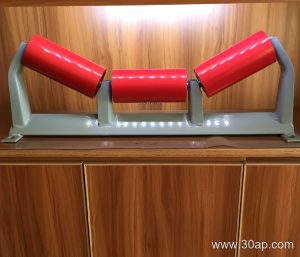
The anti-sticking idler is not a single fixed design but a family of idlers that share a common goal: preventing material from clinging to the roller surface. Common approaches include a self-cleaning spiral or helical profile, a segmented or disc-type shell, or a smooth, low-friction coating. Each design works slightly differently, but all aim to shed sticky fines before they compact and cause belt misalignment or roller seizure.
How the Anti-Sticking Idler Is Built
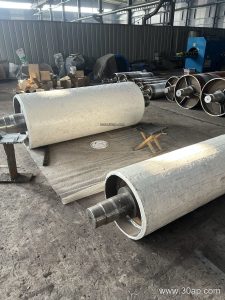
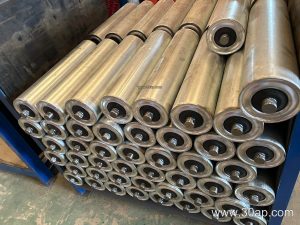
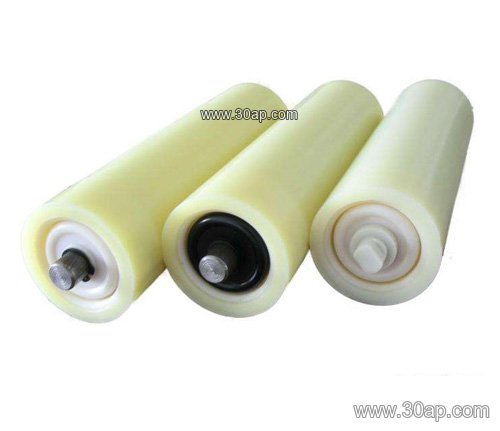
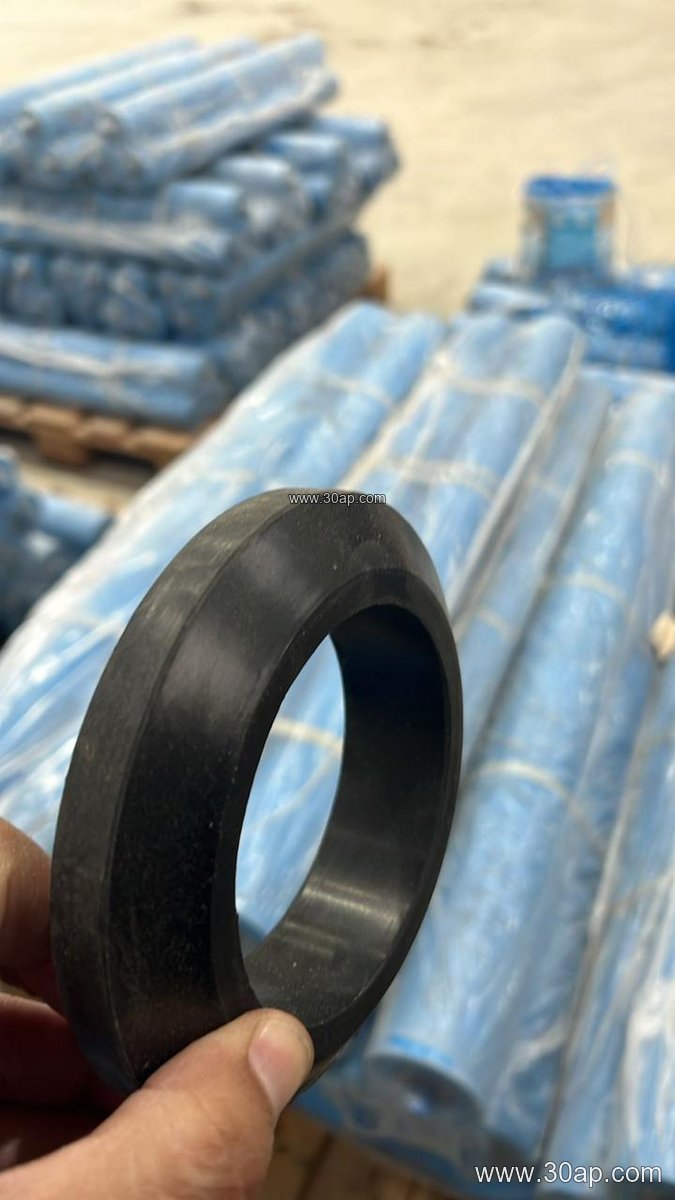
Most anti-sticking idlers start with a sturdy steel tube or shaft, fitted with sealed bearings to keep dust and moisture out. The distinguishing feature is the outer surface. A spiral anti-sticking idler uses a raised helix that continuously breaks up and pushes material aside as the roller turns. A disc-type or segmented idler uses individual rings or discs that flex slightly and prevent a continuous buildup layer. Some designs use a nylon or ceramic roller surface for low adhesion, while others combine a rubber ring buffer with a self-cleaning profile for impact zones.
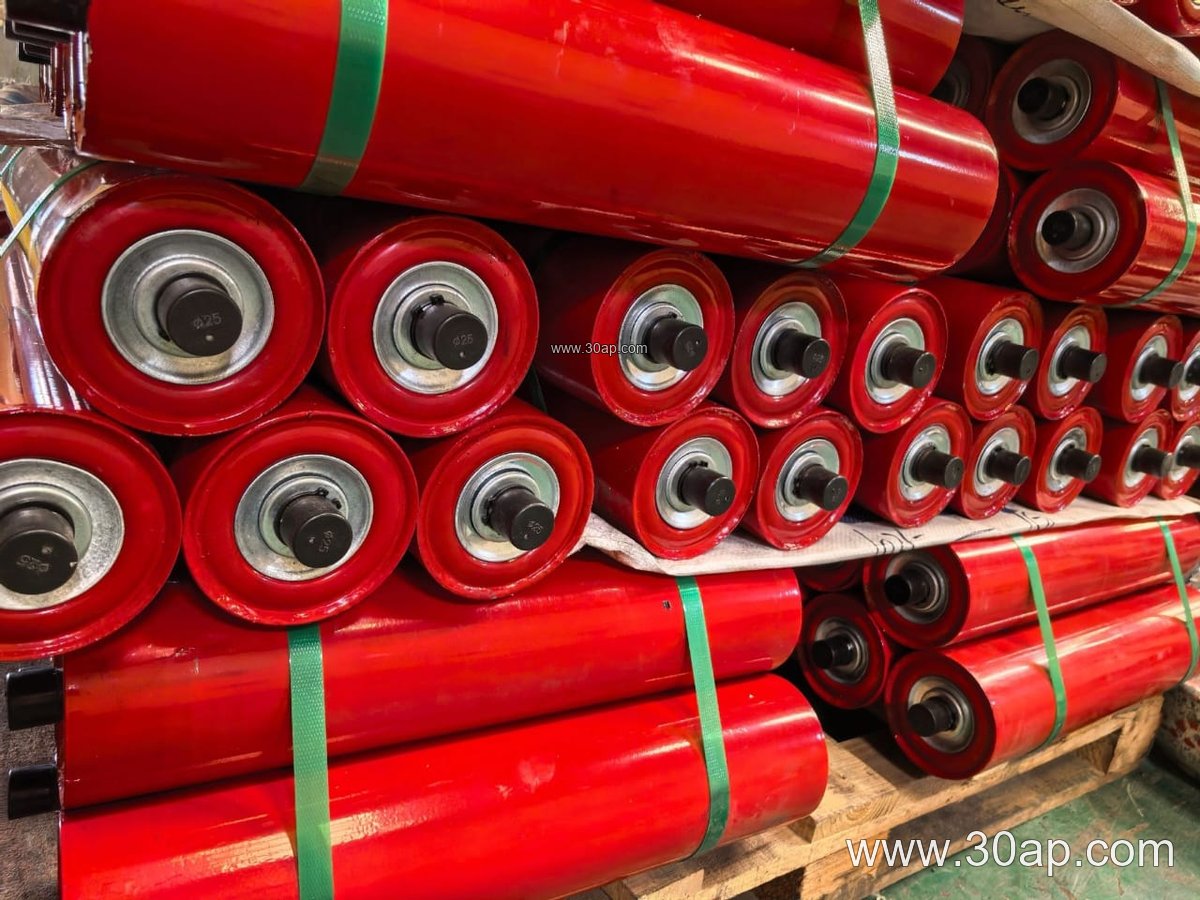
Bearing selection is matched to the load and speed of the conveyor. Common bearing sizes include 6204, 6205, 6305, 6306, 6308, and 6310, but the correct choice depends on the roller diameter and the specific application. Roller diameters such as Ø89, Ø102, Ø108, Ø127, Ø133, and Ø159 are frequently used in anti-sticking designs, with larger diameters often selected for wider belts or heavier loads. The roller length is determined by belt width, trough angle, and idler arrangement—for example, a three-roll troughing set on a B800 belt commonly uses rolls around 315 mm long, while a B1200 belt might use rolls around 465 mm. These are typical references, not fixed rules; side rolls and center rolls can differ.
Where Anti-Sticking Idlers Are Used
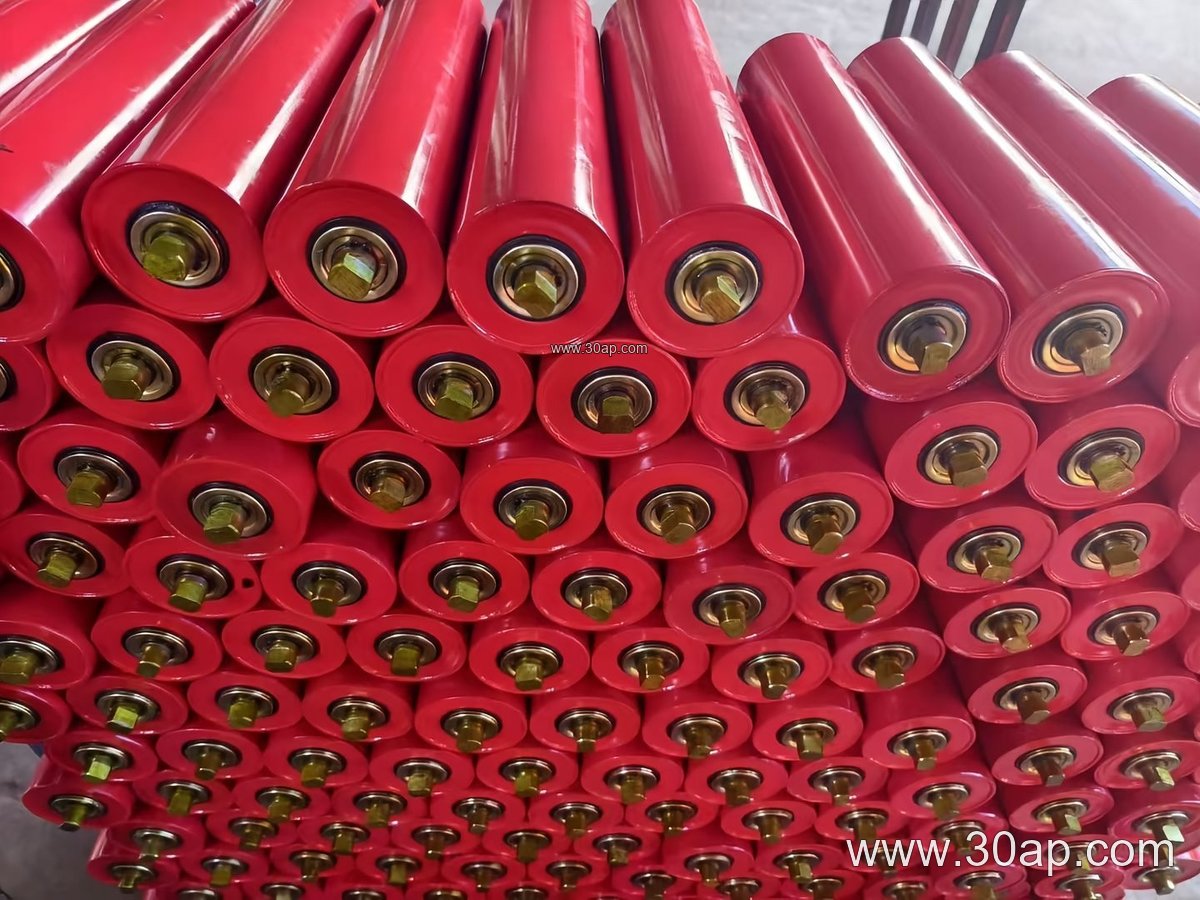
The anti-sticking idler is most valuable in applications where the conveyed material is prone to sticking. This includes:
- Coal mining and washing plants: wet coal fines and slurry can coat standard idlers, leading to belt tracking issues.
- Quarries and aggregate lines: clay-rich or damp sand and gravel can adhere to rollers, especially after rain.
- Cement plants: limestone and cement dust mixed with moisture creates a sticky paste.
- Power plant coal handling: coal with high moisture content can build up on return-side idlers.
- Fertilizer and chemical plants: hygroscopic materials can cake onto roller surfaces.
In these environments, an anti-sticking idler is often used on the return side or in transfer points where buildup is most likely. It can be paired with a skirted conveyor belt or a corrugated sidewall conveyor belt to contain material and reduce spillage. For abrasive and heavy-duty mining conveyor belt systems, a spiral anti-sticking idler on the return run helps keep the belt clean and extends the life of the idler roller and the belt itself.
Selection and Maintenance Tips for Buyers
When specifying an anti-sticking idler, consider the material characteristics first. Is the carryback wet, sticky, or abrasive? Does it contain large lumps or fine powders? The answers will guide whether a spiral, disc, or coated roller surface is most suitable. Next, match the idler diameter and bearing to the belt width and load. A B650 belt with a 30-degree trough might use Ø89 or Ø102 idlers with 6204 or 6205 bearings, while a B1400 belt in a primary crusher application may require Ø133 or Ø159 idlers with 6308 or 6310 bearings. Always confirm the roller length and shaft diameter with the conveyor manufacturer, as these are not determined by belt width alone.
Installation location matters as well. Anti-sticking idlers are often placed on the return strand just after the head pulley, where carryback is heaviest. In a coal mining conveyor belt system, a V-type return idler with a self-cleaning profile can be effective. For impact zones, a rubber-disc buffer idler may be used instead, but its purpose is impact absorption, not anti-sticking. Keep in mind that drive pulleys, tail pulleys, and bend pulleys serve different functions and are not interchangeable with idlers.
Maintenance is straightforward: inspect the roller surface periodically for wear or material buildup, check bearing seals for damage, and ensure the idler rotates freely. A worn or seized anti-sticking idler can damage the conveyor belt and cause downtime. Replacing a standard idler with an anti-sticking type in problem areas is often a low-cost improvement that pays back through reduced cleaning and longer belt life.
Typical Reference Data for Anti-Sticking Idlers
The following table provides common reference values. These are examples only and should not be treated as universal specifications or company supply promises.
| Parameter | Common Reference Range or Example |
|---|---|
| Roller diameter | Ø63, Ø76, Ø89, Ø102, Ø108, Ø127, Ø133, Ø159, Ø178, Ø194, Ø219 |
| Belt width | B400, B500, B650, B800, B1000, B1200, B1400, B1600, B1800, B2000 |
| Trough angle | 20°, 30°, 35°, 45° |
| Bearing size | 6204, 6205, 6305, 6306, 6308, 6310 |
| Roller surface | Steel tube, nylon, ceramic, rubber ring, spiral profile |
| Idler arrangement | Single roll, two-roll, three-roll troughing |
For a B1000 belt with a 35-degree trough, a three-roll anti-sticking idler set might use a center roll of about 380 mm and side rolls of a similar or slightly shorter length, depending on the design. Again, these are illustrative and not a fixed match. The key is to select the anti-sticking idler that fits your conveyor’s specific geometry and material conditions.
Whether you are upgrading a coal mining conveyor belt, a quarry conveyor belt, or a cement plant conveyor belt, an anti-sticking idler can help reduce buildup, improve tracking, and lower maintenance costs. Consult your conveyor component supplier with details of your belt width, material, and operating conditions to choose the right anti-sticking idler for the job.