What a Belt Conveyor Take-Up Pulley Does
A belt conveyor take-up pulley is the rotating component that maintains proper tension on the conveyor belt. Often called a tension pulley or take-up drum, it is installed in the take-up section of the conveyor, usually near the tail but sometimes in other positions depending on the design. Its main job is to compensate for belt stretch and to ensure sufficient wrap on the drive pulley, preventing slippage and keeping the belt tracking correctly. Without adequate tension, even a high-quality EP Conveyor Belt or Steel Cord Conveyor Belt can misalign or slip, leading to downtime.
This pulley is not a drive pulley, tail pulley, or bend pulley; each has a distinct role in the conveyor system. The take-up pulley may be part of a gravity take-up, a screw take-up, or a hydraulic take-up system. In mining, coal preparation plants, cement works, and power stations, it is a small but critical part of the material handling chain.
Construction and Key Components
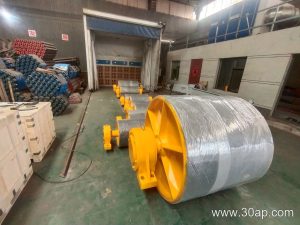
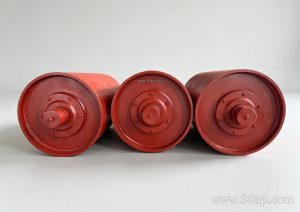
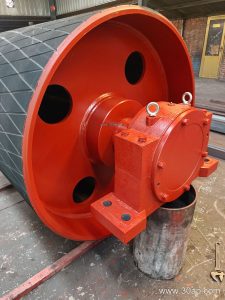
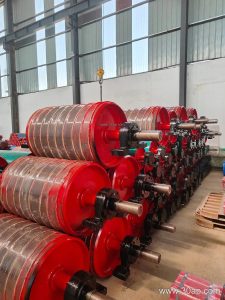
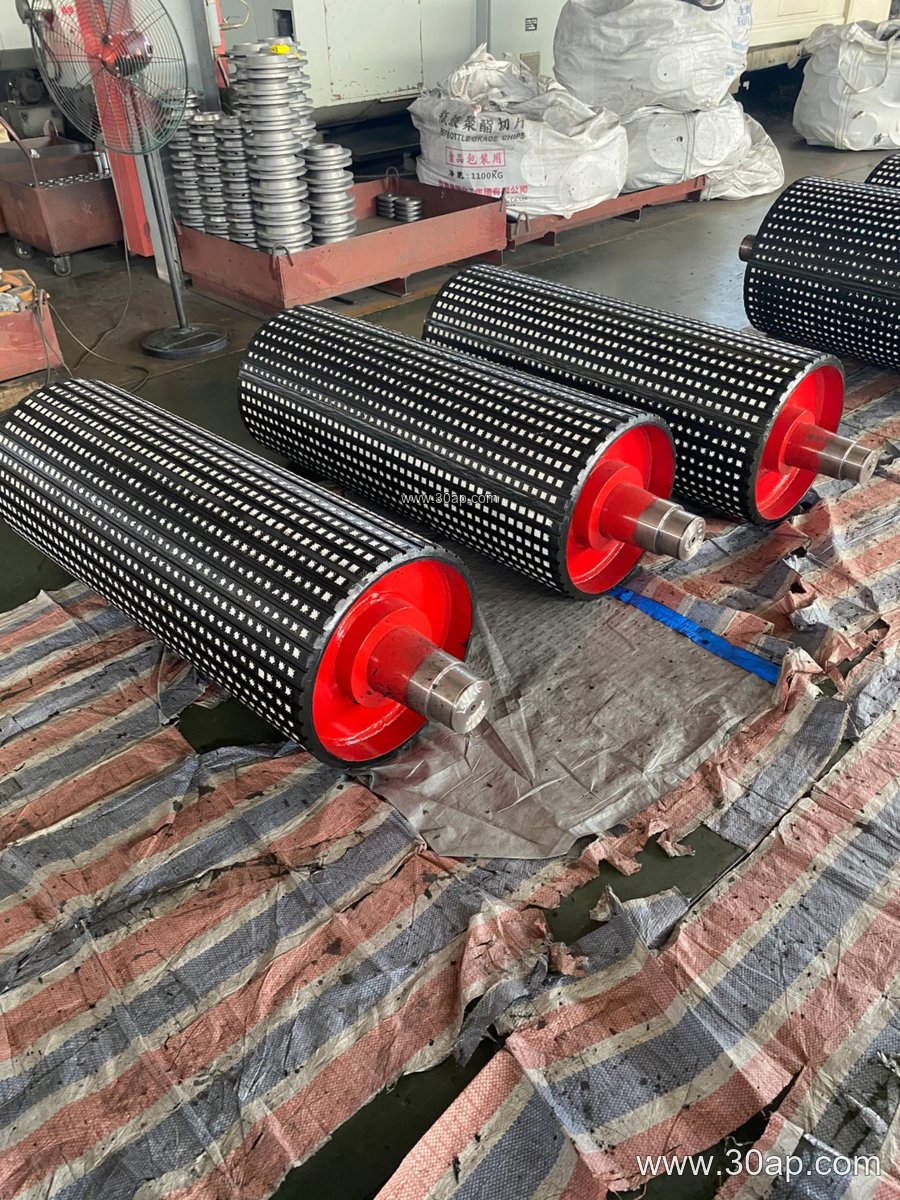
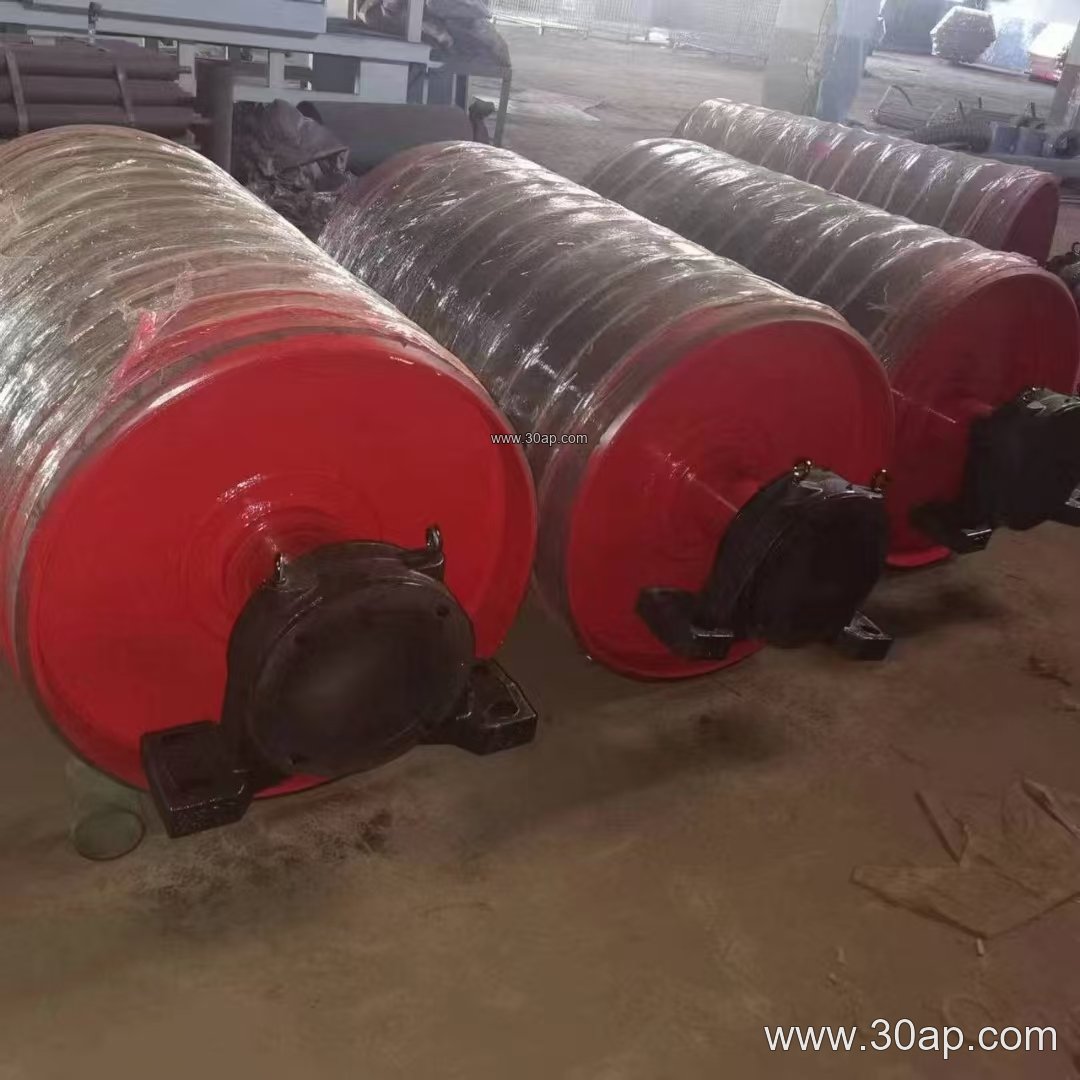
A typical take-up pulley consists of a cylindrical shell, end discs, a shaft, and bearing housings. The shell is usually made from seamless steel tube or rolled plate, machined for balance. Shafts are sized according to torque and load, with common diameters ranging from Ø50 to Ø200 mm. Bearings are selected to handle radial loads and are often mounted in pillow blocks or flanged housings that connect to the take-up frame or slide rails.
Surface options include plain, rubber lagged, or ceramic lagged. Lagging helps improve friction and protect the shell, but for a take-up pulley, plain or lightly lagged surfaces are often sufficient because the primary requirement is tension, not high traction. Common lagging thicknesses are 8, 10, 12, 15, and 20 mm. The pulley face width is usually slightly wider than the belt; for example, a B800 belt might use a pulley face of about 950 mm, while a B1200 belt could use around 1400 mm. These are typical references, not fixed rules.
Where It Is Used
Take-up pulleys are found in a wide range of bulk handling operations. In a quarry or aggregate plant, they help keep a Quarry Conveyor Belt tight through varying loads. In coal mining, both surface and underground systems rely on them to maintain tension on Flame Retardant Conveyor Belt and PVG Conveyor Belt grades. Cement plants use them on clinker and raw material conveyors, while power plants depend on them for coal feeding lines. Port bulk terminals and ship loading facilities also use take-up pulleys to ensure stable operation of long overland conveyors.
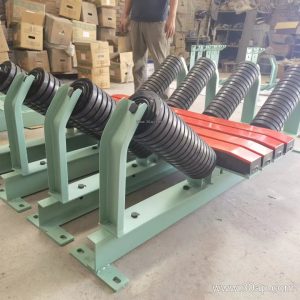
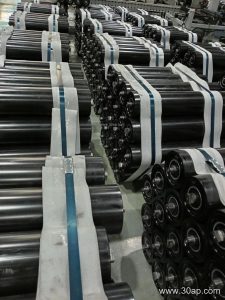
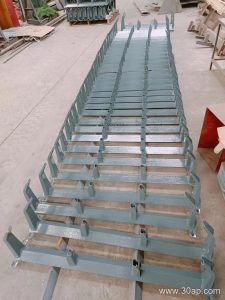
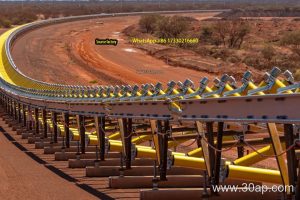
Because the take-up pulley works together with the conveyor belt, idler rollers, and conveyor brackets, correct alignment and maintenance of the entire system are essential. A misaligned take-up pulley can cause edge damage to a Heat Resistant Conveyor Belt or accelerate wear on a Multi-Ply Fabric Core Conveyor Belt.
Typical Dimensions and Configurations
Take-up pulleys are available in a range of diameters and face widths to match conveyor design. The table below shows common combinations, but final selection should always be based on engineering calculations.
| Belt Width (mm) | Typical Pulley Face (mm) | Common Diameter Range (mm) | Typical Shaft Diameter (mm) |
|---|---|---|---|
| B500 | 600 | Ø200–Ø315 | Ø50–Ø70 |
| B650 | 750 | Ø250–Ø400 | Ø60–Ø80 |
| B800 | 950 | Ø315–Ø500 | Ø70–Ø90 |
| B1000 | 1150 | Ø400–Ø630 | Ø80–Ø100 |
| B1200 | 1400 | Ø500–Ø800 | Ø90–Ø120 |
| B1400 | 1600 | Ø630–Ø1000 | Ø100–Ø140 |
| B1600 | 1800 | Ø800–Ø1250 | Ø120–Ø160 |
| B1800 | 2000 | Ø1000–Ø1400 | Ø140–Ø180 |
Note that a given belt width can be paired with different pulley diameters depending on the required tension, belt type, and space constraints. For instance, a B1200 conveyor might use a Ø1000 take-up pulley in one installation and a Ø800 in another. Shaft diameter is determined by torque and load, not by belt width alone.
Selection and Maintenance Tips
When selecting a take-up pulley, consider the belt type and its elongation characteristics. A Steel Cord Conveyor Belt generally requires less take-up travel than a fabric belt, but the pulley must handle higher tension. For abrasive materials, such as in a Copper Ore Conveyor Belt application, choose a pulley with adequate lagging or a wear-resistant shell. Ensure the take-up frame allows sufficient travel and that the pulley is easily accessible for inspection.
Regular maintenance includes checking bearing condition, verifying pulley alignment, and inspecting the shell and lagging for wear. Keep the take-up system clean and free from material buildup. In coal mining or other hazardous areas, use Fire Resistant Conveyor Belt and ensure the take-up pulley is properly grounded to avoid static buildup.
For more information on conveyor components, visit www.example.com/conveyor-pulley and www.example.com/belt-conveyor-take-up-pulley. Always consult the conveyor design manual and a qualified engineer for final specifications.