What a 500mm Conveyor Belt Is
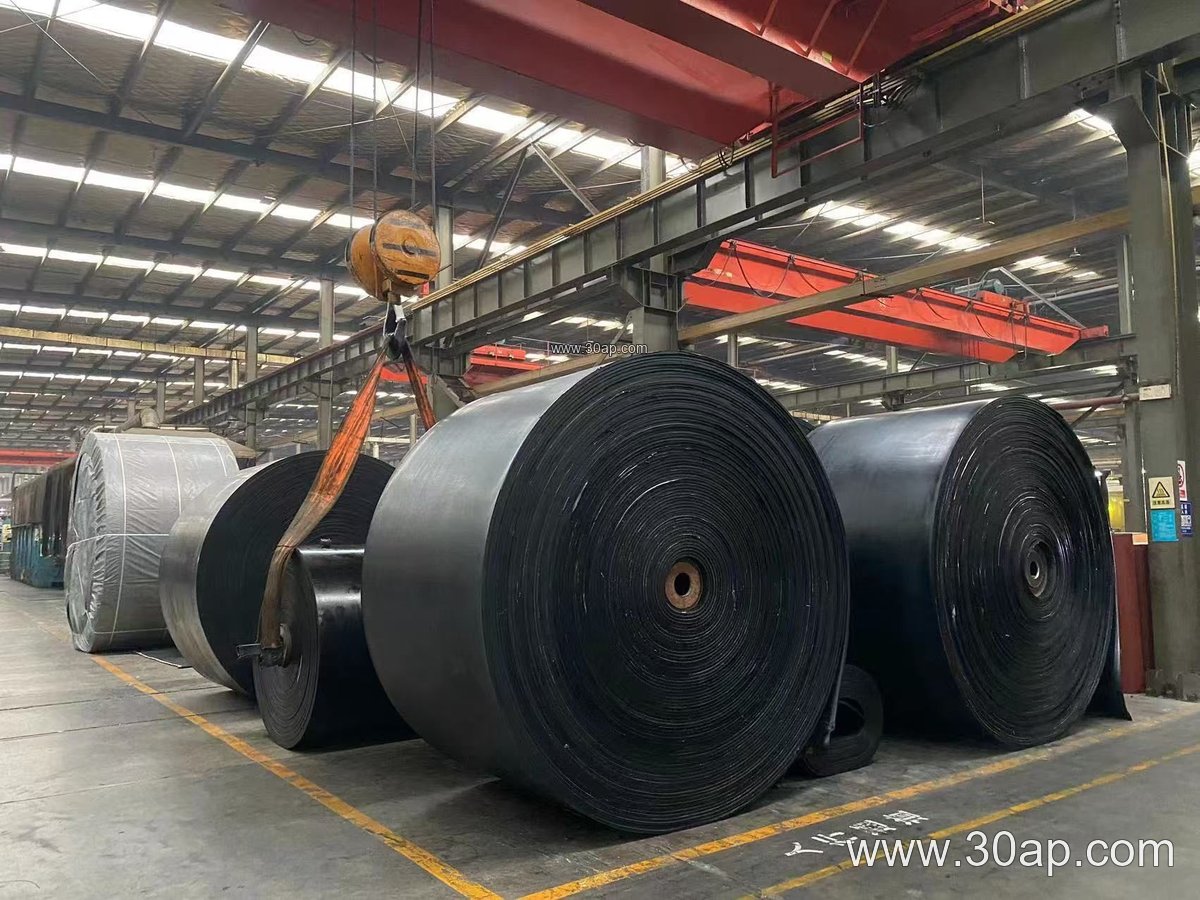
A 500mm conveyor belt is a narrow-width belt, usually designated B500 in specification sheets. It is the belt component of a small or medium conveyor frame, and it is often found where space is limited or where the material stream is modest. In a cement plant, a quarry, a coal preparation building, or a sand and gravel yard, this width can handle a steady flow of bulk material without demanding the footprint of a wider line. The belt itself is only one part of the assembly; conveyor pulleys, idler rollers, and conveyor brackets set the path and support the load, and they must be matched to the belt width and tension.
Construction and Common Belt Types
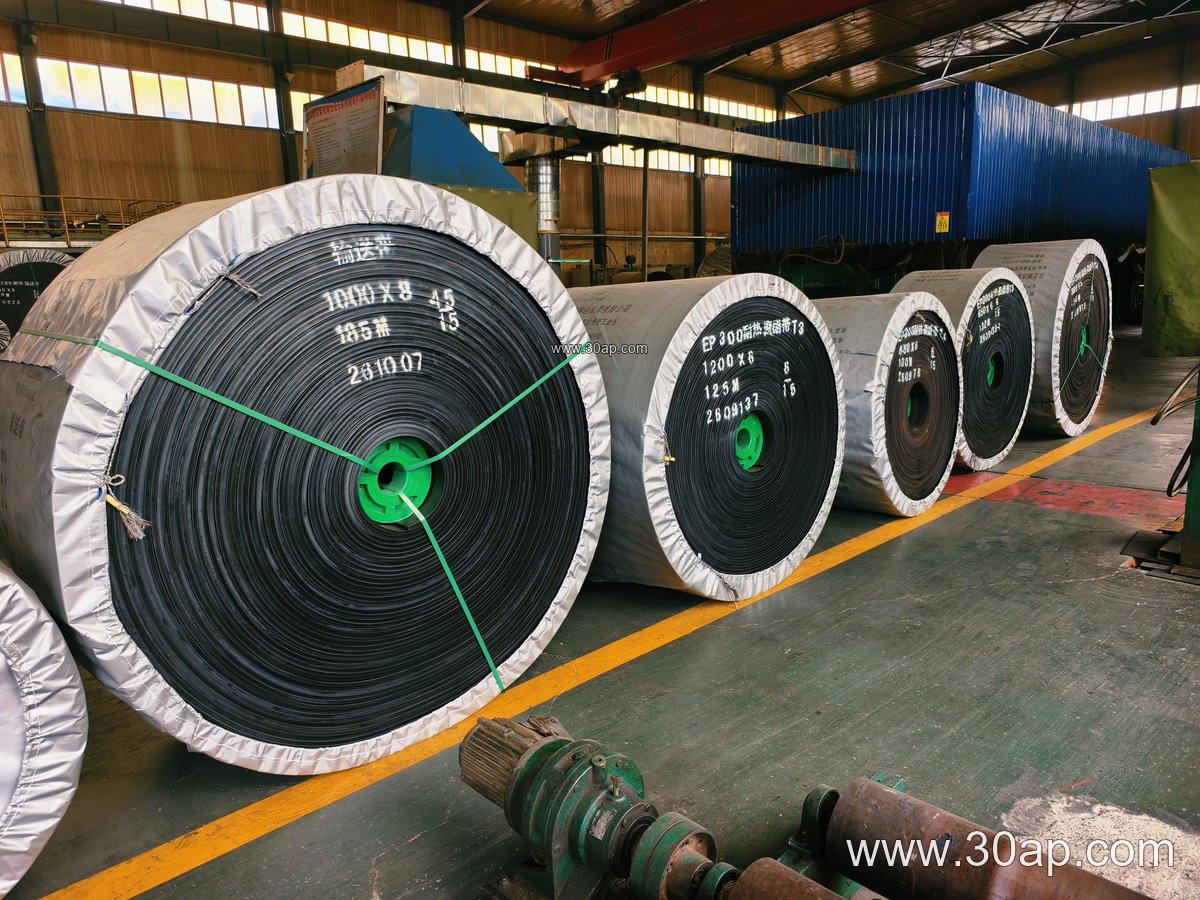
The 500mm belt is built around a carcass and a rubber cover. Fabric-core designs are common at this width, since the load per meter is generally moderate. An EP conveyor belt uses polyester warp and nylon weft, while an NN conveyor belt uses nylon in both directions. Multi-ply fabric core construction is typical, and the cover grade is chosen for the duty. In mining and coal handling, a flame retardant conveyor belt or fire resistant conveyor belt may be required by the site. For hot clinker or cement dust, a heat resistant conveyor belt is often specified. Abrasion resistant conveyor belt grades suit sharp stone and ore, and an oil resistant conveyor belt is used where lubricants or oily material are present.
| Item | Typical reference values |
|---|---|
| Belt width | 500 mm (B500) |
| Carcass type | EP, NN, multi-ply fabric core |
| Strength grades | EP200, EP315, EP400, EP500, EP630 |
| Cover thickness | 3+1.5 mm, 4+2 mm, 5+2 mm |
| Ply count | 2 to 4 layers, by design |
These figures are reference data. Actual construction is set by the conveyor design, the material, and the manufacturer.
Where the 500mm Width Fits
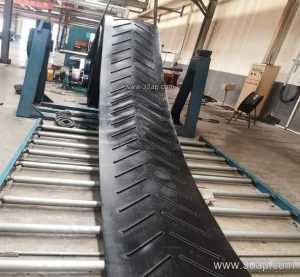
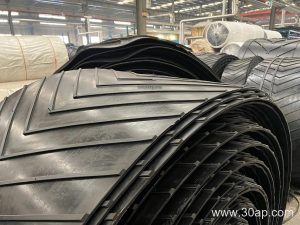
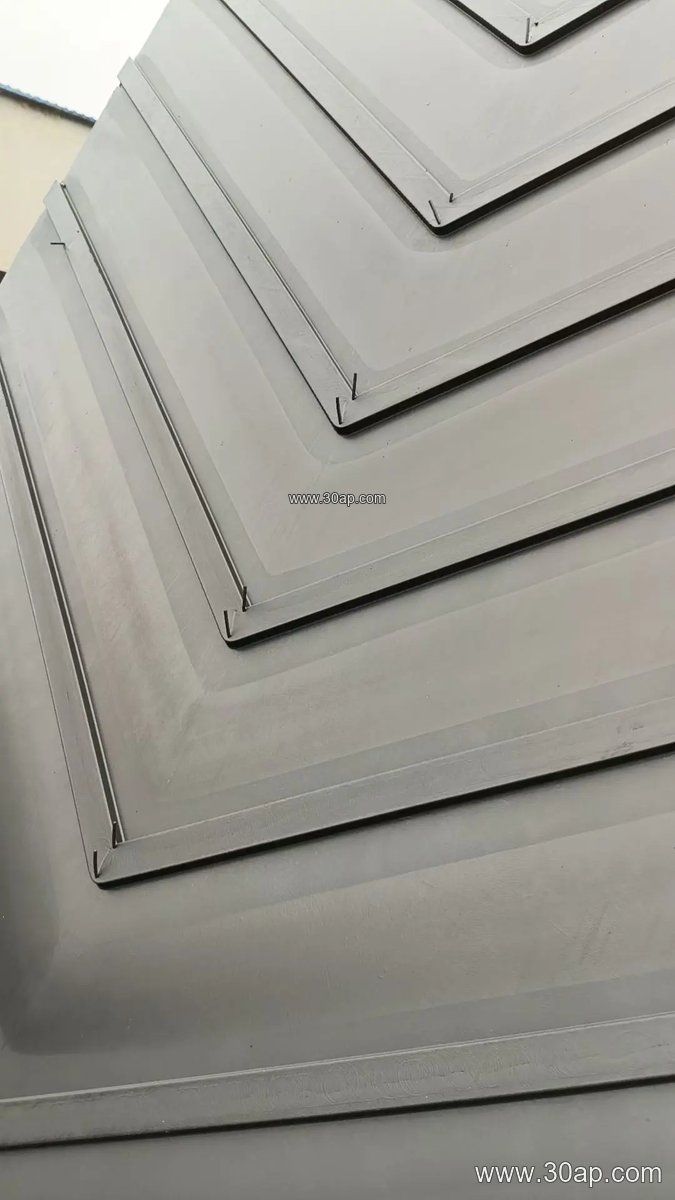
This width is practical on short transfer conveyors, screening feed lines, batching plants, and small crushing circuits. It appears in stone crushing plants, aggregate yards, recycling lines, and light-duty port or ship loading transfers. A 500mm belt can also serve as a picking belt or a return line in a larger plant. It is not a substitute for a 650mm or 800mm belt on a high-tonnage main haul; the wider belts carry more material per meter and usually run with heavier pulleys and rollers. Where a steep incline is needed, a chevron conveyor belt or a corrugated sidewall belt can be considered, but the 500mm width remains the base dimension.
Pulleys, Rollers, and Frame Parts
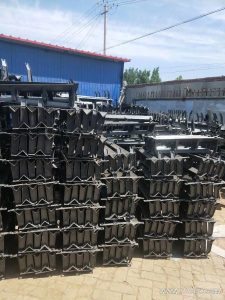
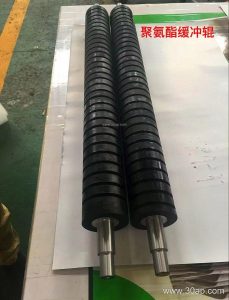
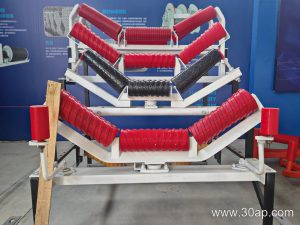
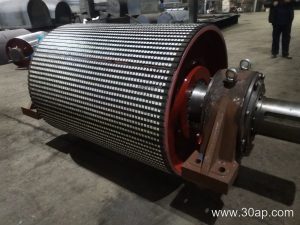
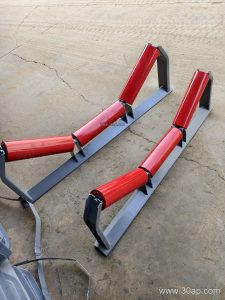
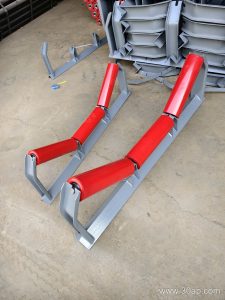
The drive pulley, tail pulley, and bend pulley each do a different job and are not interchangeable. The drive pulley transmits torque, the tail pulley returns the belt, and a bend pulley changes direction along the route. A 500mm belt may run on a drive pulley of one diameter and a tail pulley of another, and the correct diameter depends on belt tension, ply count, and wrap angle, not on width alone. Idler rollers should match the trough angle and the belt load; a fixed shaft diameter cannot be assumed from the 500 mm figure. Conveyor brackets hold the idlers and pulleys in alignment, and poor alignment is a common cause of edge wear on narrow belts.
Buyer Checklist
- Confirm the material: coal, clinker, ore, sand, or recycled waste.
- State the duty: abrasion, heat, oil, flame, or cold resistance.
- Give the center distance and incline so the belt can be specified correctly.
- Check pulley diameters and idler spacing against the belt tension.
- Ask for the cover thickness and ply count in writing.
- For underground coal mining conveyor belt duty, confirm flame retardant and anti-static properties.
A 500mm conveyor belt is a focused solution for narrow, moderate-duty conveying. Matching the belt grade to the site conditions, and matching the pulleys and rollers to the belt, keeps the line running with fewer stoppages.