What Is a Vertical Idler Bracket?
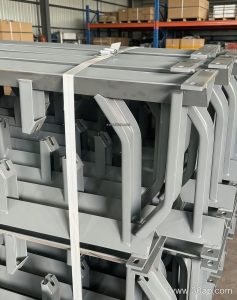
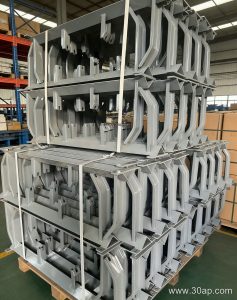
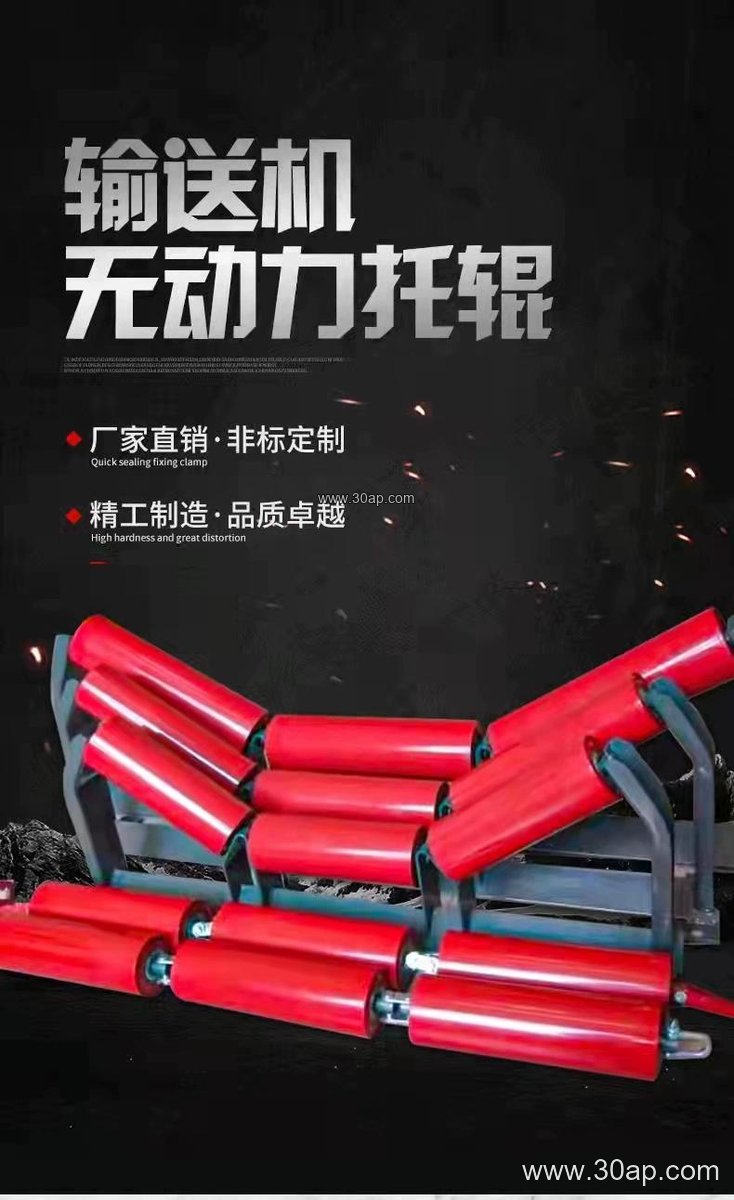
A vertical idler bracket is a specialized mounting component used to support idler rollers in a vertical orientation on a conveyor system. Unlike conventional troughing or return brackets that hold rollers at an angle or flat, this bracket positions the idler roller perpendicular to the belt line, typically for specific belt training or support functions. It is often employed in space-constrained areas or where a vertical roller arrangement helps guide the conveyor belt along a curved path or through a transition zone.
In industries such as mining, coal preparation, cement plants, and power plant coal handling, vertical idler brackets contribute to reliable belt tracking and reduce the risk of belt edge damage. They are frequently paired with a durable conveyor bracket system that integrates with the main frame. Whether you operate a quarry conveyor belt or an underground mining conveyor belt, understanding this component helps in maintaining smooth material flow.
Construction and Key Features
Vertical idler brackets are typically fabricated from angle steel, channel steel, or bent steel plate for strength and rigidity. The design must withstand the dynamic loads imposed by the conveyor belt and material weight, especially in heavy-duty mining conveyor belt applications. Common features include:
- Robust welded or bolted construction for long service life.
- Precision mounting holes to ensure proper roller alignment.
- Corrosion-resistant finishes suitable for dusty or humid environments.
- Compatibility with standard idler roller shaft diameters.
The bracket may be fixed or adjustable, depending on the need to fine-tune roller position. Adjustable versions allow slight changes in angle or height, which can be useful when dealing with belt sag or transition zones. For example, in a cement plant conveyor belt system, an adjustable vertical bracket can help accommodate thermal expansion or minor misalignment.
Where It Fits in a Conveyor System
Vertical idler brackets are often found at transition points between horizontal and inclined sections, or where the belt changes direction. They are also used in vertical curves to keep the belt in contact with the idler roller without excessive edge stress. In a typical conveyor bracket assembly, these brackets are bolted to the main frame stringers and support the idler roller shaft at both ends.
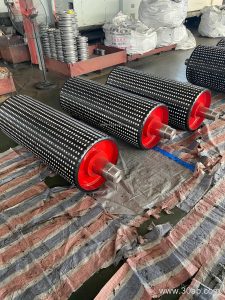
In coal mining conveyor belt operations, vertical brackets may be used in combination with self-aligning idler sets to correct belt wander. Similarly, in a port conveyor belt handling bulk material conveyor belt loads, they help maintain belt stability during high-speed transport. Note that drive pulleys, tail pulleys, and bend pulleys serve different functions and are not interchangeable with vertical idler brackets; each plays a distinct role in the conveyor drive and tensioning system.
Selection and Sizing Considerations
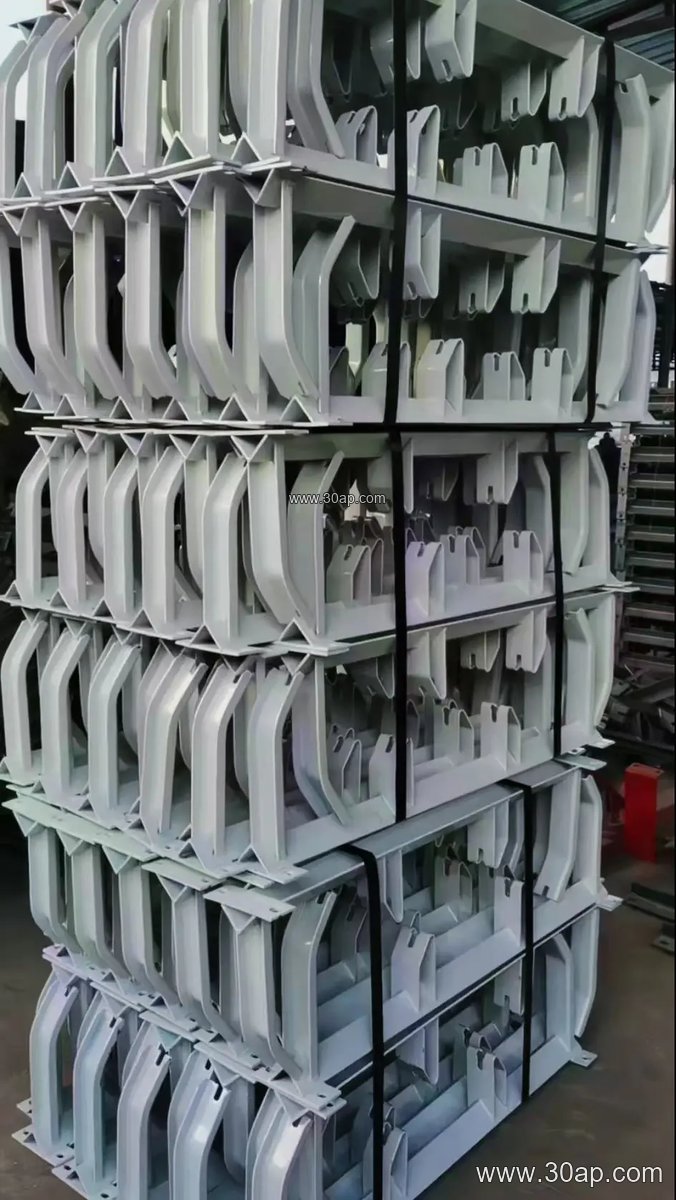
Choosing the right vertical idler bracket involves matching it to the conveyor belt width, idler roller diameter, and required load capacity. While no single size fits all, common reference data can guide initial selection. The table below shows typical combinations used in industry; these are examples only and final specifications should be confirmed with the conveyor designer.
| Belt Width (B) | Idler Roller Diameter | Typical Application |
|---|---|---|
| B500 | Ø89 | Light-duty aggregate conveyor belt |
| B650 | Ø89 | Sand and gravel lines |
| B800 | Ø108 | General bulk material handling |
| B1000 | Ø108 or Ø133 | Coal mining conveyor belt |
| B1200 | Ø133 | Cement plant and power plant |
| B1400 | Ø159 | Heavy-duty mining conveyor belt |
| B1600 | Ø159 or Ø194 | Iron ore and copper ore transport |
| B1800 | Ø194 | Large port conveyor systems |
Other factors include the troughing angle of adjacent idlers (commonly 20°, 30°, 35°, or 45°), the belt speed, and the material being conveyed. For abrasive materials like iron ore, consider using abrasion resistant conveyor belt in conjunction with properly sized brackets to reduce wear. In cold climates, a cold resistant conveyor belt may be necessary, and the bracket material should also be suitable for low temperatures.
Installation and Maintenance Tips
Proper installation ensures the vertical idler bracket performs as intended. Align the bracket with the conveyor centerline and tighten bolts to the recommended torque. Check that the idler roller rotates freely and that the belt contacts the roller evenly. During routine maintenance, inspect for loose bolts, bent brackets, or worn roller shafts. In dusty environments such as a limestone quarry or a fertilizer plant, clean accumulated material from the bracket to prevent imbalance.
When replacing a bracket, verify that the new unit matches the existing mounting hole pattern and roller diameter. If upgrading to a heavier conveyor belt, such as a steel cord conveyor belt or a high strength conveyor belt, re-evaluate the bracket load capacity. Always refer to the conveyor manufacturer’s guidelines for specific torque values and inspection intervals.
Buyer’s Checklist
Before purchasing vertical idler brackets, gather the following information: belt width, idler roller diameter, mounting hole spacing, bracket material, and any environmental factors (e.g., corrosion, temperature). Confirm whether a fixed or adjustable bracket is needed. For food grade conveyor belt applications, consider stainless steel or coated brackets to meet hygiene standards. Request dimensional drawings if available, and ensure the supplier can provide material certificates if required for your project. Remember that vertical idler brackets are just one part of a complete conveyor bracket system; compatibility with other components such as troughing brackets and return brackets is essential for optimal performance.