What a Heavy-Duty Mining Conveyor Belt Is
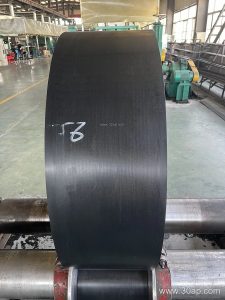
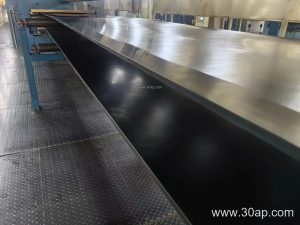
A heavy-duty mining conveyor belt is a high-strength, thick-covered rubber belt engineered to move crushed rock, ore, coal and other bulk materials over long distances in mines, quarries and processing plants. In practice, buyers often call it a Mining Conveyor Belt or a Heavy-Duty Conveyor Belt, but the meaning is the same: a belt built to survive sharp edges, heavy lumps, shock loading and continuous operation. Unlike a light general-purpose belt, this class of belt combines a strong tension-bearing carcass with a thick, abrasion-resistant rubber cover.
How the Belt Is Constructed
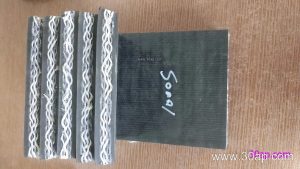
The carcass carries the load and transmits drive force. Common options include EP Conveyor Belt constructions (polyester warp, nylon weft), NN Conveyor Belt (all-nylon) and Steel Cord Conveyor Belt for very high tension and long haulage. A Multi-Ply Fabric Core Conveyor Belt is typical for medium to heavy duty work, while steel cord belts suit main trunk conveyors where stretch must stay low.
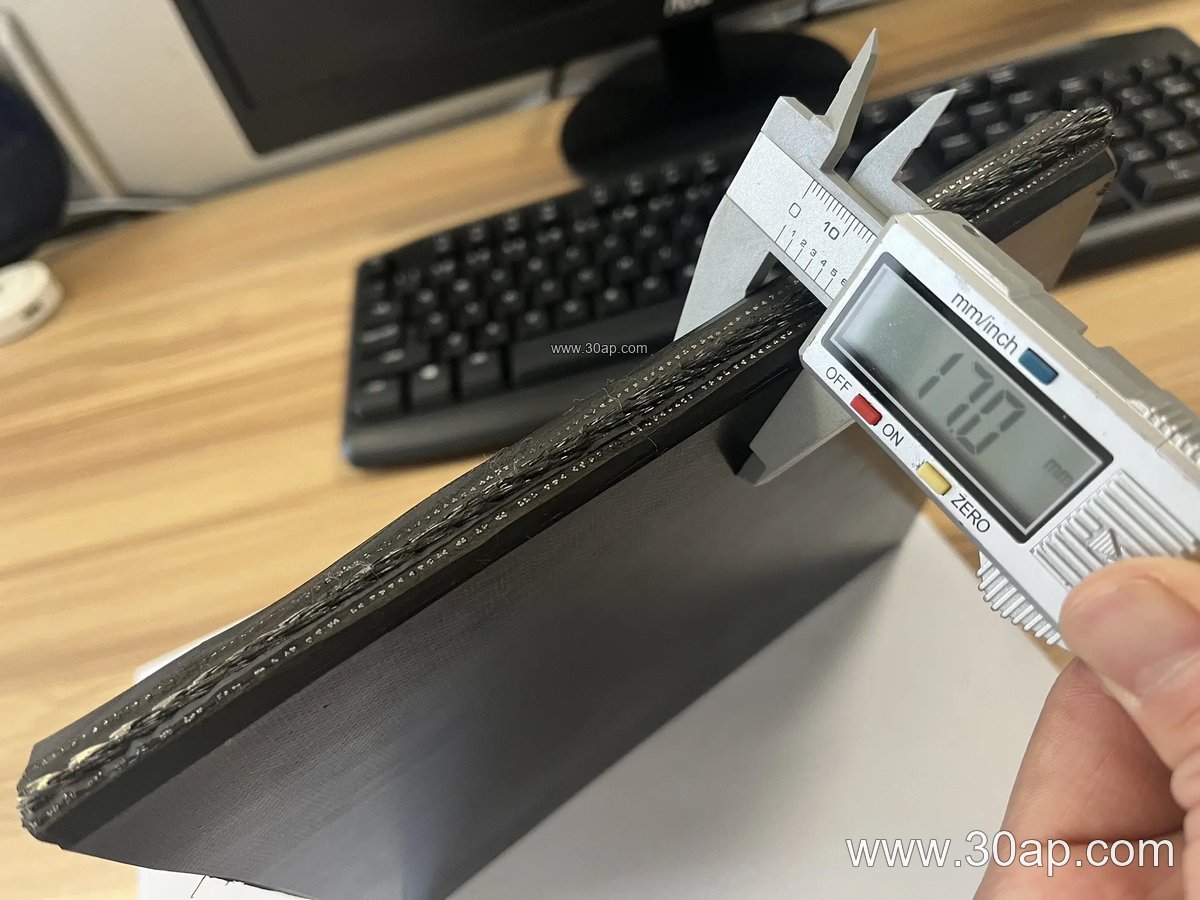
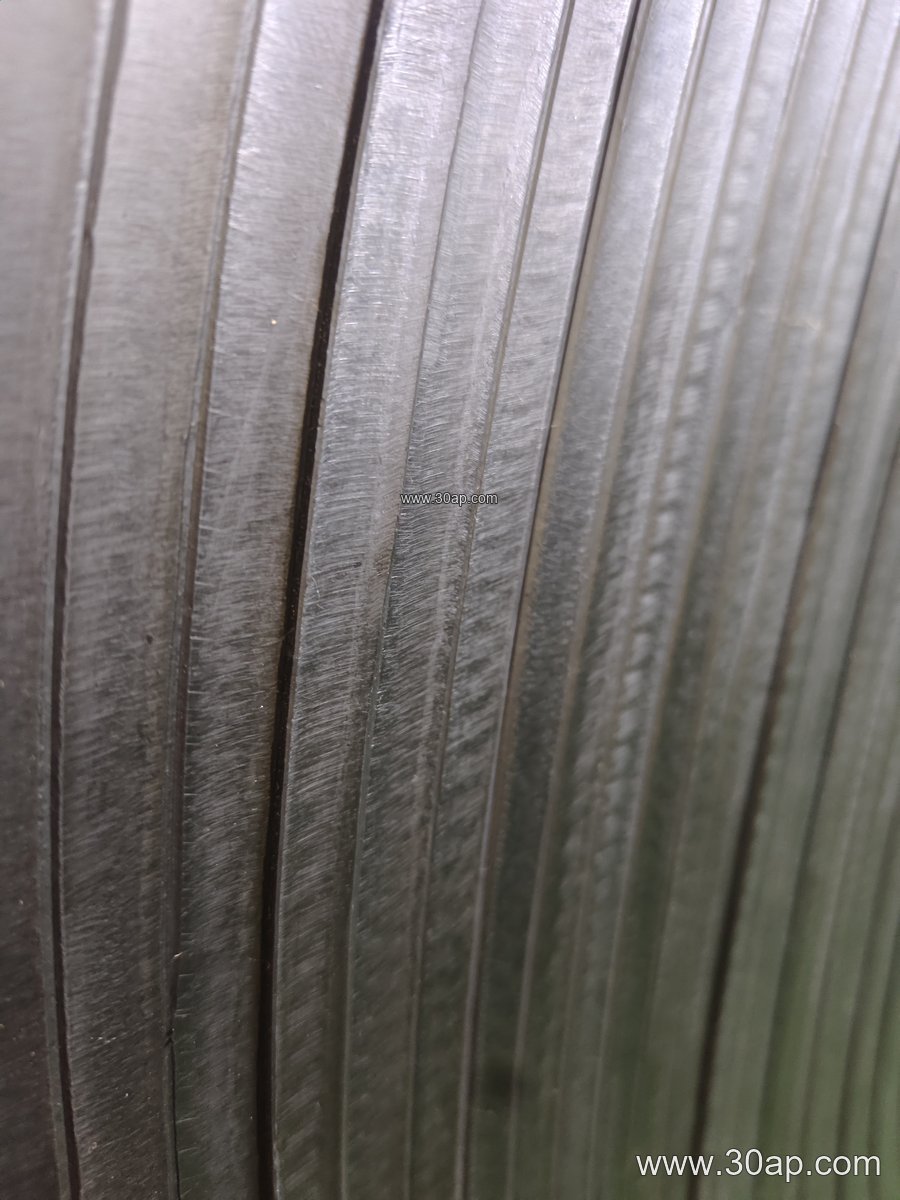
Cover rubber is where the mining duty is really decided. An Abrasion Resistant Conveyor Belt with a thick top cover resists cutting and gouging from sharp ore. A High Abrasion Resistant Conveyor Belt is often selected at transfer points and crusher discharge. For coal, a Flame Retardant Conveyor Belt or Fire Resistant Conveyor Belt is commonly specified, and an Anti-Static Conveyor Belt helps control static in dusty underground workings.
Typical Cover and Carcass References
The values below are common reference ranges, not fixed supply promises. Actual construction is confirmed per design and per manufacturer.
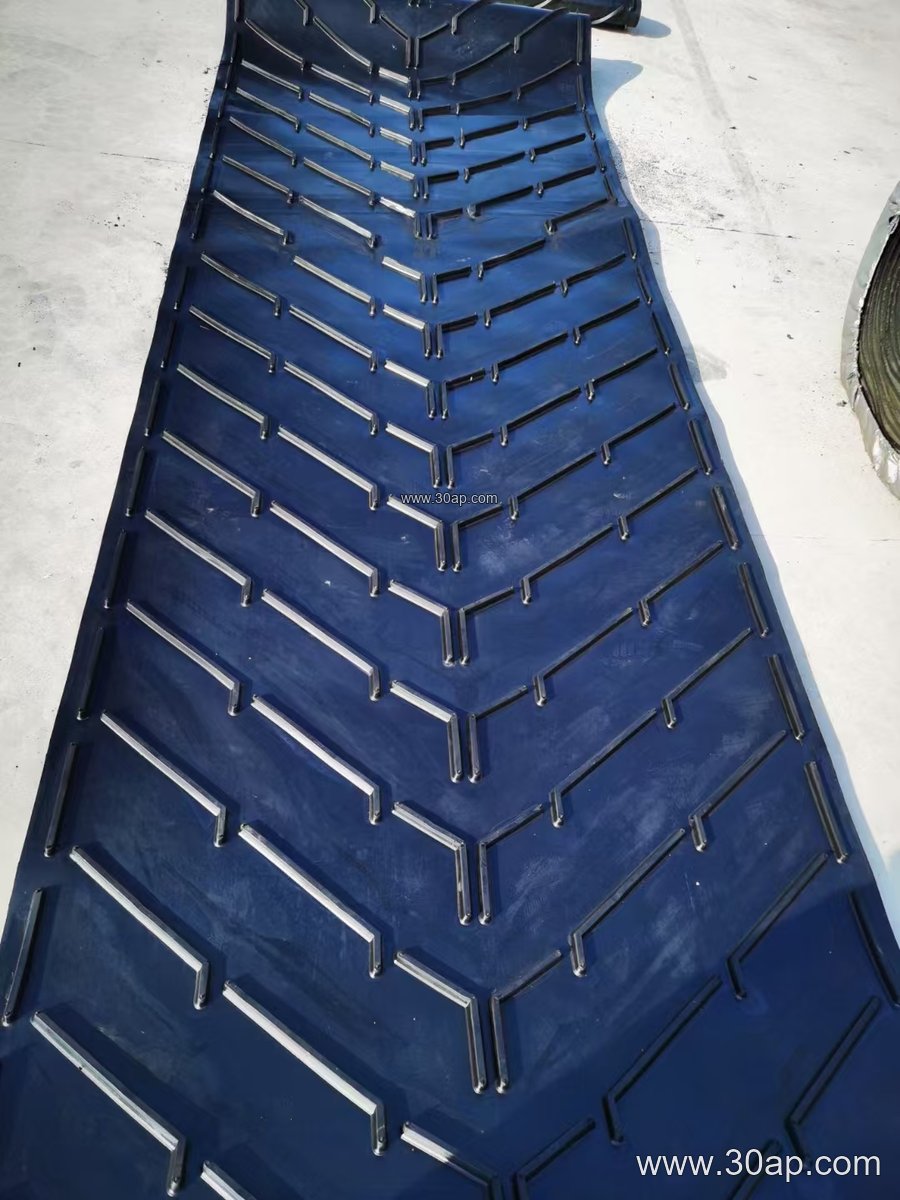
- Top and bottom cover combinations often seen: 3+1.5 mm, 4+2 mm, 5+2 mm, 6+2 mm, 8+3 mm
- Fabric plies: usually 2 to 6 layers depending on tension
- Fabric strengths: EP200, EP315, EP400, EP500, EP630, EP800, EP1000, EP1250, EP1600, EP2000
- Steel cord grades: ST1000, ST1250, ST1600, ST2000, ST2500, ST3150
- Common widths: B500, B650, B800, B1000, B1200, B1400, B1600, B1800, B2000
Where It Works
You will find this belt class in coal mines and underground coal mining conveyors, iron ore and copper ore handling, gold mining plants, quarry and aggregate lines, cement plants, power plant coal yards, steel plants, ports and ship loading systems, and sand making or stone crushing circuits. A Crusher Conveyor Belt and a Rock Conveyor Belt face the harshest impact, so impact-resistant covers and closely spaced idler rollers are common there. In cement and power plants, a Heat Resistant Conveyor Belt may be needed near clinker or hot material, while an Oil Resistant Conveyor Belt suits oil-contaminated stone or recycled feed.
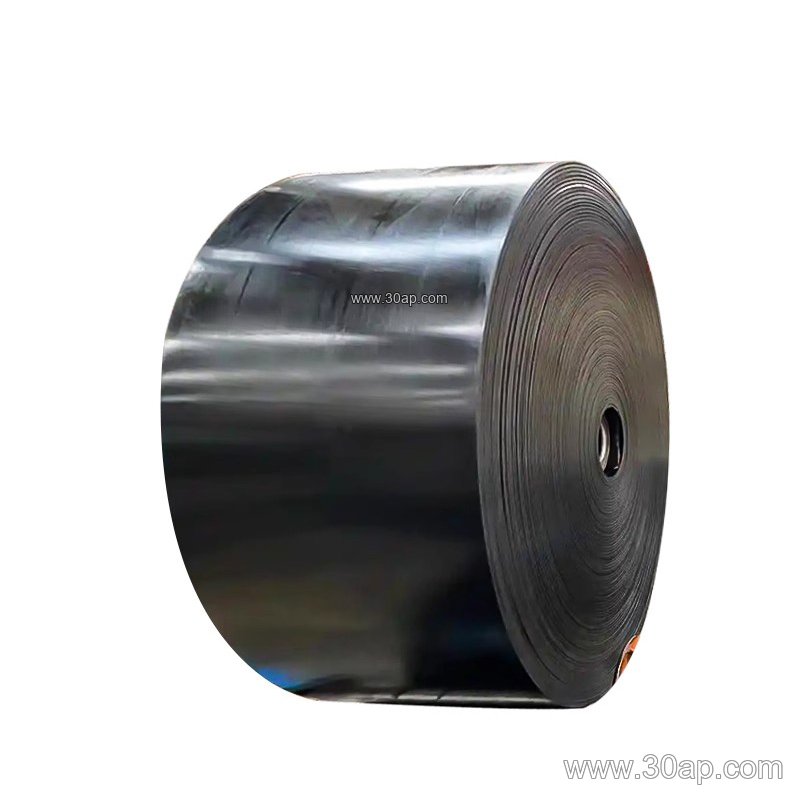
Layout matters too. A Chevron Conveyor Belt or Corrugated Sidewall Conveyor Belt helps on steep inclines; a Skirted Conveyor Belt contains material at loading points; a Pipe Conveyor Belt encloses the load for dusty or curved routes. These are alternatives for specific geometry, not replacements for the main heavy-duty belt on a straight main line.
What a Buyer Should Check
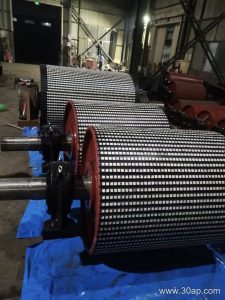
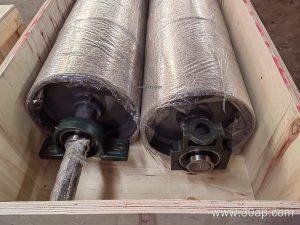
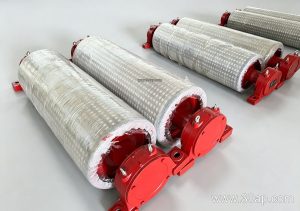
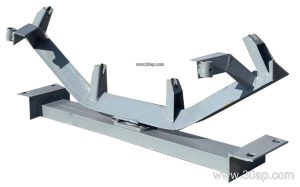
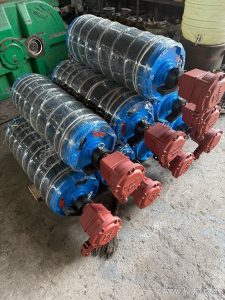
Start with the real duty: material size, lump weight, tonnage per hour, incline, and whether the belt runs underground. Then match carcass strength and cover thickness to that duty. Check that the conveyor pulley diameters suit the belt’s ply count and cord construction; belt width alone does not fix shaft size or pulley diameter, so confirm both with the conveyor designer. Confirm idler roller spacing at transfer points to limit impact damage, and check conveyor bracket condition so the belt trains correctly.
- Confirm cover grade for abrasion, heat, oil, flame or cold
- Confirm belt thickness and weight for the drive and take-up
- Confirm splice method: vulcanized endless splices are common for long main lines
- Confirm edge condition and whether sidewalls or cleats are required
- Confirm storage, so covers are not damaged before installation
For spare planning, keep the belt specification, pulley data and roller schedule together. A well-matched heavy-duty mining conveyor belt, paired with sound conveyor pulleys and idler rollers, is usually the difference between steady output and repeated downtime in abrasive mining duty.