What a Conveyor Leg Does
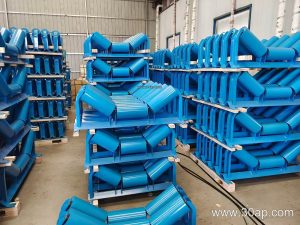
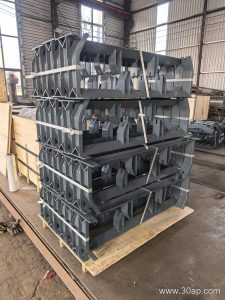
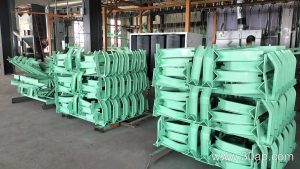
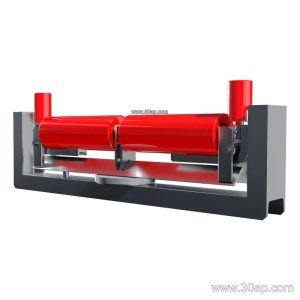
A conveyor leg is the vertical support element that carries the weight of the conveyor frame, idlers, and material load down to the ground or structure. In quarry, cement, and power plant applications, these legs are often paired with conveyor brackets to hold stringers and idler frames at the correct elevation. The leg is not just a post—it sets the geometry that keeps the belt tracking properly and prevents vibration from loosening joints.
Unlike a drive pulley or tail pulley, which transmit power and change belt direction, the conveyor leg is a static structural component. It must resist axial loads, lateral forces from belt misalignment, and occasional impact from material spillage. A well-designed leg system allows for minor height adjustment during installation, which is critical when mating to existing foundations or steel structures.
Construction and Materials
Most legs are fabricated from angle steel, channel steel, or folded steel plate. The choice depends on load and environment: channel sections offer good bending resistance for tall legs, while angle steel is common for lighter duty. Legs are typically bolted to the conveyor bracket or welded to embedded plates. For portability or modular systems, bolted connections with slotted holes allow field adjustment.
Surface treatment matters in harsh settings. In a coal mining conveyor system, legs may be galvanized or painted with epoxy to resist moisture and abrasive dust. In fertilizer or grain silo facilities, stainless or coated legs reduce corrosion risk. The leg’s base plate should be sized to distribute load and may include anchor bolt holes for fixing to concrete.
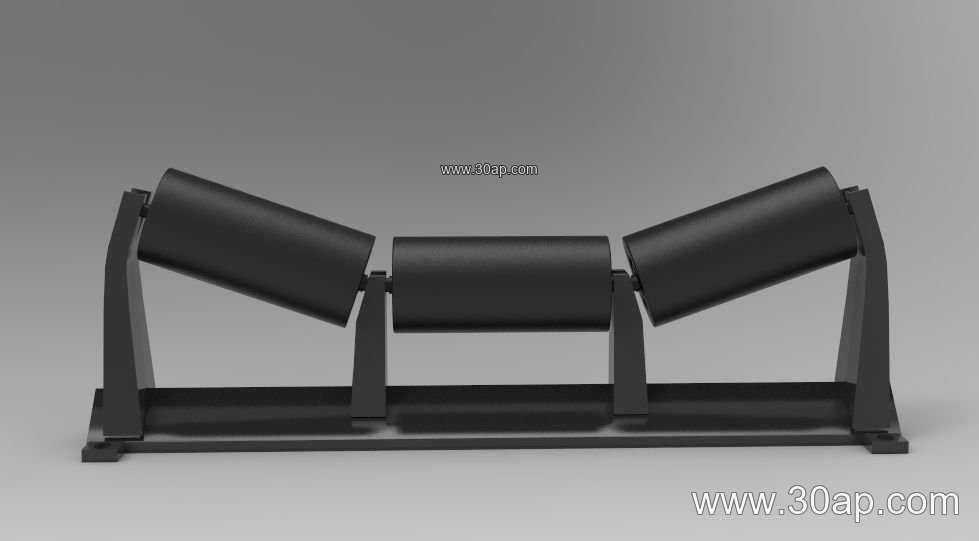
Where Conveyor Legs Are Used
You will find conveyor legs in almost any bulk handling line. In a limestone quarry, they support the incline section that carries rock from the crusher to the screening plant. In a power plant coal yard, legs hold the conveyor that feeds the boiler bunkers. In aggregate and sand making plants, legs are often adjustable to match stockpile heights. The same component appears in ship loading conveyors at ports, though there the legs may be part of a movable gantry structure.
When the conveyor route crosses a roadway or needs clear space below, taller legs with cross bracing are used. In underground mining, legs are shorter and often mounted to roof supports or floor beams. The leg design must always match the belt width and idler configuration—a B800 conveyor with 35-degree troughing idlers will have different leg spacing and bracket dimensions than a B1200 system with 45-degree troughs.
Key Selection Factors
Buyers should consider belt width, idler diameter, trough angle, and load capacity. Common belt widths include B500, B650, B800, B1000, B1200, B1400, and B1600. Idler diameters such as Ø89, Ø108, Ø133, and Ø159 are typical, and the leg height and bracket hole spacing must accommodate the chosen idler frame. Trough angles of 20, 30, 35, and 45 degrees affect the bracket geometry, so the leg must be ordered with the correct mounting pattern.
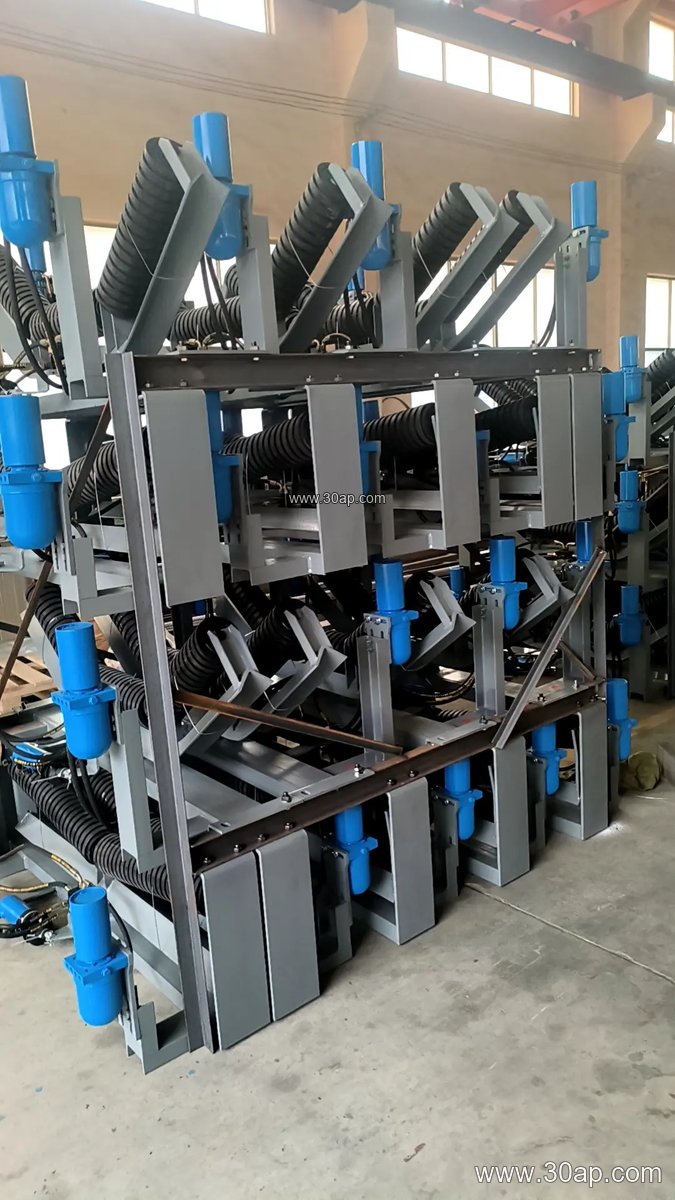
Adjustable legs are useful where foundation tolerances are uncertain or where the conveyor may be relocated. Fixed legs are simpler and often more rigid for permanent installations. For heavy-duty mining conveyor belts carrying iron ore or copper ore, legs may need additional bracing and thicker base plates. The table below shows common reference combinations—these are examples, not fixed rules.
| Belt Width | Trough Angle | Idler Diameter | Typical Leg Application |
|---|---|---|---|
| B650 | 30° | Ø89 | Light aggregate, sand |
| B800 | 35° | Ø108 | Quarry, cement plant |
| B1000 | 35° | Ø133 | Coal mining, power plant |
| B1200 | 45° | Ø133 | Iron ore, heavy duty |
| B1400 | 45° | Ø159 | Port, ship loading |
Note that a single belt width can work with different trough angles and idler diameters depending on the conveyor design. Do not assume one fixed shaft diameter from belt width alone; the leg and bracket must be matched to the actual idler frame drawing.
Installation and Maintenance Tips
Set legs on a level foundation or shim base plates before tightening anchor bolts. Check that the conveyor bracket sits square to the belt line; misalignment here causes belt edge wear and idler skew. For adjustable legs, lock the height setting with jam nuts after alignment. Periodic inspection should look for loose bolts, corrosion at the base, and bent legs from impact. In a coal mining conveyor or underground mining conveyor, flame retardant conveyor belts and anti-static conveyor belts are often used, and the leg system should not interfere with grounding or fire safety measures.
When replacing a leg, match the original hole spacing and load rating. If the conveyor carries a steel cord conveyor belt or a heavy-duty mining conveyor belt, the leg may need reinforcement. For abrasive materials like rock or ore, consider wear plates at the leg base where spillage accumulates.