What an ST2000 Conveyor Belt Is
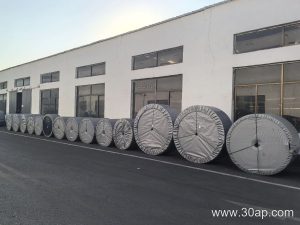
An ST2000 Conveyor Belt is a steel cord conveyor belt with a nominal tensile strength of 2000 N/mm. It belongs to the ST series, which runs from lower grades such as ST1000 and ST1250 up through ST1600, ST2500 and ST3150. The ST2000 grade sits in the heavy-duty part of that range, so it is usually chosen where a single long conveyor must carry large tonnages with high tension and limited stretch. You will see it described as an ST2000 steel cord belt or a 2000 N/mm steel cord belt; both refer to the same product.
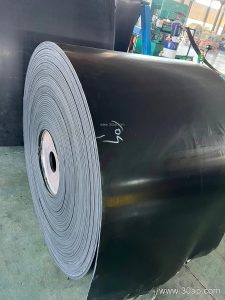
Steel cord construction is what separates this belt from fabric-cored alternatives. Instead of woven EP or NN plies, the carcass contains longitudinal steel cords embedded in rubber. That design gives very low elongation under load, good troughability on long spans, and the ability to handle high breaking strength in a relatively thin belt body. For a plant comparing options, an EP Conveyor Belt or a Multi-Ply Fabric Core Conveyor Belt may suit shorter runs, while the ST2000 is aimed at main haulage lines.
How the Belt Is Built
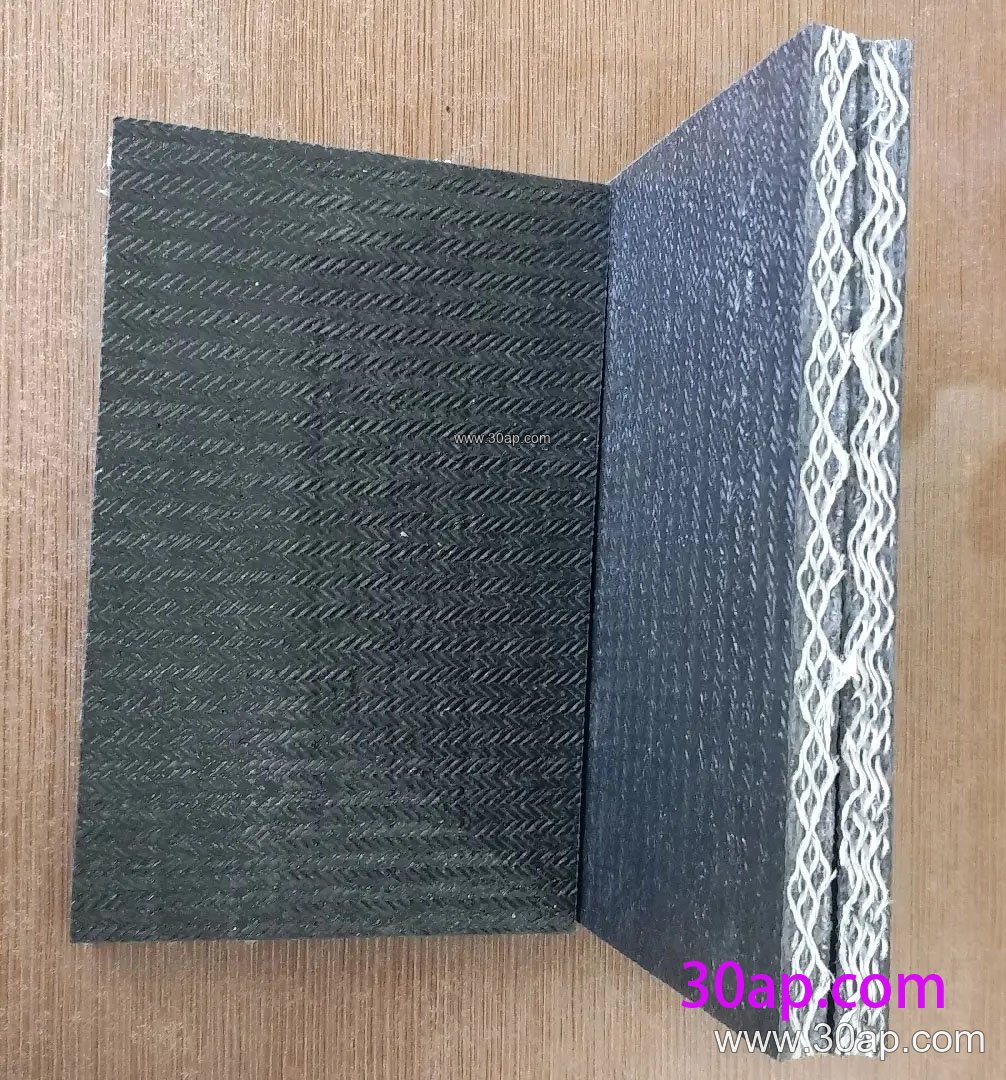
The carcass is the core of the product. Steel cords are arranged in parallel at a defined pitch, held together by core rubber, and protected on both faces by cover rubber. The top and bottom covers shield the cords from abrasion, impact, moisture and chemical attack, and their thickness is selected to match the duty.
- Carcass: steel cords in a rubber matrix, with cord pitch and strength grade set by the belt design.
- Top cover: often a high abrasion resistant compound for ore, rock and aggregate.
- Bottom cover: usually a thinner cover for pulley contact and return-side protection.
- Edges: cut or moulded edges depending on the manufacturer and the application.
Cover compounds can be varied for the environment. Heat Resistant Conveyor Belt grades suit cement clinker and sinter; Flame Retardant Conveyor Belt and Anti-Static Conveyor Belt grades are common in coal mining; Oil Resistant Conveyor Belt compounds help where fuel or lubricant contact is expected; Cold Resistant Conveyor Belt grades are used in low-temperature regions. These options change the rubber, not the ST2000 cord grade, so the tensile class stays the same while the surface performance changes.
Where ST2000 Belts Are Used
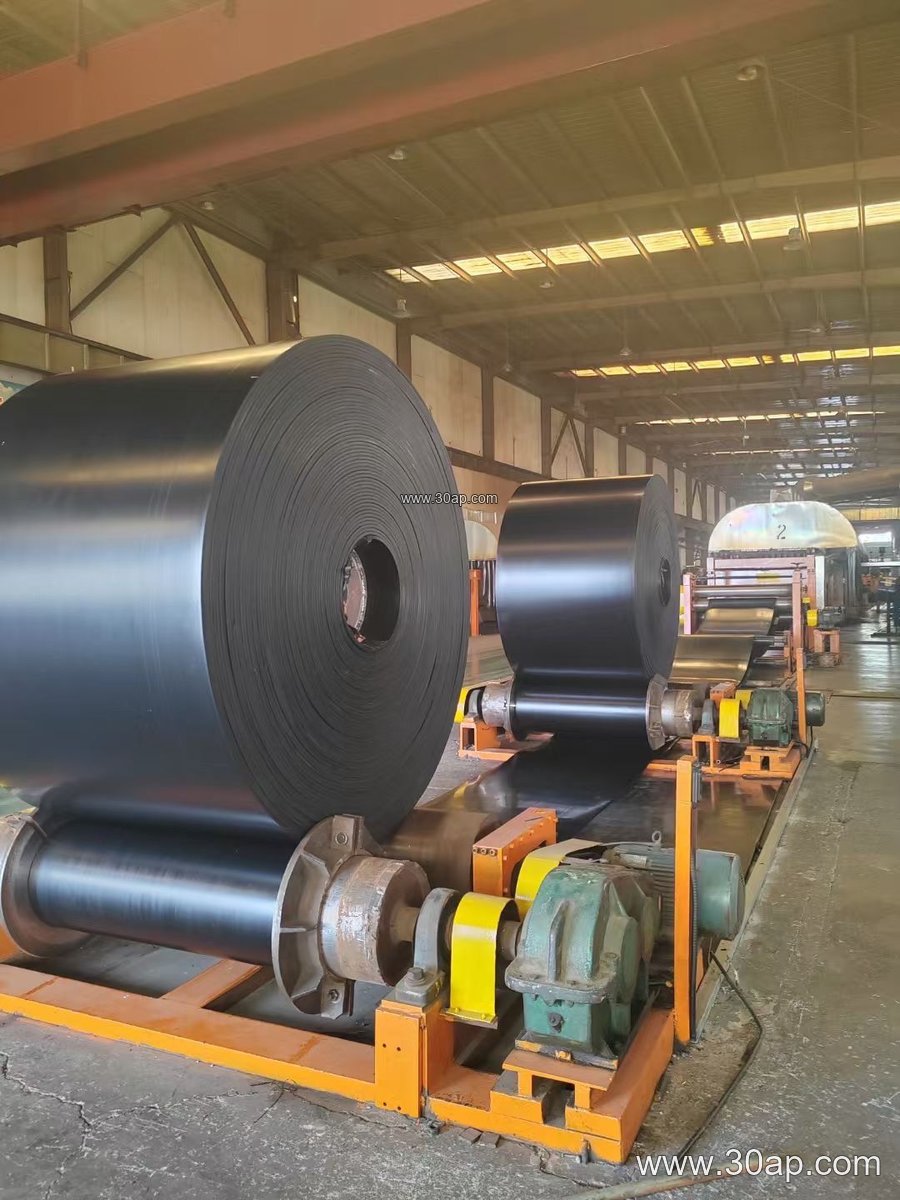
The natural home of this belt is heavy bulk material transport. Typical industries include mining, coal preparation, cement plants, power plants, steel plants, quarries, sand and gravel operations, ports and ship loading terminals. In an iron ore or copper ore line, an ST2000 belt may run on the main trunk conveyor between the crusher and the stockyard. In a coal mining conveyor system, a flame retardant version can serve underground or surface haulage. Cement plants use it on long clinker and raw material routes, and power plants use it for coal delivery from the yard to the boiler house.
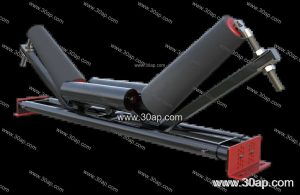
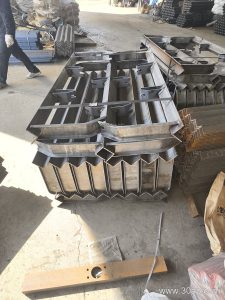
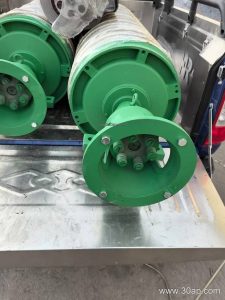
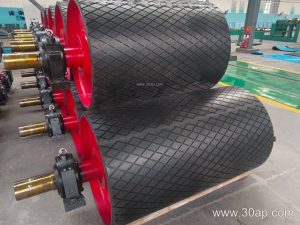
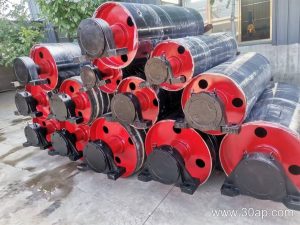
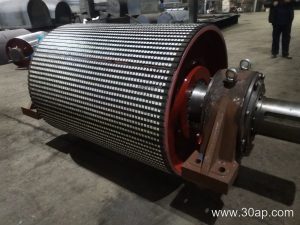
The belt works with the rest of the conveyor: idler roller sets support the loaded strand, a conveyor pulley at the head drives the belt, a tail pulley returns it, and bend pulleys manage the path through take-up and transfer points. Conveyor bracket and frame details matter because a heavy belt needs stable alignment. Good tracking depends on all these parts being matched, not on the belt alone.
Common Specifications and Options
Values below are typical reference ranges. Actual belt construction is confirmed by the manufacturer for each project; no single size fits every conveyor.
| Parameter | Common Range or Option |
|---|---|
| Tensile grade | ST2000 (2000 N/mm nominal) |
| Belt width | B800, B1000, B1200, B1400, B1600, B1800, B2000 |
| Cover thickness | 4+2 mm, 5+2 mm, 6+2 mm, 8+3 mm |
| Carcass | Steel cord, cord pitch and diameter per design |
| Cover grades | Abrasion resistant, heat resistant, flame retardant, oil resistant, cold resistant, anti-static |
| Edge type | Cut edge or moulded edge |
Width and cover thickness are chosen together with the conveyor design. A wider belt such as a 1400mm or 1600mm unit carries more material at a given speed, but it also needs suitable pulley face width and idler spacing. There is no rule that one belt width matches one pulley diameter; the drive, tail and bend pulleys are sized from the conveyor tension and shaft load calculations.
Buyer Checklist Before Ordering
Start with the duty: material type, lump size, tonnage per hour, belt speed, incline and the longest unsupported span. Then confirm the tensile class and whether ST2000 is genuinely needed rather than a lower ST grade or a high strength fabric belt. Ask about cover compound and thickness for abrasion, heat or flame risk. Check whether the belt will be spliced on site and what splicing method the supplier recommends for steel cord.
Also review the complete conveyor interface. Idler roller quality, pulley lagging, transition distances and take-up travel all affect belt life. If the line includes steep sections, a Chevron Conveyor Belt or Corrugated Sidewall Conveyor Belt may be considered for that specific segment, while the main haul remains an ST2000 steel cord belt. For long overland routes, a Pipe Conveyor Belt is a different design choice rather than a substitute.
Finally, request the belt data sheet with cord construction, cover compound, thickness tolerance and recommended storage and handling notes. A heavy steel cord belt is a long-term investment; matching it correctly to the conveyor and the site conditions is the best way to protect that investment.