What an Acid Resistant Conveyor Belt Is
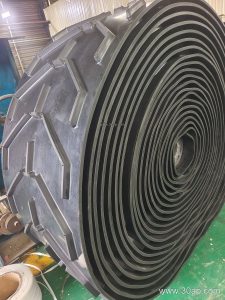
An acid resistant conveyor belt is a fabric-reinforced rubber belt engineered to keep its carcass and covers intact when the conveyed material or the surrounding air carries acidic attack. In practice, it is usually supplied as a chemical resistant conveyor belt with covers compounded from polymers such as EPDM, chloroprene or specially formulated nitrile blends that resist swelling, hardening and cracking better than standard natural rubber compounds. The belt still has to carry load, track on the conveyor pulley and survive normal mechanical abuse, so acid resistance is balanced against tensile strength, abrasion performance and flexibility.
The product belongs to the same family as an EP Conveyor Belt or an NN Conveyor Belt, and buyers often specify it as a Fabric Core Conveyor Belt with a chemical-resistant cover rather than a completely different belt architecture. Where very high tensions are required, a Steel Cord Conveyor Belt may be considered, but the acid-resistant variant is most commonly built on multi-ply fabric.
How the Belt Is Built
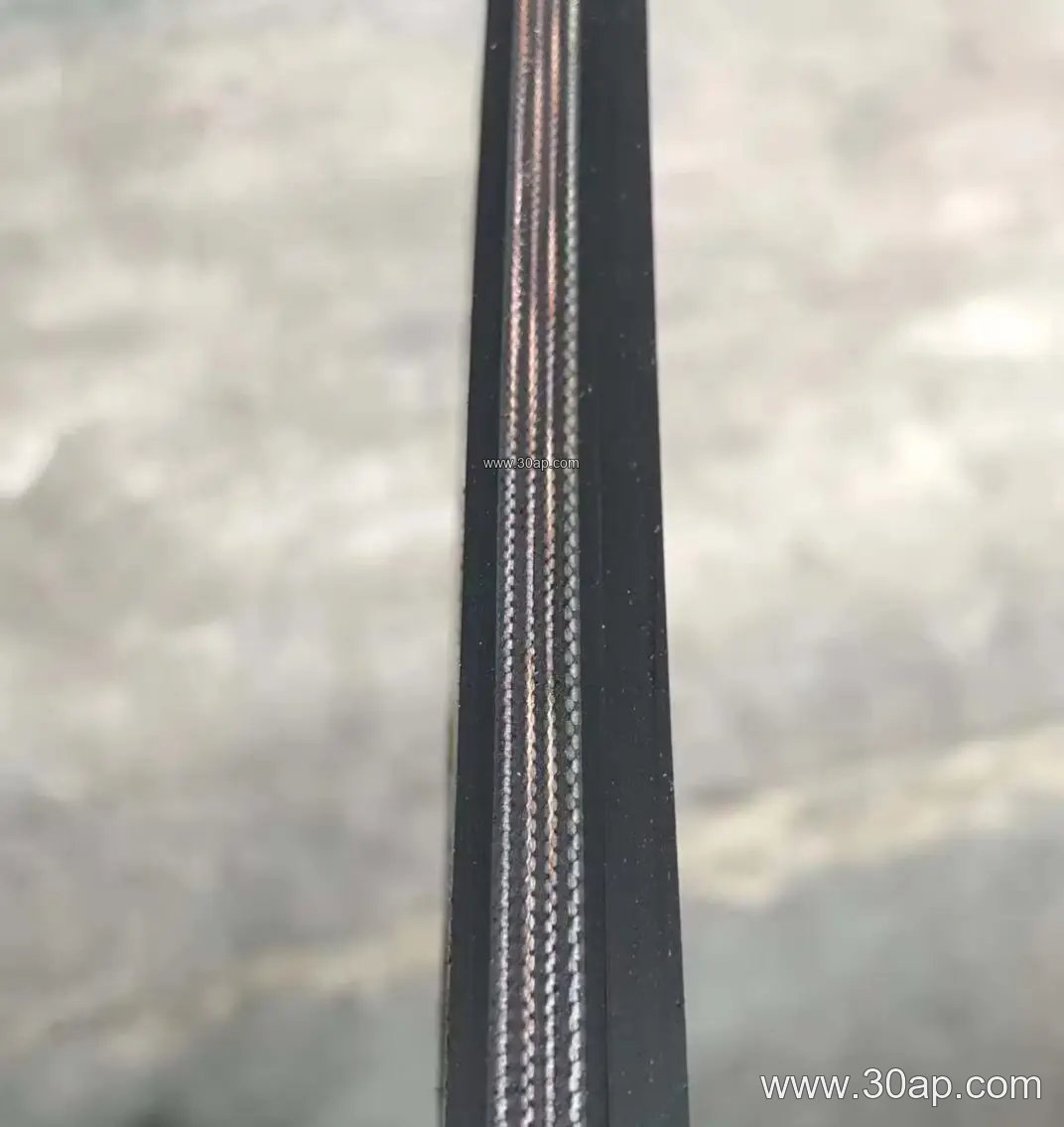
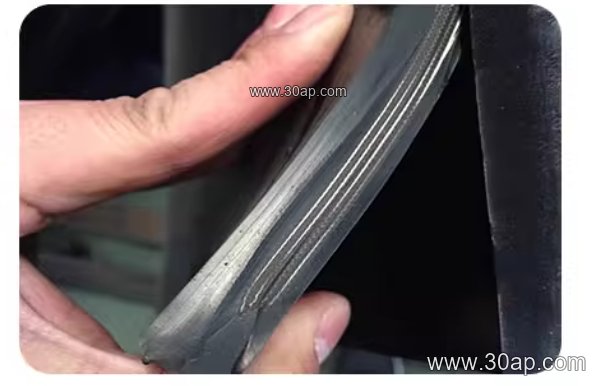
Construction follows normal fabric belt practice. Polyester-nylon (EP) or nylon-nylon (NN) plies form the tension-bearing carcass, and the number of plies is matched to the duty. A typical acid-resistant belt uses two to six plies, with common cover combinations such as 3+1.5 mm, 4+2 mm, 5+2 mm, 6+2 mm and 8+3 mm depending on impact and abrasion severity. The top cover provides the chemical barrier, while the bottom cover protects the pulley side and the edges are sealed to limit wicking of aggressive liquids into the carcass.
Rubber compound choice matters more than ply count. EPDM covers handle many dilute acids and oxidizing chemicals well; chloroprene offers a useful balance of chemical and flame performance; nitrile is preferred where oils and acids appear together. The compound should be specified together with the operating temperature, because a Heat Resistant Conveyor Belt compound and an acid-resistant compound are not the same product and should not be substituted for one another.
| Parameter | Common Range | Note |
|---|---|---|
| Carcass type | EP or NN fabric | Multi-ply construction, 2 to 6 plies |
| Strength grades | EP200 to EP2000 | Selected by design tension |
| Belt width | B500 to B2000 | Matched to conveyor design |
| Cover thickness | 3+1.5 to 8+3 mm | Top and bottom cover |
Where It Fits in the Plant
Acid attack appears in more places than many operators expect. Fertilizer plants, phosphoric acid circuits, metal pickling and plating lines, some ore beneficiation streams, and wastewater sludge handling all expose belts to low-pH material. In a cement plant the belt may meet acidic wash water rather than acid product; in a power plant, flue-gas treatment residue can be aggressive. Even a quarry conveyor belt or aggregate conveyor belt can encounter acidic groundwater or process water, which is why the cover grade should be confirmed rather than assumed.
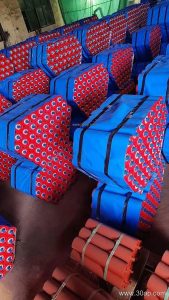
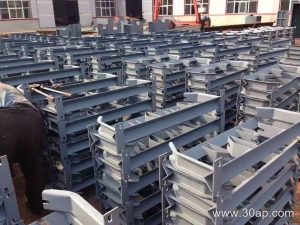
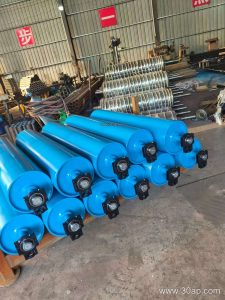
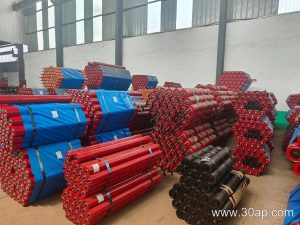
The belt runs over the same hardware as any other fabric belt: a drive pulley at the head, a tail pulley at the take-up, bend pulleys along the route, idler rollers supporting the carrying and return strands, and conveyor brackets holding the structure together. Acid resistance does not change the fact that the drive pulley, tail pulley and bend pulley have different duties and are not interchangeable. Nor does a wider belt imply a particular pulley diameter; both are set by the conveyor designer using tension, wrap angle and shaft load.
Related options are specified only when the duty calls for them. A Chevron Conveyor Belt or Corrugated Sidewall Conveyor Belt may be chosen for steep inclines, while a Pipe Conveyor Belt is used where dust and spillage must be enclosed. These are different belt forms, not replacements for the acid-resistant flat belt described here. Where the environment also demands static control or flame protection, an Anti-Static Conveyor Belt or Flame Retardant Conveyor Belt grade can be requested, but the chemical resistance must still be confirmed for the specific acid involved.
Selection and Maintenance Notes
- Identify the chemical, concentration and temperature before choosing the cover compound; dilute and concentrated acids behave very differently.
- Confirm whether the acid contacts the top cover, the bottom cover, the edges, or all three, and specify edge sealing accordingly.
- Check that the selected EP or NN strength grade suits the calculated tension rather than a habit-based choice.
- Inspect pulley lagging, idler rollers and belt cleaners for chemical compatibility as well; a resistant belt on incompatible rollers still fails early.
- Keep the tail pulley and bend pulley areas clean, since trapped acidic material accelerates cover damage.
- Store spare belting away from sunlight, ozone sources and pooled chemicals.
For buyers comparing offers, ask for the compound family, ply count, cover thickness, strength grade and width in writing, and request the same data for any alternative such as an abrasion resistant conveyor belt or oil resistant conveyor belt so the comparison is fair. For belt, idler roller and conveyor pulley enquiries, match the specification to the actual duty rather than to a catalogue default.