What a Port Conveyor Idler Does at the Terminal
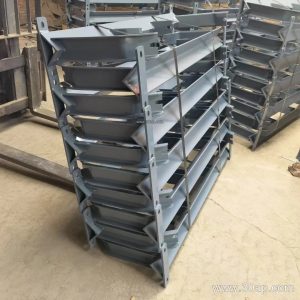
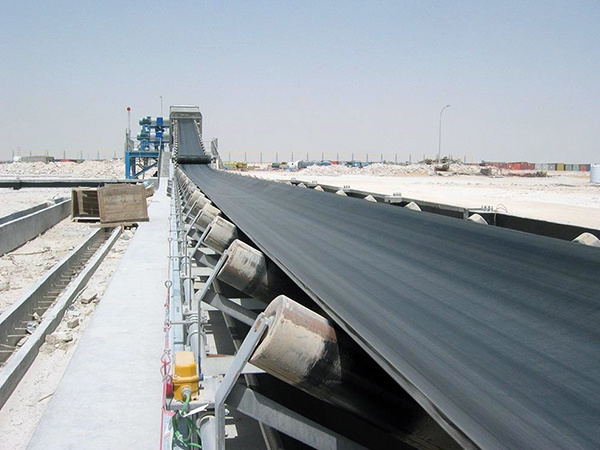
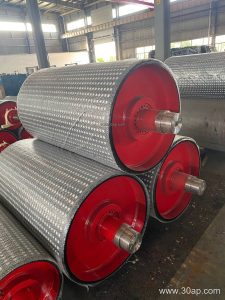
A port conveyor idler is the rotating support that carries the belt and its cargo along the loading and unloading lines of a bulk terminal. At a berth, ship loader, or stockyard, these idlers sit under some of the most heavily loaded belts in the plant, so their construction and alignment matter as much as the belt itself. They work alongside the conveyor pulley at the head and tail, the conveyor bracket that holds each frame, and the conveyor belt that moves ore, coal, grain, or aggregate. A small alignment error repeated over hundreds of rollers can wear a belt edge quickly, which is why terminal operators treat idler choice as a system decision rather than a spare-part purchase.
How a Port Conveyor Idler Is Built
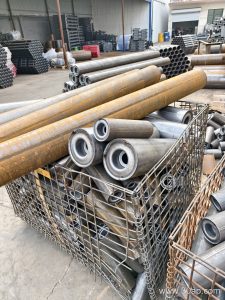
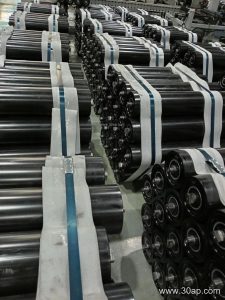
The common idler roller is a steel tube fitted with bearing housings at each end, sealed against dust and water, and mounted on a shaft that clips into the frame. Roller surfaces vary: plain steel for general duty, nylon for lighter running, ceramic for abrasive cargo, and rubber rings for impact zones where lumpy material drops onto the belt. Sealing is the detail that decides service life in a salt-air port, because fine dust and moisture attack bearings long before the tube wears out.
Bearing selection follows load and speed rather than a single fixed rule. Common sizes include 6204, 6205, 6305, 6306, 6308, and 6310, and the same roller diameter may be built with more than one bearing depending on the duty. Roller diameters typically range from Ø63 up to Ø219, with Ø89, Ø108, Ø127, Ø133, and Ø159 seen often on terminal belts. None of these values is a universal match; the frame, belt width, and load decide the final combination.
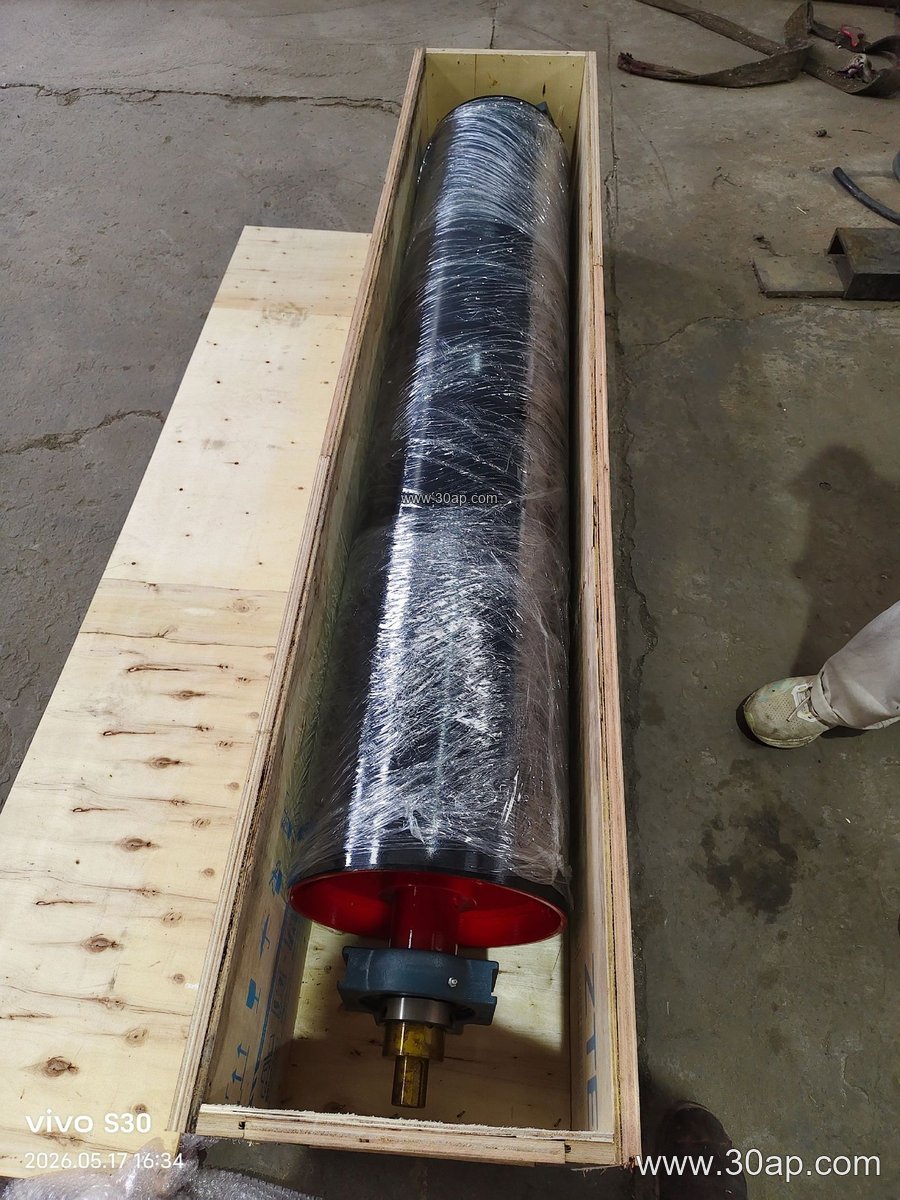
Trough, Return, and Impact Positions
On the carrying run, three-roll trough sets at 20, 30, 35, or 45 degrees hold the cargo centered. The trough angle changes how the material sits: a deeper angle contains a fuller load, while a shallow angle suits wider, flatter belts. Transition idlers ease the belt from flat to troughed near the pulleys so the edges are not over-stressed.
On the return run, flat or V-return rollers support the empty belt. Impact idlers with rubber rings go under the loading chute, and self-aligning types correct drift on long berth lines. These are different duties from a drive pulley or a bend pulley, which transmit and redirect tension; the idler only supports. For comparison, a heavy-duty mining conveyor belt on a stockyard line may need impact rollers at the transfer point, while a ship loader boom often uses lighter trough sets because the belt path is shorter.
Sizing Against Belt Width
Roller length follows belt width, trough angle, and frame form. The figures below are common examples for three-roll trough sets, not fixed pairings.
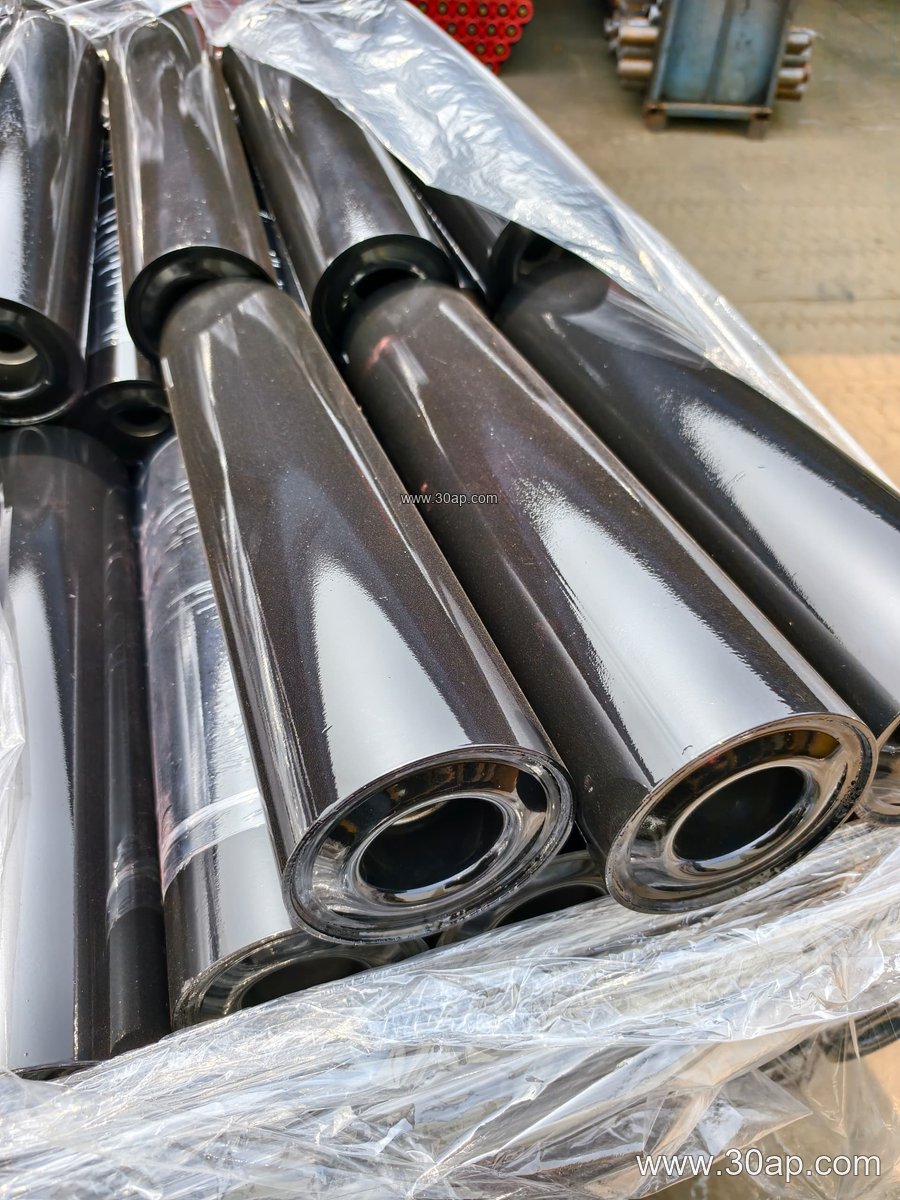
- B500: roller about 200 mm
- B650: roller about 250 mm
- B800: roller about 315 mm
- B1000: roller about 380 mm
- B1200: roller about 465 mm
- B1400: roller about 530 mm
- B1600: roller about 600 mm
- B1800: roller about 670 mm
- B2000: roller about 750 mm
Side rollers and center rollers can differ, and a wide belt does not automatically dictate one pulley diameter. Check the frame drawing before ordering.
Matching the Idler to the Cargo and the Belt
Port cargo is varied, so the belt above the idler often decides the roller specification. An abrasion resistant conveyor belt handling iron ore or sinter demands robust rolls and tight seals. A heat resistant conveyor belt on a coke or clinker line needs rollers that tolerate warm return air. A flame retardant conveyor belt in a coal terminal is paired with idlers that will not trap fines. Where a pipe conveyor belt or a corrugated sidewall conveyor belt runs, the idler layout changes completely and standard trough frames do not apply. Buyers should also confirm the belt type, such as EP conveyor belt or steel cord conveyor belt, because tension and load distribution affect roller spacing.
What Buyers Should Confirm Before Ordering
Ask for the roller diameter, shaft size, bearing number, seal type, surface form, and frame dimensions as a single set. Confirm the trough angle and the belt width in millimeters, and state the cargo and operating environment. Spare rollers should match existing frames so maintenance crews can swap them without cutting brackets. For terminal projects, consistent idler spacing and alignment reduce belt wear and keep the conveyor pulley running true.