What a Rotating Self-Aligning Idler Does
A rotating self-aligning idler is a training roller that senses belt drift and steers the belt back toward the center line. In practice it is also called a self-training idler or self-aligning return roller, depending on where it sits in the conveyor. The design uses a pivoting frame: when the belt edges off-center, the roller axis swings slightly, creating a small steering angle that nudges the belt back. This correction happens continuously and without operator input, which matters on long runs where a belt can wander for hours before anyone notices. On a quarry conveyor or a power plant coal line, that small correction protects the belt edges and keeps material centered on the trough.
How the Assembly Is Built
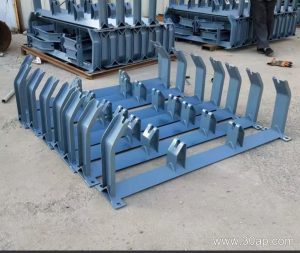
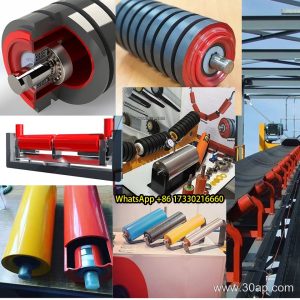
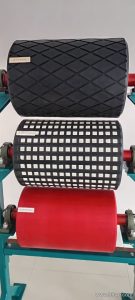
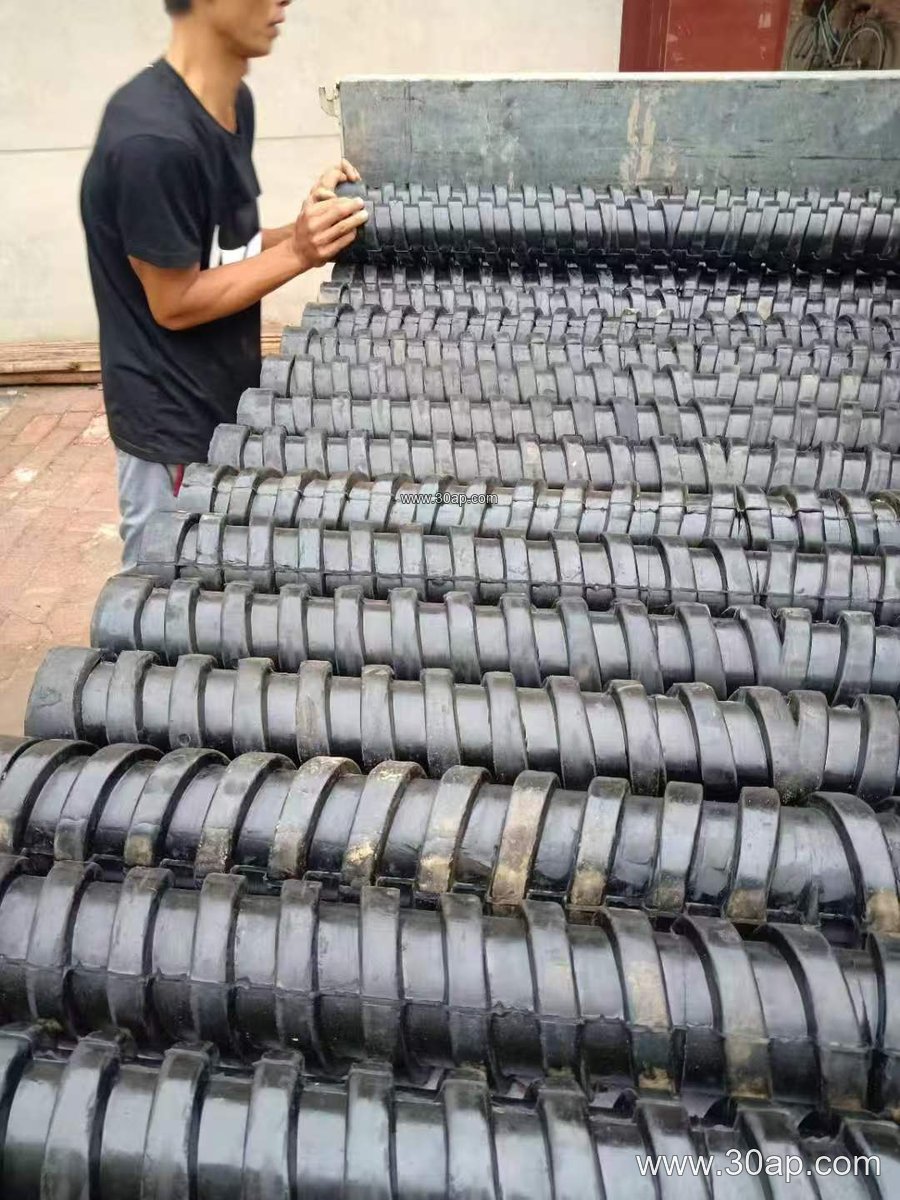
The core is a roller shell mounted on a vertical pivot bearing, held by a conveyor bracket that clamps to the stringer. Shells are usually steel tube, sometimes with a rubber or ceramic surface for grip in wet or dusty service. Bearings are sealed for life in most designs; common sizes include 6205, 6305, and 6308, matched to shaft and load rather than to one fixed roller diameter. Roller diameters typically range from Ø89 to Ø159, with larger shells used on wider belts and heavier loads. The pivot bush or bearing is the part that decides service life, so buyers should ask about its sealing and lubrication.
Where It Fits on the Conveyor
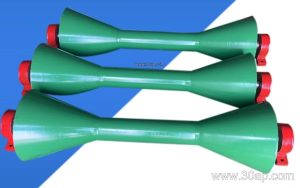
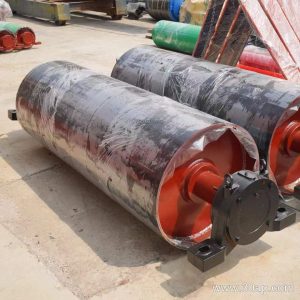
Training idlers are placed where drift is likely: after the loading point, on long straight sections, before the head pulley, and on the return strand. A typical arrangement uses a pair of rotating self-aligning idlers spaced along the run, with troughing idlers carrying the loaded belt between them. On a copper ore or iron ore line, the return strand often gets a V-type self-aligning roller to keep the belt tracking while shedding fines. These units work alongside conveyor pulleys, not in place of them; the drive pulley, tail pulley, and bend pulley each do a different job, and a training idler only corrects lateral position.
Common Sizes and Mounting Data
The table below shows typical reference values. Treat them as design guidance, not fixed matches; roller length changes with belt width, trough angle, and the number of rolls in the set.
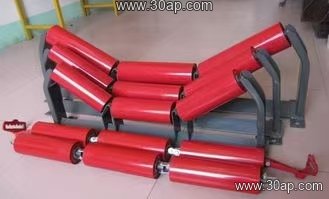
- Roller diameter: Ø89, Ø108, Ø127, Ø133, Ø159
- Belt width range: B500 to B2000
- Trough angle: 20, 30, 35, 45 degrees
- Lead angle on forward-tilted rolls: about 1.5 to 2 degrees
- Bearing options: 6204, 6205, 6305, 6306, 6308, 6310
- Surface options: steel, nylon, ceramic, rubber ring
For example, a three-roll troughing set on B1000 often uses rolls around 380 mm long, while B1400 moves toward 530 mm. These are common examples only; side rolls and center rolls can differ, and the final length must be confirmed against the actual frame.
Selection Notes for Buyers
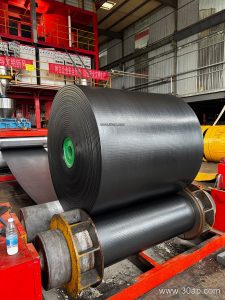
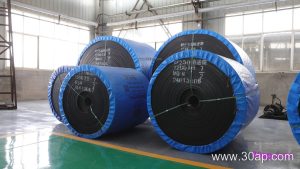
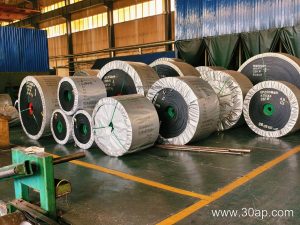
Start with belt width and belt speed, then look at material. A rubber conveyor belt carrying abrasive aggregate puts more load on the shell than a smooth EP conveyor belt moving grain, and the training force needed differs. On a coal mining conveyor belt with flame retardant properties, the idler surface should avoid spark-generating contact and should suit the dusty environment. In cement plants, fine dust finds its way into pivot bearings, so sealed pivots are worth specifying. For heavy-duty mining conveyor belts, larger diameters and thicker shells reduce deflection under load.
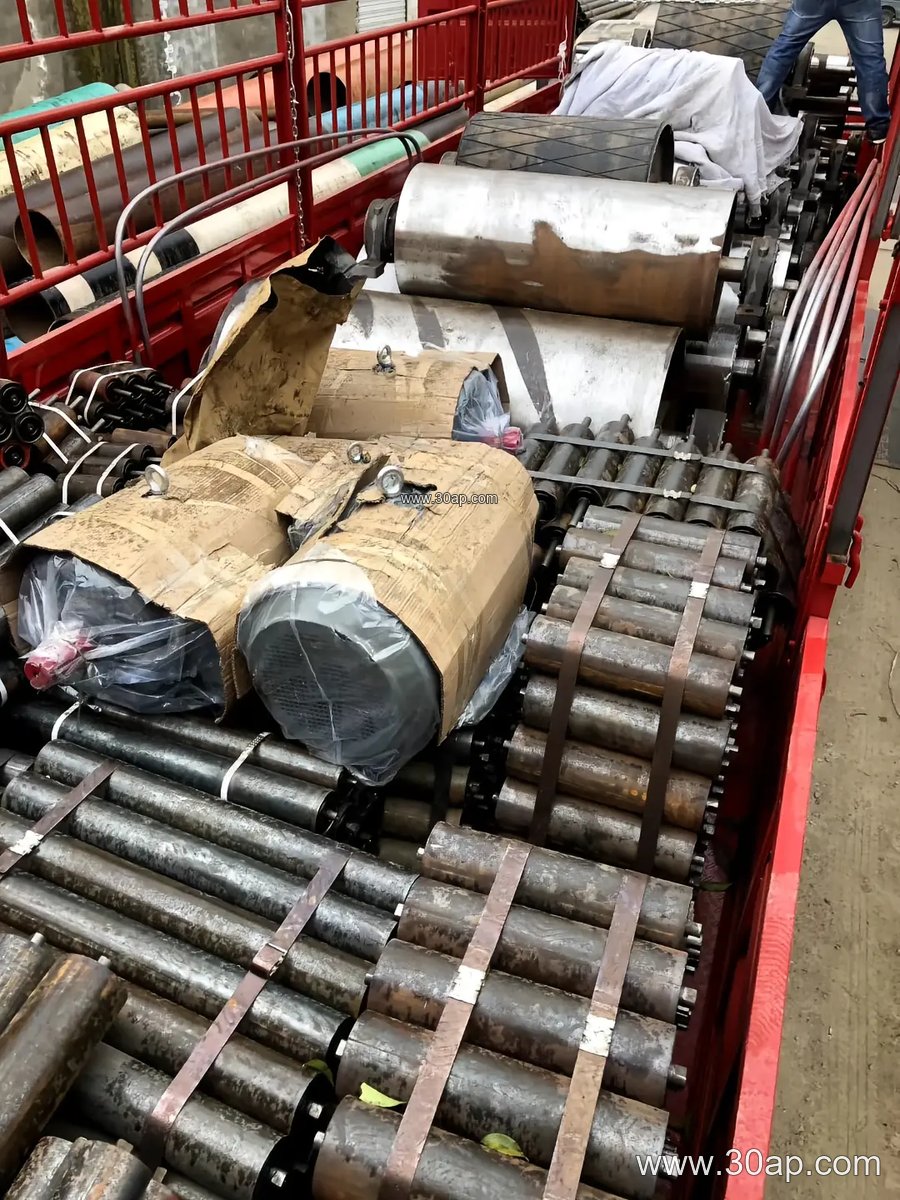
Check the pivot travel and the return spring or friction setting. Too much correction force causes edge wear; too little lets the belt drift. Ask for the mounting drawing so the conveyor bracket holes line up with your stringers. Spacing is usually set by the conveyor designer, often every 30 to 50 meters on straight runs, closer near transfer points.
Maintenance and Troubleshooting
Inspect the pivot for stiffness and the shell for build-up. Material stuck to one side of a roller can cause drift that looks like a training problem but is really a cleaning issue. Grease points, where fitted, should be serviced on the plant schedule. On a ship loading conveyor belt or a port conveyor, salt air attacks unprotected steel, so painted or galvanized frames last longer. If the belt still wanders after the training idlers are set, check pulley alignment and belt splice squareness before adding more rollers.
Rotating self-aligning idlers are a small part of the conveyor, but they keep the belt, the idler roller set, and the conveyor pulley working together. Specify them by belt width, roller diameter, bearing size, and surface, and confirm the mounting with the frame drawing before ordering.