What the NN400 Belt Is
An NN400 Conveyor Belt is a fabric-core rubber belt built on nylon (NN) warp and weft canvas. The number 400 refers to the nominal breaking strength of the carcass, commonly expressed in N/mm of belt width. In practice, this places the belt in the upper-middle range of nylon fabric belts, above NN100, NN200 and NN300, and below higher-strength constructions such as steel cord belts. For plants that need more tensile capacity than a standard fabric belt can offer but do not want the stiffness and splice demands of a steel cord line, this grade is a practical middle path.
Because the carcass is all-nylon, the belt combines high tensile strength with good flexibility and resistance to fatigue. It also absorbs shock loads reasonably well, which matters at transfer points where lump size is large and impact is repetitive.
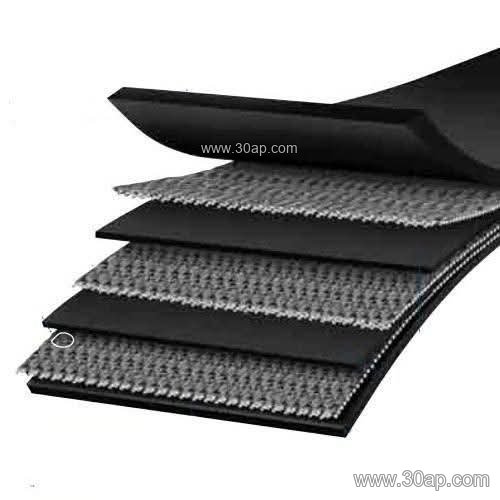
How the Belt Is Built
The carcass usually consists of multiple plies of nylon fabric bonded with rubber skim compounds. Common constructions run from two to six plies, depending on the required strength and the pulley geometry of the conveyor. A heavier cover protects the carcass from abrasion, while the bottom cover is normally thinner but still designed for the return run and pulley contact.
Typical cover combinations for this class include 4+2 mm, 5+2 mm, 6+2 mm and 8+3 mm, with 3+1.5 mm used in lighter duties. These figures are reference values only; actual cover thickness should be confirmed with the belt manufacturer against the duty. Edge construction, skim coats between plies and the quality of the friction between layers strongly influence splice efficiency and service life.
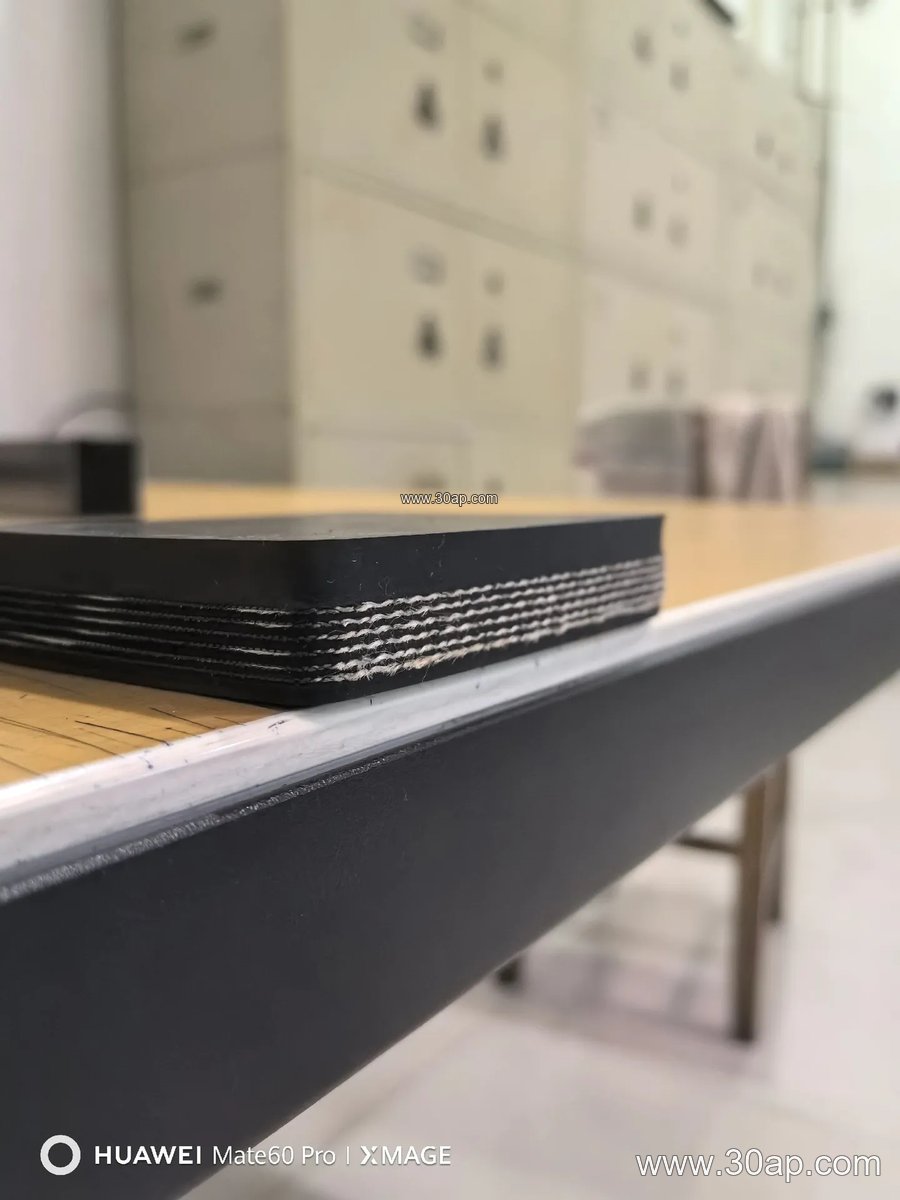
Construction at a Glance
- Carcass: multi-ply nylon fabric, nominal strength around 400 N/mm
- Cover: abrasion resistant rubber as standard, with heat, oil or flame retardant variants available
- Ply count: commonly 2 to 6, selected by design
- Cover thickness: commonly 3+1.5 mm up to 8+3 mm
- Width range: B500 to B2000, with B800, B1000, B1200 and B1400 among the more common sizes
Where It Fits in the Plant
The belt suits main haulage and secondary conveying in mining, quarrying, cement works, power stations and sand and aggregate plants. In a coal mining conveyor or an underground mining conveyor, a flame retardant and anti-static version is often specified instead of the plain grade. In a cement plant, heat resistant belts may be needed on clinker lines, while a quarry conveyor handling sharp rock benefits from a high abrasion resistant cover.
It is also found on crusher discharge belts, ore conveyor lines and bulk material conveyor routes in ports and ship loading systems. Where the route curves tightly or the conveyor has small pulleys, the flexibility of a nylon carcass can be an advantage compared with a rigid steel cord belt. Where the duty is mainly fine, hot or oily material, a different cover compound should be chosen rather than relying on the standard grade.
Matching the Belt to the Conveyor
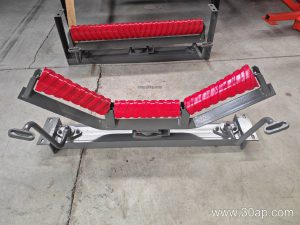
Belt selection is a system decision, not a single number. The drive pulley, tail pulley and bend pulleys each have a minimum diameter recommendation that depends on carcass type and ply count. A wider belt does not automatically require a larger pulley, and shaft diameter is set by the pulley manufacturer from torque and load, not from belt width alone. Idler roller spacing, trough angle and transition distance also affect how the belt tracks and how the carcass is stressed.
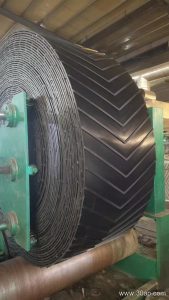
Buyers should provide the conveyor layout, capacity, material lump size, belt speed, pulley diameters and ambient conditions. From these, the supplier can confirm the number of plies, cover grade and splice method. For hot material, specify the temperature range; for oily or chemical exposure, state the substance; for underground coal work, ask for flame retardant and anti-static properties. A corrugated sidewall or chevron version can be considered where the incline is steep, but those are separate belt designs and should not be treated as substitutes for a flat NN400 belt.
Buyer Checklist
- Confirm nominal carcass strength and ply count against the calculated tension
- State material type, lump size and temperature
- Give pulley diameters, especially drive and tail pulleys
- Specify cover thickness and any flame retardant, oil resistant or heat resistant requirement
- Agree splice type and check that the belt edge is sealed
- Plan storage so the belt is not kinked or exposed to ozone and sunlight for long periods
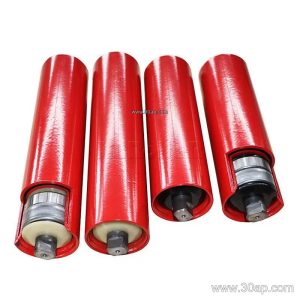
During operation, watch for edge wear, cover gouging and splice opening. Keeping the conveyor pulley and idler roller alignment in good order protects the belt more than any single upgrade. For plants comparing fabric options, an EP conveyor belt is the polyester-nylon alternative to the NN conveyor belt, and the choice often comes down to stretch behaviour and splice preference. A fabric core conveyor belt such as this grade remains a workhorse for moderate to heavy duties where cost and flexibility both matter. For very long, high-tension routes, a steel cord conveyor belt is the usual next step up.