What the Sand Making Plant Conveyor Belt Does
The sand making plant conveyor belt is the continuous link between the crusher, the vibrating screen, and the stockpile. It carries crushed stone, manufactured sand, and return material at a steady rate, so the whole circuit depends on its reliability. In a sand and gravel yard, this belt often works under heavy dust, frequent starts, and sharp, abrasive particles. The same product name is also written as sand production line conveyor belt or manufactured sand conveyor belt, but the duty remains the same: move bulk material without spillage or stoppage.
Construction and Common Configurations
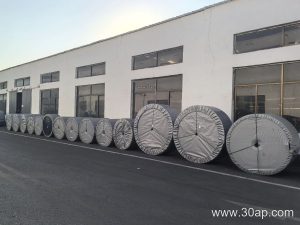
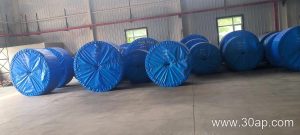
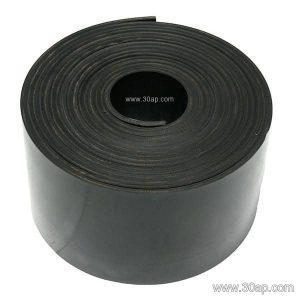
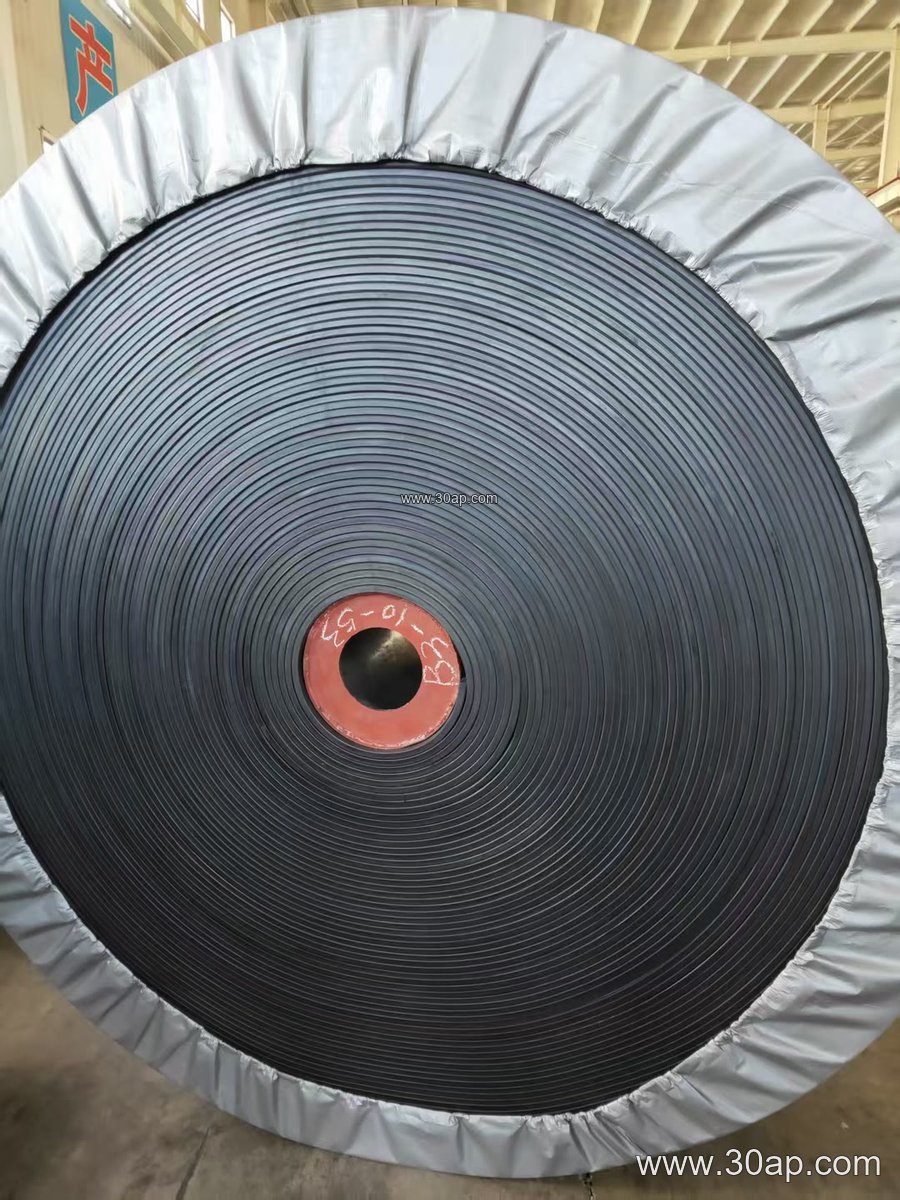
Most belts in this service use a fabric core. An EP conveyor belt, built on polyester and nylon fabric, is a frequent choice because it balances strength with low stretch. An NN conveyor belt with nylon warp and weft is another option where flexibility around small pulleys matters. For higher tension or long horizontal runs, a steel cord conveyor belt may be considered, though many sand plants stay with multi-ply fabric construction. Cover thickness is usually selected as 4+2 mm or 5+2 mm, with 6+2 mm for the discharge point under the crusher. Belt widths in sand plants commonly range from B500 to B1400, depending on tonnage and lump size.
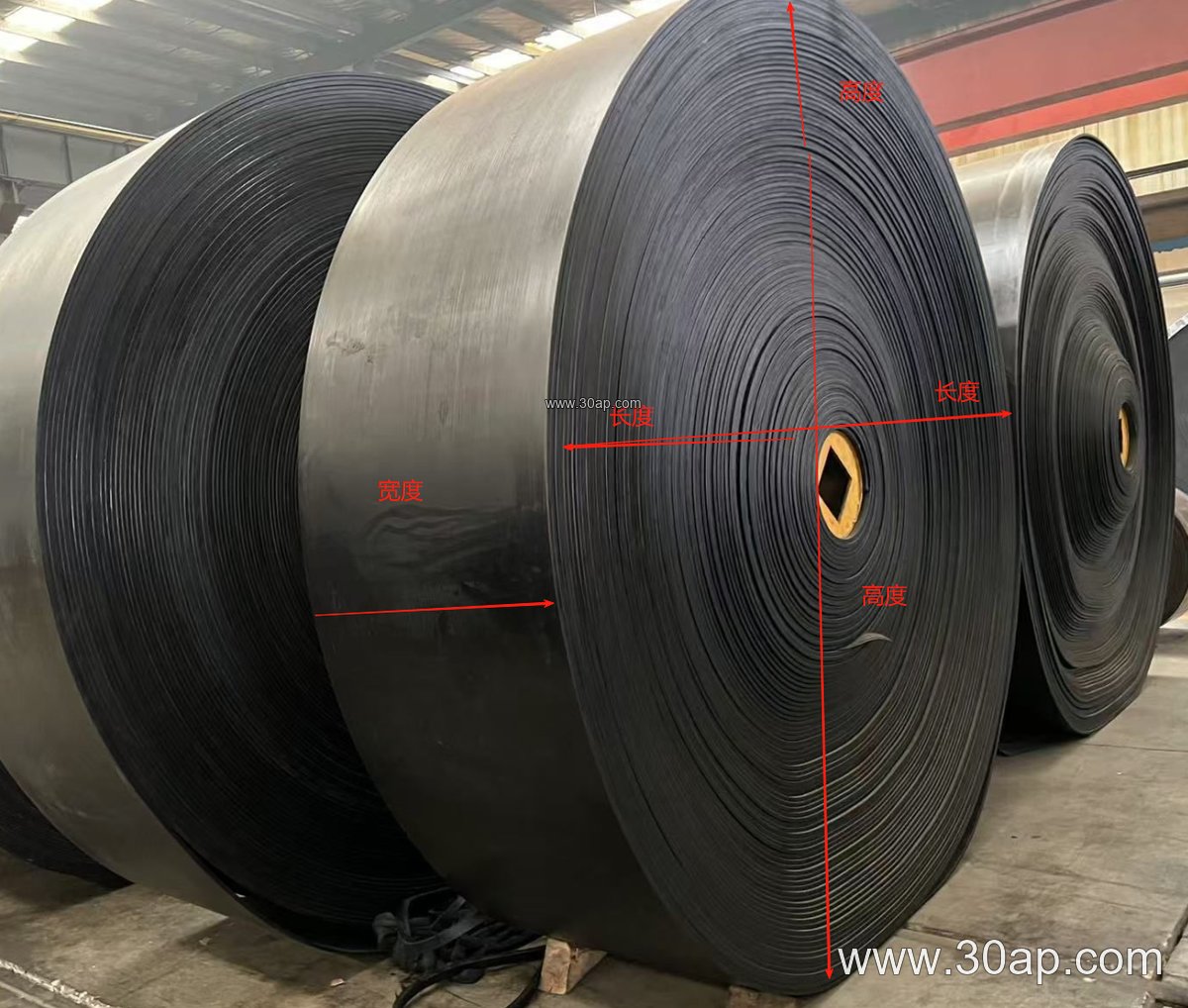
Surface Forms and Edge Protection
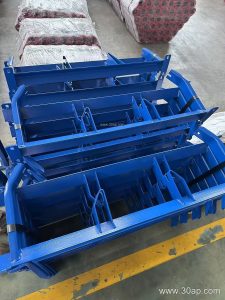
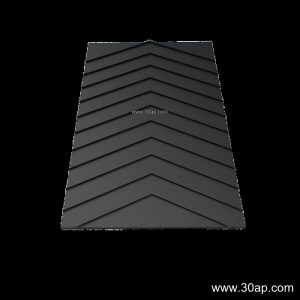
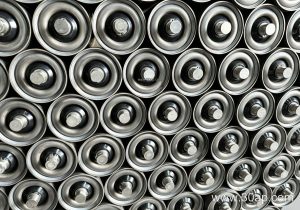
Where the incline is steep, a chevron conveyor belt or a corrugated sidewall belt helps keep material from rolling back. A skirted conveyor belt can be used at transfer points to contain dust and fines. For general horizontal transport of sand and aggregate, a plain abrasion resistant conveyor belt is often sufficient. The belt should match the troughing idler roller arrangement and the conveyor pulley diameters used on the frame; a belt that is too stiff for the tail pulley will track poorly.
Typical Industries and Working Conditions
Beyond sand and gravel plants, this belt type appears in quarry conveyor lines, aggregate handling, cement plants, and construction waste recycling. In mining operations, a heavy-duty mining conveyor belt may share similar construction but with higher safety factors. Coal mining and underground coal mining conveyors usually require flame retardant and anti-static properties, which are not always needed in a sand plant. The sand making plant conveyor belt itself must resist abrasion first, and impact second, especially below the primary crusher.
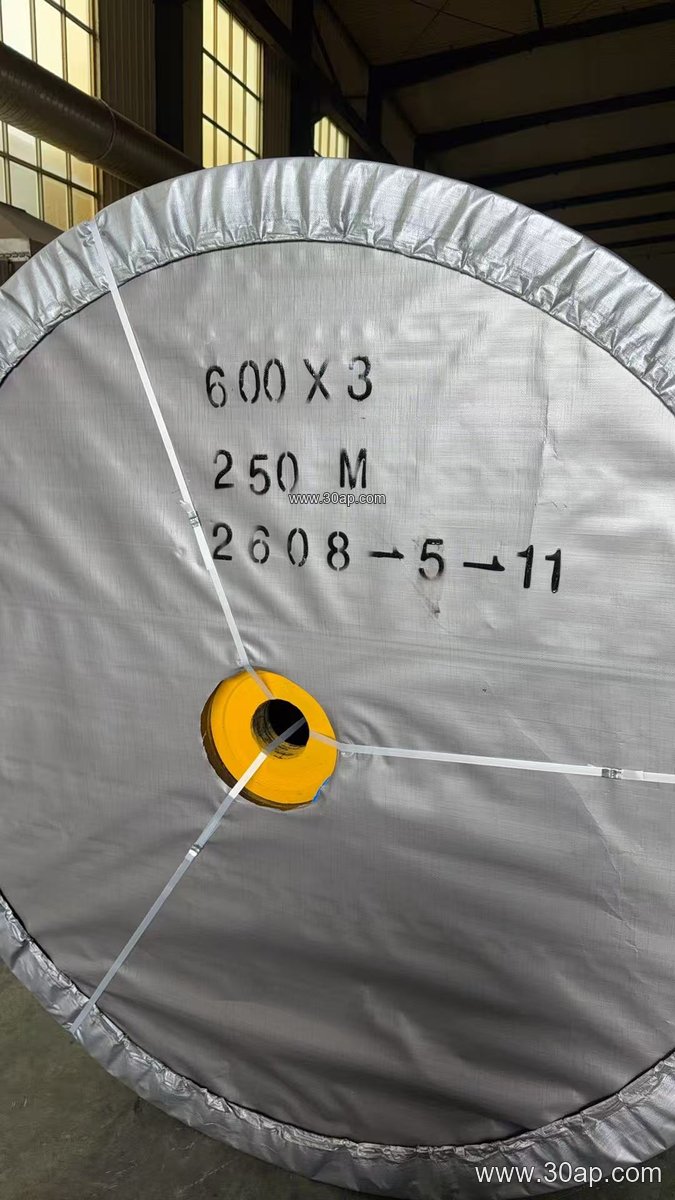
Selection Points for Buyers
Buyers should confirm the material size, bulk density, moisture, and drop height before choosing a belt. A belt that is too thin wears through quickly; one that is too thick may not trough properly. The table below gives common reference values, not fixed rules, and final specifications are set by the conveyor design.
| Parameter | Common reference values |
|---|---|
| Belt type | EP conveyor belt, NN conveyor belt, abrasion resistant conveyor belt |
| Fabric strength grades | EP200, EP315, EP400, EP500, EP630, EP800, EP1000 |
| Belt width | B500, B650, B800, B1000, B1200, B1400 |
| Cover thickness | 4+2 mm, 5+2 mm, 6+2 mm |
| Number of plies | 2 to 6, depending on tension |
| Special options | Chevron, corrugated sidewall, skirted, heat resistant, oil resistant |
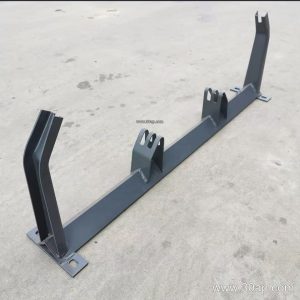
Match the belt to the drive pulley, tail pulley, and bend pulley on the conveyor. These are separate components with different roles, and none should be treated as a substitute for another. Also check that the idler roller spacing supports the belt between loading points, and that the conveyor bracket is aligned so the belt does not run off-center.
Maintenance and Troubleshooting
Inspect the belt regularly for cuts, edge wear, and cover gouges. Keep the skirt rubber and transfer chutes from pressing on the belt surface. Clean carryback material from the tail pulley area, because a buildup there can cause tracking problems. If the belt slips, check tension and the drive pulley lagging before changing the belt itself. For high temperature or oily material, a heat resistant or oil resistant cover may extend service life, but these are selected for the condition, not as a universal upgrade.
For more information on related components and belt options, visit mysite.com/conveyor-belt and mysite.com/conveyor-pulley. A well-matched sand making plant conveyor belt, supported by proper idlers and pulleys, keeps the sand line running with fewer unplanned stops.