What a High-Capacity Trough Idler Does
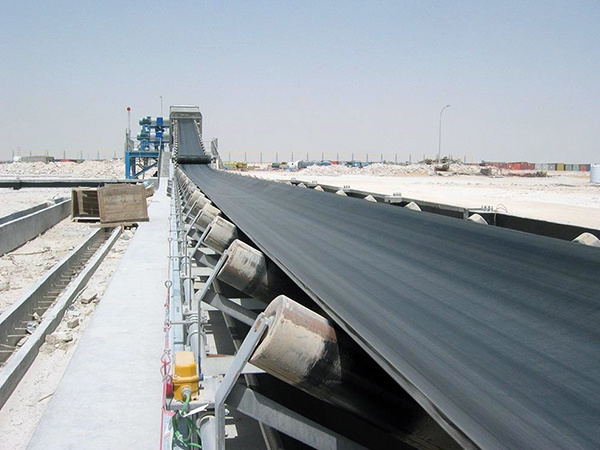
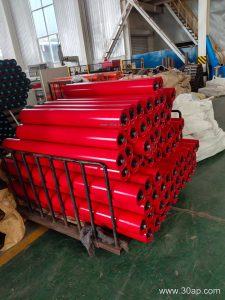
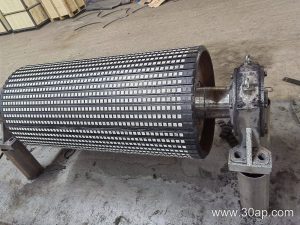
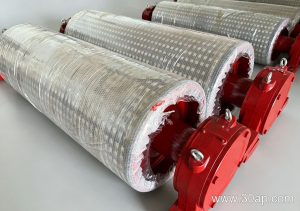
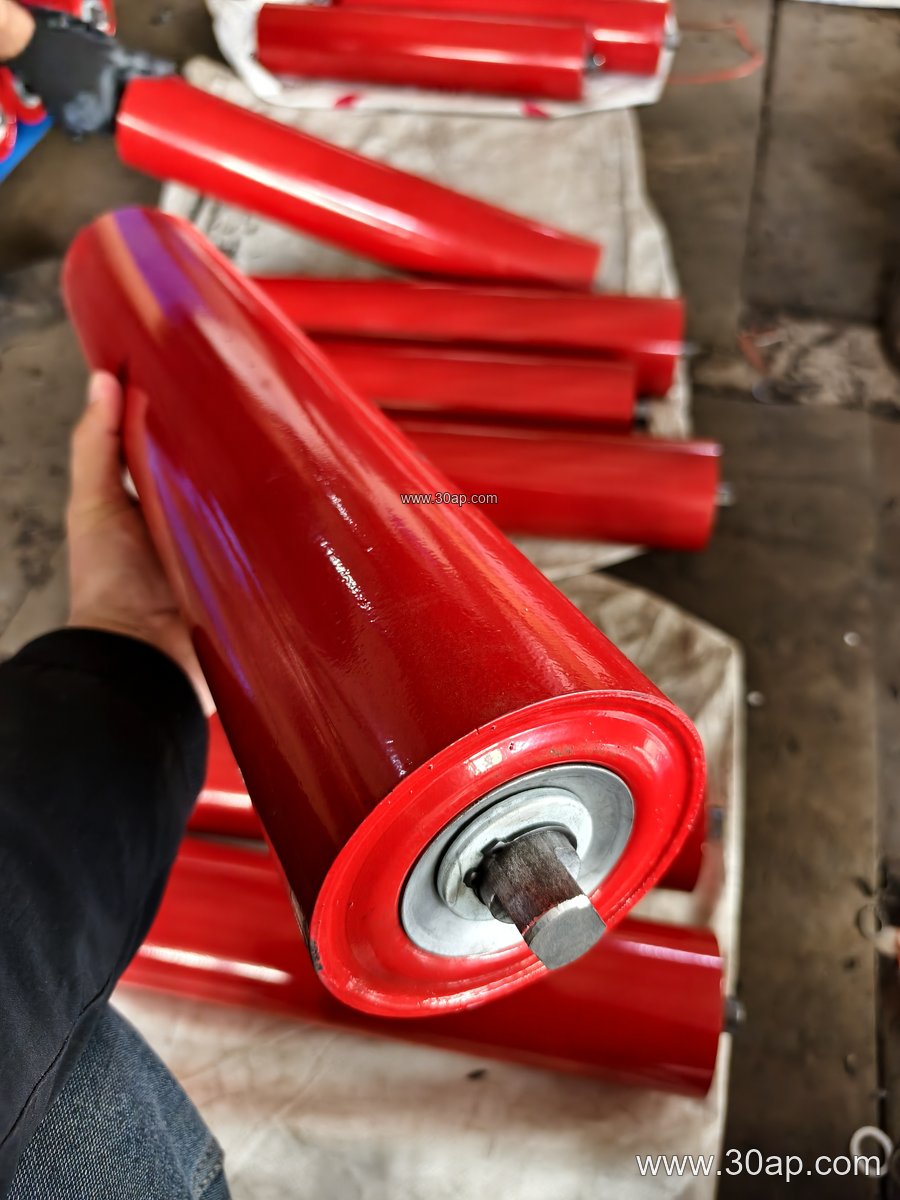
A high-capacity trough idler is the carrying idler assembly that supports the loaded run of a conveyor belt and forms it into a trough. In heavy-duty bulk handling, this troughing idler must carry a high belt tension load, resist impact, and keep the belt tracking straight. It is not a drive pulley, tail pulley, or bend pulley; those components transmit power or change belt direction, while the trough idler simply supports and shapes the belt. The same product is also called a heavy-duty trough idler or high-load troughing idler, and these names refer to the same carrying idler assembly.
Construction and Common Configurations
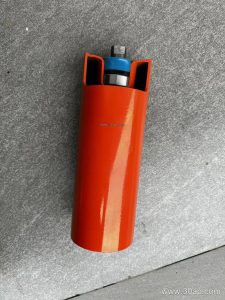
A typical high-capacity trough idler uses a steel tube shell, sealed bearings, and a frame that holds two or three rolls at a trough angle. Common shell materials include steel, nylon, and rubber-covered versions for impact zones. Bearing sizes such as 6205, 6305, 6306, 6308, and 6310 are common, but the bearing choice depends on load and speed, not on belt width alone.
Three-roll trough sets are the usual form for high-capacity service. Two-roll and single-roll designs exist for special cases. Trough angles of 20, 30, 35, and 45 degrees are common; a 35-degree trough is widely used in mining and quarry duty, while 45 degrees gives a deeper material profile. Forward tilt of about 1.5 to 2 degrees is sometimes used on training idlers, not on every carrying idler.
Reference Dimensions for Trough Idlers
The table below gives common examples only. Roll length changes with belt width, trough angle, and roll arrangement, and side rolls may differ from the center roll.
| Belt width | Typical center roll length (three-roll trough) | Common trough angle |
|---|---|---|
| B500 | 200 mm | 20–35° |
| B650 | 250 mm | 20–35° |
| B800 | 315 mm | 30–35° |
| B1000 | 380 mm | 30–35° |
| B1200 | 465 mm | 30–35° |
| B1400 | 530 mm | 35–45° |
| B1600 | 600 mm | 35–45° |
| B1800 | 670 mm | 35–45° |
| B2000 | 750 mm | 35–45° |
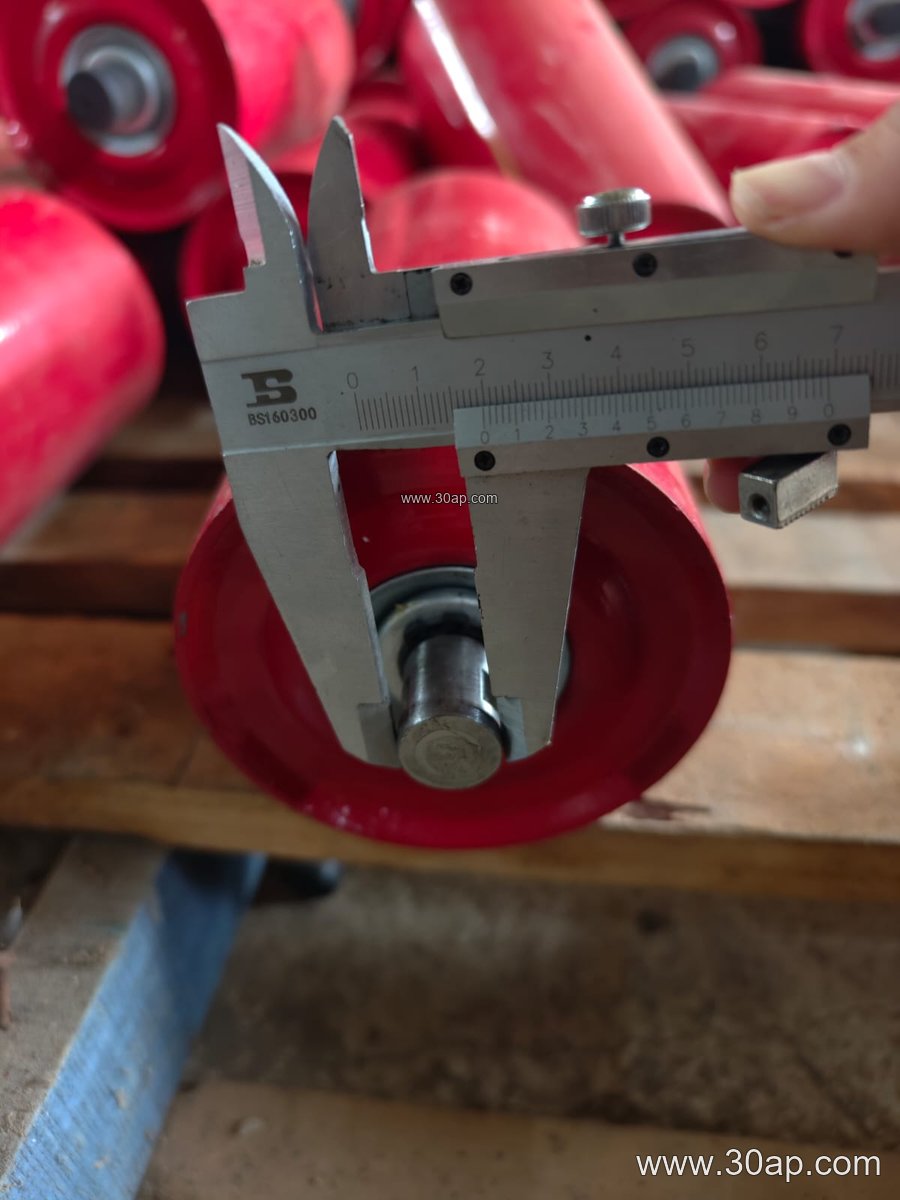
Roll diameters commonly range from Ø63 to Ø219. Larger diameters are used where belt speed, load, and lump size demand more bearing capacity and less roll rotation speed.
Where High-Capacity Trough Idlers Are Used
These idlers appear in limestone quarries and aggregate crushing lines, where sharp rock and constant load punish ordinary carrying idlers. They also serve in coal washing plants and power station coal yards, where a flame retardant conveyor belt and a reliable trough idler set keep the coal stream moving. In such plants, the trough idler works alongside the conveyor pulley, conveyor bracket, and conveyor belt to form a complete conveyor line.
Heavy-duty mining conveyor belts such as steel cord conveyor belt and EP conveyor belt grades (for example EP1000 or EP1250) are often paired with high-capacity trough idlers. The idler must match the belt’s load and speed, not simply its width.
Buyer Checklist
- Confirm belt width, trough angle, and roll arrangement before ordering.
- State the actual load, belt speed, and material lump size so the roll diameter and bearing size can be selected correctly.
- Choose shell and seal type for the environment: dusty quarry, wet coal yard, or high-temperature zone.
- Check that the idler frame fits the existing conveyor bracket and stringer spacing.
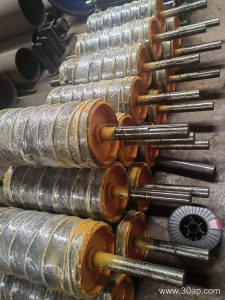
- For impact zones, consider a rubber-disc impact idler rather than a standard trough idler. This is a different subtype used for comparison only, not a replacement for the main carrying idler.
High-capacity trough idlers are simple components, but they determine belt life and energy use. A buyer who supplies accurate belt, load, and environment data will get a trough idler that supports the belt without overloading the frame or the bearings.