What Is a Non-Standard Conveyor Bracket
A non-standard conveyor bracket is a custom-engineered support component that holds idler rollers in place on a conveyor system. Unlike off-the-shelf brackets, it is designed to match specific site conditions, unusual belt widths, or special trough angles that standard parts cannot accommodate. In industries such as mining, coal preparation, cement plants, and power station coal yards, these brackets keep the conveyor belt running smoothly even when space is tight or material loads are extreme. Whether you are working with a heavy-duty mining conveyor belt or a heat resistant conveyor belt in a foundry, the bracket must fit the application precisely.
Construction and Design Features
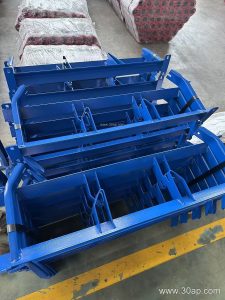
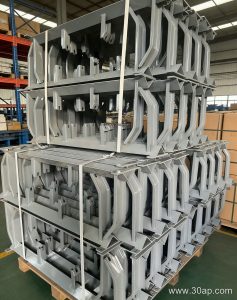
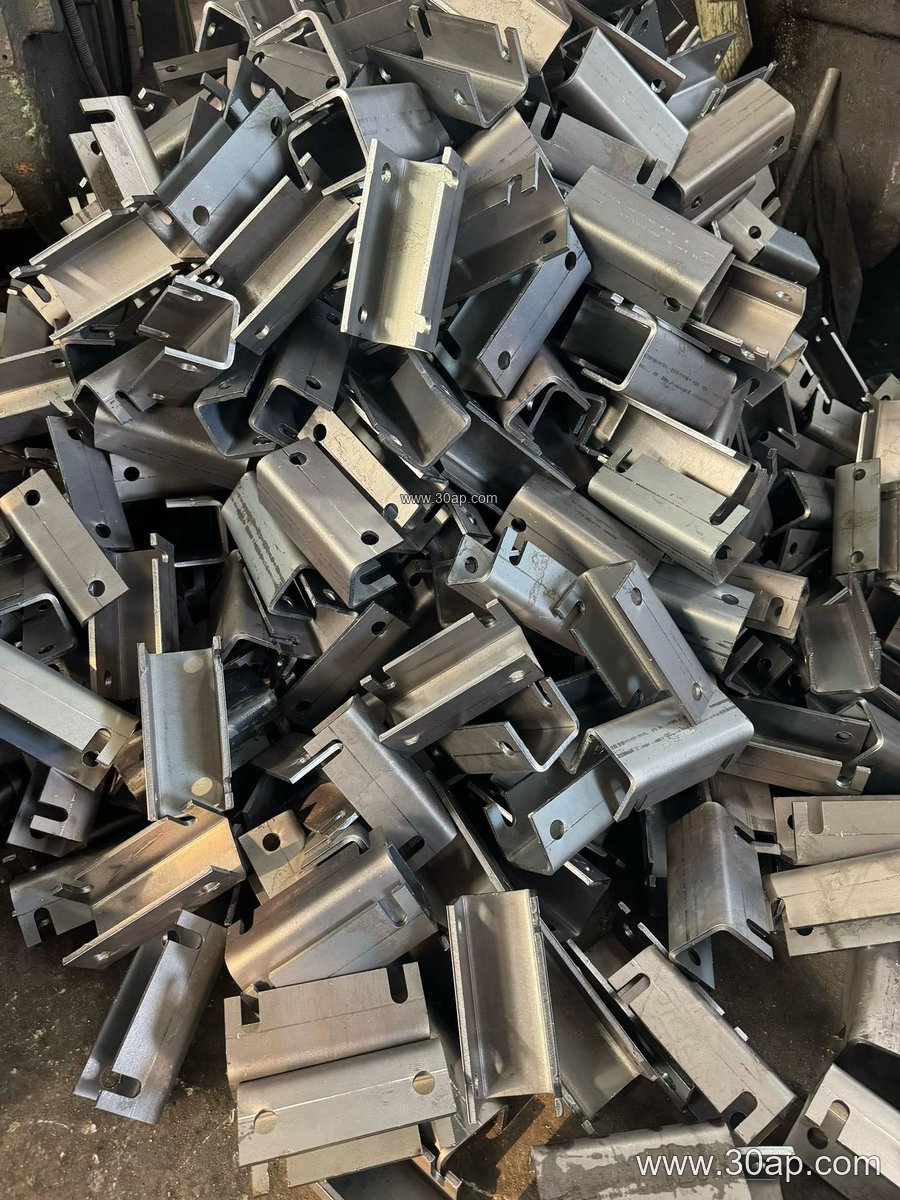
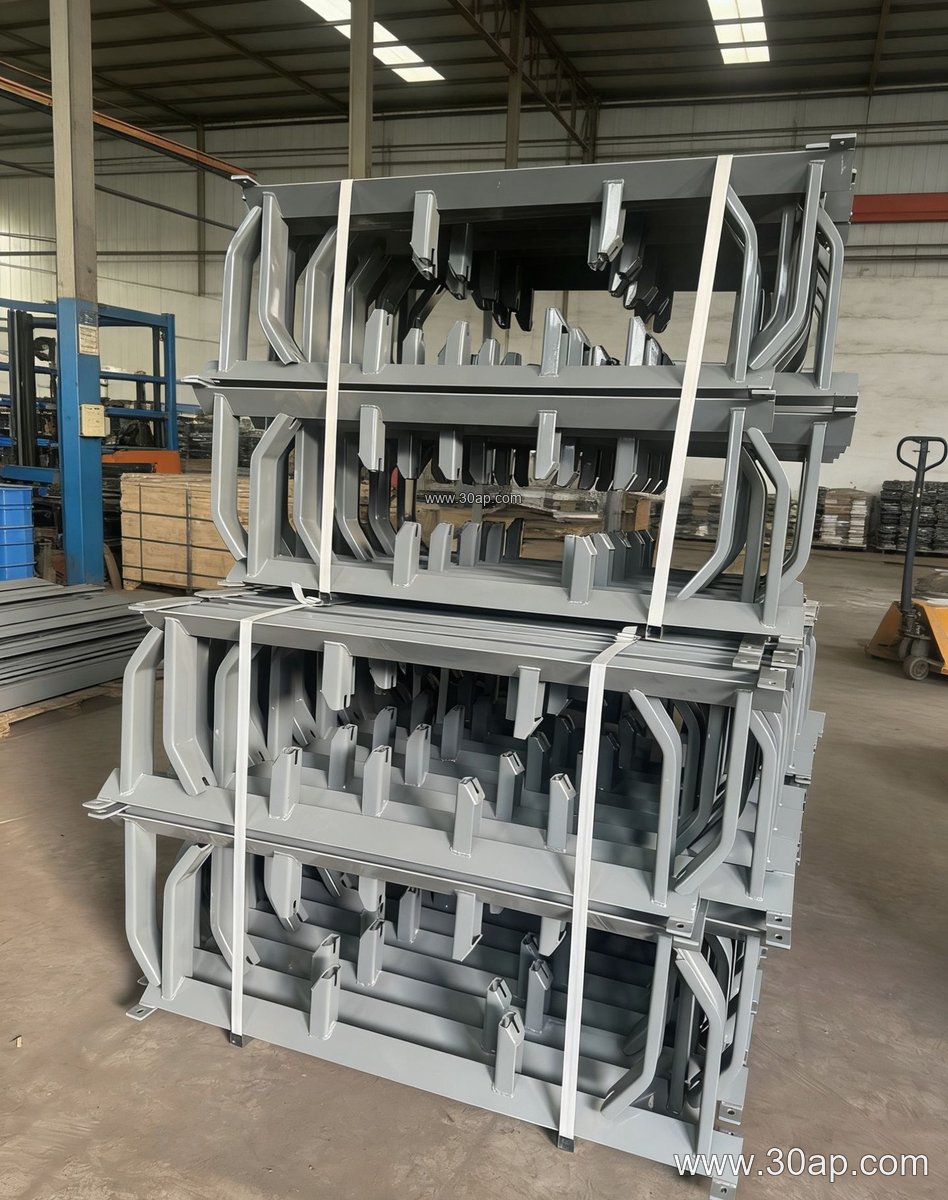
Fabricated from angle steel, channel steel, or bent steel plate, a non-standard conveyor bracket is built for rigidity and longevity. The design often includes adjustable slots or shims to fine-tune trough angles and roller positions. Common materials are Q235 or Q345 steel, with options for hot-dip galvanizing or painting to resist corrosion. Because these brackets are made to order, dimensions such as mounting hole spacing and crossbeam length are determined by the conveyor’s belt width, trough angle, and roller diameter. For example, a bracket for a B1200 belt at 45 degrees with Ø133 rollers will differ significantly from one for a B650 belt at 30 degrees with Ø89 rollers. This flexibility ensures proper alignment and reduces wear on the conveyor belt and idler roller.
Where Non-Standard Conveyor Brackets Are Used
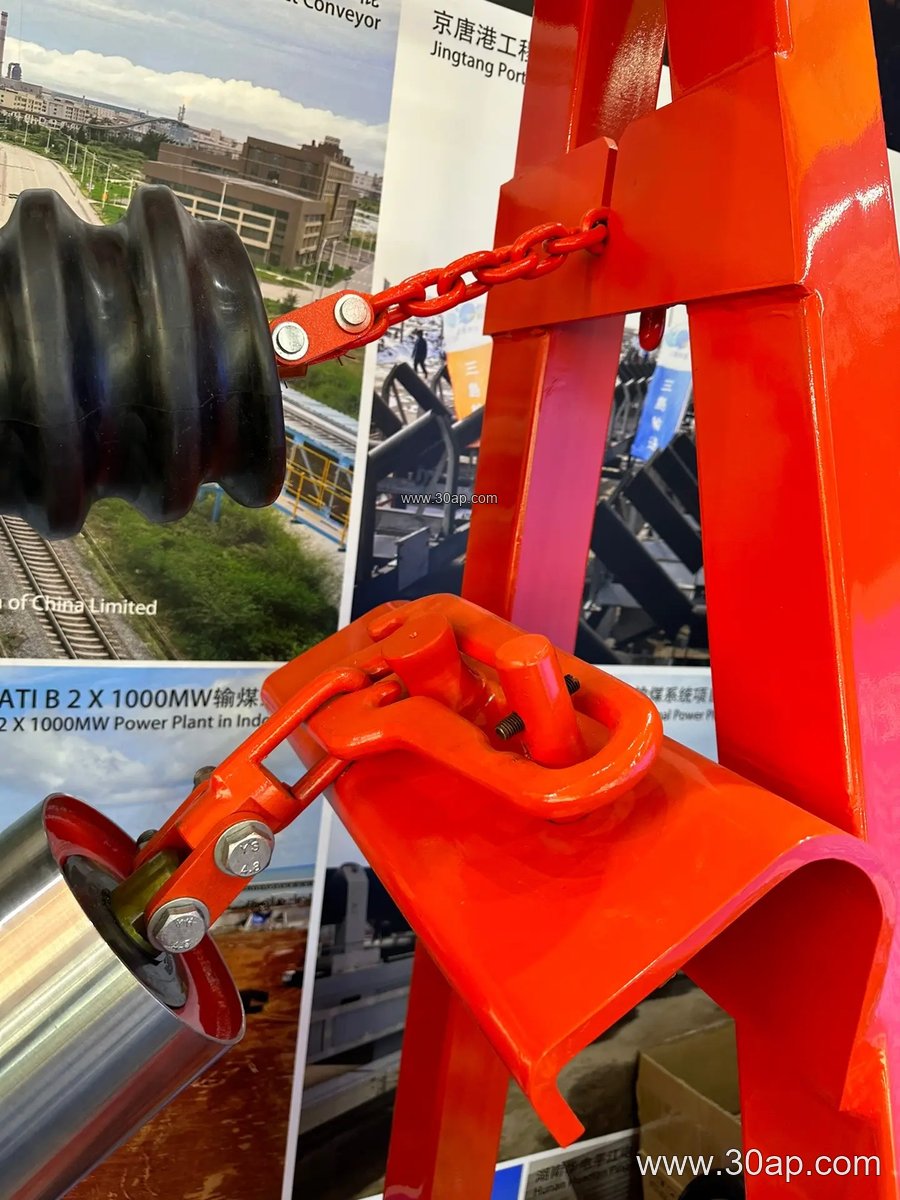
These brackets are essential in quarry conveyor systems, limestone mines, and iron ore operations where standard brackets may not fit due to custom chute designs or limited space. In coal mining, especially underground coal mining conveyor belts, non-standard brackets help navigate tight tunnels and uneven floors. Cement plants use them to support belts carrying clinker and raw meal, often in combination with abrasion resistant conveyor belt or flame retardant conveyor belt. Power plants rely on them for coal handling lines, and steel mills for sinter and coke transport. Ports and ship loading facilities also benefit when standard brackets cannot handle wide belts or heavy loads.
Key Parameters and Selection Guidelines
When specifying a non-standard conveyor bracket, consider the belt width, trough angle, and roller diameter. The table below lists common reference values; actual dimensions are determined by design requirements.
| Parameter | Common Options |
|---|---|
| Belt Width (B) | B500, B650, B800, B1000, B1200, B1400, B1600, B1800, B2000, B2200 |
| Trough Angle | 20°, 30°, 35°, 45° (adjustable brackets can vary within this range) |
| Roller Diameter | Ø89, Ø108, Ø133, Ø159, Ø194 |
| Material | Angle steel, channel steel, bent steel plate |
| Surface Treatment | Painted, hot-dip galvanized (as required) |
Note that one belt width can accommodate different trough angles and roller diameters; the bracket design must be matched to the actual conveyor layout. For instance, a B800 belt might use a 35° trough with Ø108 rollers in one plant, while another plant uses a 30° trough with Ø89 rollers. Always confirm mounting hole spacing and crossbeam length with the conveyor manufacturer.
Compatibility with Conveyor Components
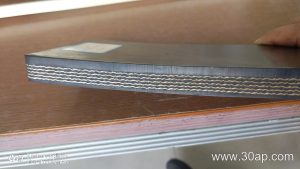
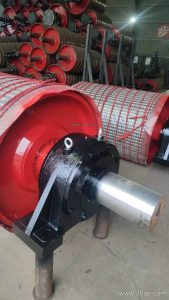
A non-standard conveyor bracket works in harmony with conveyor pulleys, idler rollers, and the conveyor belt itself. It must align with the drive pulley, tail pulley, and bend pulley to maintain proper belt tracking. In systems using EP conveyor belt or steel cord conveyor belt, the bracket’s strength and dimensional accuracy are critical to prevent belt misalignment and extend component life. For high-abrasion applications, such as handling iron ore or copper ore, brackets should be robust enough to withstand continuous impact and vibration. Similarly, in food grade or oil resistant conveyor belt applications, brackets may need additional surface protection to avoid contamination.
Buyer Checklist for Non-Standard Conveyor Brackets
- Confirm belt width, trough angle, and roller diameter before ordering.
- Specify material and surface treatment for the environment (e.g., corrosive, high-temperature).
- Provide mounting hole spacing and crossbeam length based on the conveyor frame.
- Consider adjustability if future changes in trough angle are expected.
- Ensure compatibility with existing idler rollers and pulleys.
- Request dimensional drawings for approval before fabrication.
By paying attention to these details, you can ensure that your non-standard conveyor bracket delivers reliable performance in the most demanding material handling environments.