What a Guide Idler Does on a Conveyor
A guide idler is a specialized roller assembly used to keep a conveyor belt centered and stable along its run. Unlike standard carrying or return idlers that primarily support the belt and material load, the guide idler is positioned to interact with the belt edge or to correct misalignment. In quarry, cement plant, and power plant coal handling systems, belt wander is a common problem that leads to edge damage, material spillage, and premature wear. A properly placed guide idler helps control this lateral movement without over-constraining the belt.
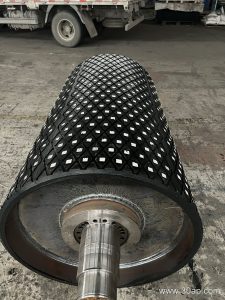
It is important to distinguish the guide idler from other conveyor components. Drive pulleys, tail pulleys, and bend pulleys are not interchangeable with guide idlers; they serve entirely different functions in power transmission and direction change. Similarly, a guide idler is not a substitute for a training idler, though both address belt tracking. The guide idler typically works as a passive edge guide or as a small-diameter roller mounted vertically or at an angle near the belt edge.
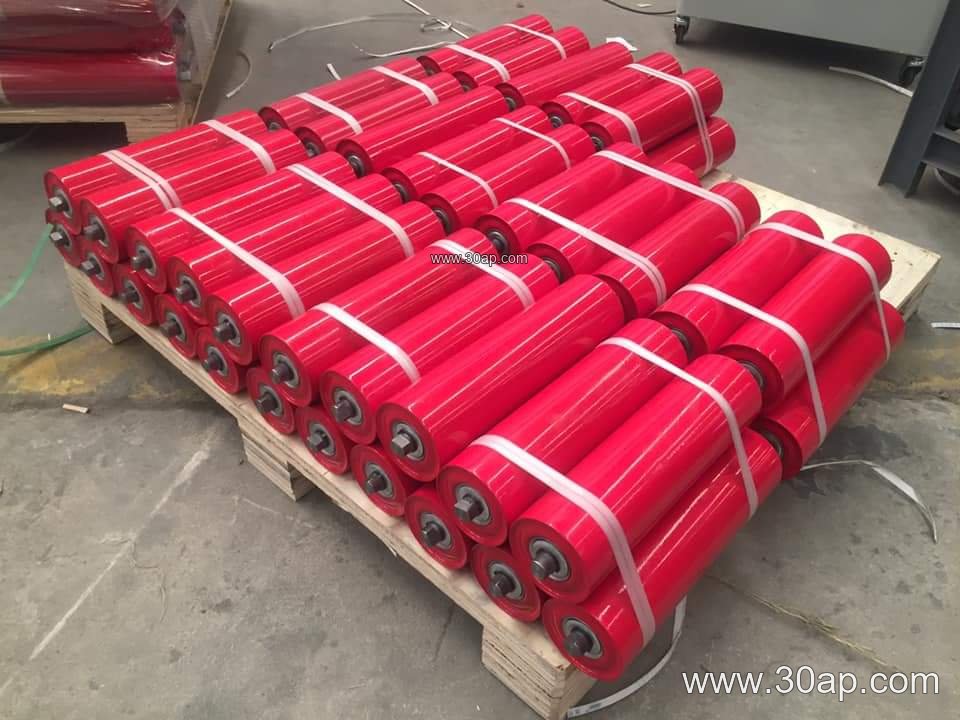
Construction and Common Configurations
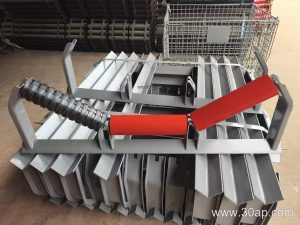
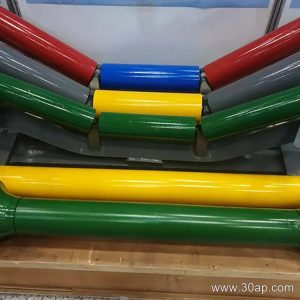
The construction of a guide idler follows the general pattern of conveyor idler rollers: a steel tube shell, bearing housings, and a shaft. However, the design is often more compact to fit into tight spaces near the belt edge or inside a transfer point. Common roller diameters for guide idlers are in the range of Ø63 mm to Ø108 mm, with shaft and bearing selections matched to the load and speed. Bearing types such as 6204, 6205, or 6305 are frequently used, but the specific bearing is not fixed by roller diameter alone.
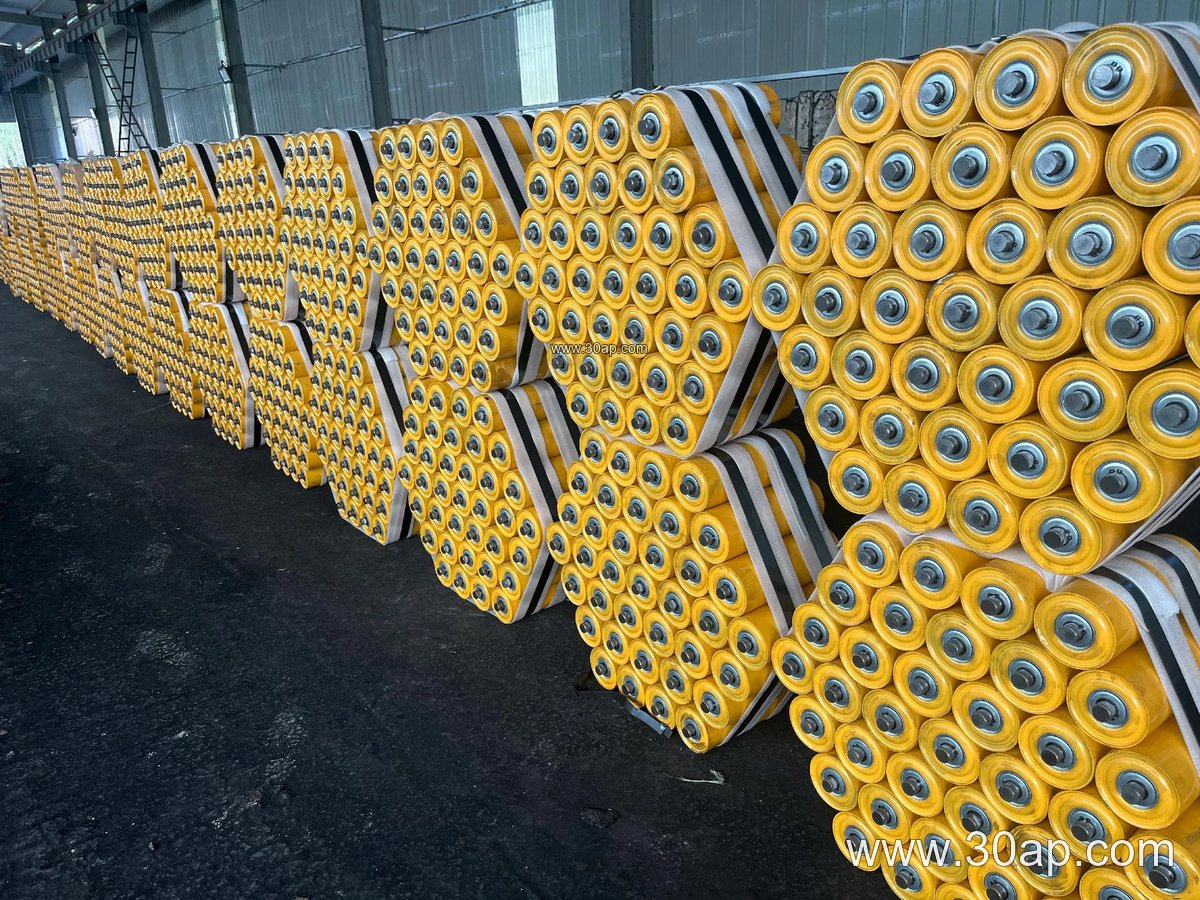
Surface options may include plain steel, nylon, or rubber rings depending on whether the guide idler contacts the belt edge directly or runs against a guide track. In dusty environments like a limestone mine or a sand and gravel line, sealed bearings are essential to prevent grit ingress. The roller length is usually short, often 100 mm to 200 mm, because the guide idler does not span the full belt width. For reference, a belt width of B800 or B1000 may use a guide idler with a roller length around 150 mm to 200 mm, but this is determined by the mounting arrangement rather than a fixed rule.
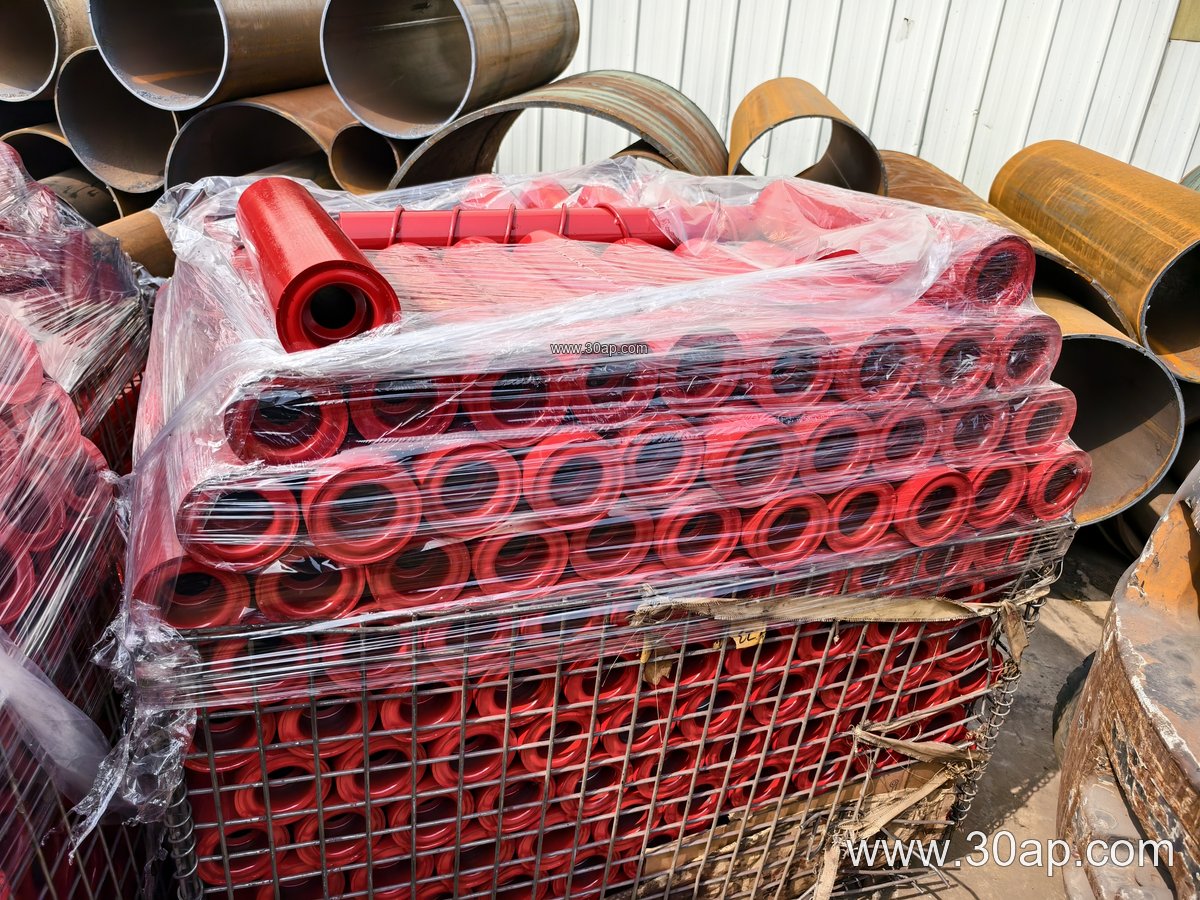
Where Guide Idlers Are Applied
Guide idlers are common in bulk material handling where belt training is critical. In a coal mining conveyor system, they are often installed just before the tail pulley or after a transfer chute to stabilize the belt before it enters the loading zone. In a cement plant, guide idlers help keep the belt centered on long inclined runs where side winds or off-center loading can cause drift. They are also used in port ship loading conveyors and in tunnel excavation muck removal lines.
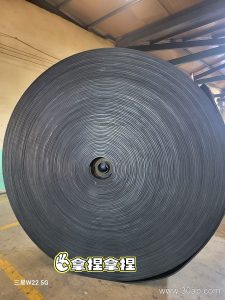
These components work alongside the main conveyor belt, which may be a heavy-duty mining conveyor belt or an abrasion resistant conveyor belt depending on the material. The guide idler does not carry the main tonnage; its role is to guide. For this reason, it is often smaller and more lightly built than a troughing idler. When a conveyor uses a steel cord conveyor belt or a multi-ply fabric core conveyor belt, the stiffness of the belt affects how much guidance force is needed. A very stiff belt may require less frequent guide idler placement, while a thinner EP conveyor belt may need more attention to tracking.
Selection and Maintenance Notes
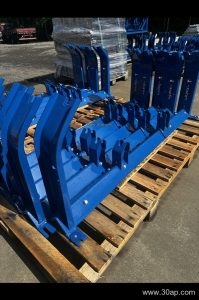
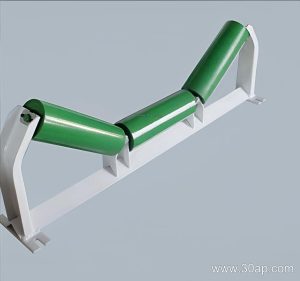
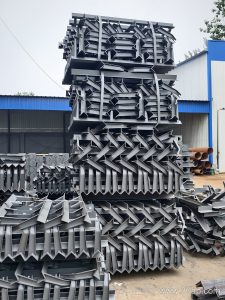
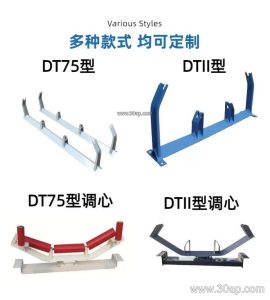
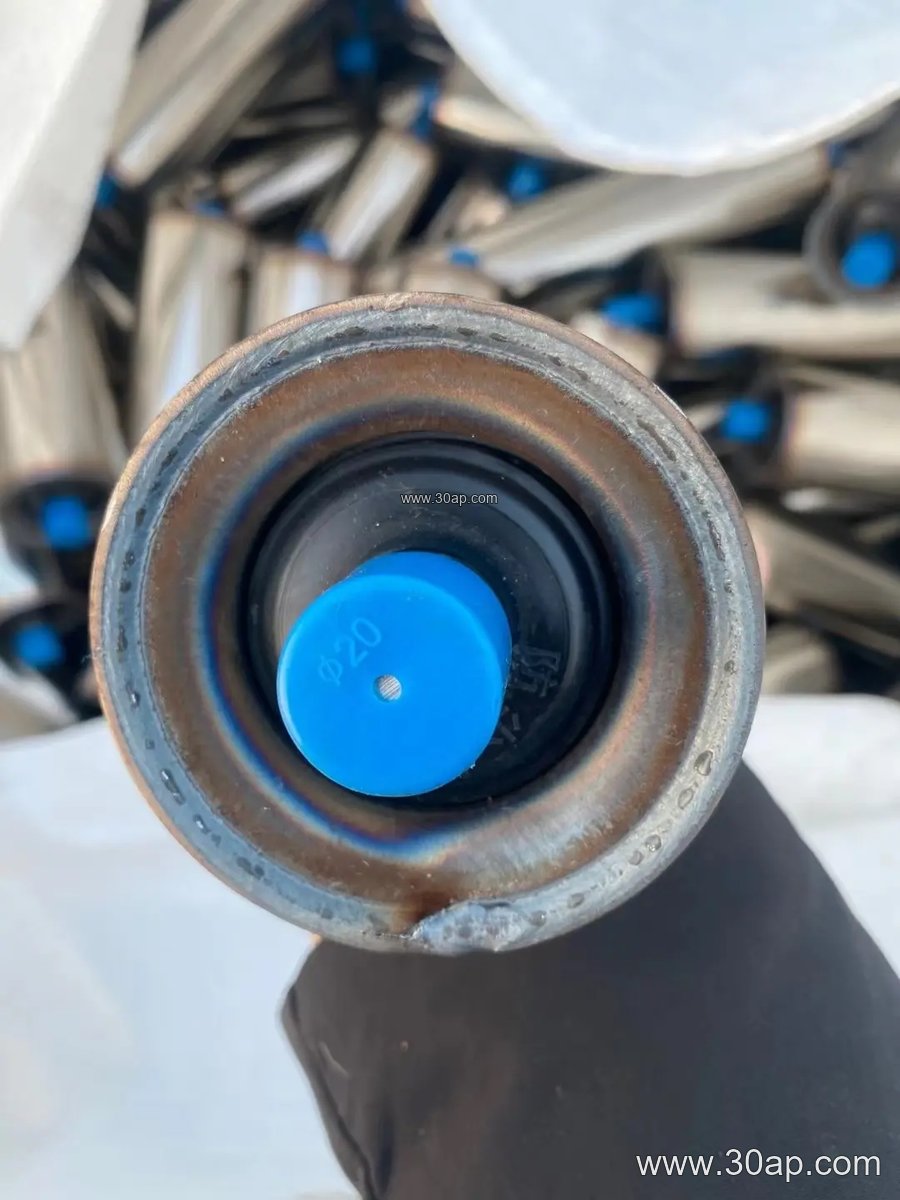
Buyers should consider the belt width, belt speed, and the available mounting space when specifying a guide idler. The roller diameter should be chosen to fit the bracket or frame, not simply copied from the main idler size. Common conveyor bracket designs allow bolt-on installation, but the guide idler may require a dedicated mounting plate or a sliding base for fine adjustment. The table below lists typical reference dimensions for guide idler rollers; these are examples, not mandatory specifications.
| Reference Item | Common Range or Example | Note |
|---|---|---|
| Roller diameter | Ø63 mm, Ø76 mm, Ø89 mm, Ø108 mm | Selected by mounting space and belt edge contact |
| Roller length | 100 mm to 200 mm | Short face, not full belt width |
| Bearing | 6204, 6205, 6305 | Match to load and sealing requirement |
| Surface form | Steel tube, nylon, rubber ring | Rubber ring may reduce belt edge wear |
| Mounting | Bracket or adjustable base | Allow lateral adjustment during installation |
Maintenance is straightforward but important. A guide idler that seizes will rub against the belt and cause rapid edge damage. Regular inspection for rotation, seal condition, and alignment is recommended. In a dusty coal handling plant or a hot cement kiln area, lubricant choice and seal type matter more than roller size. If the belt shows edge fraying, check the guide idler position first; it may be set too tight or misaligned. Remember that a guide idler is a tracking aid, not a load-bearing idler. It should never be used to replace a carrying idler or a return idler in the conveyor support system.
For any conveyor project, the guide idler should be specified together with the conveyor belt type, the pulley arrangement, and the bracket system. Whether the plant handles iron ore, copper ore, or aggregate, the principle is the same: a small, well-placed guide idler can extend belt life and reduce downtime caused by belt misalignment.