What a PVC Mining Conveyor Belt Is
A PVC Mining Conveyor Belt is a solid-woven, PVC-impregnated conveyor belt built for hauling bulk material in mines, quarries, cement plants, power stations, and sand and gravel yards. The carcass is a tightly woven fabric that is fully impregnated and covered with PVC, so the belt is a single, sealed body rather than a stack of rubber plies. In many plants this product is also called a solid woven PVC conveyor belt, and the two names describe the same belt.
Because the construction is sealed, the belt resists moisture ingress and is often chosen where flame retardancy and anti-static performance are required, such as underground coal mining conveyor lines. It is not a replacement for a heavy-duty rubber conveyor belt in every duty, but it fills a specific and important role on many mining conveyors.
How the Belt Is Built
The core of the belt is a woven fabric carcass. During manufacture the fabric is dipped and impregnated with PVC paste, then the top and bottom covers are applied and the whole belt is consolidated. This gives a belt with good troughability, low stretch in service, and a smooth, easy-to-clean surface.
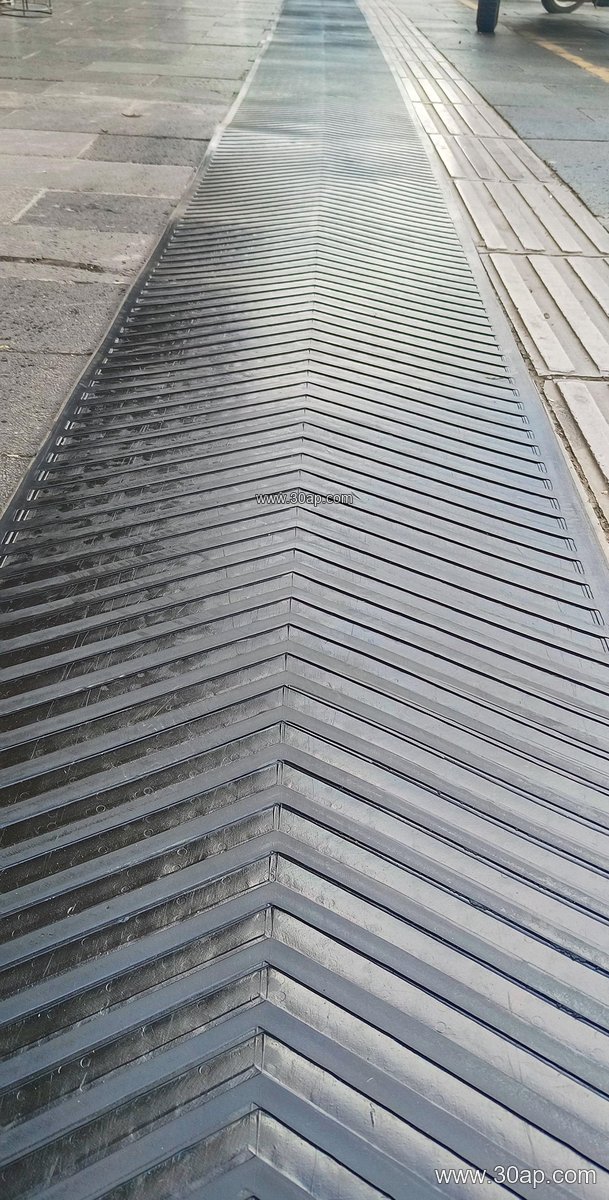
- Solid woven fabric carcass for tensile strength and tear resistance
- PVC impregnation that seals the fabric against water and fines
- Top and bottom covers in various thicknesses to suit abrasion and impact
- Optional anti-static and flame retardant formulations for underground work
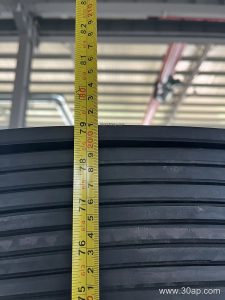
Typical cover combinations follow the same style used across the industry, for example 3+1.5 mm, 4+2 mm, or 5+2 mm, with the exact figures set by the belt design and the duty. Buyers should treat these as common reference values, not fixed promises, because each manufacturer builds to its own specification.
Where It Fits in the Plant
This belt is common in underground coal mining, where flame retardant and anti-static behavior matter, and in surface operations that handle wet or dirty material. You will see it on drift conveyors, panel belts, and transfer conveyors in coal preparation plants. In cement plants and power plants it can serve on limestone, clinker, and coal handling lines where a sealed belt helps with washdown and fine material carryback.
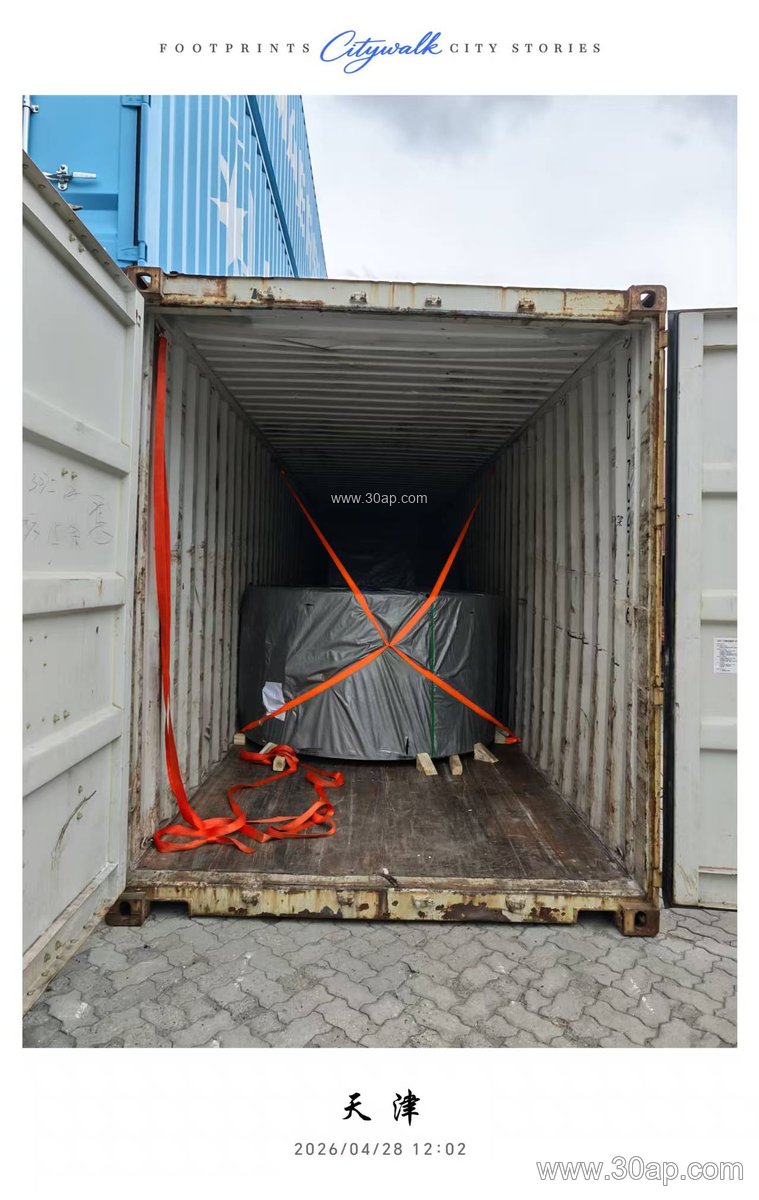
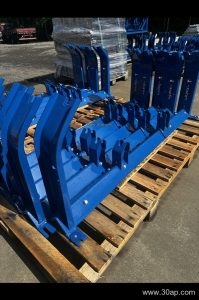
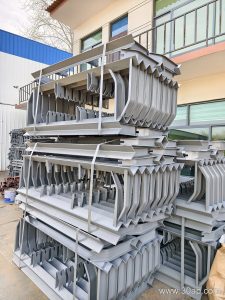
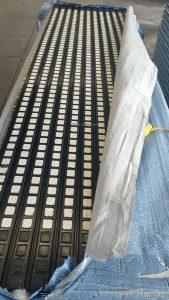
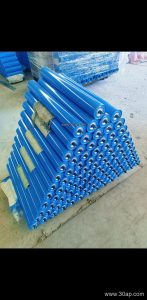
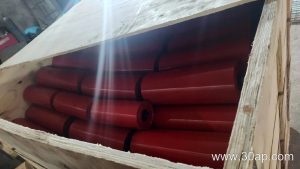
It also appears in sand and gravel yards and quarry conveyor systems feeding screens and crushers. On these lines the belt runs over idler rollers and around a head conveyor pulley, a tail pulley, and bend pulleys, and it is supported by conveyor brackets and frames. Good alignment of the idler roller set and correct pulley lagging help the belt track straight and last longer.
Where the duty calls for higher tension or sharper impact, a fabric core conveyor belt with EP or NN plies, a Steel Cord Conveyor Belt, or a heavy-duty rubber conveyor belt may be the better match. For steep inclines, a Chevron Conveyor Belt or a corrugated sidewall belt can be considered, and for dusty coal work a flame retardant conveyor belt grade is often specified. The PVC Mining Conveyor Belt stays the right choice when a sealed, lightweight, and fire-retardant solid woven belt is what the conveyor was designed around.
Common Sizes and Reference Data
Widths are usually matched to the tonnage and the lump size. Common belt widths include B500, B650, B800, B1000, B1200, B1400, B1600, B1800, and B2000. The table below is reference data only and does not mean every width is stocked or that one width must pair with one pulley diameter.
| Property | Typical Reference Range |
|---|---|
| Belt width | B500, B650, B800, B1000, B1200, B1400, B1600, B1800, B2000 |
| Cover thickness | 3+1.5 mm, 4+2 mm, 5+2 mm, 6+2 mm, 8+3 mm |
| Carcass | Solid woven PVC-impregnated fabric |
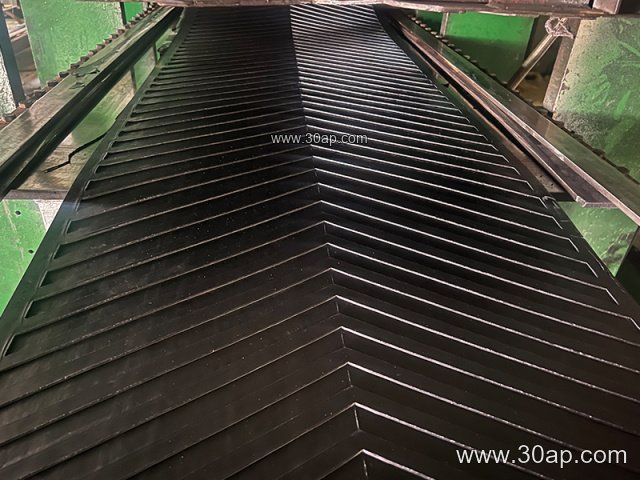
| Surface options | Plain, chevron, or sidewall design as needed |
| Special grades | Flame retardant, anti-static, abrasion resistant |
The final belt width, cover grade, and splice method are set by the conveyor design, the material, and the safety requirements of the site.
What to Check Before Ordering
Start with the material: lump size, moisture, temperature, and whether the site requires flame retardant and anti-static properties. Then confirm the conveyor layout, including the drive pulley, tail pulley, and bend pulley diameters, the idler roller spacing, and the trough angle. Check the minimum pulley diameter recommended for the belt thickness, and confirm the splice type the installation team can handle.
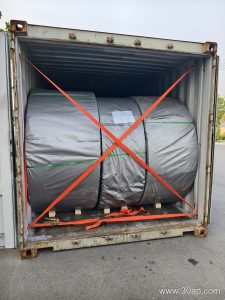
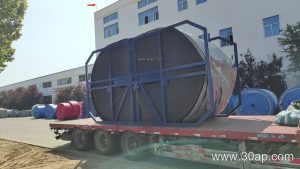
Ask for the cover grade and carcass data in writing, and confirm how the belt will be delivered, coiled or as an Endless Conveyor Belt made to length. For a wet or dusty mine, plan a cleaning and inspection routine around the head pulley and the return idler rollers. A correctly specified PVC Mining Conveyor Belt, matched to its pulleys, idlers, and brackets, will run cooler and last longer than one chosen on width alone.