What a Heat Resistant Conveyor Belt Does
A Heat Resistant Conveyor Belt is a rubber conveyor belt built to carry hot materials without the cover compound breaking down too quickly. In cement plants, steel plants, power plants, and some quarry or sinter operations, material leaves a kiln, cooler, or furnace at temperatures that would soften and crack an ordinary belt. The heat-resistant belt uses a cover compound and a carcass designed to tolerate that exposure while keeping the belt tracking on the conveyor frame.
Buyers often see this product described as a high temperature conveyor belt. Both names refer to the same belt family, and the wording does not change the construction or the selection rules. The important question is not the label but the actual material temperature, the lump size, and how the heat reaches the belt surface.
Construction and Compound Choices
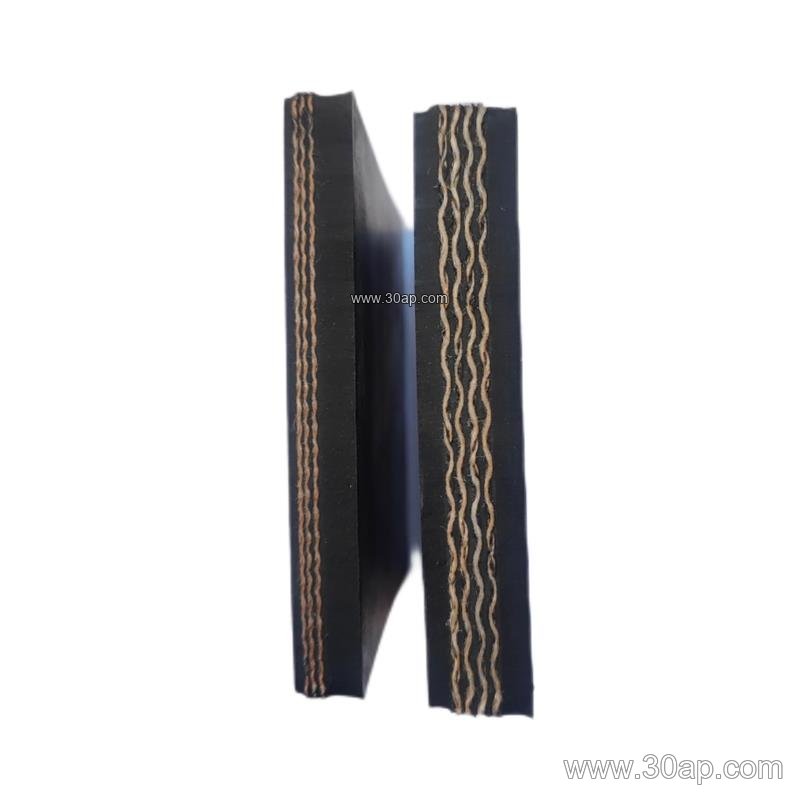
The belt usually combines a fabric core or a steel cord carcass with heat-resistant cover rubber. Common carcass options include EP Conveyor Belt fabric, NN Conveyor Belt fabric, and steel cord designs where tensile strength and low stretch matter. A Multi-Ply Fabric Core Conveyor Belt is common in medium-duty transfers, while an EP Conveyor Belt is widely chosen for general hot-material service because of its balance of strength and moisture resistance.
Cover compounds for heat service are formulated differently from standard abrasion-resistant rubber. They resist hardening and cracking, but they are not unlimited in temperature. A belt that handles hot cement clinker well may not suit glowing coke or direct flame. Selection should follow the supplier’s temperature class and the measured surface temperature at the loading point, not a guess based on the process name.
| Parameter | Typical Reference Range |
|---|---|
| Strength grades (EP) | EP200, EP315, EP400, EP500, EP630, EP800, EP1000, EP1250 |
| Belt width | B500, B650, B800, B1000, B1200, B1400, B1600 |
| Cover thickness | 4+2 mm, 5+2 mm, 6+2 mm, 8+3 mm |
| Carcass plies | Usually 2 to 6 fabric layers |
These figures are reference data. Actual construction is confirmed by design for each conveyor.
Where Hot Belts Are Used
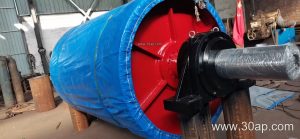
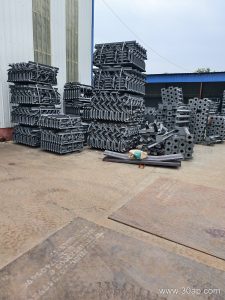
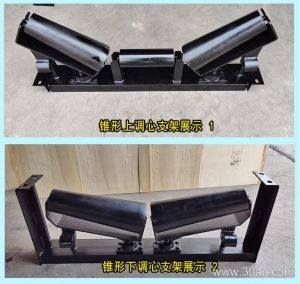
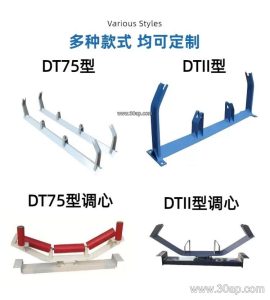
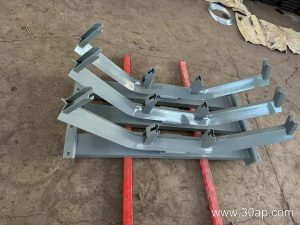
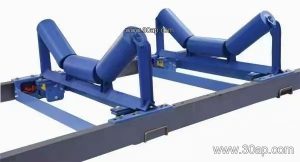
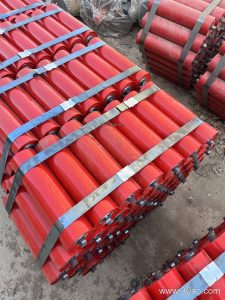
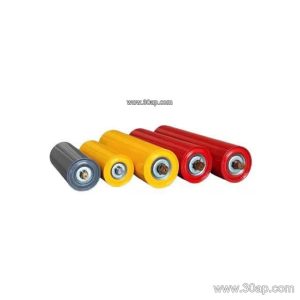
Cement plants use them for clinker and hot cement transfers. Steel plants may use them for sinter, coke, and slag-adjacent streams. Power plants and coal handling systems sometimes need heat tolerance where material has passed through a hot process. Foundries, lime kilns, and some recycling lines also present hot loads. In these plants the belt works alongside conveyor pulleys, idler rollers, and conveyor brackets that must also tolerate heat and dust.
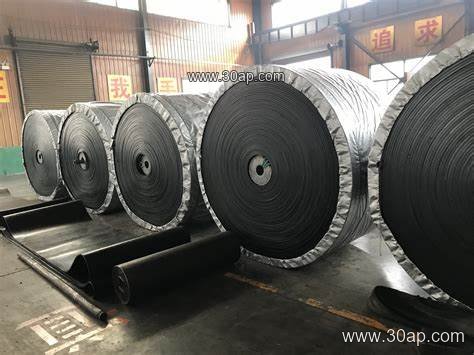
Hot material is not the only challenge. A crusher conveyor belt or quarry conveyor belt may face sharp lumps and impact at the same time. In such cases a heat-resistant cover may be combined with an impact-resistant carcass, and the discharge chute should be designed to reduce drop height. Good support from the idler roller set and correct pulley alignment help prevent edge damage and mistracking.
What to Check Before Ordering
- Measure the material temperature at the belt surface, not only inside the furnace or kiln.
- Confirm lump size and drop height, since hot sharp lumps damage covers faster than fine material.
- Check whether the belt also needs flame retardant or anti-static properties, especially in coal or underground service.
- Review pulley diameters and take-up travel so the belt can be spliced and tensioned correctly.
A Flame Retardant Conveyor Belt and a Heat Resistant Conveyor Belt are different specifications, and one does not automatically replace the other. Where both properties are required, state both clearly in the inquiry. The same applies to an Oil Resistant Conveyor Belt or an Abrasion Resistant Conveyor Belt used in the same plant.
Installation and Maintenance Notes
Hot belts benefit from a stable, well-aligned conveyor structure. Check conveyor pulleys for build-up, keep idler rollers turning freely, and inspect the loading zone for wear. Avoid excessive tension, which can shorten carcass life, and allow the belt to cool before long shutdowns if the process permits. Store spare belts away from direct sunlight and ozone sources.
For an industrial plant, the practical approach is to match the belt grade to the measured duty, confirm the cover thickness and carcass with the supplier, and keep the conveyor frame, pulleys, and rollers in good condition. That combination gives the Heat Resistant Conveyor Belt the best chance of long service in cement, steel, power, and mining operations.