What a 500mm Diameter Conveyor Pulley Is
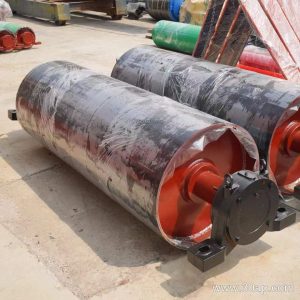
A 500mm diameter conveyor pulley is a mid-to-large drum that guides and drives the conveyor belt on bulk handling systems. At this diameter, the pulley has enough circumference to spread bending stress over a longer arc, which helps extend belt life where tension and load are heavy. In plant drawings it may appear as Ø500 pulley or 500 mm drum pulley; both refer to the same component, while terms such as drive pulley, tail pulley and bend pulley describe its position and function and are not interchangeable.
Common Positions and Duties
- Drive or head pulley on medium-duty main lines
- Tail pulley at the loading end
- Bend or snub pulley in the return run
- Tension pulley in take-up arrangements
The duty determines shell thickness, shaft size, lagging and bearing selection, not the diameter alone.
Construction and Surface Options
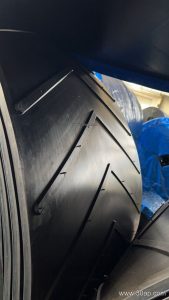
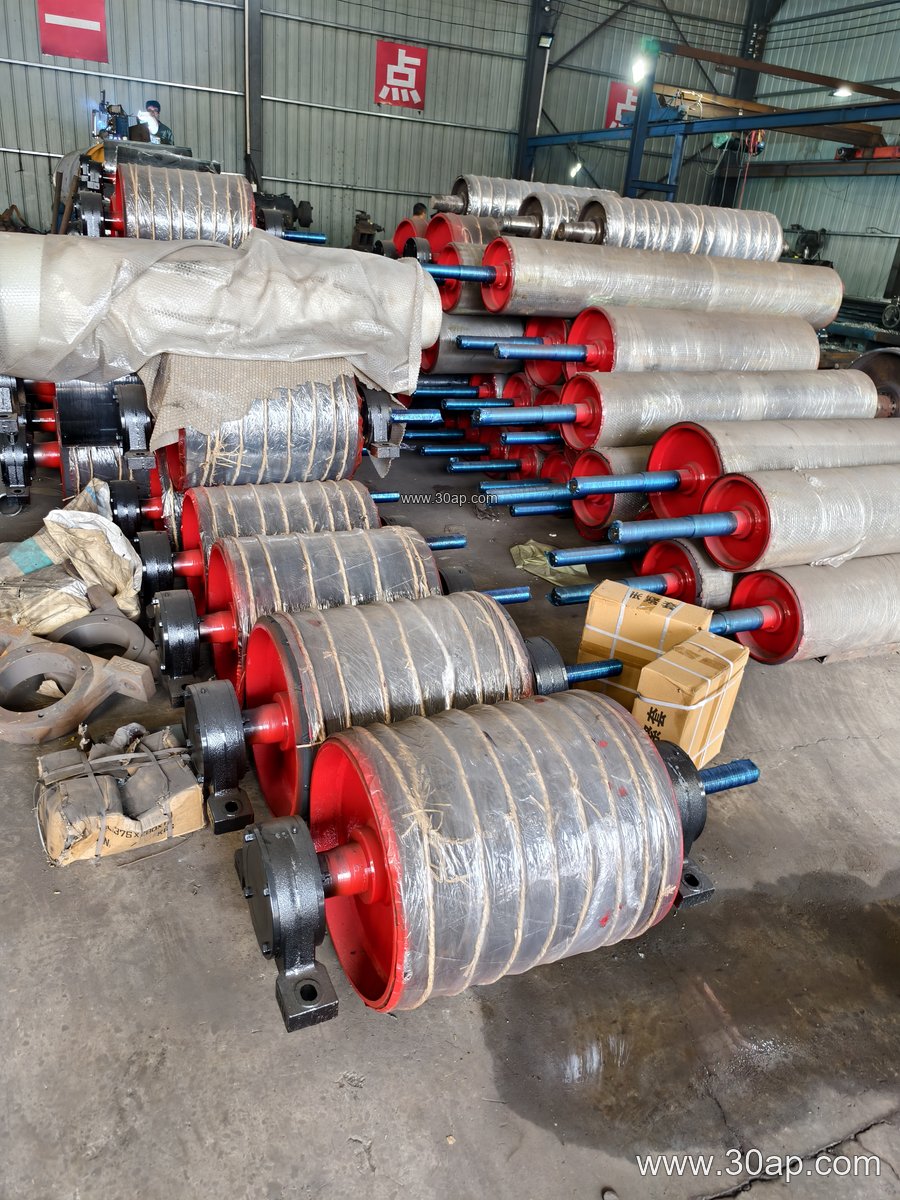
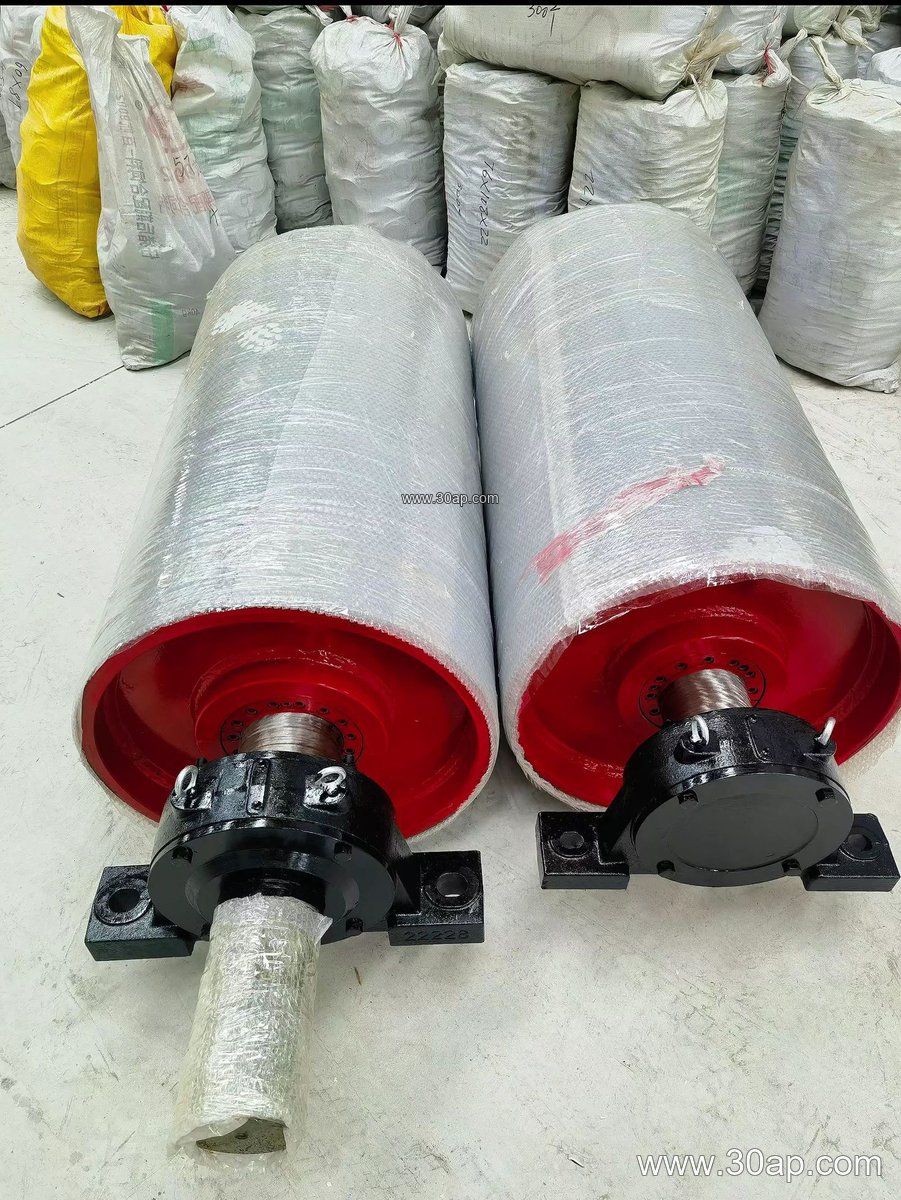
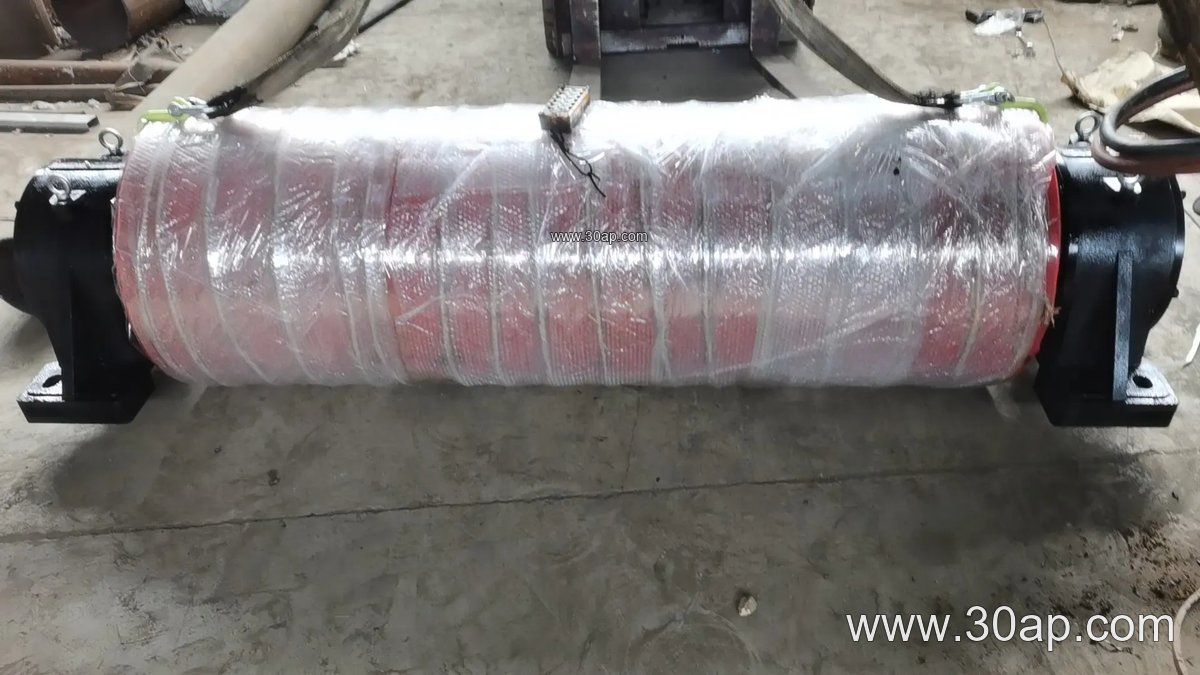
A typical 500mm diameter pulley uses a welded steel shell, end discs, a through shaft and bearing housings. Some designs use a hub-and-bushing connection for easier shaft removal. Surface finish matters as much as size. Plain finish suits light contact; rubber lagging improves grip and reduces slip; diamond or herringbone grooving helps shed water and fines; ceramic lagging is chosen for high-wear zones. Lagging thickness is commonly 8, 10, 12, 15 or 20 mm, selected by abrasion level and required friction rather than by diameter.
| Parameter | Typical Range |
|---|---|
| Diameter | Ø500 mm |
| Belt width combinations | B650, B800, B1000, B1200 |
| Face width (examples) | About 750 mm for B650; about 950 mm for B800; about 1150 mm for B1000; about 1400 mm for B1200 |
| Shaft diameter | Ø80, Ø90, Ø100, Ø120, Ø140 mm (by torque and load) |
| Lagging types | Plain, cold-bonded rubber, hot vulcanized rubber, diamond, ceramic |
| Lagging thickness | 8, 10, 12, 15, 20 mm |
Note that face width is usually slightly wider than the belt, and a single belt width can pair with more than one pulley diameter. Shaft diameter must be calculated from torque, radial load and bearing life, never copied from belt width alone.
Where a 500mm Diameter Pulley Fits
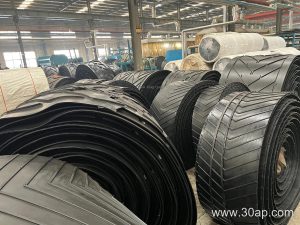
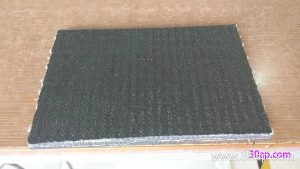
This size appears in quarry and aggregate lines, cement plant clinker transport, power plant coal handling and iron ore or copper ore circuits. It is often used with abrasive resistant conveyor belt, EP conveyor belt or steel cord conveyor belt where tension is moderate to high. On a crusher conveyor belt or a rock conveyor belt, a 500 mm drum with rubber lagging can hold traction without over-stressing the carcass. In dusty or wet conditions, grooved lagging helps keep the belt tracking. The same size may serve as a bend pulley in a long overland system or as a tail pulley behind a loading hopper.
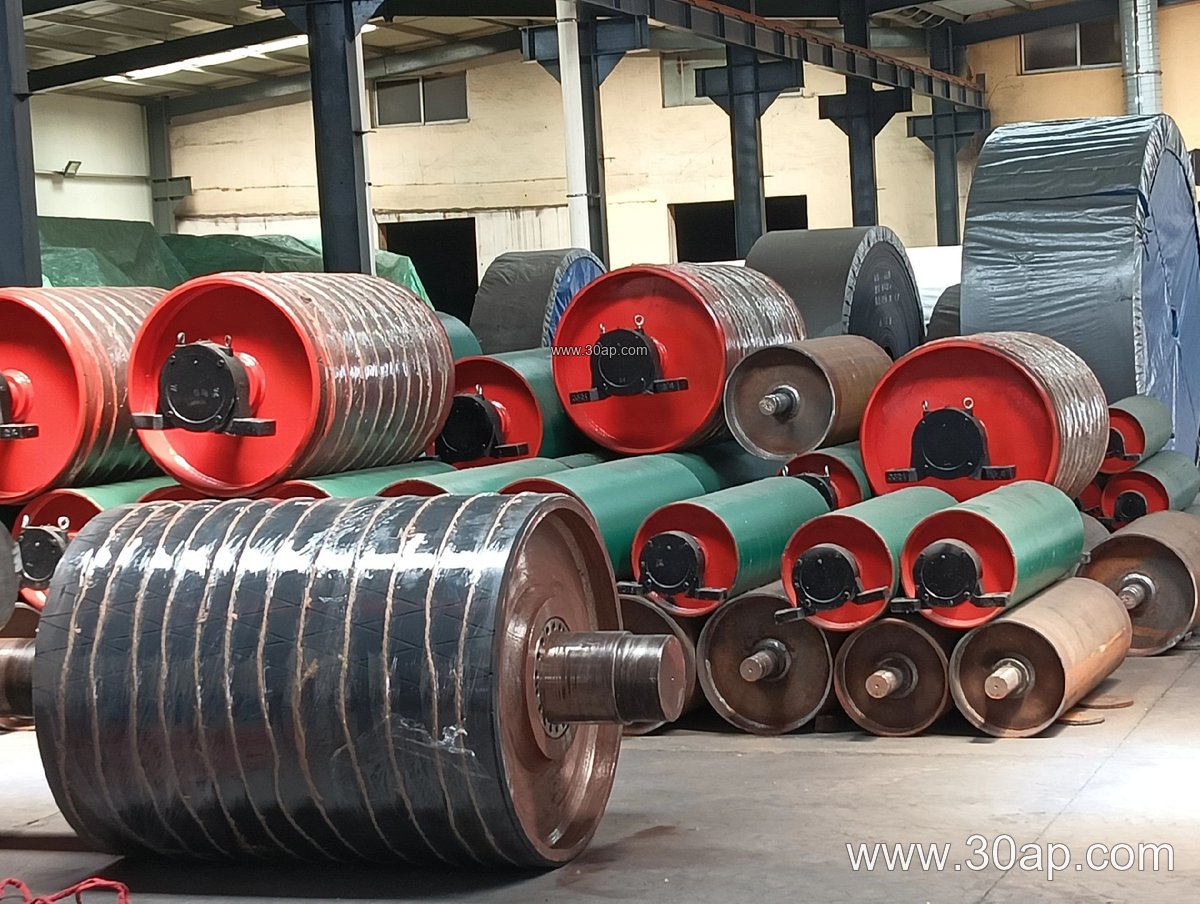
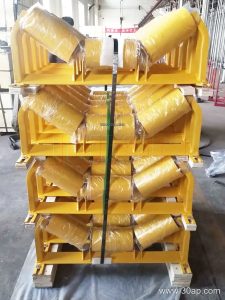
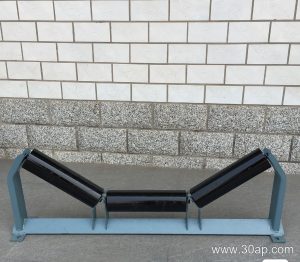
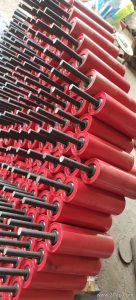
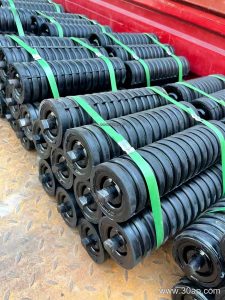
Related hardware includes the conveyor bracket that carries the bearing housing, idler roller sets that support the belt between pulleys, and skirted or corrugated sidewall belt where material containment is needed. For very wide belts, a 500 mm diameter may be too small in bending terms, and designers move up to Ø630 or Ø800; for narrow belts it may be larger than necessary. Selection should follow the actual belt tension and wrap angle.
Buyer Checklist
- Confirm the belt width and required face width, not just the diameter.
- State the position: drive, tail, bend, tension or snub.
- Specify lagging type and thickness for the material handled.
- Provide shaft diameter and bearing type, or the torque and load data so the supplier can size them.
- Check balance, runout and welding quality for smooth rotation.
- Match the pulley to the conveyor belt specification, including fabric core or steel cord construction.
During maintenance, inspect lagging wear, check bearing temperature and verify that the pulley remains square to the belt. A worn 500mm diameter conveyor pulley can cause belt mistracking, slip and edge damage, so replacement or re-lagging should be planned before these faults spread to the idler roller and frame.