What a Skirted Conveyor Belt Is
A skirted conveyor belt is a type of conveyor belt equipped with raised side walls or skirts along its edges. These skirts are typically made of rubber or a rubber-like material and are attached to the belt surface, creating a trough-like channel that helps contain bulk materials during transport. This design is particularly useful in applications where material spillage is a concern or where the conveyor follows a curved path. The skirted conveyor belt is often referred to as a corrugated sidewall conveyor belt when the skirts are corrugated for flexibility. However, it is distinct from a corrugated sidewall conveyor belt with cleats, as the skirted belt focuses on side containment without necessarily including cross cleats.
Construction and Design Features
The skirted conveyor belt is built on a fabric core or steel cord base, similar to standard conveyor belts. The base belt provides tensile strength and load support, while the skirts are vulcanized or mechanically fastened to the edges. Common base belt types include EP conveyor belt (polyester-nylon) and NN conveyor belt (nylon-nylon), chosen for their strength and fatigue resistance. The skirt height and profile can vary to accommodate different material volumes and angles of repose. The belt may also include cross cleats for steep incline conveying, but the skirted variant primarily emphasizes side containment. The skirt material is often abrasion resistant and may be reinforced with fabric inserts for durability. The belt edges are typically sealed to prevent material ingress between the skirt and the base belt.
Typical Applications and Industries
Skirted conveyor belts are widely used in industries handling bulk materials such as mining, coal, cement, power plants, and aggregate processing. In mining operations, they help contain ore and rock on inclined or curved conveyors, reducing spillage and maintenance. Cement plants use them for transporting clinker and raw materials in confined spaces. Power plants employ them for coal handling, where dust suppression and material containment are important. The skirted design is also beneficial in port facilities and ship loading systems, where material loss must be minimized. For underground coal mining, flame retardant and anti-static properties may be required, and a flame retardant conveyor belt with skirts can be specified. Similarly, heat resistant conveyor belt variants are available for handling hot materials like cement clinker or foundry sand.
Key Specifications and Options
When selecting a skirted conveyor belt, several parameters should be considered. The belt width commonly ranges from 500 mm to 2000 mm, with wider belts available for high-capacity applications. The base belt strength is often defined by EP or NN grades, such as EP200, EP400, EP630, or NN300, depending on the load and conveyor length. Cover rubber thickness might be specified as 4+2 mm, 5+2 mm, or 6+2 mm for wear resistance. The number of fabric plies typically ranges from 2 to 6. Skirt height and cleat height are customized to the application. For harsh environments, abrasion resistant, oil resistant, or cold resistant conveyor belts can be supplied with skirts. The table below summarizes common reference values, but these are not universal and should be confirmed with the manufacturer.
| Parameter | Common Range | Notes |
|---|---|---|
| Belt width | B500 to B2000 | Wider belts for higher capacity |
| Base belt type | EP, NN, steel cord | EP100 to EP630 typical for skirted belts |
| Cover thickness | 3+1.5 mm to 8+3 mm | Top and bottom cover |
| Number of plies | 2 to 6 | Fabric core |
| Skirt height | 40 mm to 300 mm | Customizable |
| Cleat height (if applicable) | 30 mm to 200 mm | For inclined conveying |
Note that these are reference values; actual specifications depend on the conveyor design and material characteristics.
Buyer’s Checklist for Skirted Belts
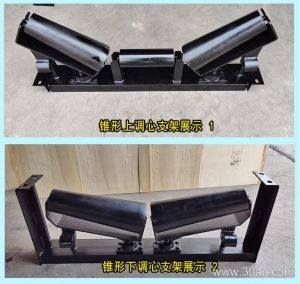
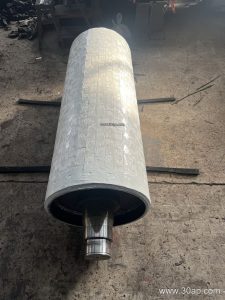
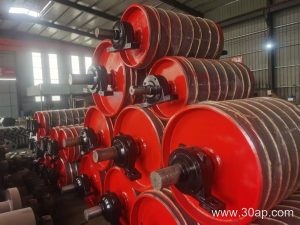
Before purchasing a skirted conveyor belt, buyers should evaluate the material being conveyed, including its bulk density, particle size, moisture content, and temperature. The conveyor profile—horizontal, inclined, or curved—affects the required skirt height and cleat pattern. Environmental conditions such as exposure to oil, chemicals, or extreme temperatures dictate the need for specialty covers like oil resistant or heat resistant conveyor belt. For underground mining, flame retardant and anti-static properties are often mandatory. It is also important to consider the pulley diameters, as the skirt height must clear the conveyor pulley and idler roller. The belt should be compatible with the conveyor bracket and pulley design. Buyers should request a detailed specification sheet and verify that the skirt attachment method suits their maintenance capabilities. Working with a reputable supplier ensures that the skirted conveyor belt meets the operational demands of industries such as mining, cement, and power generation.
Maintenance and Operational Notes
Regular inspection of the skirt edges is recommended to detect wear or detachment. Material buildup under the skirt can cause tracking issues, so cleaning systems and proper belt tension should be maintained. The skirted conveyor belt should be stored in a cool, dry place away from direct sunlight and ozone sources. When splicing, the skirt must be properly aligned to avoid gaps. For high-abrasion applications, consider a high abrasion resistant conveyor belt base to extend service life. In cold climates, a cold resistant conveyor belt with skirts prevents cracking. Always follow the manufacturer’s guidelines for installation and tensioning to ensure optimal performance and longevity of the skirted conveyor belt system.