What a Power Plant Conveyor Idler Does
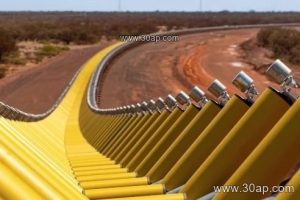
A power plant conveyor idler is the rotating support that carries the loaded belt along the coal handling route, from the receiving hopper through the transfer towers to the boiler bunkers. In a coal-fired station, the belt may run several hundred meters at steady load, and the idler roller set underneath it has to keep the conveyor belt tracking, control sag between trestles, and protect the belt cover from abrasion. The same duty appears in biomass and limestone handling lines, so operators often stock one idler family across the yard.
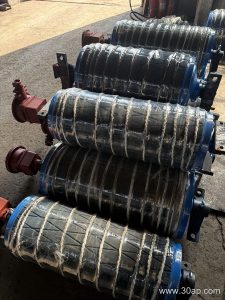
The idler is not a passive part. Rolling resistance from a poorly aligned or seized roller adds directly to the drive load, and in a power plant this shows up as extra current on the conveyor motor. That is why idler condition is usually checked on the same walk-down as the belt surface and the conveyor pulley lagging.
How the Idler Is Built
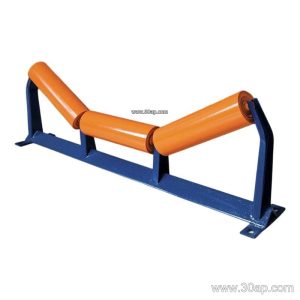
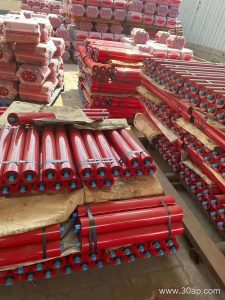
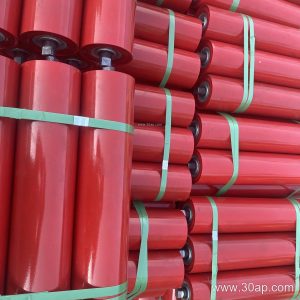
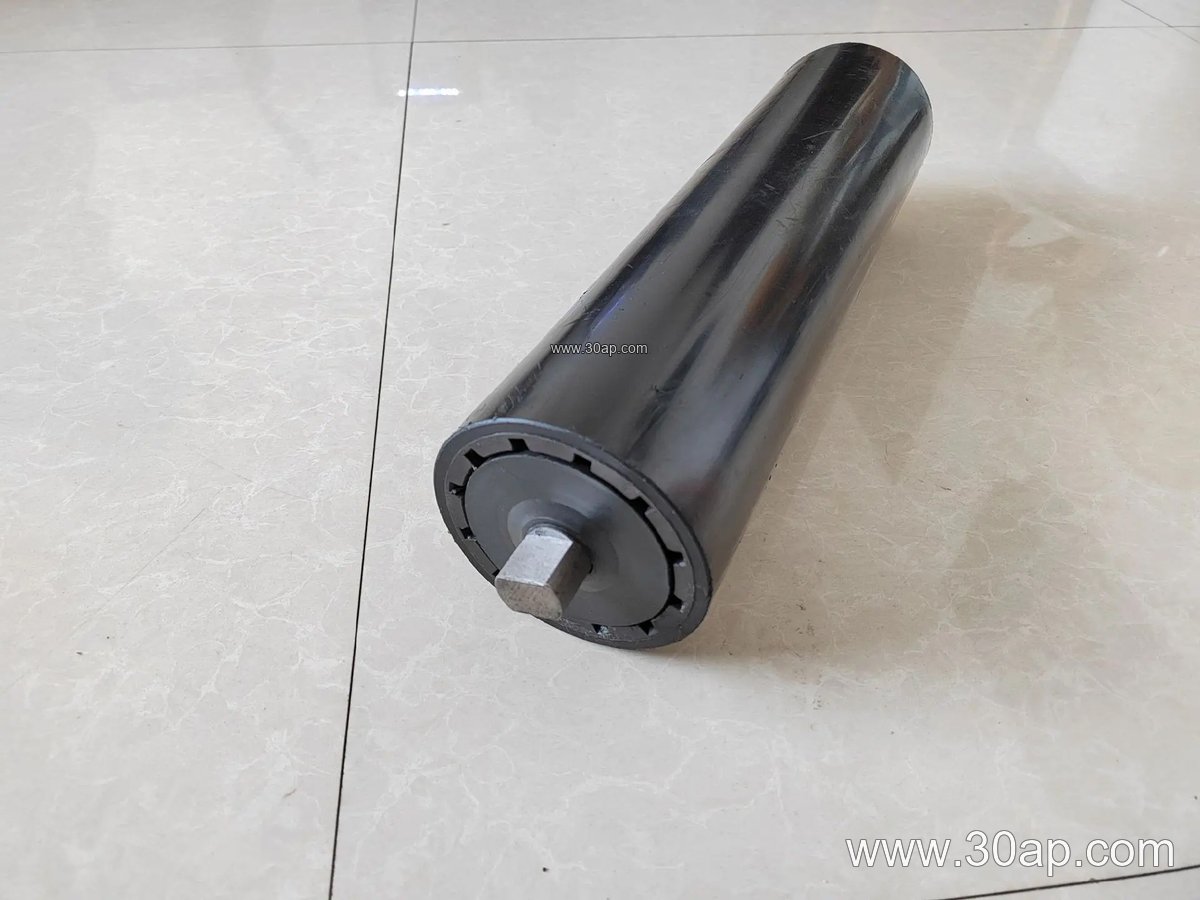
A typical troughing idler is a steel tube shell pressed onto bearing housings at each end, filled with grease, and sealed against dust and wash-down water. The shaft passes through the shell and sits in the conveyor bracket on the stringer. Common shell materials include plain steel tube, nylon, ceramic-faced tube and rubber ring versions, and the choice follows the material being carried.
- Shell: steel tube for general coal duty, ceramic or rubber ring for impact zones
- Bearing: 6204, 6205, 6305, 6306, 6308 and 6310 sizes are frequently used, matched to load rather than to belt width alone
- Seal: labyrinth or contact seal, important in coal dust and ash
- Shaft: sized by the idler manufacturer for the frame and load rating
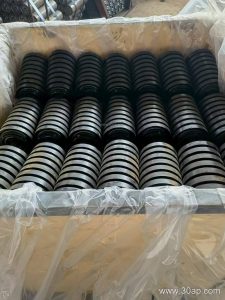
Sets are normally supplied as single-roll, two-roll or three-roll troughing assemblies. Return strands use a flat or V-shaped return idler, while impact idlers with rubber rings sit below the loading point.
Trough Angle and Belt Width
The trough angle affects how the load sits in the belt. A 20 degree set is gentle and suits wide, easily displaced material; 30 and 35 degree sets are the common choice in coal yards; 45 degree sets give deeper capacity but need a belt that can flex without cracking at the edges. A forward tilt of about 1.5 to 2 degrees is used on training idlers to help the belt stay centered.
Roll length follows belt width, trough angle and frame type, and it is set by design rather than by a single rule. As a general reference, three-roll troughing sets are commonly built with roll lengths near 200 mm for B500, 250 mm for B650, 315 mm for B800, 380 mm for B1000, 465 mm for B1200, 530 mm for B1400, 600 mm for B1600, 670 mm for B1800 and 750 mm for B2000. Side rolls and center rolls can differ, and the final length should be confirmed against the conveyor drawing.
| Item | Common reference values |
|---|---|
| Idler diameter | Ø63, Ø76, Ø89, Ø102, Ø108, Ø127, Ø133, Ø159, Ø178, Ø194, Ø219 mm |
| Belt width | B400 to B2400 mm |
| Trough angle | 20, 30, 35, 45 degrees |
| Bearing | 6204 to 6310, selected by load |
Where It Fits in the Plant
The heaviest idler population is usually on the coal yard and boiler feed conveyors. In a coal mining conveyor belt or underground coal mining conveyor belt feeding a stockyard, impact idlers protect the belt at the crusher discharge, while troughing sets carry the coal at speed. In a limestone or gypsum handling line serving the FGD area, abrasive dust wears the shell and seal, so ceramic or rubber-covered rollers are often preferred. Port and ship loading conveyors use long flights where every seized idler adds friction over distance.
Belt selection and idler selection belong together. A heavy-duty mining conveyor belt with a thick cover tolerates a firmer trough, while a heat resistant conveyor belt on a hot clinker or ash line needs idlers that do not trap heat against the cover. Flame retardant conveyor belt used in coal tunnels is usually paired with anti-static rollers and grounded frames.
What Buyers Should Check
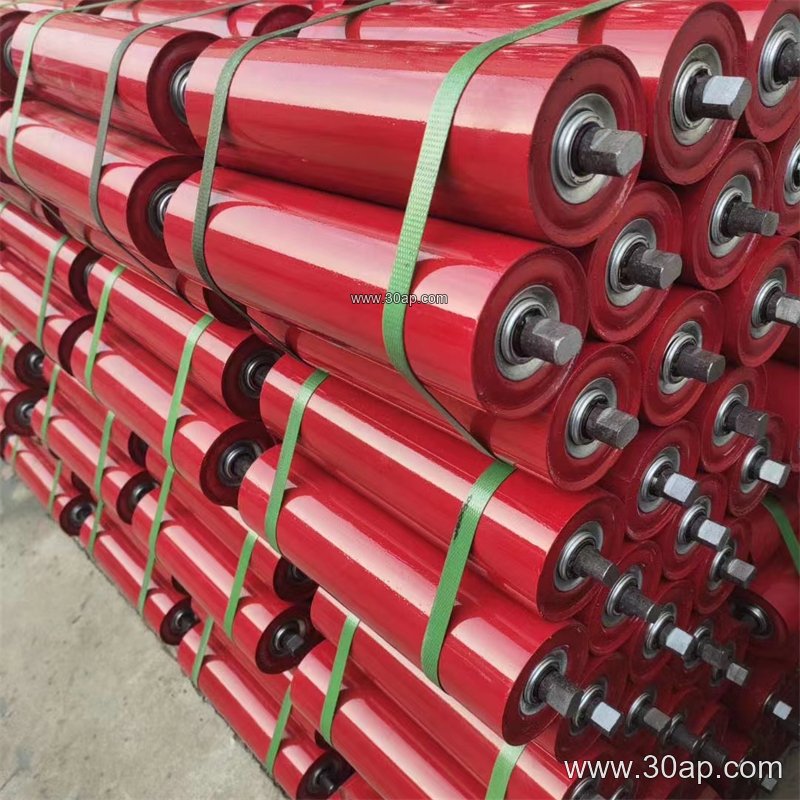
Start with the conveyor drawing: belt width, trough angle, frame spacing, and whether the position is carrying, return, impact or training. Then confirm the shaft and bearing arrangement with the supplier, because a bearing number alone does not define an idler. Ask about seal type and grease retention, since dust ingress is the main cause of early failure in power plant coal handling.
Spare parts planning matters more than it seems. A plant that keeps a small stock of complete idler sets, rather than loose shells and bearings, can replace a failed unit during a short outage. Matching the replacement to the original frame avoids the belt edge damage that comes from a mismatched roll length.
Maintenance Notes
Walk the conveyor regularly and listen for squealing or rumbling rollers. Check for belt misalignment near the training idlers, and inspect the loading zone for broken rubber rings after a crusher upset. Grease only where the idler is designed for relubrication; sealed-for-life units should be replaced rather than forced. Keep the idler roller surface and the conveyor bracket clean of spilled coal, because build-up changes the belt line and loads the edges.
For bulk material conveyor belt systems running around the clock, a simple record of idler failures by position helps identify whether the problem lies with the seal, the material, or the alignment. That record is more useful than any single specification when the next replacement order is prepared.