What Is an Abrasion Resistant Conveyor Belt
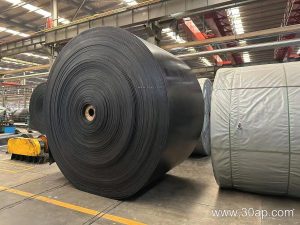
An abrasion resistant conveyor belt is a heavy-duty rubber belt engineered to withstand the cutting, gouging, and wear caused by sharp, hard, and fast-moving materials. In industries such as mining, coal preparation, cement production, power generation, and aggregate processing, ordinary belts can fail quickly when exposed to crushed rock, ore, clinker, or sand. This belt type uses a tough rubber cover compound and a strong carcass to deliver a longer service life in these punishing conditions. It is often specified as a high abrasion resistant conveyor belt when the wear profile is especially severe.
The product is not a single universal design. It can be built on different carcass types, including EP fabric, NN fabric, or steel cord, and may include additional features such as flame retardancy or heat resistance. The core promise, however, remains the same: resist surface wear and protect the belt’s internal structure so the conveyor line keeps running.
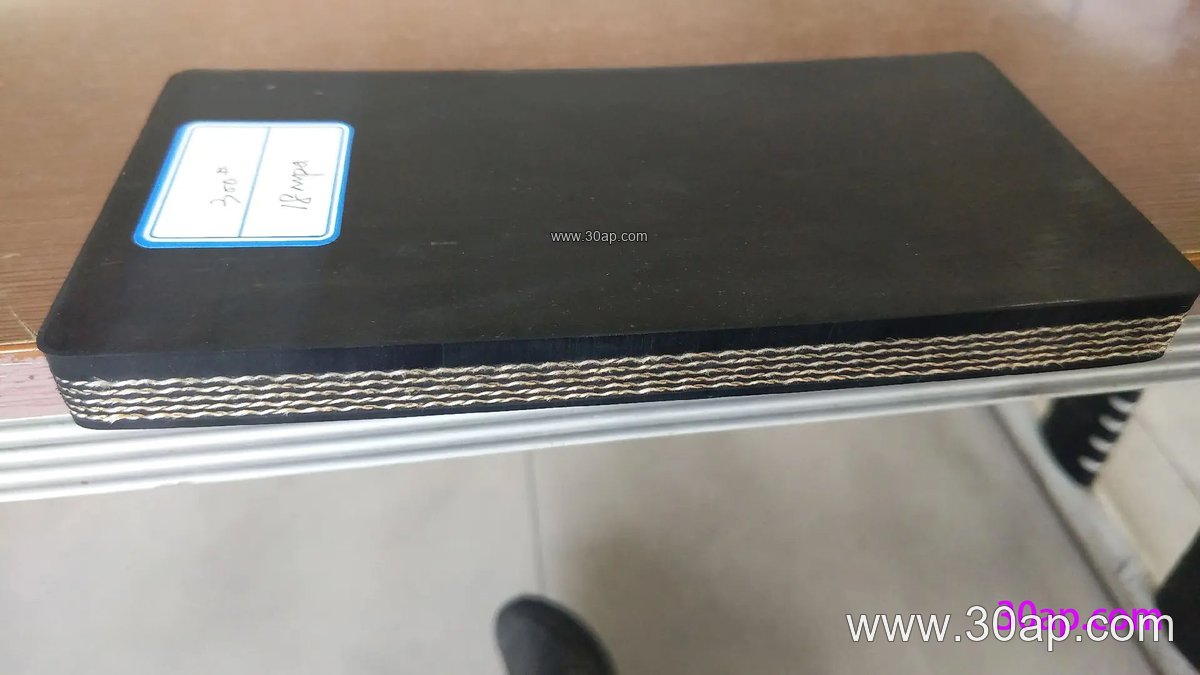
Construction and Key Components
A typical abrasion resistant belt combines a wear-resistant top cover, a fabric or steel cord carcass, and a bottom cover. The cover compound is usually a blend of natural and synthetic rubbers selected for high tear strength and low abrasion loss. The carcass provides tensile strength and dimensional stability. For demanding mining and quarry duties, an EP conveyor belt (polyester warp, nylon weft) is a common choice because it offers low stretch and good impact resistance. A NN conveyor belt (nylon warp and weft) is also used where high flexibility and impact absorption are needed. Steel cord conveyor belt constructions are chosen for very long runs and high tension.
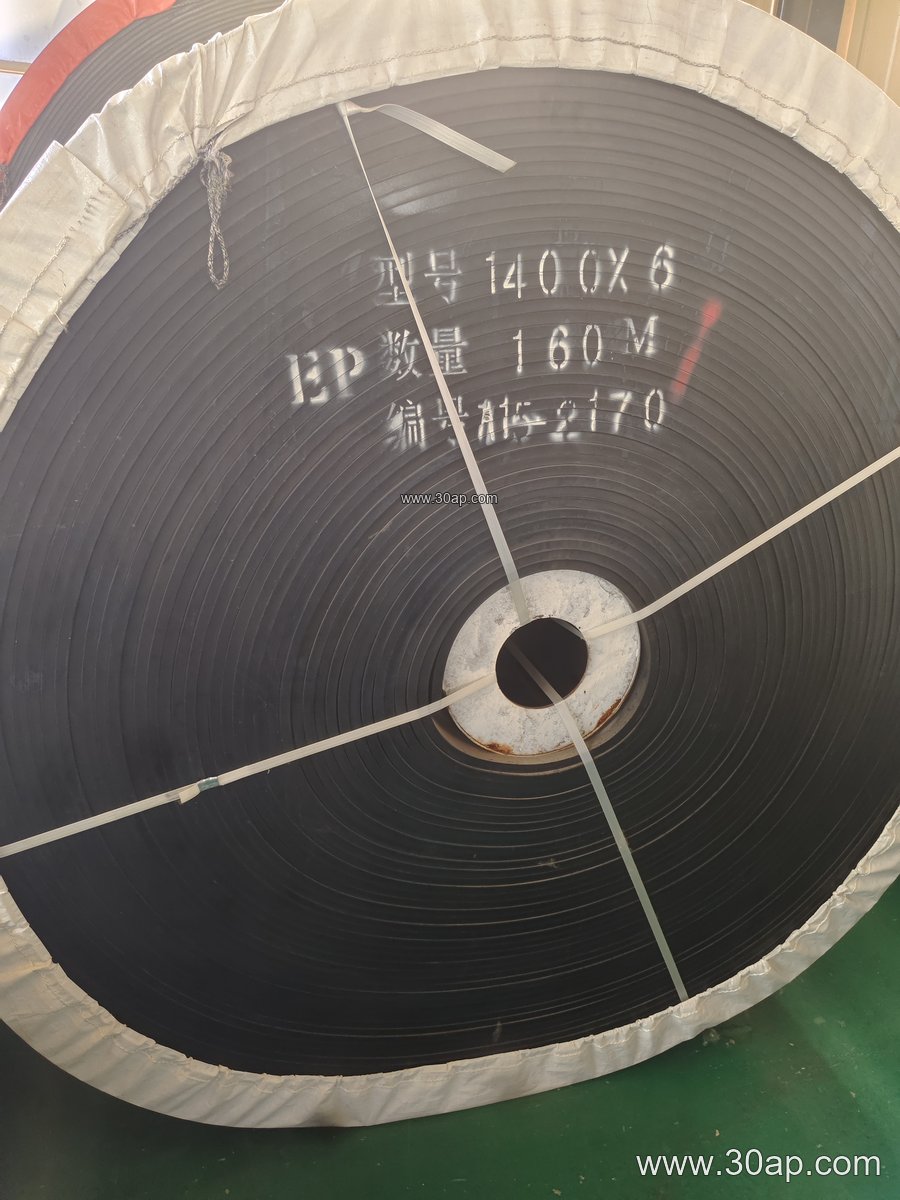
Cover thickness is often expressed as top cover plus bottom cover, for example 5+2 mm or 6+2 mm, with heavier builds like 8+3 mm available for extreme wear. The number of fabric plies typically ranges from 2 to 6, depending on the required strength. Buyers should confirm the actual cover grade and carcass specification with the manufacturer, as values vary by design and application.
Common Construction Reference
| Element | Typical Options |
|---|---|
| Carcass type | EP fabric, NN fabric, steel cord |
| Strength grade (EP) | EP200, EP315, EP400, EP500, EP630, EP800, EP1000, EP1250, EP1600, EP2000 |
| Cover thickness | 3+1.5 mm, 4+2 mm, 5+2 mm, 6+2 mm, 8+3 mm |
| Number of plies | 2 to 6 (fabric core) |
| Belt width | B500, B650, B800, B1000, B1200, B1400, B1600, B1800, B2000 |
Where Abrasion Resistant Belts Are Used
These belts are widely found in primary and secondary crushing circuits, screen feeding, and transfer points where material impact and sliding abrasion are intense.
- Mining and coal: run-of-mine ore, coal, and waste rock handling. A flame retardant conveyor belt or anti-static conveyor belt may be required underground.
- Cement and lime: clinker, limestone, and raw meal transport, often with heat resistant conveyor belt grades near kilns.
- Power plants: coal and ash handling systems.
- Quarries and sand plants: crushed stone, gravel, and sand, where an aggregate conveyor belt or crusher conveyor belt must tolerate sharp edges.
- Ports and ship loading: bulk material conveyor belt lines moving abrasive cargoes.
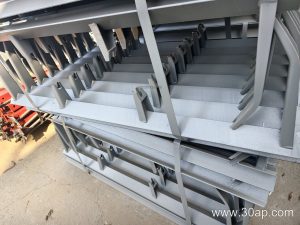
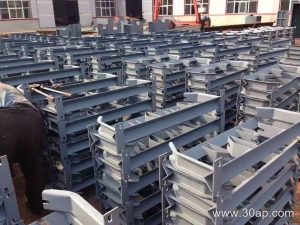
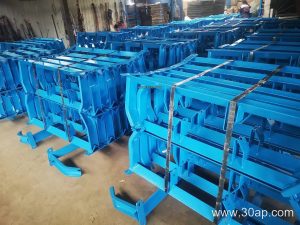
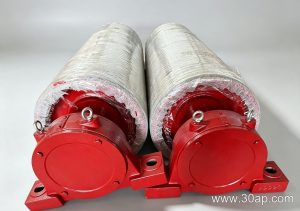
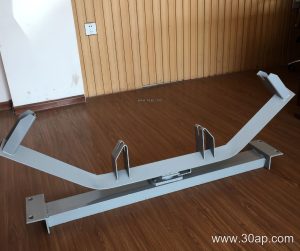
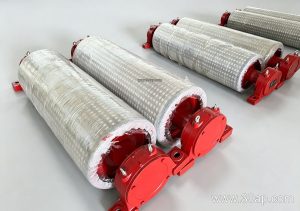
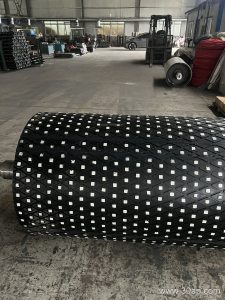
In these settings, the belt works together with conveyor idler rollers, conveyor pulleys, and conveyor brackets. The belt is the wear surface, but alignment and support from the idlers and pulleys strongly affect belt life. A misaligned conveyor pulley or seized idler roller can cause edge damage and accelerated cover wear, even on a high abrasion resistant conveyor belt.
Selection and Buying Considerations
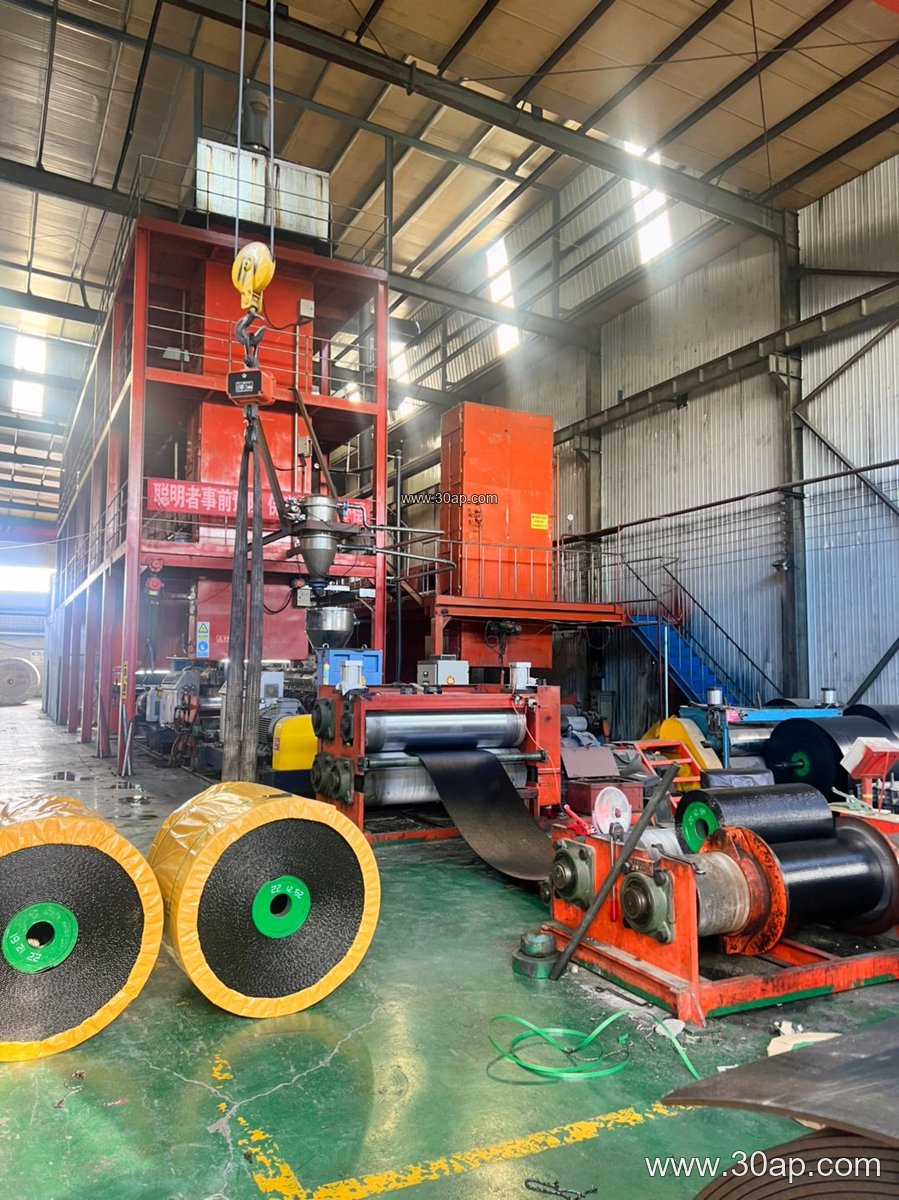
Choosing the right belt requires matching the cover compound and carcass to the duty. Consider the material size, sharpness, drop height, belt speed, and loading method. A belt that is too stiff may not trough well; one with insufficient cover thickness may wear through quickly. For wet or oily conditions, an oil resistant conveyor belt or a cover with appropriate resistance may be needed. In cold climates, a cold resistant conveyor belt grade helps prevent cracking.
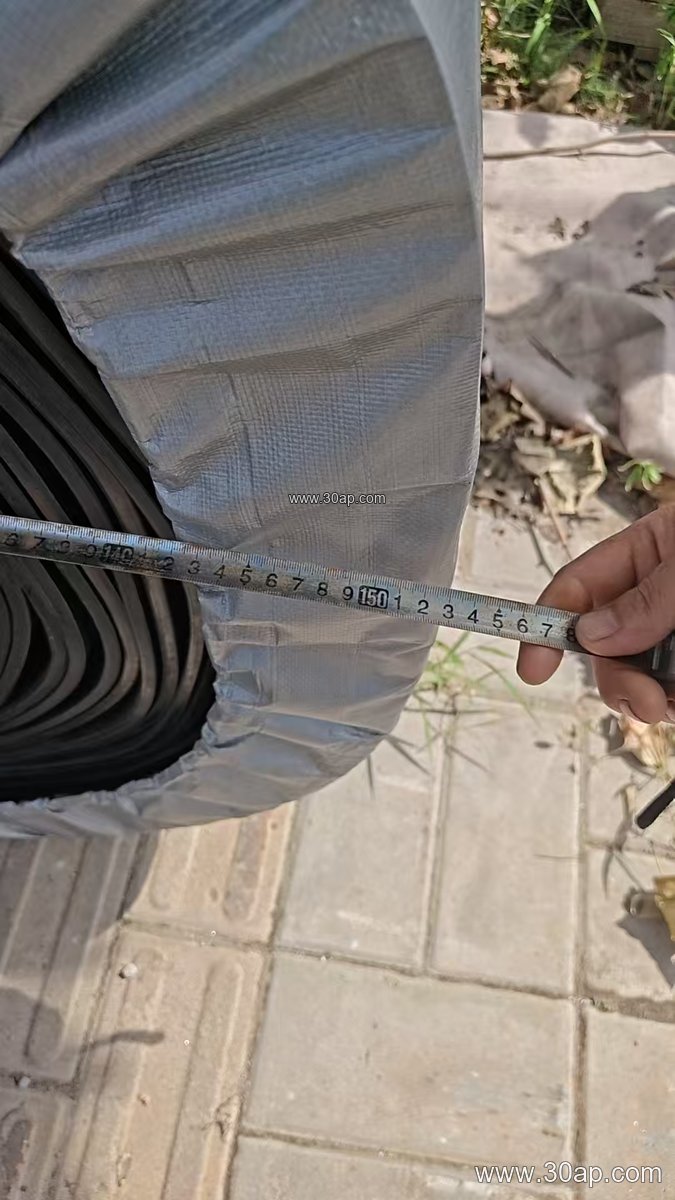
Ask for the abrasion loss value of the cover compound, the carcass type and strength, and the recommended minimum pulley diameter for the belt construction. The relationship between belt width and pulley diameter is not fixed; it depends on the carcass and tension. Do not assume a given belt width automatically matches a specific shaft diameter. Also confirm whether the belt needs to be an endless conveyor belt (vulcanized closed loop) or open-ended for mechanical splicing.
For special paths, other belt forms exist, such as the chevron conveyor belt for inclined haulage or the corrugated sidewall conveyor belt for steep angles. These are not replacements for a flat abrasion resistant belt but can solve specific layout problems. In dusty or explosive atmospheres, specify flame retardant and anti-static properties together with abrasion resistance.
Maintenance and Service Life
Regular inspection of the belt surface, edges, and splices helps catch wear early. Keep conveyor pulleys clean and lagged appropriately, and check that all idler rollers turn freely. Avoid material buildup at transfer points, which can cause tracking problems and localized abrasion. When wear reaches the carcass, replace the belt before it fails. A well-selected abrasion resistant conveyor belt, supported by proper maintenance, can reduce downtime in the toughest mining, cement, and quarry operations.