What an 1800mm Conveyor Belt Is
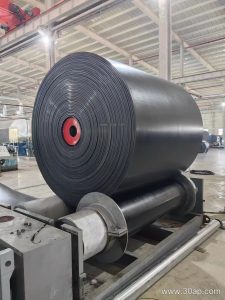
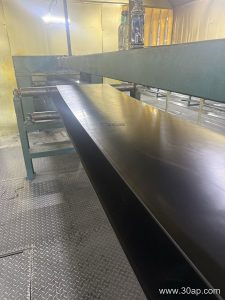
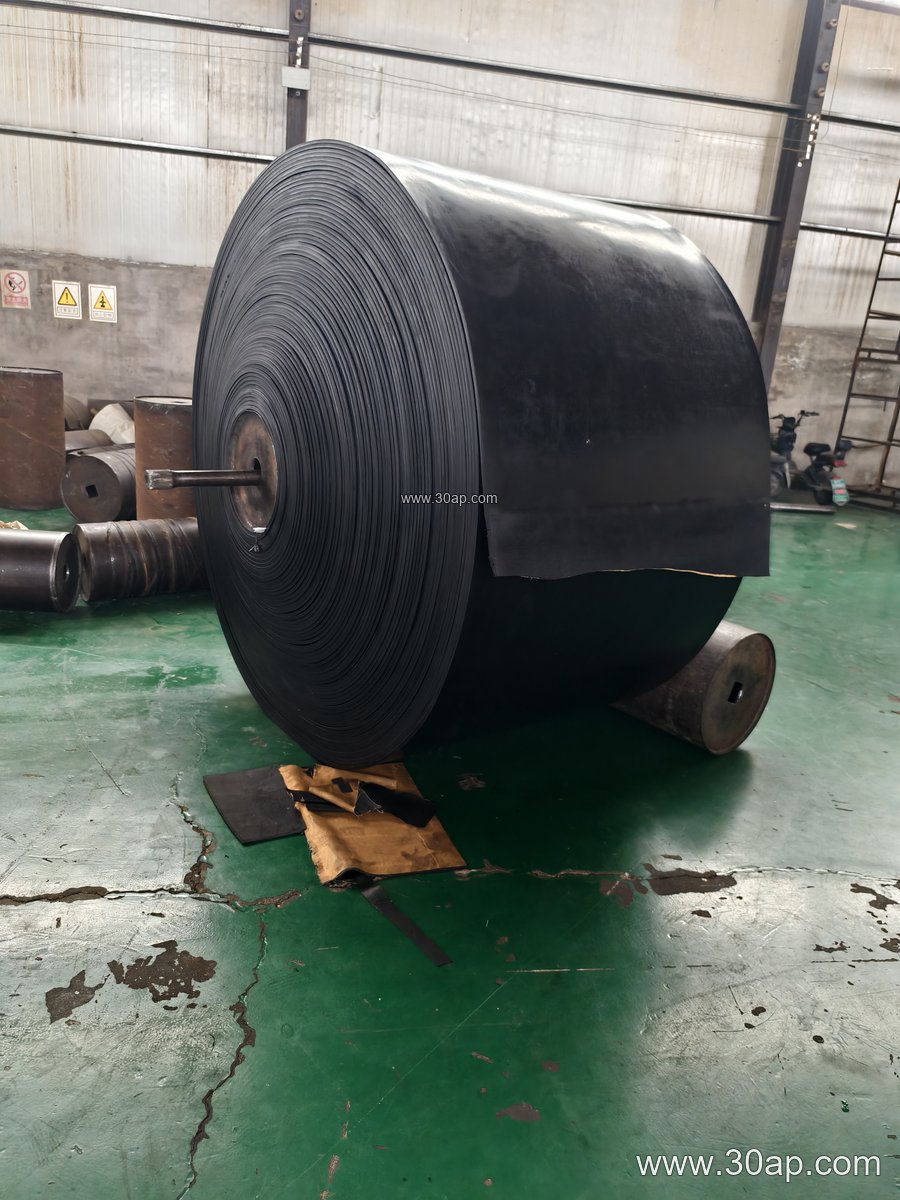
An 1800mm conveyor belt is a wide belt format used on conveyor systems that need to move large tonnages or handle bulky, coarse material in a single pass. With a nominal width of 1800 mm, it sits in the heavy-duty part of the belt range, above common 1000 mm, 1200 mm and 1400 mm sizes and below extra-wide formats such as 2000 mm and 2200 mm. In practice, buyers refer to it as an 1800mm wide conveyor belt or simply a B1800 belt. The width is a nominal dimension, and the actual cut width, edge condition and tolerances should always be confirmed against the conveyor design.
A wider belt does not automatically mean a stronger belt. Load capacity, tension rating and cover performance all depend on the carcass and rubber compound selected, so the 1800 mm figure should be treated as one design input rather than a complete specification.
How the Belt Is Built
Most 1800mm conveyor belts combine a tension-carrying carcass with rubber covers on the top and bottom. The carcass may be fabric-based, such as an EP conveyor belt or NN conveyor belt, or it may use steel cords in a steel cord conveyor belt for very high tension and long center distances. Fabric constructions are often multi-ply, with two to six plies being common, while heavier duties may call for thicker covers.
Common cover thickness combinations include 3+1.5 mm, 4+2 mm, 5+2 mm, 6+2 mm and 8+3 mm. The first number is usually the top cover and the second the bottom cover. On an 1800 mm belt, cover quality matters as much as cover thickness: a high abrasion resistant conveyor belt suits sharp rock and ore, a heat resistant conveyor belt suits hot clinker or sinter, and a flame retardant conveyor belt or fire resistant conveyor belt is often requested for coal handling and underground work.
Typical Reference Data for Wide Belts
The values below are common reference points only. Actual ratings vary by manufacturer and by belt design.
- Nominal width: B1800 (1800 mm)
- Fabric carcass grades: EP200, EP315, EP400, EP500, EP630, EP800, EP1000, EP1250, EP1600
- Steel cord grades: ST1000, ST1250, ST1600, ST2000, ST2500
- Cover combinations: 4+2 mm, 5+2 mm, 6+2 mm, 8+3 mm
- Ply counts: commonly 2 to 6 for fabric belts
Applications Across Heavy Industry
An 1800mm conveyor belt is often found where lump size and throughput are both high. In mining and quarrying, it may run as a mining conveyor belt on primary haulage or as a quarry conveyor belt feeding a crusher. A crusher conveyor belt and rock conveyor belt at this width can accept coarse feed with less spillage than narrower belts. In coal mining, an underground coal mining conveyor belt or PVG conveyor belt may be specified where flame resistance is required.
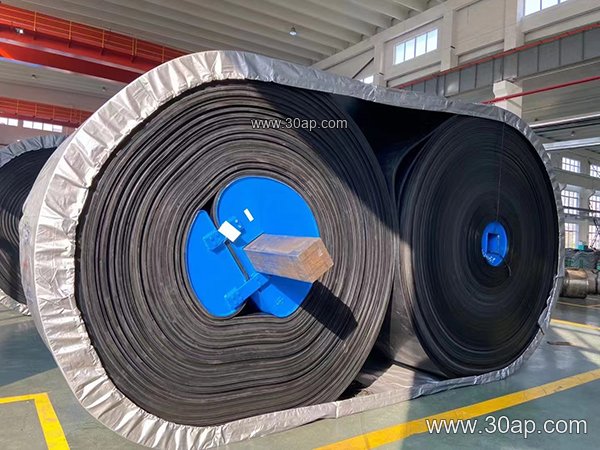
Cement plants use wide belts for clinker, limestone and additive transport, sometimes with a heat resistant conveyor belt on the hot sections. Power plants and steel plants use them for coal, coke and ore. Ports and ship loading terminals favor an 1800mm wide conveyor belt for bulk material conveyor belt duty where a stable, high-volume stream is needed. Sand and gravel operations, recycling lines and aggregate conveyor belt systems also use this width when the material is abrasive and the belt must resist cutting and gouging.
Special constructions are available where the route demands them. A chevron conveyor belt or corrugated sidewall conveyor belt can handle inclines, a skirted conveyor belt helps contain material at loading points, and a pipe conveyor belt is used where the material must be enclosed. These are different belt forms, not replacements for a standard 1800mm conveyor belt, and each should be evaluated against the actual conveyor layout.
Selection and Compatibility Notes
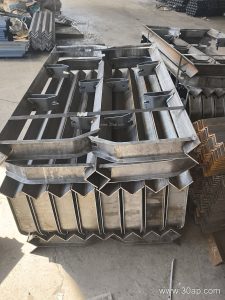
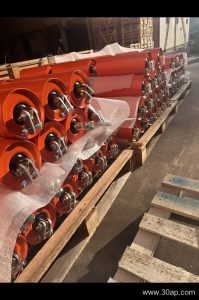
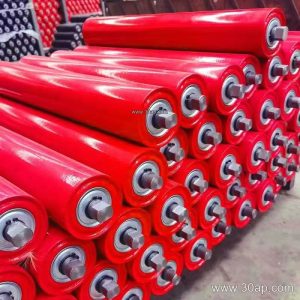
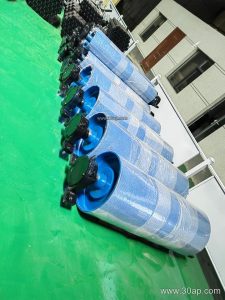
Belt width and pulley size are related through conveyor design, not through a fixed rule. An 1800 mm belt may run over a range of pulley diameters depending on tension, wrap angle and shaft loading. Drive pulleys, tail pulleys and bend pulleys each perform different duties and are not interchangeable. The same applies to carrying idler rollers, impact idler rollers and return rollers, which have separate roles along the conveyor line. Conveyor brackets and frame dimensions must also match the selected roller and pulley arrangement.
Before ordering, confirm the material type, lump size, bulk density, operating temperature and any chemical exposure. Check whether the belt needs oil resistance, acid resistance, cold resistance or anti-static properties. For food or clean handling, a food grade conveyor belt may be appropriate, while an endless conveyor belt can reduce joint issues on critical routes. The belt thickness, splice method and edge type should be agreed with the supplier so the 1800mm conveyor belt fits the existing structure and delivers the expected service life.