What a Return Idler Bracket Does
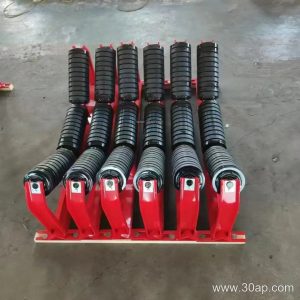
A return idler bracket, also known as a return roller bracket or lower support bracket, holds the return idlers that carry the empty side of a conveyor belt. It keeps the belt aligned and prevents sag between pulleys. In a quarry or a coal handling system, this bracket is the quiet workhorse under the belt, often overlooked until wear or misalignment shows up.
The bracket is not a pulley. Drive pulleys, tail pulleys, and bend pulleys each serve different roles, and none of them can replace a return bracket. The bracket simply supports the idler roller shaft and ties it to the conveyor frame.
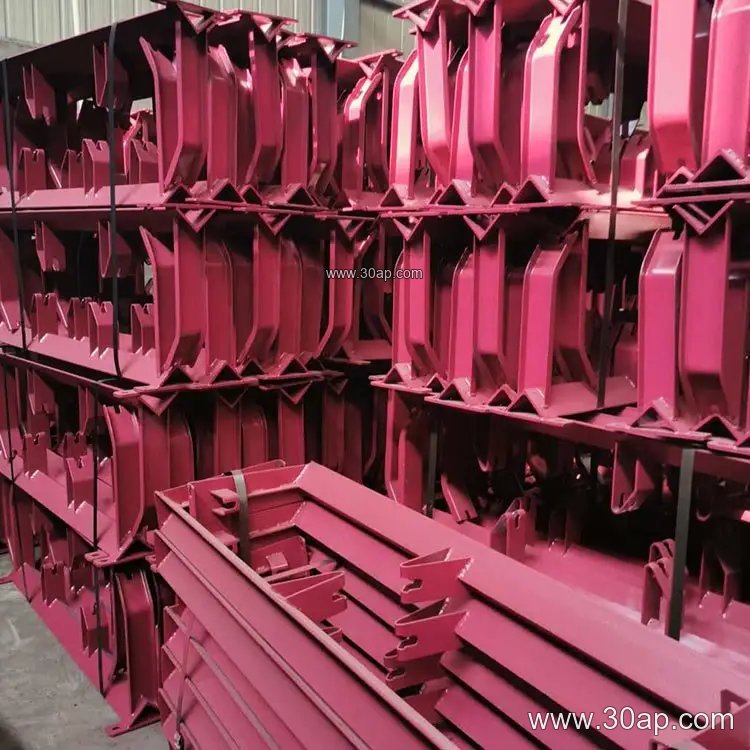
Typical Construction
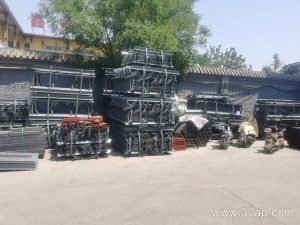
Most return idler brackets are made from angle steel, channel steel, or folded steel plate. The choice depends on load and environment. A heavy-duty mining conveyor belt system may use thicker channel sections, while a lighter aggregate line can use folded plate. Common forms include fixed brackets and adjustable brackets that allow fine height or angle changes.
Where It Fits on the Conveyor
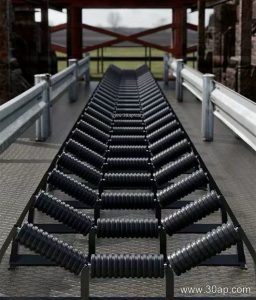
The return bracket sits below the carrying side, usually bolted to the conveyor stringer or cross member. It pairs with a flat return idler or a V-shaped return idler set. In a cement plant or a power plant coal yard, the return side often collects fines, so the bracket design should allow material to fall away rather than build up.
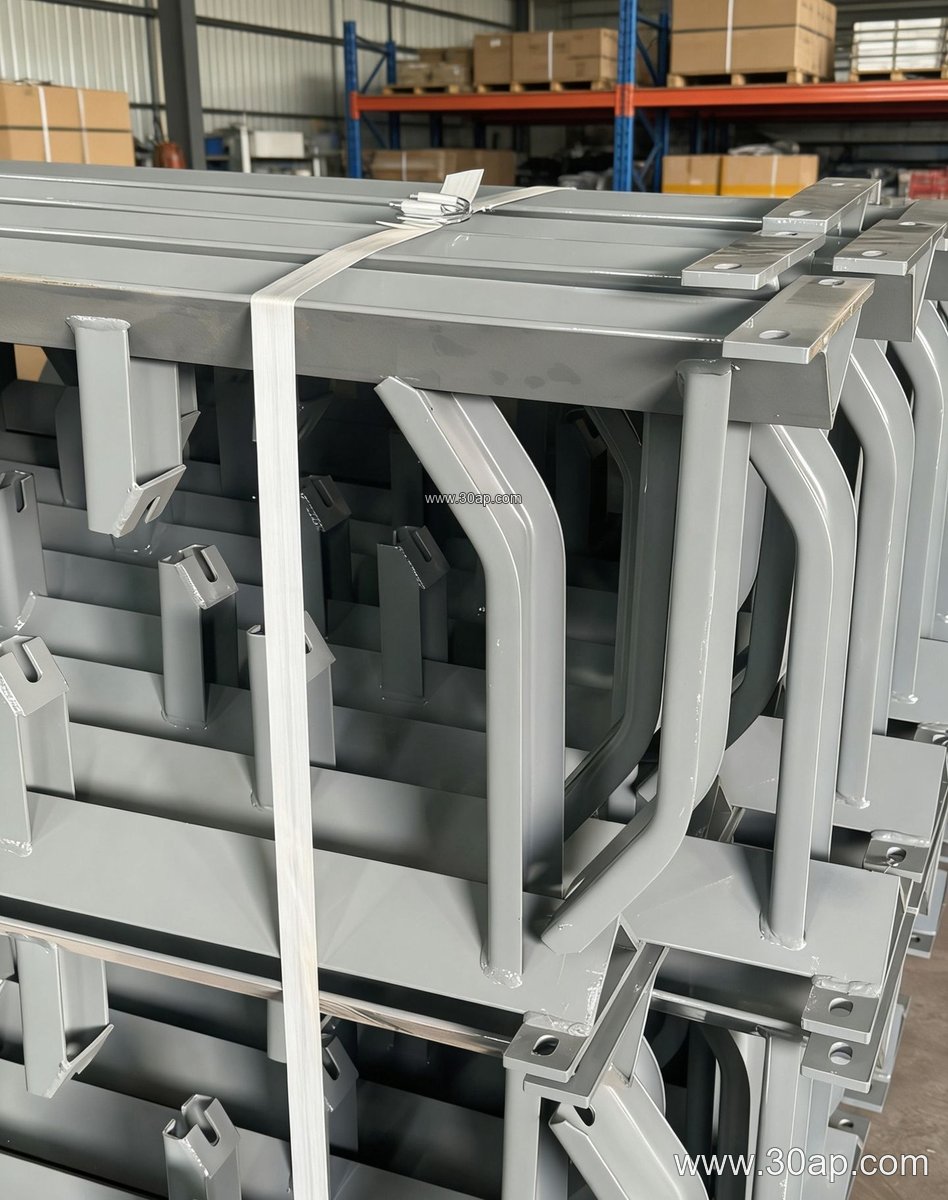
Related equipment includes the conveyor belt itself, the idler roller, and the conveyor pulley. A misaligned return bracket can cause the belt to train poorly, rub the frame, or wear the idler edges. That is why the bracket should be checked together with the return idlers during maintenance.
Common Sizes and Matching
Return idler brackets are usually selected by belt width, idler diameter, and mounting hole spacing. The values below are common reference ranges, not fixed rules. Actual dimensions depend on the conveyor design.
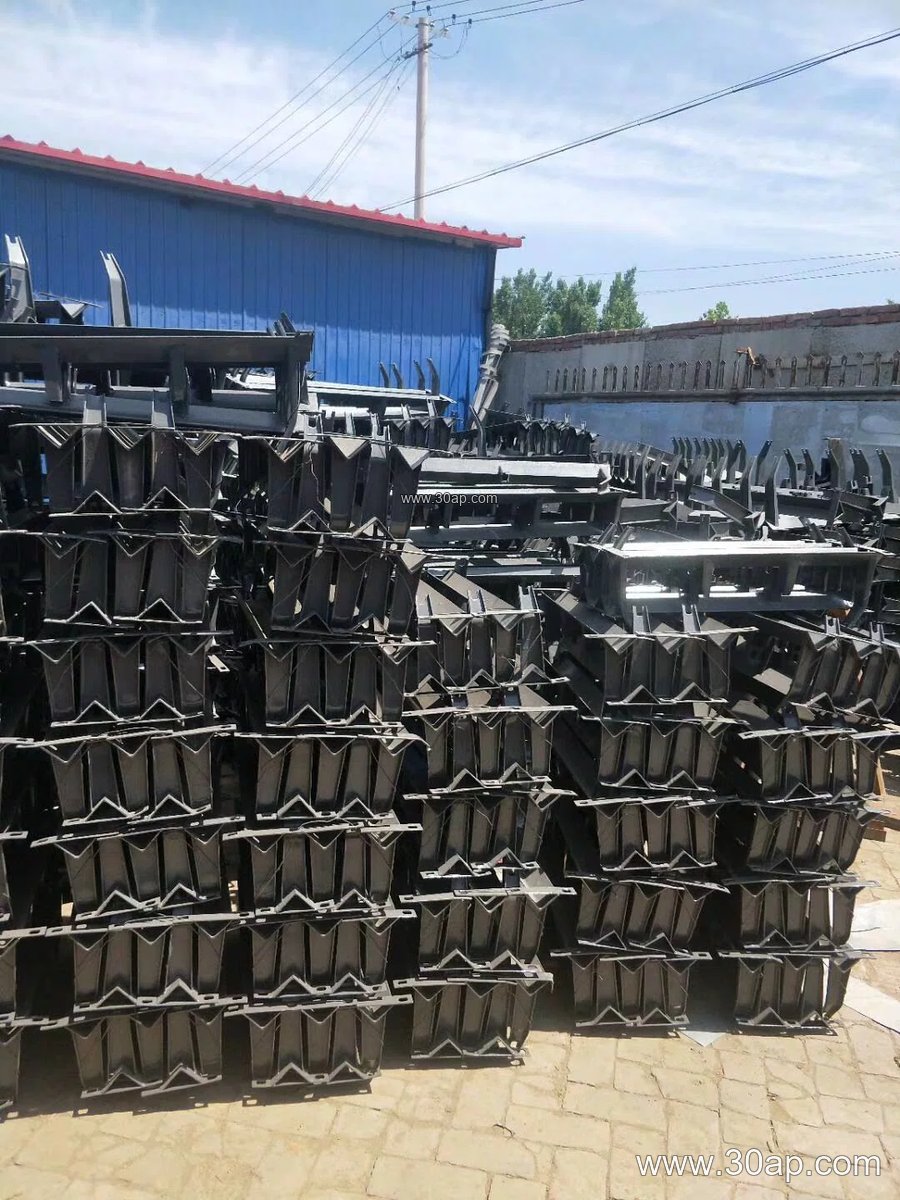
- Belt width: B500, B650, B800, B1000, B1200, B1400, B1600, B1800, B2000
- Idler diameter: Ø89, Ø108, Ø133, Ø159, Ø194
- Mounting hole spacing and crossbeam length: determined by belt width and frame design
For example, a B800 return bracket with Ø108 idlers is a common combination in a sand and gravel line. A wider B1200 or B1400 conveyor in an iron ore plant may use Ø133 or Ø159 return idlers with a heavier bracket. There is no single belt width that locks you into one idler diameter; the conveyor designer matches them according to load and belt sag limits.
Buyer Checklist
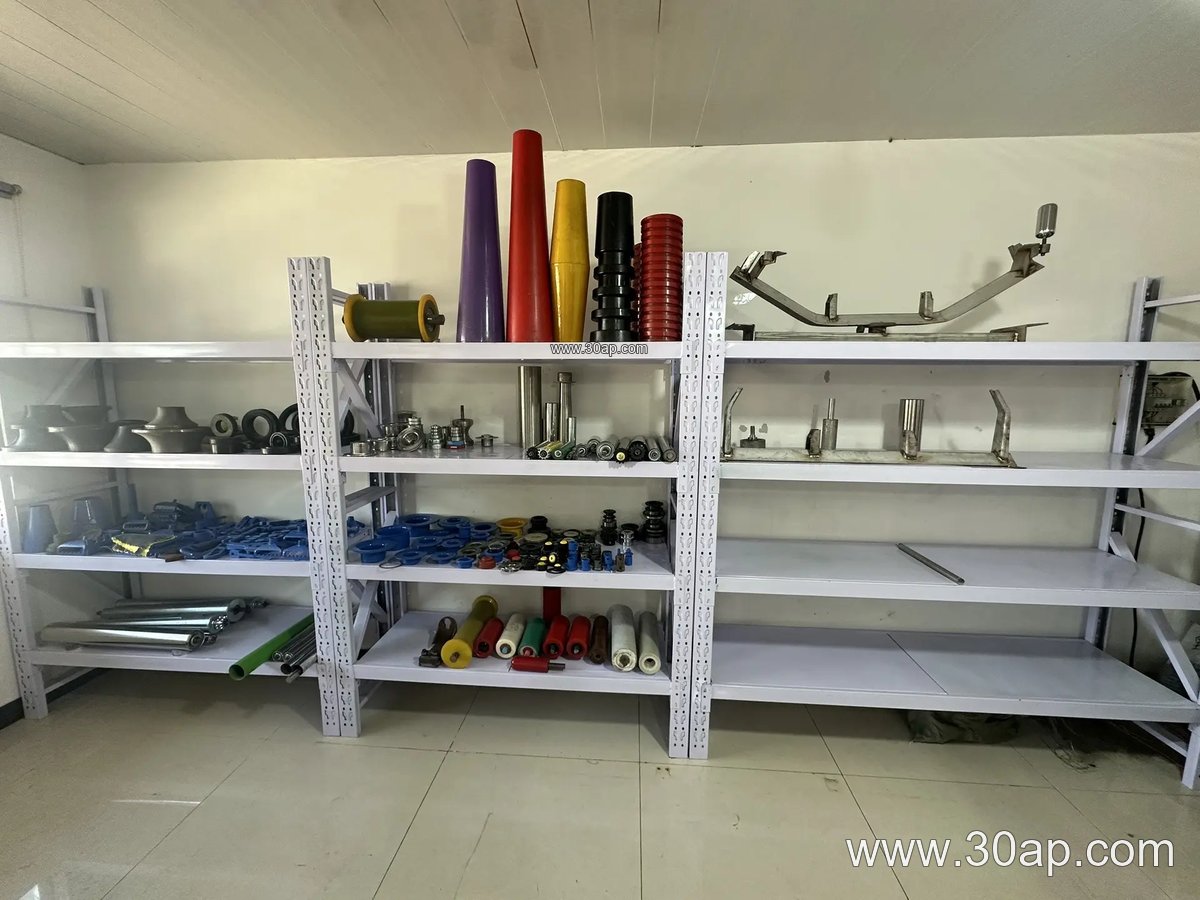
Before ordering, confirm the belt width, the return idler diameter, the mounting hole pattern, and whether the frame needs a fixed or adjustable bracket. Check the material thickness and surface treatment for the site environment. In a fertilizer or grain silo application, corrosion protection may matter more than in a dry aggregate yard. For a coal mining conveyor belt or an underground mining conveyor belt, flame retardant and anti-static properties usually apply to the belt, not the bracket, but the bracket still needs to handle dust and moisture.
Ask for a dimensional drawing rather than relying on a single belt width figure. A bracket that fits one frame may not fit another with a different cross member. Also confirm whether the bracket is designed for a single return idler or a V-return set.
Maintenance Notes
Inspect return idler brackets for loose bolts, bent ears, and elongated holes. A worn bracket can let the return idler drop or skew, which then damages the conveyor belt edge. In a crusher conveyor belt circuit, vibration is constant, so periodic bolt checks are worthwhile. Replacing a bent bracket early is usually cheaper than replacing a belt or a pulley.
Keep spare brackets matched to the most common belt widths on site, such as B650, B800, and B1000. For a plant running heavy-duty mining conveyor belts, a few spare return brackets in the store can reduce downtime when a frame is damaged by impact or material buildup.