What a Nylon Idler Is
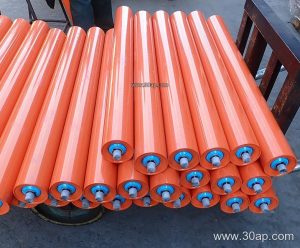
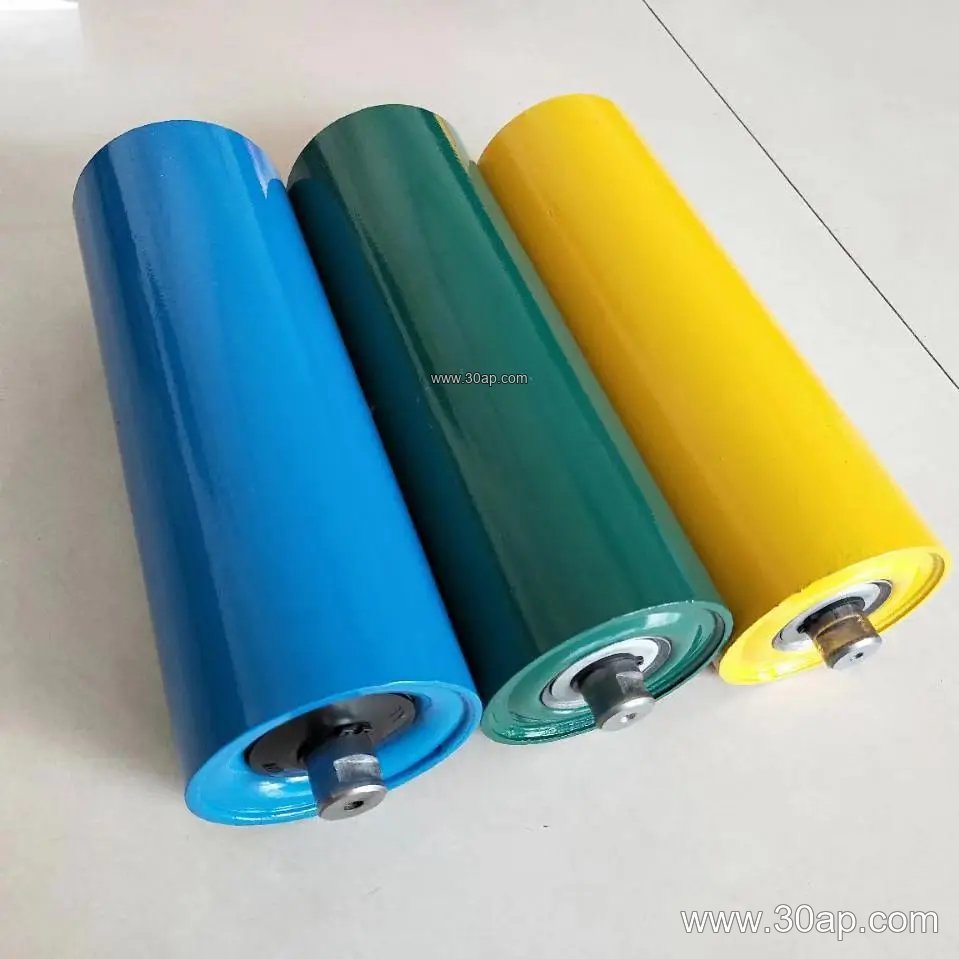
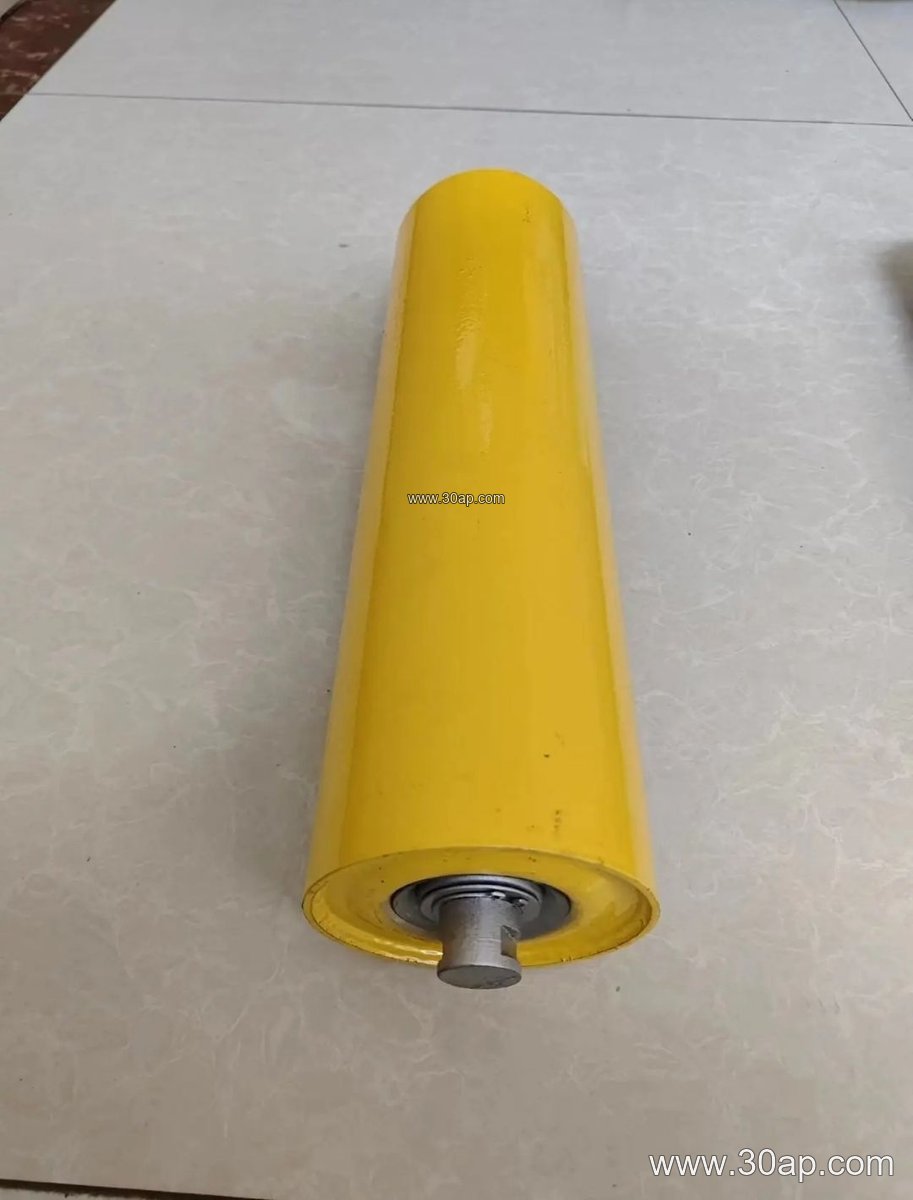
A nylon idler is a conveyor idler roller whose outer shell is made from nylon rather than steel, rubber or ceramic. It sits under the belt on the carrying side or beneath the return strand, supporting the conveyor belt and letting it travel with low friction. In a busy quarry or a cement plant, the idler roller is one of the most numerous parts on the whole conveyor, so the choice of shell material has a real effect on noise, belt wear and maintenance effort.
Nylon idlers are sometimes called nylon rollers or nylon-shell idlers. That is the same product under a shorter name. They are not a replacement name for a drive pulley, tail pulley or bend pulley; those are separate components at the ends and corners of the conveyor.
How the Roller Is Built
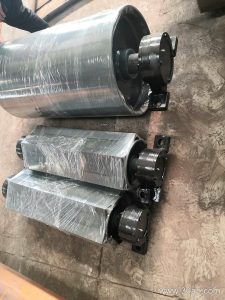
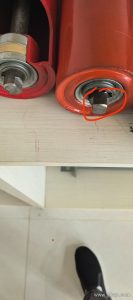
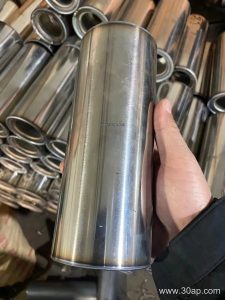
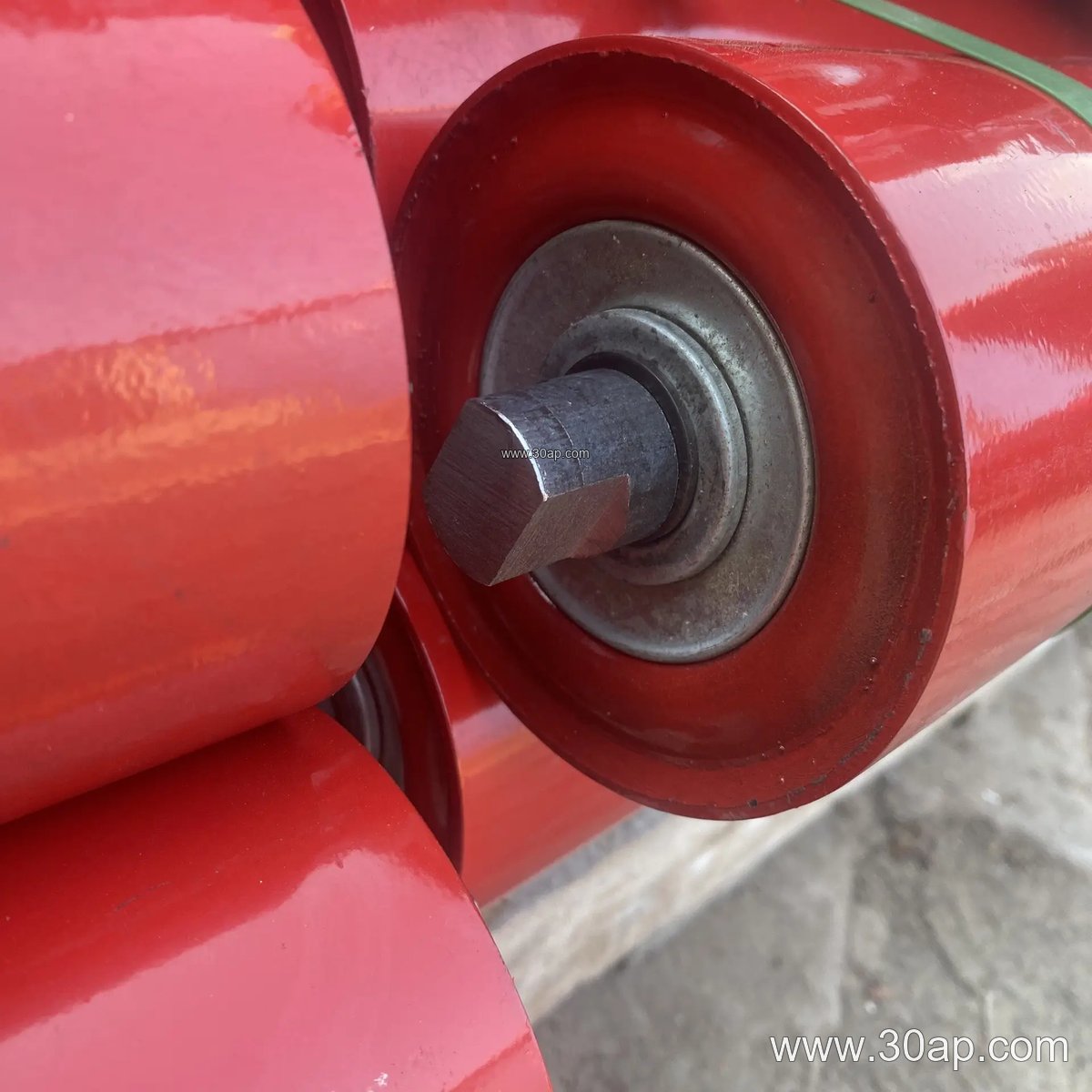
The core of the design is simple. A nylon tube forms the roller body, and a shaft runs through it on bearings at each end. Common bearing sizes include 6204, 6205, 6305, 6306, 6308 and 6310, matched to the shaft and load by the manufacturer rather than fixed by belt width alone. Seals and end caps keep dust and fine grit out, which matters greatly in stone crushing lines and aggregate yards where airborne particles are constant.
Nylon has a low coefficient of friction and resists many oils and chemicals reasonably well. It also tends to run more quietly than a steel shell and weighs less, which can ease handling during installation. The trade-off is that nylon is not the right answer for every hot or extremely abrasive duty; in those cases a steel or rubber-covered roller may be more suitable.
Where Nylon Idlers Fit on the Conveyor
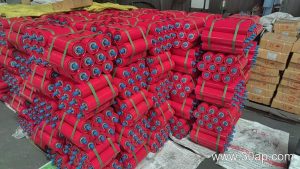
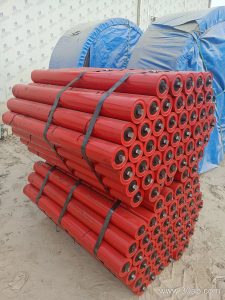
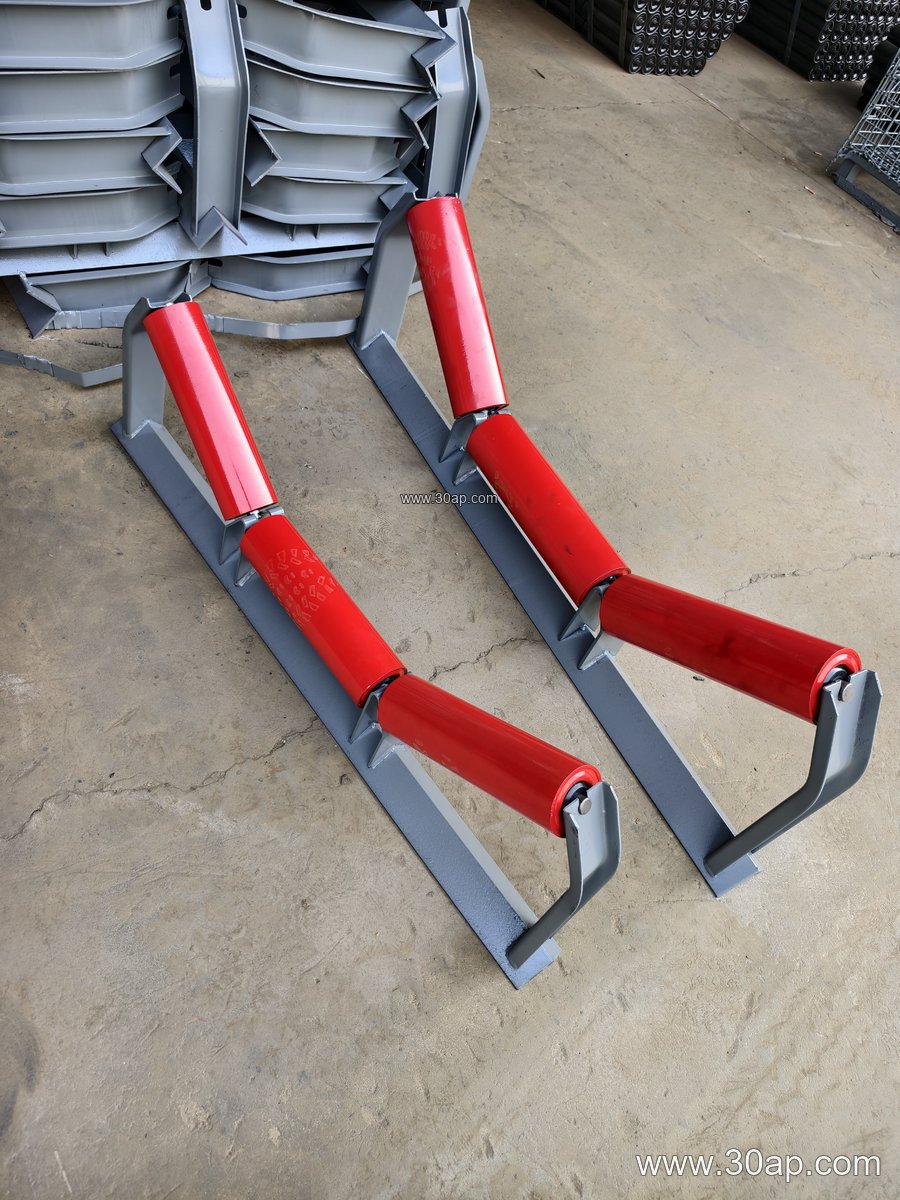
These rollers are usually found in the carrying run, often in three-roll troughing sets, and in the return run as flat or V-return rollers. Trough angles are commonly 20, 30, 35 or 45 degrees, and the roller length changes with belt width and trough geometry. For example, a three-roll troughing set might use roller lengths around 200 mm at B500, 315 mm at B800, 465 mm at B1200 and 600 mm at B1600. These are typical examples only; side rollers and centre rollers can differ, and the final length is set by the conveyor design.
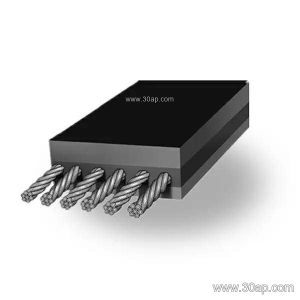
Typical working environments include limestone mines, iron ore plants, coal washing plants, power station coal handling, port loading lines and concrete batching plants. A nylon idler is often chosen where belt friction, noise and corrosion are concerns, while the belt itself may be a heavy-duty mining conveyor belt or an abrasion resistant conveyor belt carrying sharp aggregate.
Matching the Idler to the Belt and Duty
Selection starts with the belt, not with the roller alone. Belt width, speed, lump size and tonnage determine the load on each idler. A wide belt such as a 1200mm or 1500mm conveyor belt needs a properly sized roller set, but there is no rule that one belt width can only match one roller diameter. Diameters from roughly Ø63 to Ø219 mm exist across the range, and the correct one depends on load, spacing and shaft size.
| Parameter | Common reference values |
|---|---|
| Roller diameter | Ø63, Ø76, Ø89, Ø102, Ø108, Ø127, Ø133, Ø159, Ø178, Ø194, Ø219 mm |
| Belt width | B400 to B2400 mm |
| Trough angle | 20°, 30°, 35°, 45° |
| Bearing | 6204, 6205, 6305, 6306, 6308, 6310 |
| Shell material | Nylon, steel, ceramic, rubber ring |
Buyers should confirm the shaft diameter, bearing type, seal design and mounting dimensions with the supplier. It is also worth checking whether the conveyor bracket and frame suit the chosen roller, because a mismatched bracket can cause vibration and premature bearing failure.
Maintenance and Buyer Checks
Inspect nylon idlers for shell cracks, flat spots and seal wear during routine belt checks. A seized roller can rub through a belt quickly, so listen for squealing and look for belt tracking drift. Keep spare rollers on hand for critical lines in coal mining, ore handling and cement production, where a stoppage is costly. Ask for the roller’s load rating, operating temperature range and bearing specification, and confirm that the nylon grade suits the local climate and material being carried.