What an Acid Resistant Conveyor Belt Is
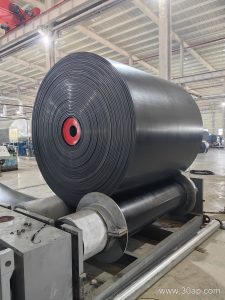
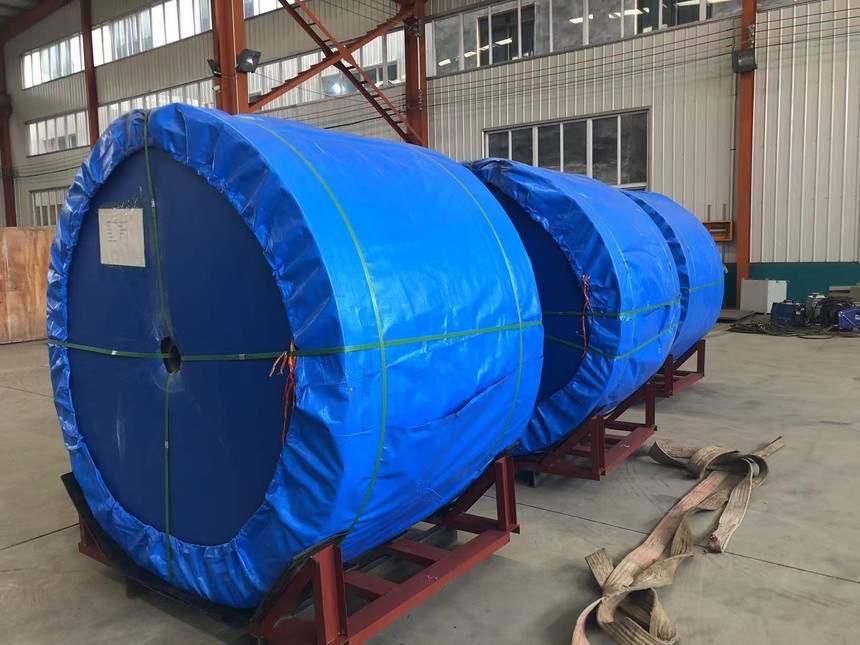
An Acid Resistant Conveyor Belt is a rubber conveyor belt engineered to carry materials that release acidic or otherwise corrosive leachate, splash, or dust. It is not simply a standard belt with a different colour; its cover compound is formulated to slow down the chemical attack that would quickly crack, swell, or soften ordinary rubber covers. The same product is often called a chemical resistant conveyor belt or acid and alkali resistant belt, because most formulations are expected to handle both acidic and alkaline exposure within a defined range.
The belt still has to do normal conveyor work: run straight, track on pulleys, resist abrasion, and survive the mechanical load of the material. That balance between chemical protection and mechanical strength is the core design problem.
How the Belt Is Built
Construction follows the usual rubber belt sandwich. A carcass provides tensile strength and troughability, while top and bottom covers protect it. For corrosive duty, the cover compound usually uses polymers and fillers selected for low reaction with acids, and the carcass is protected from wicking at the edges.
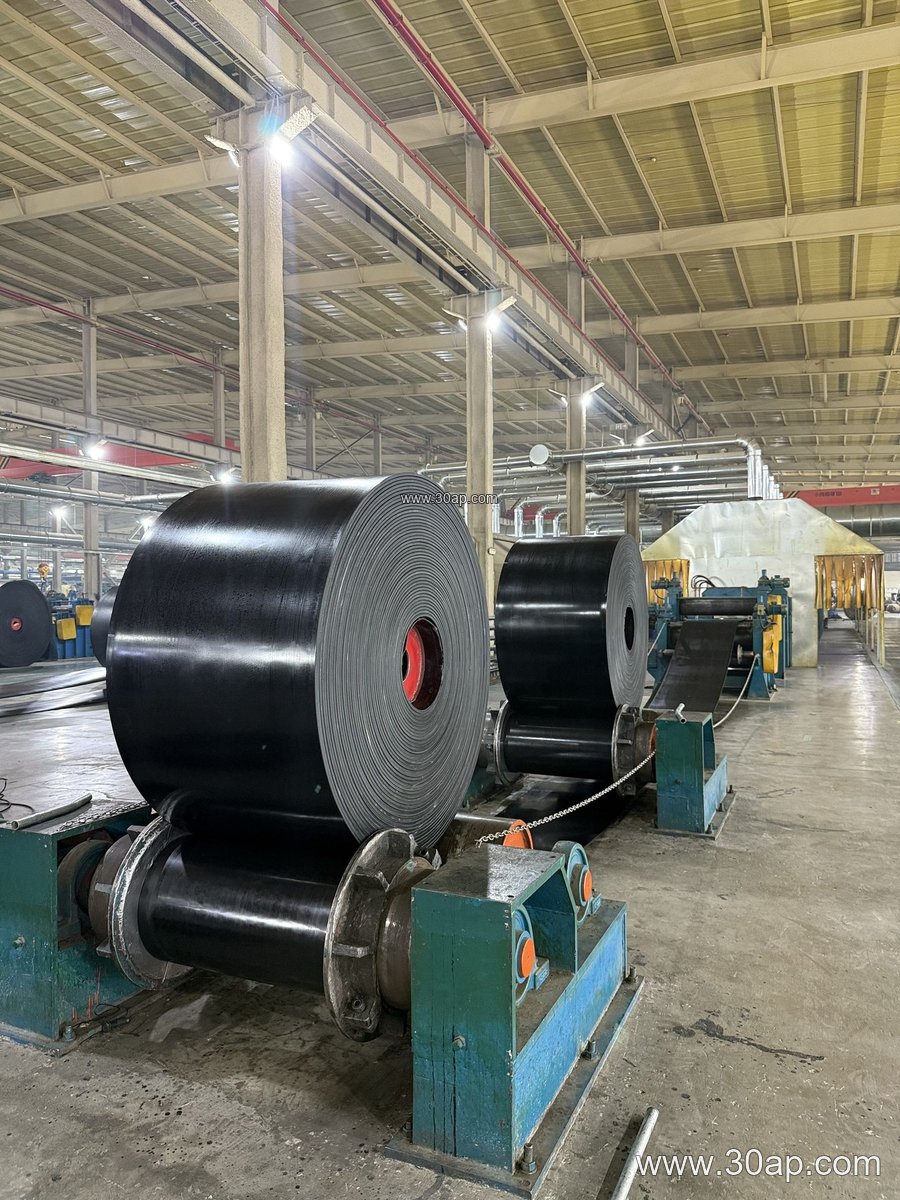
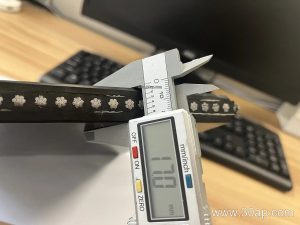
- Carcass options: EP fabric core, NN nylon fabric, multi-ply fabric, or steel cord for very high tension. An EP Conveyor Belt carcass is a common choice because of its low stretch and good moisture tolerance.
- Cover thickness: typical constructions include 4+2 mm, 5+2 mm, 6+2 mm, and 8+3 mm, with thicker covers where splash or fine corrosive dust is heavy.
- Edge protection: sealed or gummed edges reduce the chance of acid migrating into the fabric plies.
No single compound resists every chemical. A belt that performs well against dilute sulphuric acid may behave differently in concentrated hydrochloric acid or hot caustic solutions, so the actual exposure has to be matched to the compound.
Typical Service Conditions
Acid exposure on a conveyor rarely comes as a clean liquid stream. It usually arrives as moisture in ore, acidic process water, fertiliser dust, or condensate from a scrubber. That is why this belt type turns up in mining and mineral processing, where sulphide ores and tailings can generate acidic drainage, and in chemical plants handling phosphate, fertiliser, and salt products.
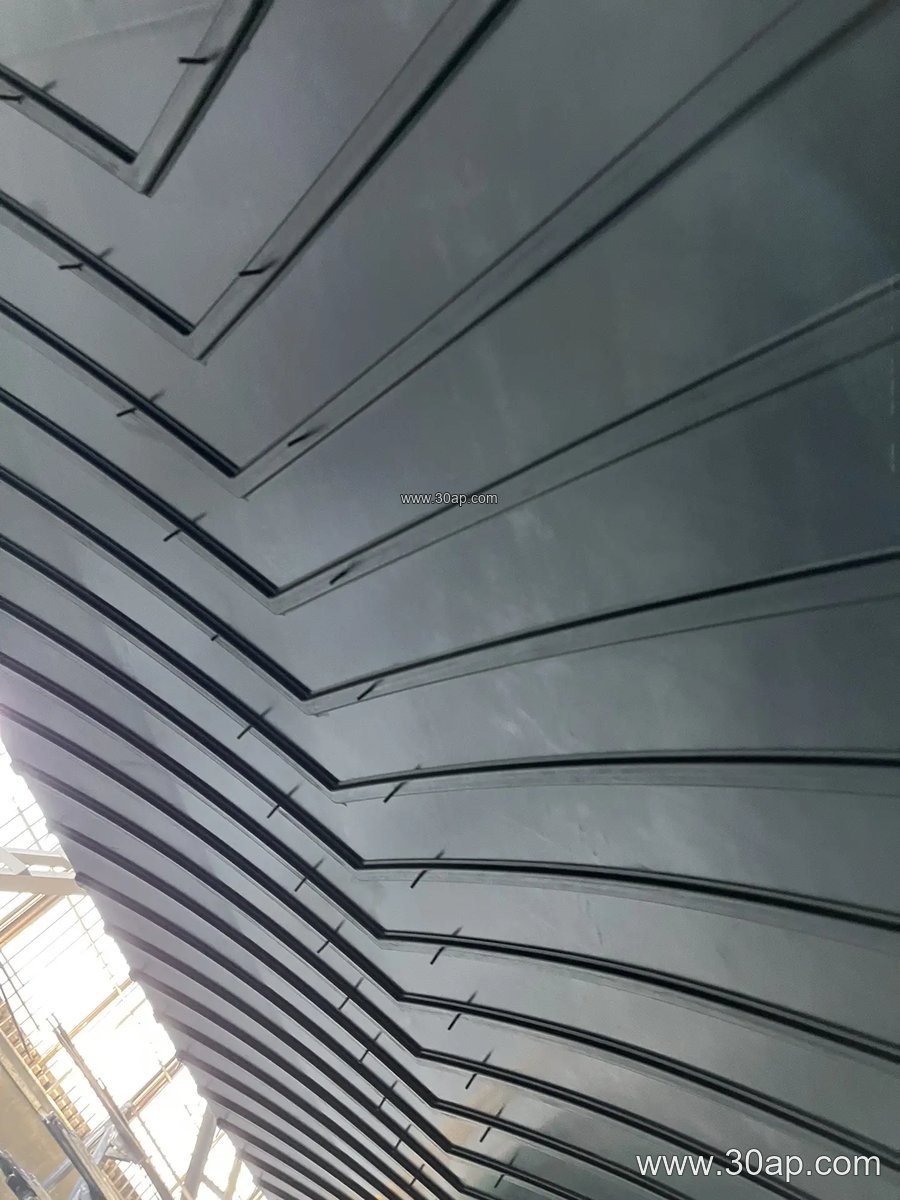
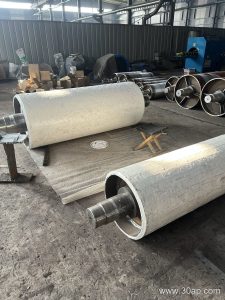
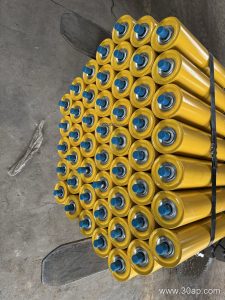
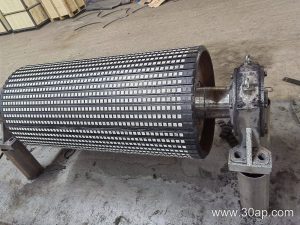
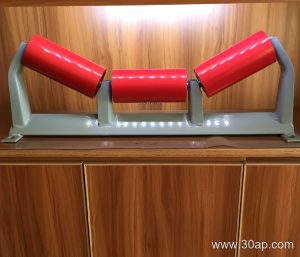
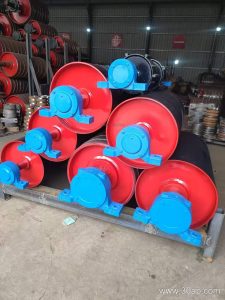
Other common sites include power plant flue gas desulphurisation circuits, cement and aggregate operations where raw materials carry corrosive salts, and recycling lines where mixed waste produces unpredictable leachate. In these plants the belt works alongside idler rollers, conveyor pulleys, and conveyor brackets, and the whole system should be reviewed together: trapped material around a return roller can hold corrosive liquid against the belt surface for long periods.
Selecting the Right Specification
Buyers should start with the chemical, not the belt. Identify the substance, its concentration, its temperature, and whether it contacts the belt continuously or only as occasional splash. Then confirm the mechanical duty: material size, tonnage, trough angle, and the tension the drive must deliver.
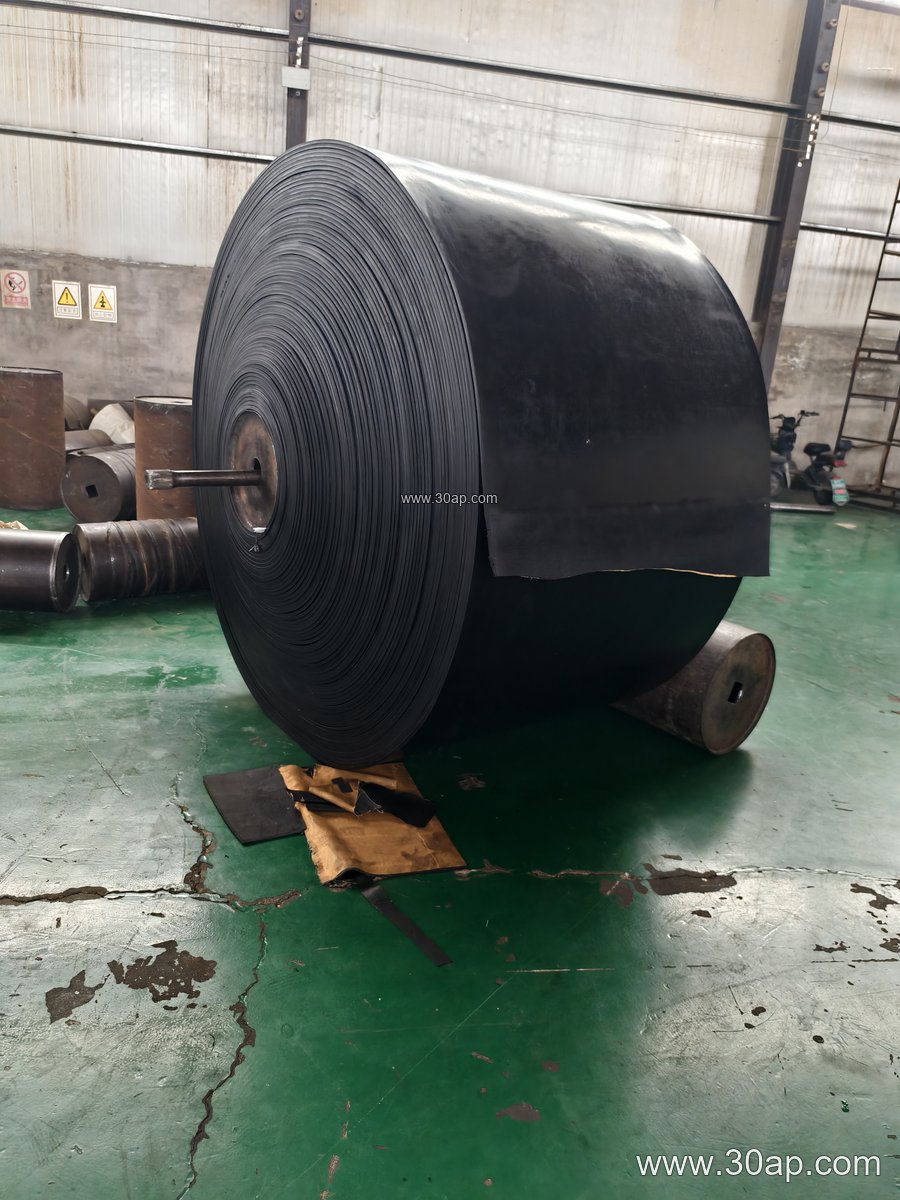
Common strength grades for fabric carcasses range from EP200 up to EP1000 and beyond, with narrower belts such as B500 or B650 for small lines and B1200 to B1800 for main haulage. Wider belts are not tied to one pulley diameter; pulley sizing follows tension, wrap angle, and belt construction rather than width alone. For heavy abrasive ore, an abrasion resistant cover may be combined with chemical protection, and a flame retardant grade may be required in coal or enclosed plants.
Installation and Maintenance Notes
Correct tracking protects the edges, which is where chemical damage often begins. Keep the belt centred, maintain skirt rubber and chute seals, and avoid spillage that packs against the frame. Wash-down points should drain freely, and any standing liquid under the return run should be corrected.
Inspect covers for softening, blistering, or hardening, and check the carcass at damaged spots before water reaches the fabric. Store spare belting away from sunlight, ozone sources, and pooled chemicals. When splicing, use a method and cover compound compatible with the belt body, otherwise the joint becomes the first failure point.
For plants comparing options, an acid resistant cover is a different decision from a heat resistant conveyor belt or an oil resistant conveyor belt: each addresses a separate attack mechanism, and combining duties usually means a custom compound rather than a stock item.