What an Impact Resistant Conveyor Belt Is
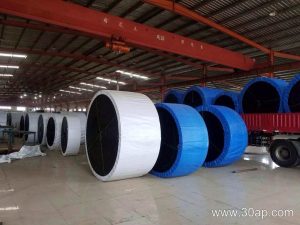
An impact resistant conveyor belt is a heavy-duty rubber conveyor belt built to absorb the shock of large, sharp or fast-falling material at loading points. In mines, quarries, cement works, power plants and sand and gravel yards, rock and ore often drop several metres onto the belt. A standard belt can be cut, gouged or bruised by that energy. The impact resistant conveyor belt spreads the load over a tougher top cover and a reinforced carcass so the belt survives repeated hits without early failure.
The product is also called a shock-absorbing conveyor belt or high impact conveyor belt, and all three names describe the same item. It is not a substitute for a heat resistant conveyor belt or a flame retardant conveyor belt, which solve different problems.
How the Belt Is Built
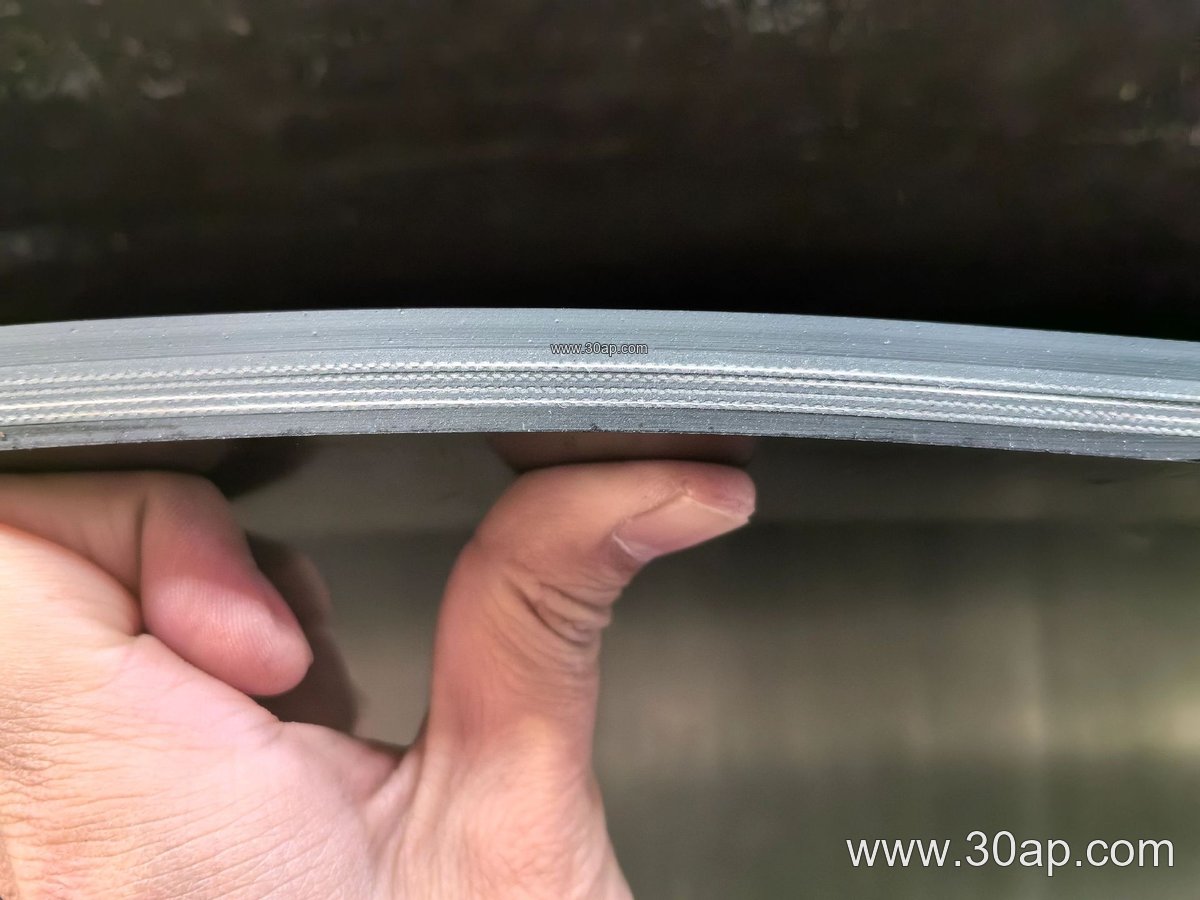
The belt usually combines a thick, resilient top cover with a fabric or steel carcass. Impact resistance comes from the cover compound, its gauge, and the way the carcass distributes point loads. Common constructions include:
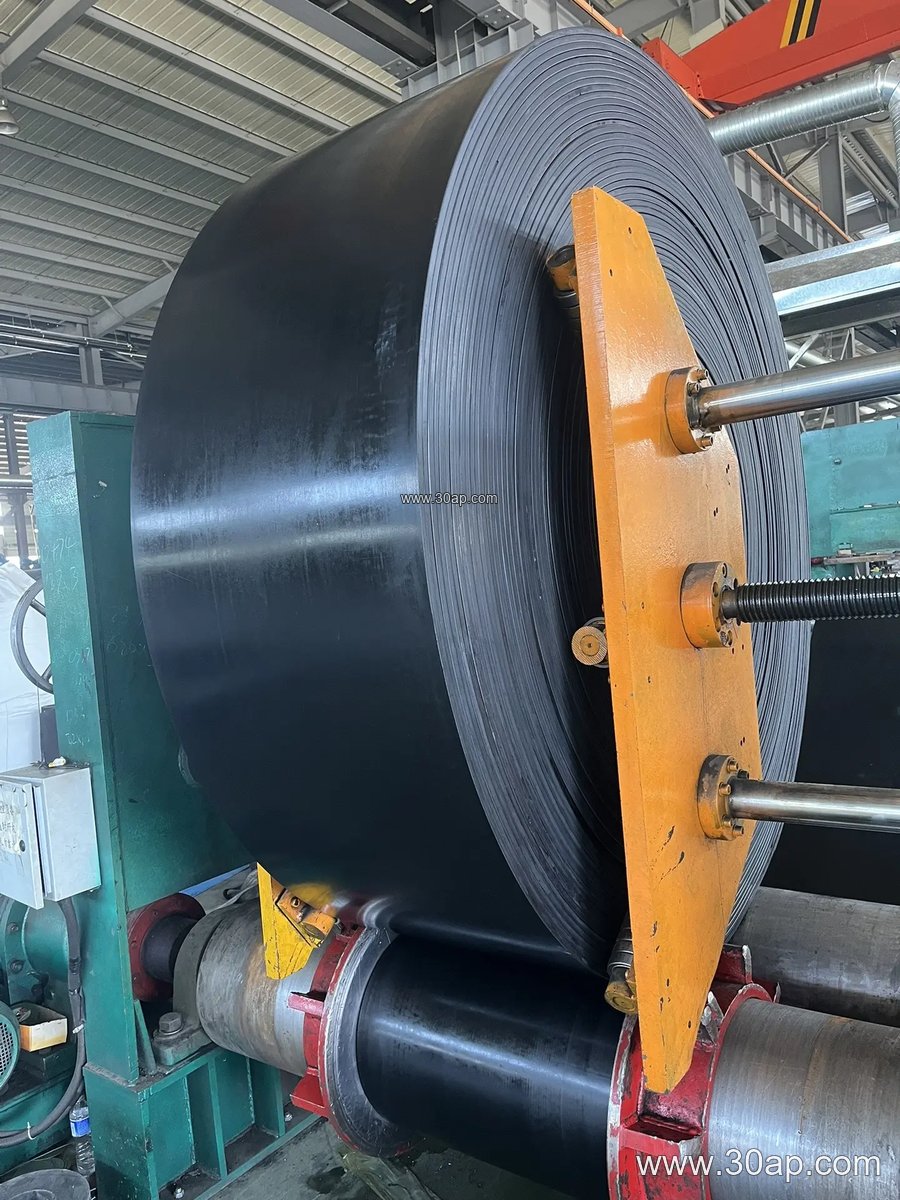
- Multi-ply fabric core with EP or NN plies, often 3 to 6 plies, for general quarry and crusher duty.
- Steel cord carcass for long conveyors and very high tension, where a steel cord conveyor belt may also need extra breaker plies under the cover.
- Breaker layer of fabric or wire placed between cover and carcass to stop sharp edges from reaching the load-bearing plies.
Cover thickness is the most visible factor. Common top and bottom cover combinations include 6+2 mm, 8+3 mm and heavier builds, while 4+2 mm and 5+2 mm suit lighter impact zones. The right figure depends on lump size, drop height and throughput, so buyers should treat these as reference values rather than fixed rules.
Typical Specifications
The table below shows representative data for an impact resistant conveyor belt. Final values are confirmed by design for each conveyor.
| Property | Typical range |
|---|---|
| Belt width | B650, B800, B1000, B1200, B1400, B1600, B1800, B2000 |
| Fabric strength grades | EP200, EP315, EP400, EP500, EP630, EP800, EP1000, EP1250 |
| Steel cord grades | ST1000, ST1250, ST1600, ST2000 |
| Cover thickness | 4+2, 5+2, 6+2, 8+3 mm |
| Carcass plies | 2 to 6 layers, depending on tension |
A 1200 mm wide belt with EP630 carcass and 8+3 mm covers is a common choice at a primary crusher discharge. Wider belts such as 1800 mm or 2000 mm appear in high-capacity port and power plant systems. Belt width alone does not fix pulley diameter, so the drive pulley, tail pulley and bend pulleys are sized from tension and shaft load, not from width by itself.
Where It Is Used
Impact damage is concentrated at transfer points, so this belt fits:
- Primary and secondary crusher feed and discharge in stone crushing and sand making plants.
- Run-of-mine and ore handling in iron ore, copper ore and gold mining operations.
- Coal mining and underground coal mining conveyors where lump coal drops from chutes.
- Cement plant clinker and limestone lines, and power plant coal yards.
- Quarry and aggregate conveyors, recycling lines and ship loading systems.
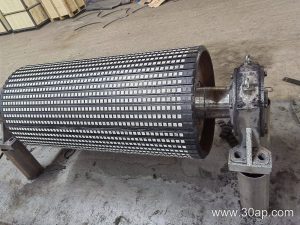
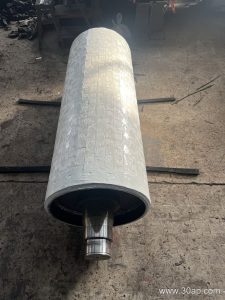
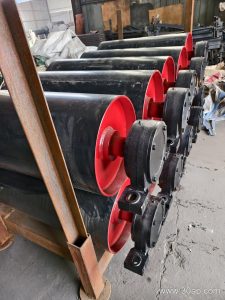
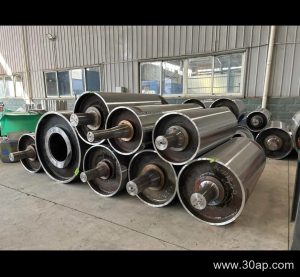
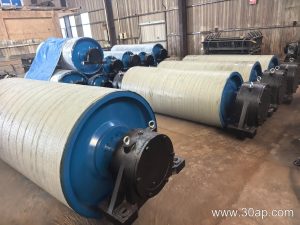
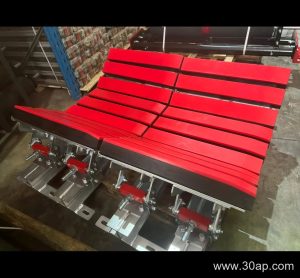
Supporting equipment matters as much as the belt. Impact idler rollers with rubber rings cushion the belt under the chute, and a well-aligned conveyor pulley keeps the belt tracking. Check that the conveyor bracket and frame at the loading zone are strong enough for the extra weight of a thick belt.
Buyer Checklist
Before ordering, record the maximum lump size, drop height, material density and hourly tonnage. State whether the belt also needs abrasion resistance, oil resistance or fire resistance, because one compound rarely covers every demand. Ask for the carcass type, ply count, cover gauges and splice method in writing. Confirm the pulley diameters and the idler roller spacing at the impact zone, and check that the belt can be spliced on site. A belt that is too stiff for the pulley diameter will crack, while one that is too light for the drop will fail early. Matching the impact resistant conveyor belt to the actual duty, rather than to a catalogue headline, is what keeps a conveyor running.