What a Return Idler Bracket Does
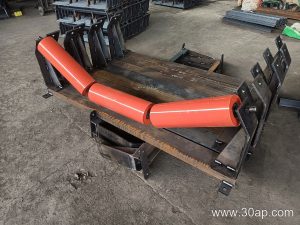
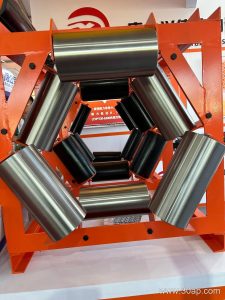
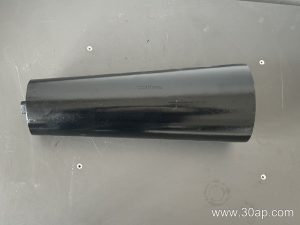
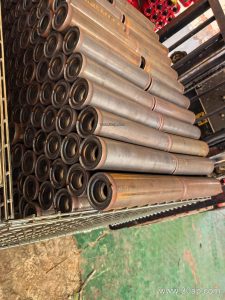
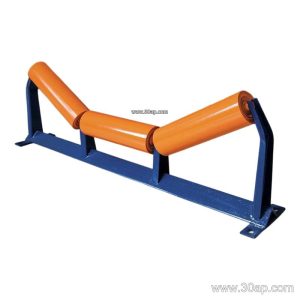
A return idler bracket is the support that holds the lower, return-side idlers beneath a conveyor belt. While the carrying idlers sit above the belt and bear the weight of the material, the return idlers support the empty belt on its way back to the tail pulley. The bracket ties those idlers to the conveyor frame at a fixed position, height, and angle. In a typical conveyor structure you will see return idler brackets spaced along the return run, working together with the idler roller, the conveyor pulley, and the conveyor bracket system that forms the frame.
Because the return side carries no bulk load, the bracket is often simpler than a troughing bracket. Even so, it must resist vibration, belt wander, and the constant pull of the moving belt. A weak or misaligned bracket shows up quickly as belt edge wear, noisy idlers, or material spillage.
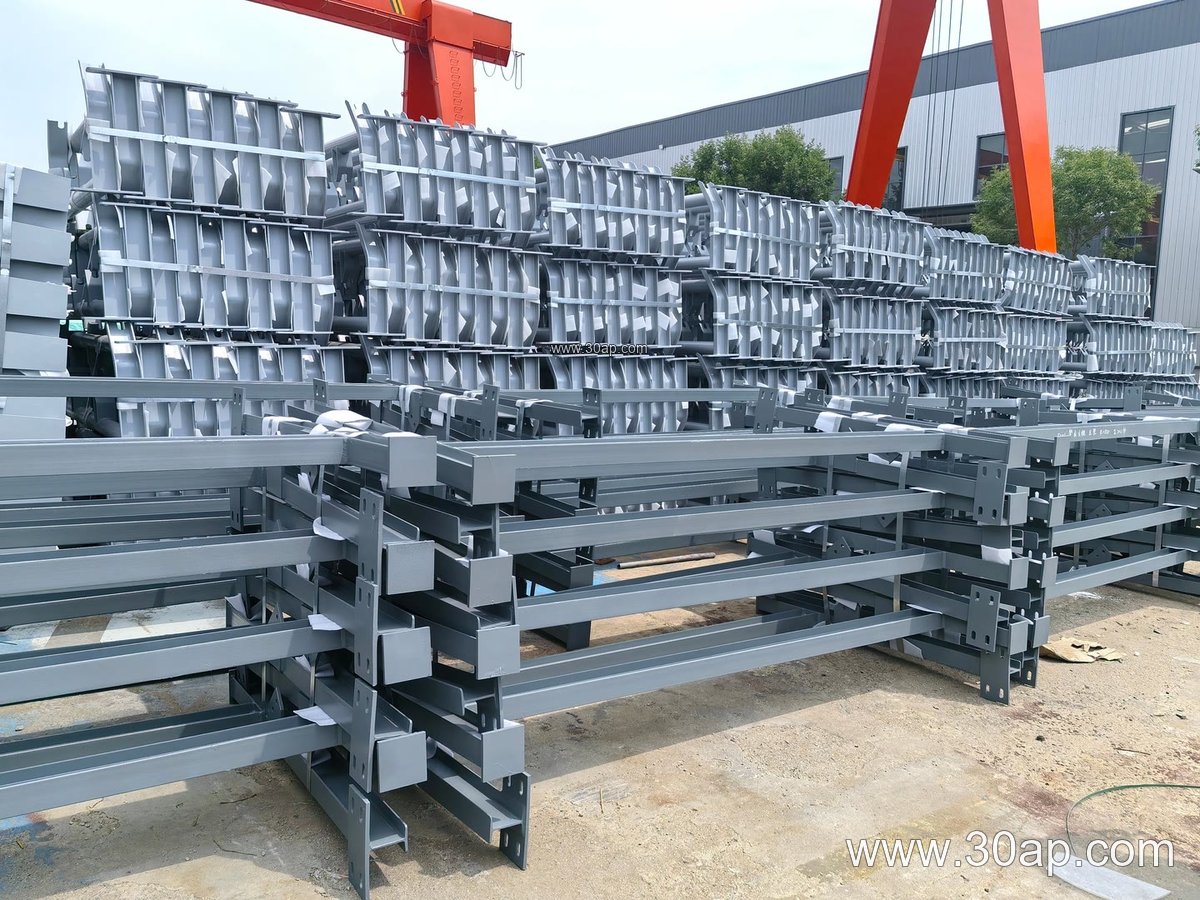
Construction and Common Forms
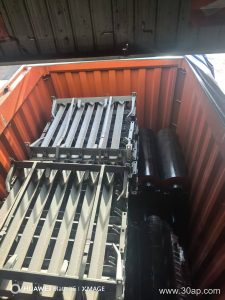
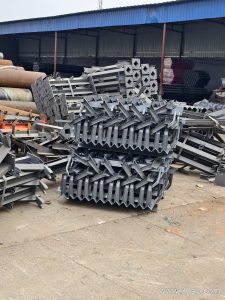
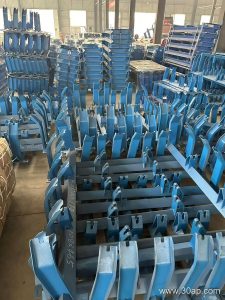
Most return brackets are fabricated from angle steel, channel steel, or folded steel plate. The material choice depends on the frame design and the duty level. A light-duty bracket on a small sand and gravel line may use folded plate, while a heavy-duty unit in an iron ore plant may use thicker channel. Common forms include:
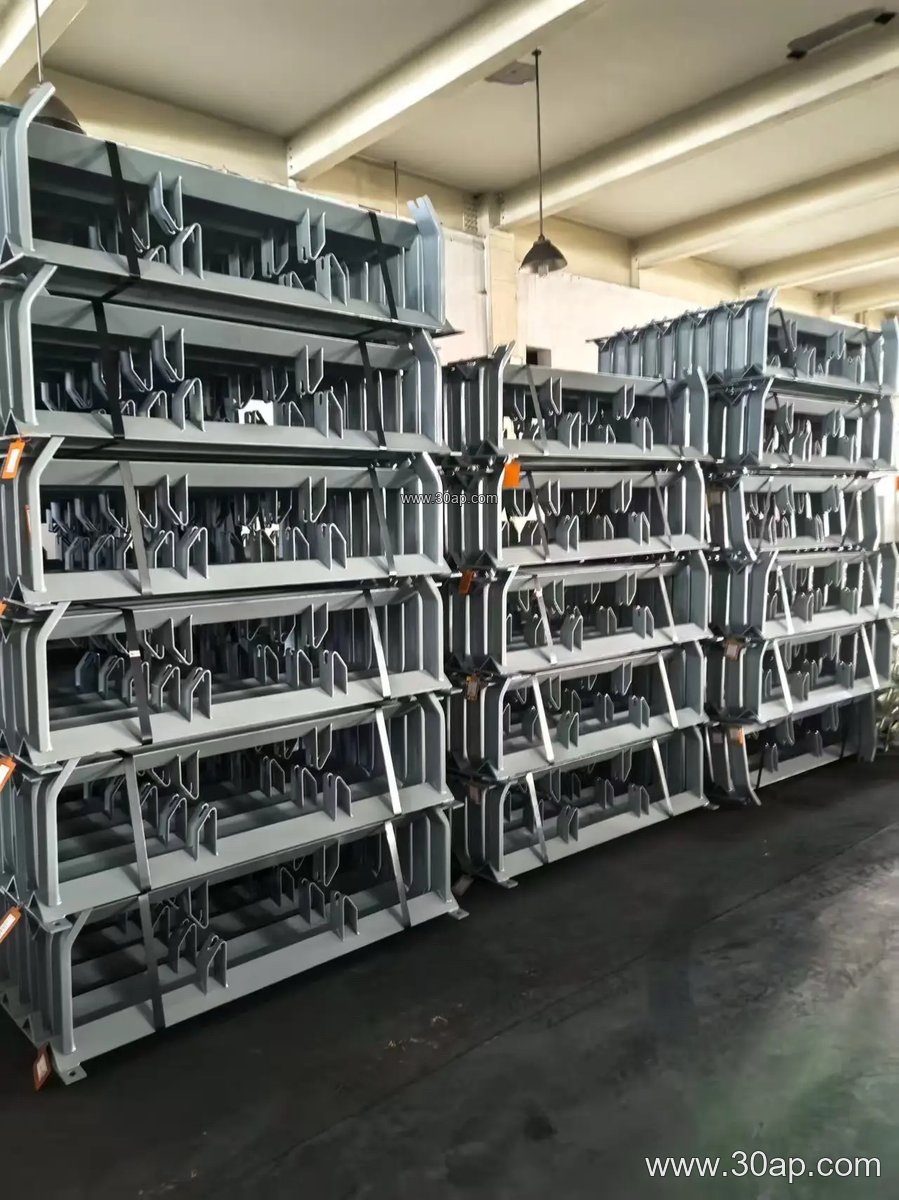
- Flat return brackets that hold a single horizontal idler under the belt
- V-shaped return brackets that set two idlers in a shallow V to help center the belt
- Adjustable brackets that allow the idler height or angle to be tuned during installation
- Hanger brackets suspended from the frame in some compact layouts
Mounting hole spacing and crossbeam length usually follow the belt width and the frame design rather than a single fixed number. Buyers should confirm these dimensions against the conveyor drawing before ordering.
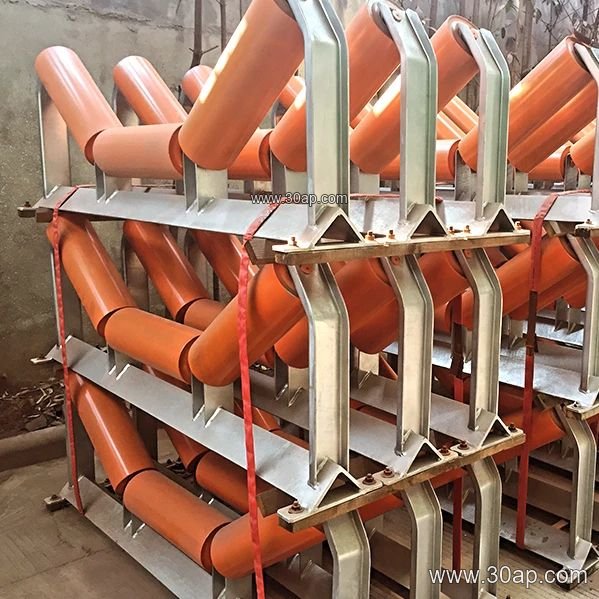
Where It Fits in the Conveyor Line
A return idler bracket is used wherever a belt runs back empty. That covers nearly every bulk handling site, but the working conditions differ a lot. In a coal washing plant, dust and moisture are constant concerns, so brackets should drain well and resist corrosion. In a cement plant or power plant coal yard, fine abrasive dust settles on the frame and can pack around the bracket. In a quarry or stone crushing line, impact and vibration from the loading point travel along the frame, so return brackets near the crusher discharge deserve extra attention.
The bracket also interacts with the belt itself. A heavy abrasion resistant conveyor belt or a thick steel cord conveyor belt has less flexibility, so return idler spacing and bracket alignment matter more. On a long overland run using an EP conveyor belt or NN conveyor belt, small height errors at each bracket can add up to visible belt sag.
Matching the Bracket to Belt Width and Idler Diameter
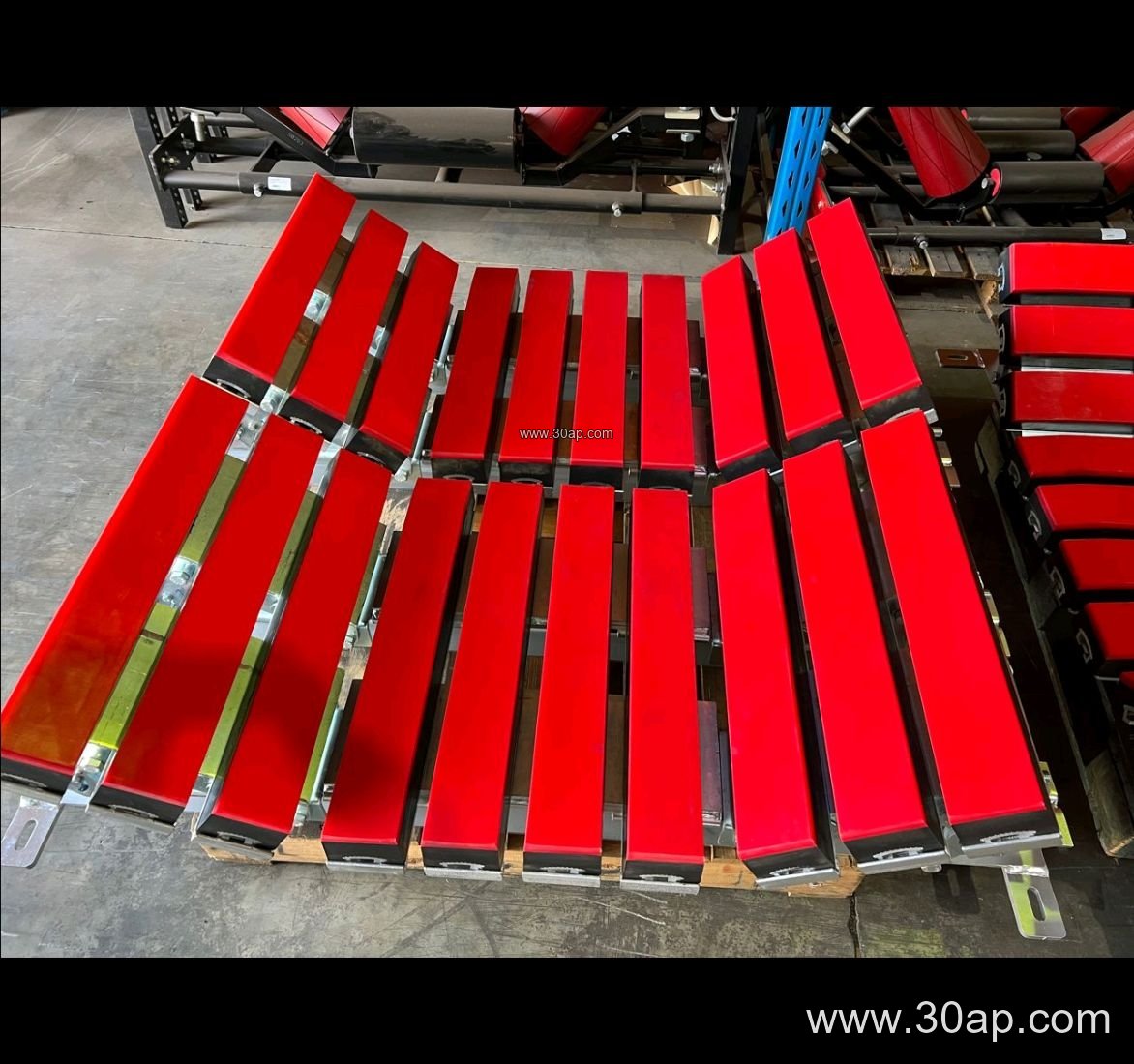
There is no single rule that ties one belt width to one idler diameter or one bracket type. The table below shows common reference combinations; actual selection should follow the conveyor design.
| Belt width | Common return idler diameter | Typical bracket note |
|---|---|---|
| B500 | Ø89 | Light frame, flat or V return |
| B650 | Ø89, Ø108 | Flat or adjustable return |
| B800 | Ø108, Ø133 | V return for better centering |
| B1000 | Ø108, Ø133 | Heavier channel bracket |
| B1200 | Ø133, Ø159 | V or flat return, check frame height |
| B1400 | Ø133, Ø159 | Reinforced bracket for long spans |
| B1600 | Ø159, Ø194 | Heavy-duty fabrication |
| B1800–B2200 | Ø159, Ø194 | Custom frame fit, verify hole spacing |
These values are reference data, not fixed pairings. A B800 conveyor may use Ø108 idlers on one section and Ø133 on another depending on load and belt speed. Always check the idler shaft size and the bracket slot together.
Buyer Checklist
- Confirm belt width and the return idler diameter, not just the bracket model name.
- Ask for the mounting hole spacing and crossbeam length, since these vary with frame design.
- Decide between fixed and adjustable brackets; adjustable units help during alignment but need locking after setup.
- Match the material and surface treatment to the site, especially in wet coal or dusty cement service.
- Check that the bracket works with the chosen idler roller and does not foul the belt during start-up.
A well-chosen return idler bracket is a small part of the conveyor, but it keeps the belt tracking straight and protects the idlers from uneven wear. For more on conveyor components, visit conveyoridlerpro.com for idler and bracket guidance, or review belt options such as Rubber Conveyor Belt and Flame Retardant Conveyor Belt when planning a full replacement.