What an Iron Ore Conveyor Idler Does on the Line
On a typical iron ore conveyor line, the belt carries a heavy, sharp, and often damp load from the crusher or stockpile to the transfer point. The idler roller is the part that supports that belt and keeps it tracking, so the iron ore conveyor idler works under constant load and abrasive dust. In a steel plant or a port terminal, the difference between a well-chosen idler and a weak one shows up quickly in belt wear and downtime.
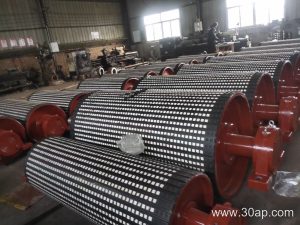
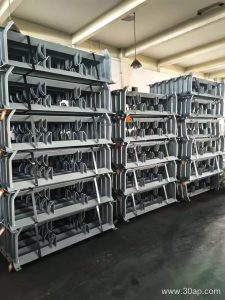
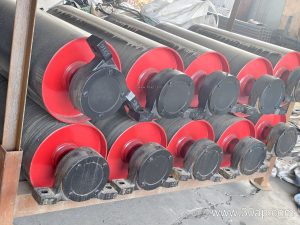
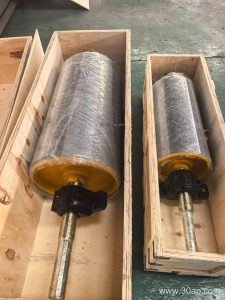
An iron ore conveyor idler is a rotating roller assembly mounted on a frame under or over the belt. It is not the same as a conveyor pulley; drive, tail and bend pulleys do the pulling and redirecting, while idlers carry the belt weight and the material load. The conveyor bracket holds each idler in place, and the belt rides on the roller surface.
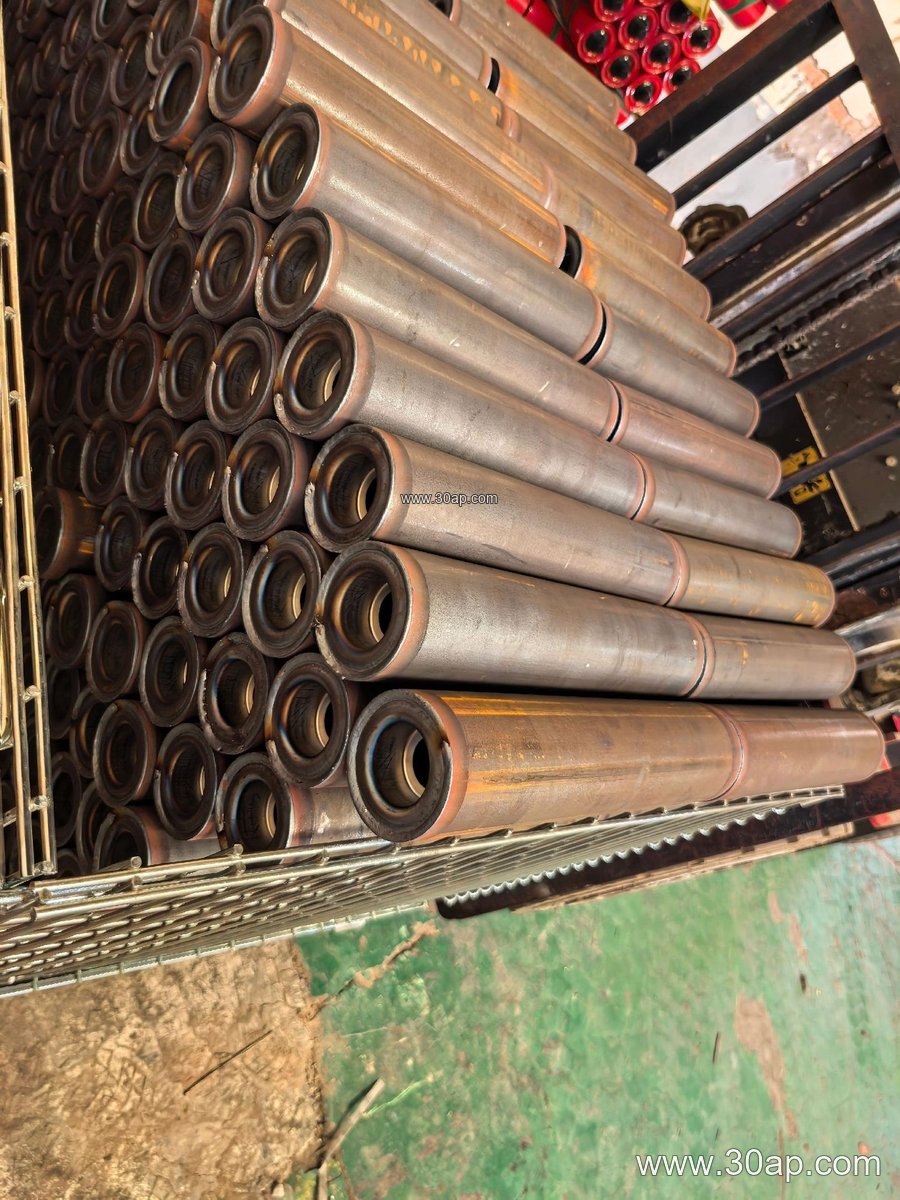
Construction and Materials
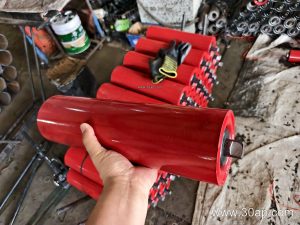
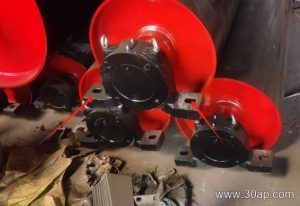
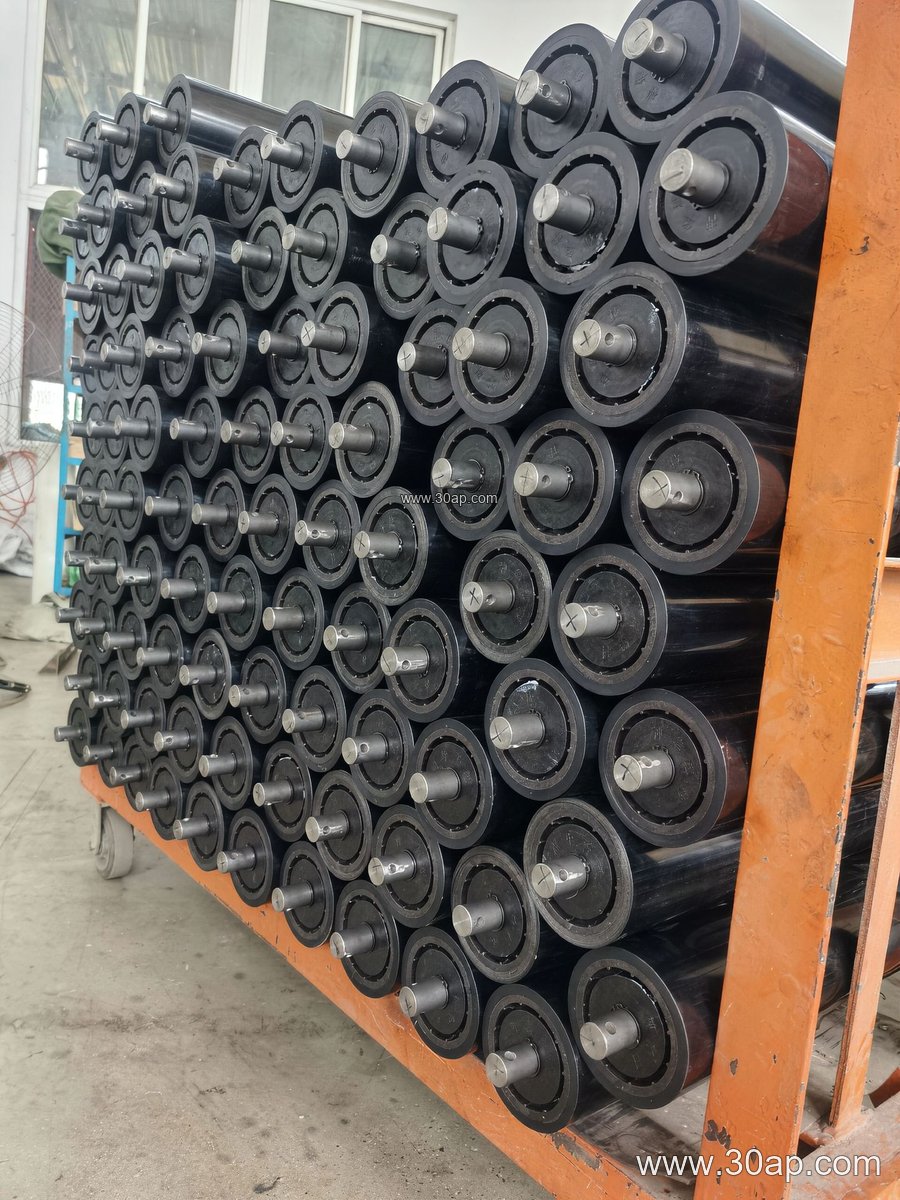
The shell is usually steel tube, and the shaft runs through bearings at both ends. Sealing is critical in iron ore service because fine dust and moisture attack bearings. For abrasive duties, some operators use rubber rings or ceramic-covered rollers to reduce shell wear. Common bearing sizes in this class include 6205, 6305, 6306 and 6308, though the right bearing depends on load and speed, not on belt width alone.
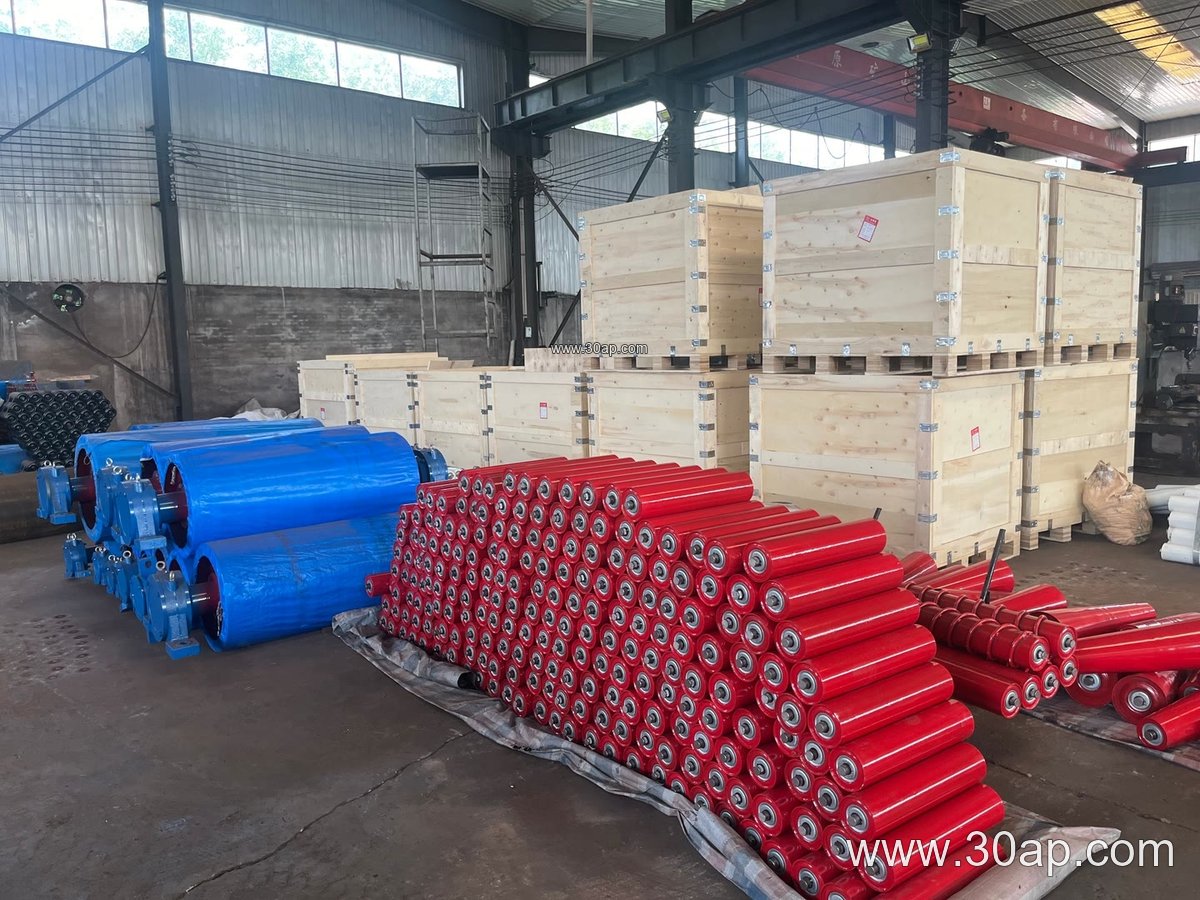
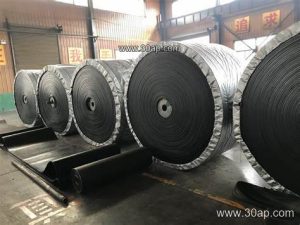
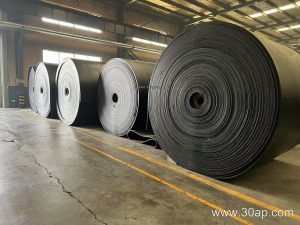
A heavy-duty mining conveyor belt often runs on three-roll troughing sets. The side rollers sit at a trough angle that keeps the ore centered. Typical trough angles are 30 degrees and 35 degrees, with 45 degrees used where the load is deep and the belt is stiff. The roller length changes with belt width, trough angle and roll arrangement; a three-roll set for B800 might use 315 mm rolls, while B1200 might use about 465 mm. These are common examples, and the actual length is set by design.
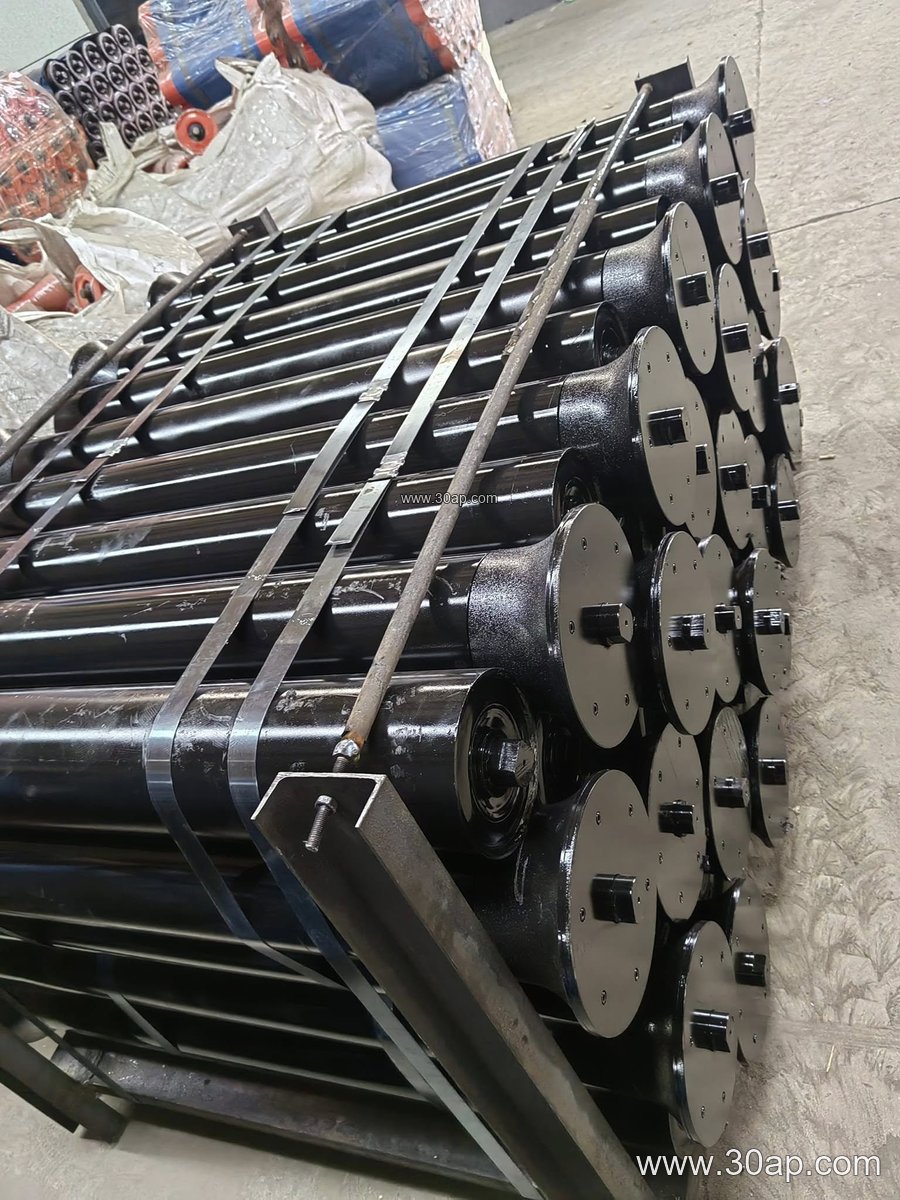
Where the Iron Ore Conveyor Idler Fits
In a crushing and screening circuit, impact idlers with rubber rings go under the loading point to absorb shock from falling ore. Along the carrying run, troughing idlers support the belt. On the return side, flat or V-return rollers keep the belt from sagging. Self-aligning idlers correct tracking on long runs, and spiral rollers help shed sticky fines. A quarry conveyor belt or an ore conveyor belt moving wet material benefits from good sealing and smooth rotation.
The same idler family appears in a cement plant, a power plant coal yard, and a port ship-loading line, but iron ore is harder on shells and bearings than most bulk materials. That is why abrasion resistant conveyor belt grades and robust idlers are often paired in this service. An abrasion resistant conveyor belt reduces top cover wear, and the idlers reduce belt sag and edge damage.
Common Reference Ranges
The table below shows typical reference values, not fixed supply promises. Final selection depends on load, speed, environment and frame design.
| Item | Common reference |
|---|---|
| Roller diameter | Ø89, Ø108, Ø127, Ø133, Ø159, Ø178 |
| Belt width | B650, B800, B1000, B1200, B1400, B1600 |
| Trough angle | 20, 30, 35, 45 degrees |
| Roll surface | steel tube, nylon, ceramic, rubber ring |
| Bearing | 6204, 6205, 6305, 6306, 6308, 6310 |
| Set form | single roll, two-roll, three-roll troughing |
Belt width and roller diameter are matched by the conveyor designer, not by a single rule. A wider belt does not automatically mean one fixed shaft size, and a B1000 belt can use different idler diameters depending on load and speed.
Buyer Checklist
- Confirm the load and the drop height at the loading point; impact idlers may be needed.
- Check sealing and bearing type for dust and moisture.
- Match trough angle to material flow and belt stiffness.
- Review the conveyor bracket and frame dimensions before ordering.
- Ask for roller runout and rotation checks, not just shell thickness.
For a new iron ore conveyor idler order, send the belt width, trough angle, roll diameter, bearing preference and mounting details. A supplier can then propose a set that fits the conveyor pulley layout and the belt path. Keep spare idlers on hand, because a seized roller can damage an expensive iron ore conveyor belt within hours.