What Makes a Belt Endless
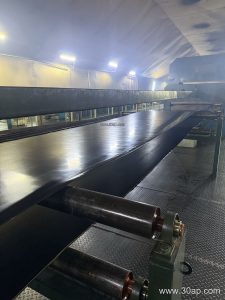
An endless conveyor belt is a belt that leaves the factory as a closed loop, with the ends joined permanently rather than left open for mechanical fasteners on site. Instead of clipping the two ends together with hinges or plates, the belt maker splices them during production, so the finished loop runs with a smooth, continuous carrying surface. In a quarry, a cement plant or a coal handling system, that continuous surface matters because it removes a regular weak point where material can catch, spill or tear. The product is also called an endless spliced conveyor belt, and both names describe the same loop.
Because the joint is made before delivery, the belt arrives matched to the pulley centers of the conveyor frame. That calls for accurate center distance measurement at the ordering stage. A loop that is too short cannot be pulled over the pulleys, while an oversized loop needs excessive take-up travel to reach working tension.
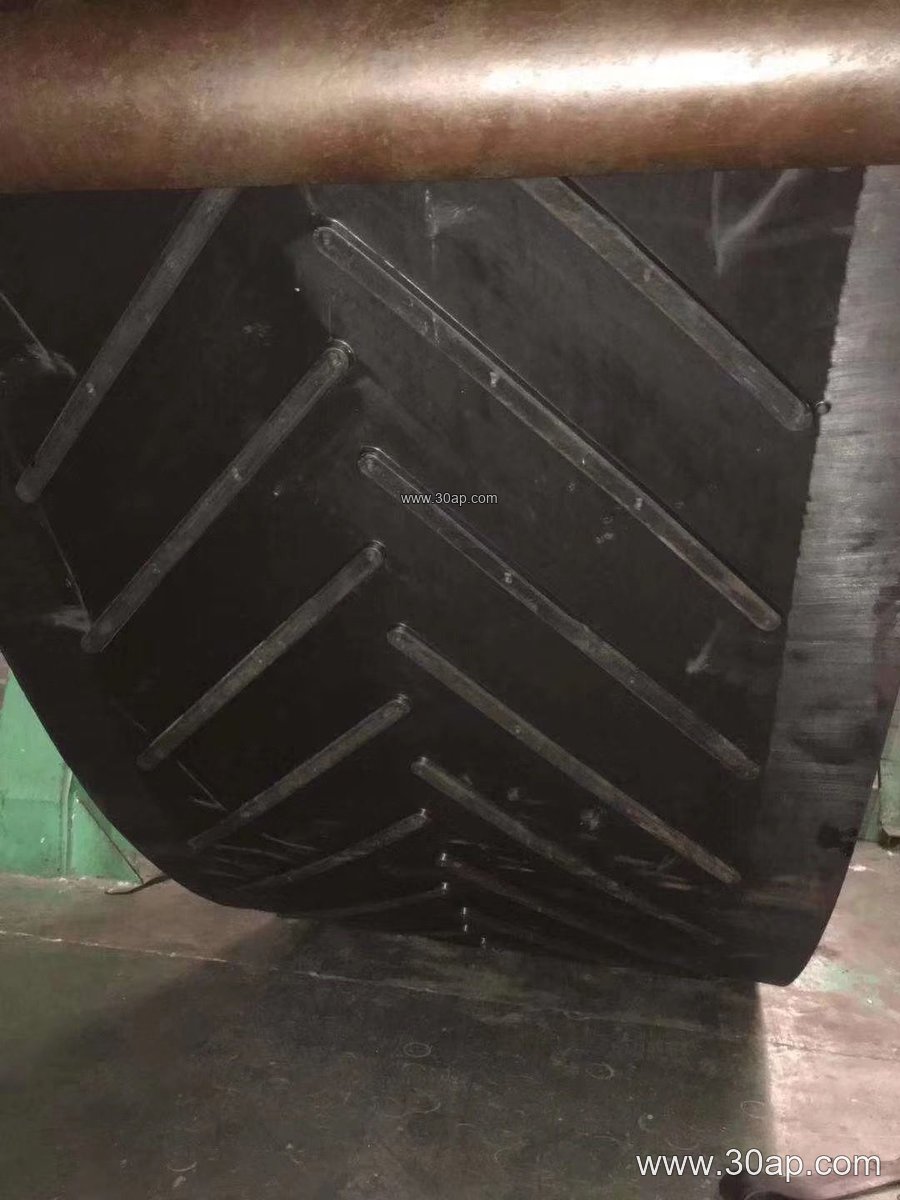
How the Loop Is Built
Construction follows the same logic as open belting, with the splice as an extra step. A fabric core conveyor belt is built from plies of EP or NN fabric, and the number of plies usually ranges from 2 to 6 depending on duty. Heavier duties call for a steel cord conveyor belt, where parallel steel wires replace the fabric carcass and allow long center distances with low stretch.
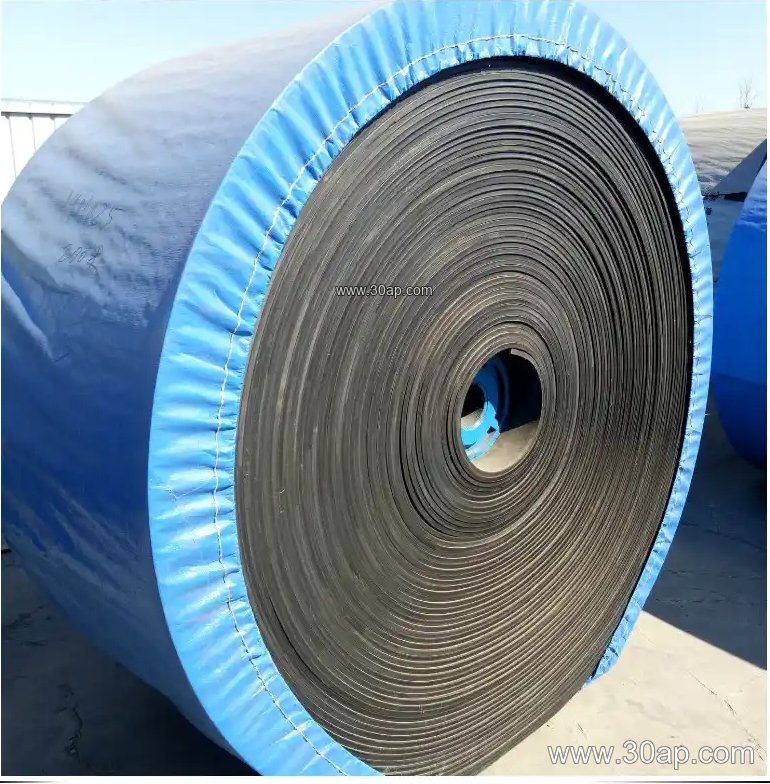
Cover rubber is selected for the cargo and the climate. Common cover combinations include 3+1.5, 4+2, 5+2, 6+2 and 8+3 mm, meaning top cover plus bottom cover. A rubber conveyor belt for iron ore or crushed rock might use an abrasion resistant conveyor belt cover, while a heat resistant conveyor belt cover suits clinker and sinter. Underground coal mining conveyor belts often need flame retardant conveyor belt behavior, and some operations add anti-static conveyor belt properties for dust control.
Fabric and Steel Cord Reference Grades
The grades below are common reference points, not a fixed matching rule. Final selection is confirmed by the conveyor designer.
| Family | Typical Strength Grades | Common Belt Widths |
|---|---|---|
| EP conveyor belt | EP200, EP400, EP630, EP800, EP1000, EP1250 | B500 to B2000 |
| NN conveyor belt | NN100 to NN400 | B500 to B1400 |
| Steel cord conveyor belt | ST1000 to ST3150 | B800 to B2000 |
| PVG conveyor belt | PVG800, PVG800S | B800 to B1400 |
Where Endless Loops Fit Best
Short and medium center conveyors gain the most. A crusher conveyor belt feeding a screen, an aggregate conveyor belt under a stockpile, or a ship loading conveyor belt on a port jetty all benefit from a joint that passes over bend pulleys without snagging. In a power plant, an endless belt on a coal feeder line reduces the chance of edge damage at the splice. In a sand making plant or stone crushing line, the loop keeps fines from working into an open joint.
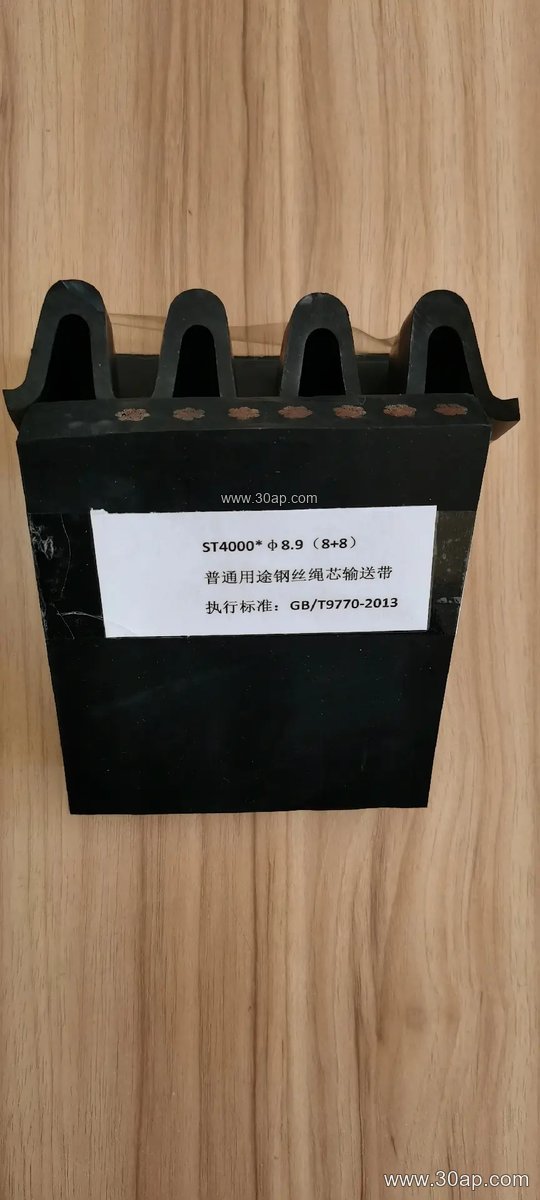
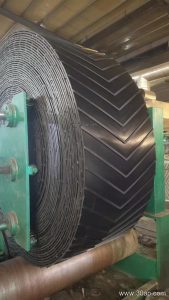
Special profiles are also supplied as loops. A chevron conveyor belt with raised ribs, a corrugated sidewall conveyor belt with cleats and sidewalls, and a pipe conveyor belt that folds into a tube can all be spliced endless. Skirted conveyor belt designs, where rubber skirts sit along the edges, are usually assembled on the frame, so the endless loop and the skirt system are planned together.
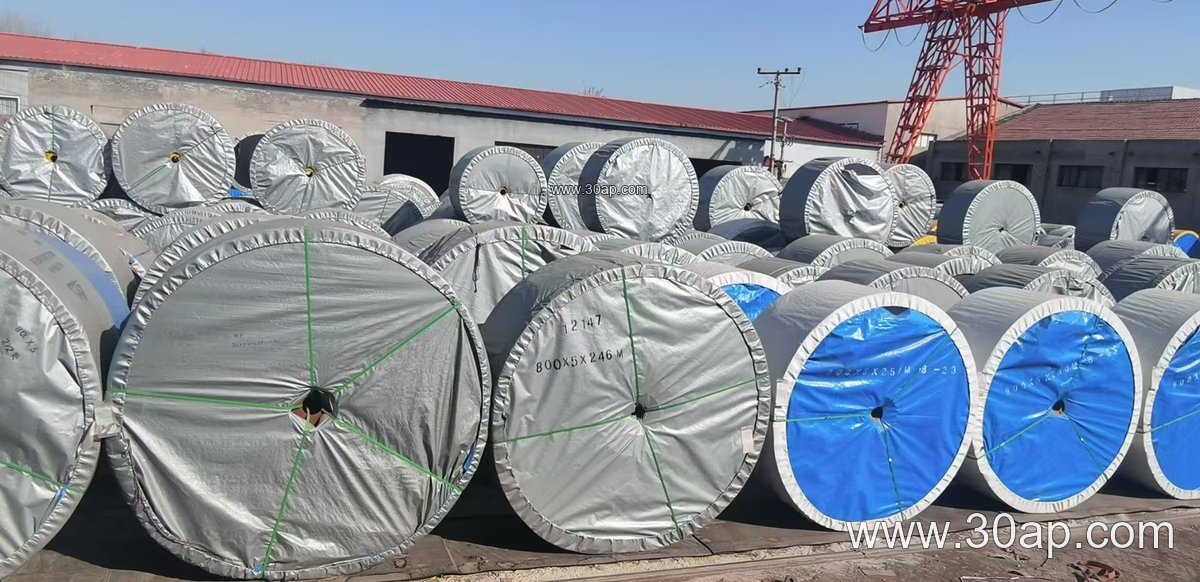
Not every conveyor suits a factory splice. Very long overland lines or belts that must be replaced through a narrow gallery may be better served by a splice made on site. In such cases the same carcass may be supplied open, and the decision belongs to the maintenance planner.
Buyer Checklist
- Confirm the exact center distance, belt width and pulley diameters, and state whether the loop is measured at working tension.
- Match the carcass grade to the duty. An EP1000 belt on a primary crusher discharge behaves very differently from an EP200 belt on a small transfer.
- State the material, lump size, temperature and any oil or chemical exposure, so the cover compound is chosen correctly.
- Describe the environment, including dust, humidity and whether the line runs underground.
- Ask how the splice was made and what inspection it received before packing.
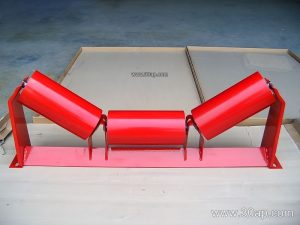
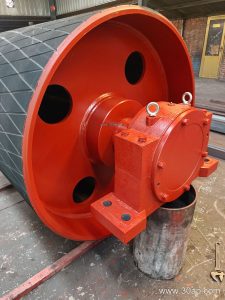
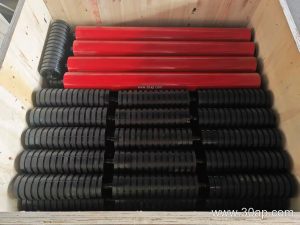
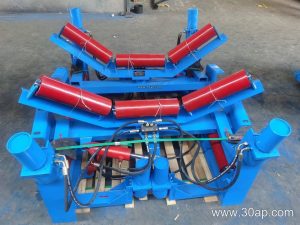
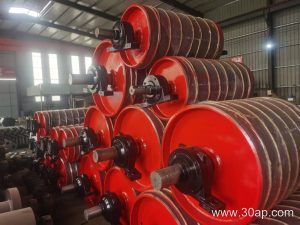
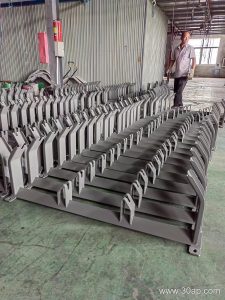
During installation, check pulley alignment and confirm that conveyor pulleys, idler rollers and the conveyor bracket set are square to the belt path. A well-made loop will still track poorly on a skewed frame. After start-up, watch the splice area during the first shifts, then include it in routine inspections alongside the conveyor pulley and idler roller checks.
For buyers sourcing a continuous loop, the practical route is to share the conveyor drawing, the duty description and the required cover thickness with the belt supplier. That combination lets the maker choose the carcass, cover and splice method together, which is what makes an endless conveyor belt reliable in daily service.