What a Conveyor Frame Does
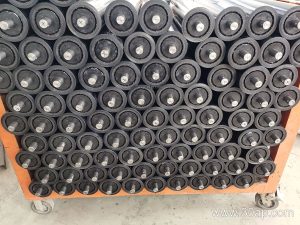
A conveyor frame is the structural backbone that holds a belt line in alignment, carries the weight of the material, and keeps every rotating part in its working position. It is more than a set of legs under a belt. The frame ties together the conveyor pulleys, idler rollers, and conveyor bracket assemblies into one rigid, straight, and serviceable structure. In a quarry, a coal washing plant, or a cement plant, the frame determines whether the belt tracks cleanly or wanders, and whether idlers can be replaced quickly during a short shutdown.
The frame also transfers loads into the ground or into a steel structure. Belt tension, material weight, impact from large lumps, and wind or snow loads all pass through the stringers and legs. A well-designed frame keeps deflection low so the belt does not sag between idlers and the material does not spill.
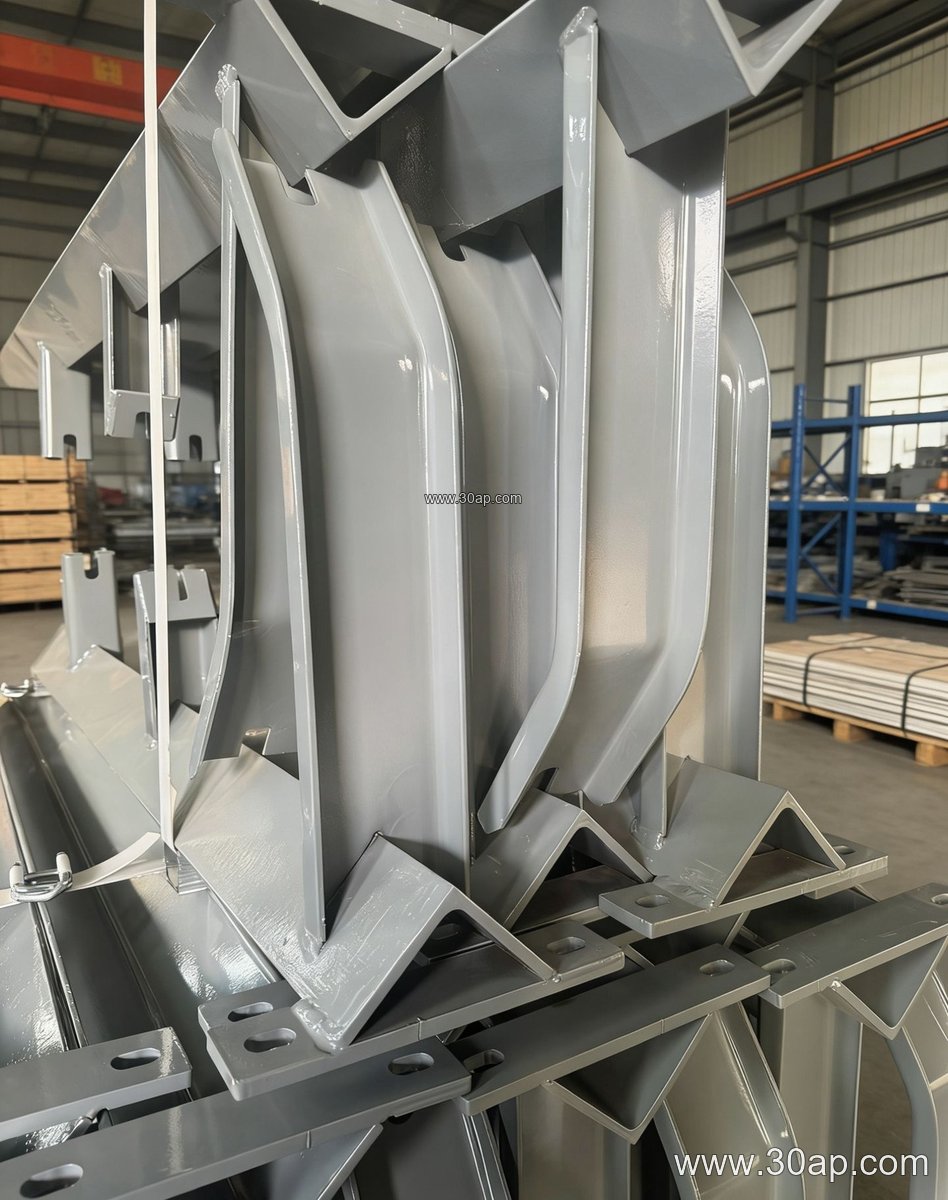
How the Structure Is Built
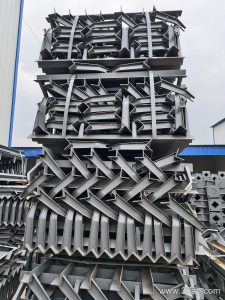
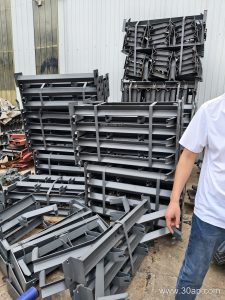
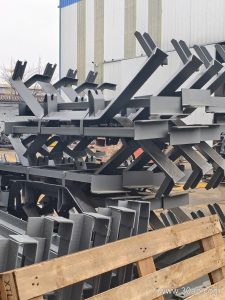
Most frames are fabricated from angle steel, channel steel, or folded steel plate. Stringers run along the length of the line and support the idler stations. Cross members hold the stringers at the correct spacing, and legs or trestles carry the assembly to the floor or to a gallery structure. Bolted construction is common so sections can be shipped and assembled on site; welded frames are also used where a very stiff, permanent structure is wanted.
The frame defines three important zones. The carrying side supports troughing idlers that shape the belt into a trough. The return side supports flat or V-return idlers. Transition and bend areas need their own support arrangement so the belt is not forced to change angle abruptly. Drive and tail pulleys mount on separate pulley frames or on reinforced sections of the main frame, and these points usually carry the highest loads.
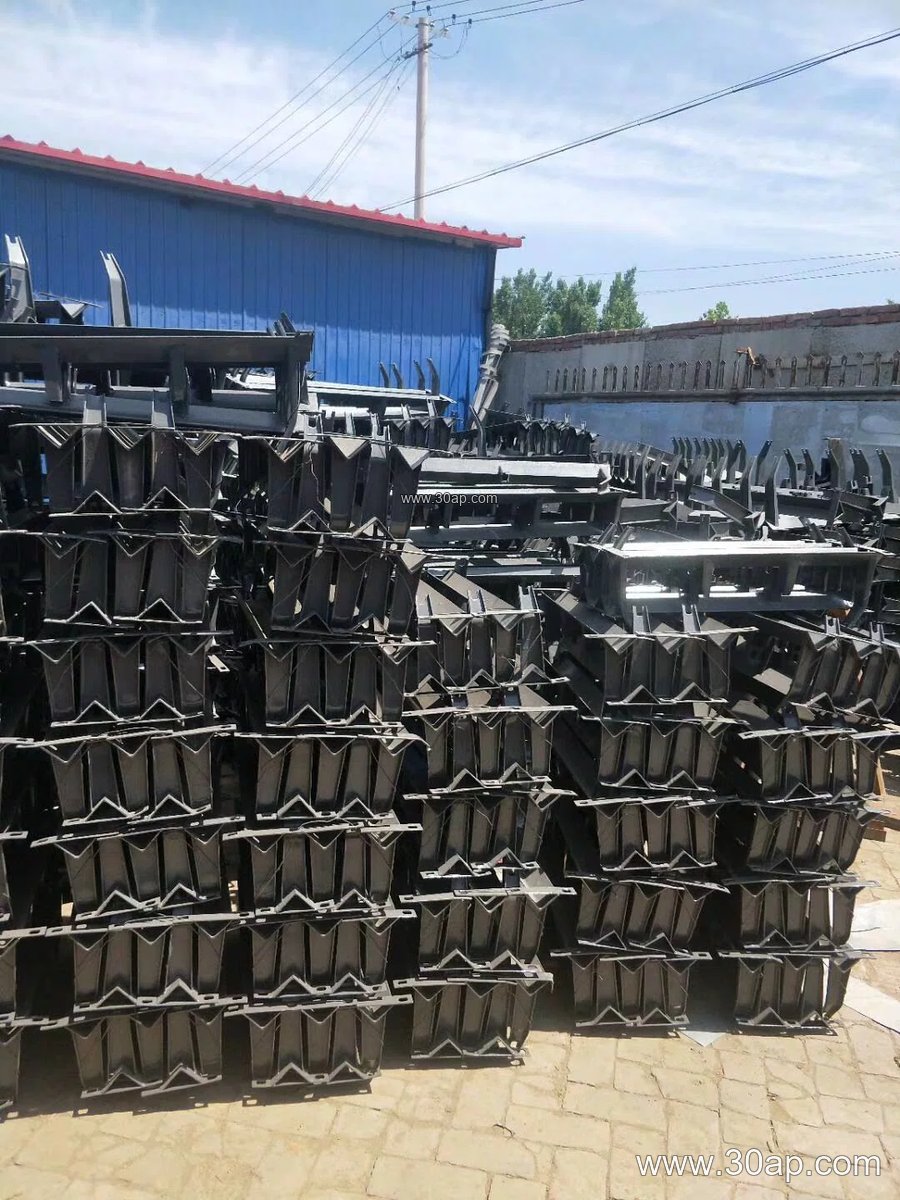
Common frame components
- Longitudinal stringers in angle or channel section
- Cross beams and idler mounting plates
- Trestles, legs, and floor plates
- Brackets for troughing, impact, and self-aligning idlers
- Mounting bases for conveyor pulleys and drive units
- Guards, skirts, and walkway supports where required
Trough Angle and Idler Fit
The frame sets the trough angle, and that angle influences how much material the belt can carry and how stable the load is. Common trough angles are 20, 30, 35, and 45 degrees. A 35 degree frame with a B800 belt and Ø108 idlers is a typical arrangement for medium-duty aggregate lines, while a B1200, 45 degree, Ø133 combination may suit a high-capacity bulk material conveyor. These are examples, not fixed rules: belt width, idler diameter, and trough angle are selected together with belt tension and material characteristics.
Adjustable frames allow the trough angle to be changed within a range, which helps when a line is re-purposed or when belt training needs fine tuning. Fixed frames are simpler and stiffer, and are often preferred where the duty is well known. Forward-tilted idler stations, usually around 1.5 to 2 degrees, are sometimes used for belt training, and the frame must be built to hold that tilt accurately along the whole line.
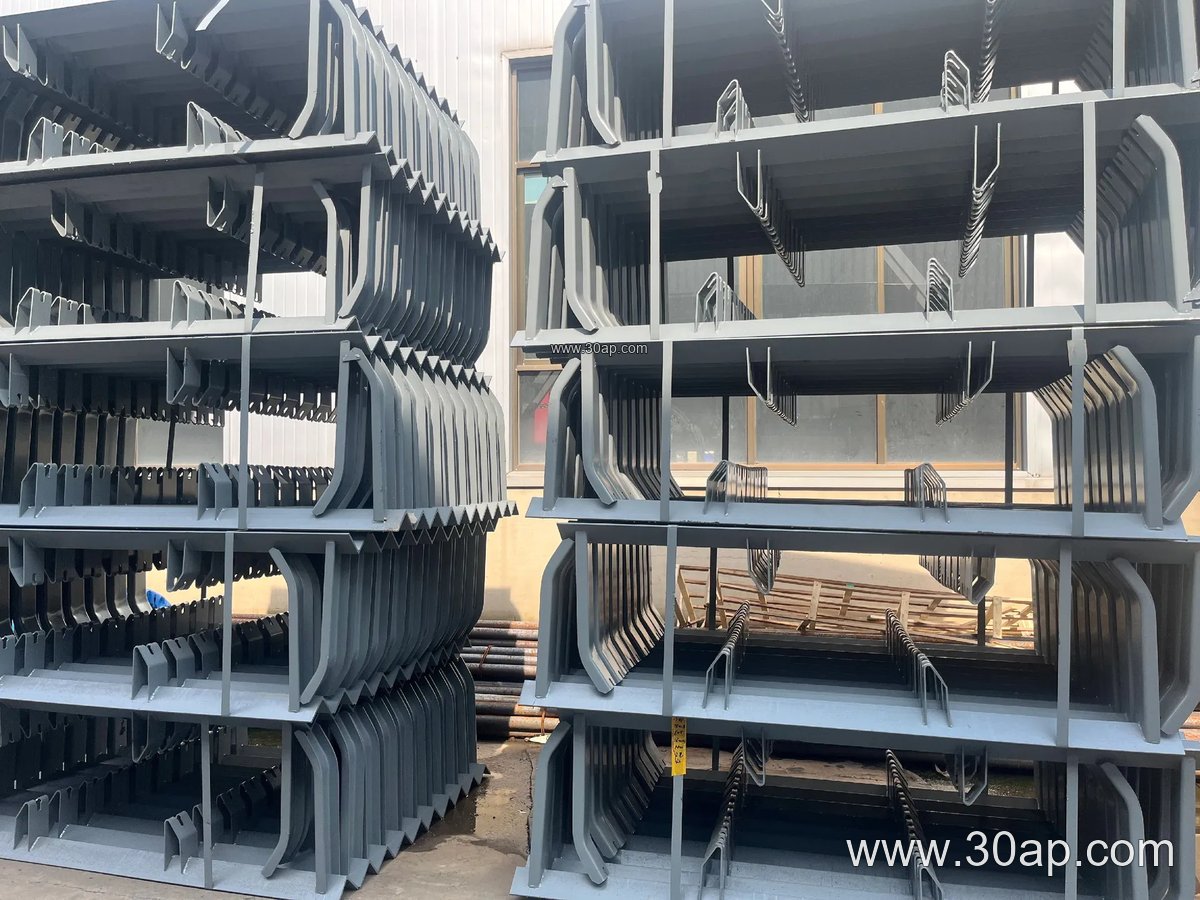
Where Conveyor Frames Are Used
Frames appear wherever bulk material moves continuously. In a limestone quarry or stone crushing line, heavy-duty frames carry abrasion resistant conveyor belts through loading and transfer points. In a power plant coal yard, flame retardant and fire resistant belts run on frames that must resist dust and occasional washdown. Cement plants use long frames for clinker and raw meal, while port and ship loading systems rely on wide, stiff structures for high-tonnage belts.
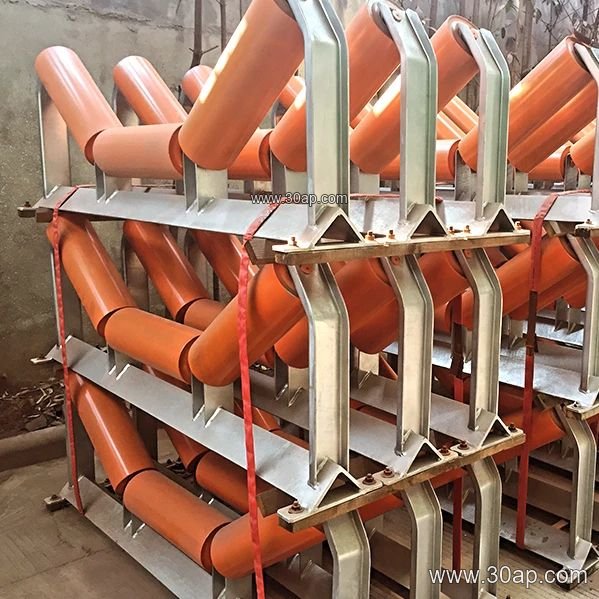
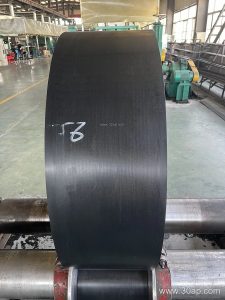
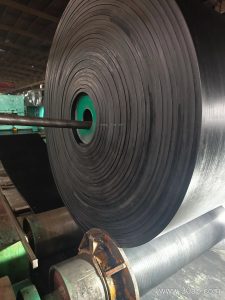
The belt itself is only part of the system. A rubber conveyor belt, an EP conveyor belt, or a steel cord conveyor belt all depend on a straight frame and correctly spaced idler rollers to run at full life. A conveyor frame that is out of line will shorten belt life no matter how good the belt is.
What Buyers Should Check
Before ordering, confirm the belt width, the required trough angle, and the idler diameter the frame must accept. Check the mounting hole spacing and cross member length, because these change with belt width and trough angle and should not be assumed. Ask how the frame connects to the pulleys and whether the drive section is reinforced. For a mining conveyor belt or an underground coal mining conveyor belt, confirm that the frame can be dismantled and moved through restricted spaces.
Also consider the environment: a cold resistant belt may need a frame that tolerates thermal movement, and a heat resistant belt needs clearance from hot material. For corrosive service, discuss surface protection early. Finally, plan maintenance access so idlers and brackets can be reached without removing the belt.
For related belt and component options, see the conveyor belt, idler roller, and conveyor pulley ranges published at munancn.com, and review frame drawings against the actual belt line before fabrication.