What an Oil Resistant Conveyor Belt Is
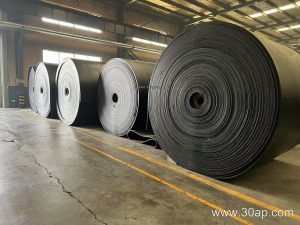
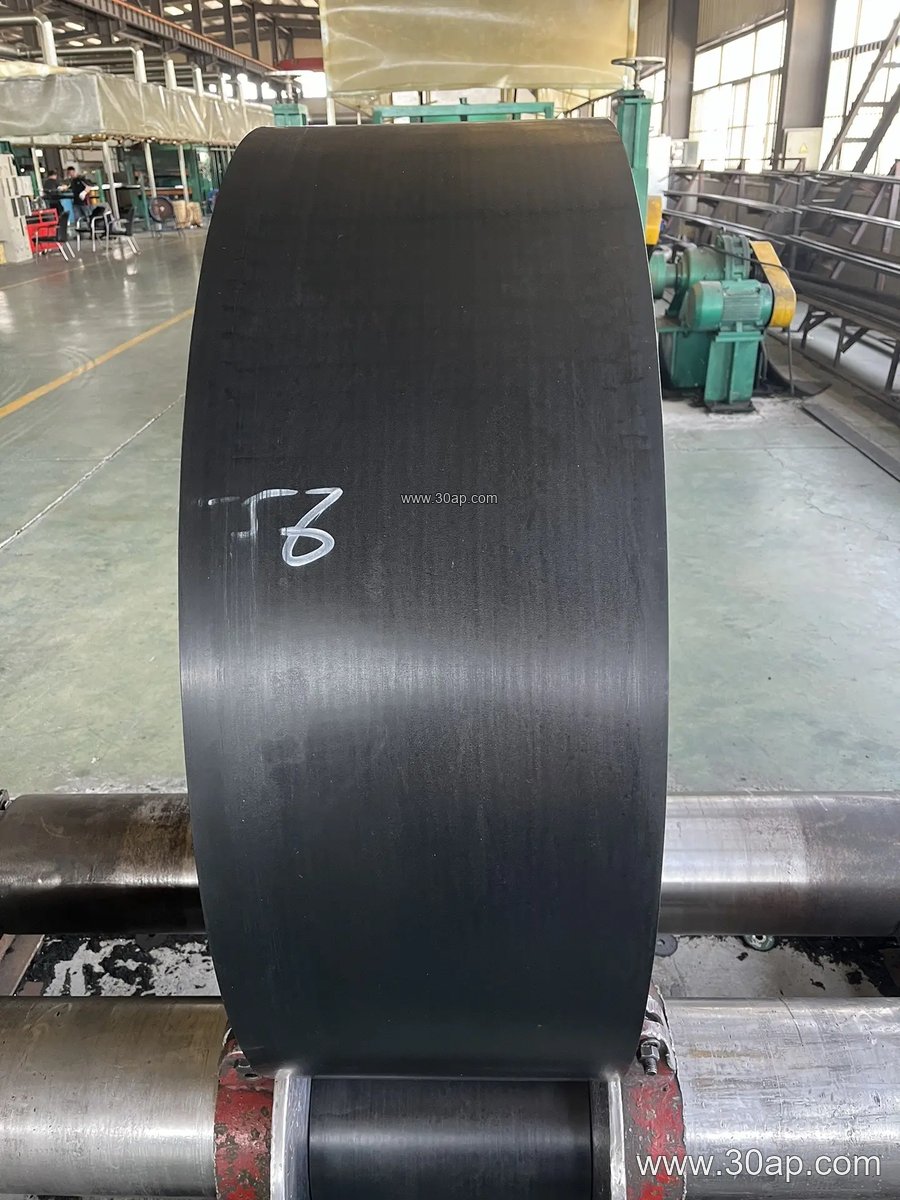
An oil resistant conveyor belt is a rubber conveyor belt designed to resist swelling, softening, and cracking when it carries materials that contain mineral oils, vegetable oils, or other oily residues. In plants handling recycled material, metal scrap, oily sand, or certain chemical powders, standard rubber covers can degrade quickly. The oil resistant conveyor belt uses a cover compound that limits hydrocarbon penetration, helping the belt keep its tensile strength and surface integrity over time.
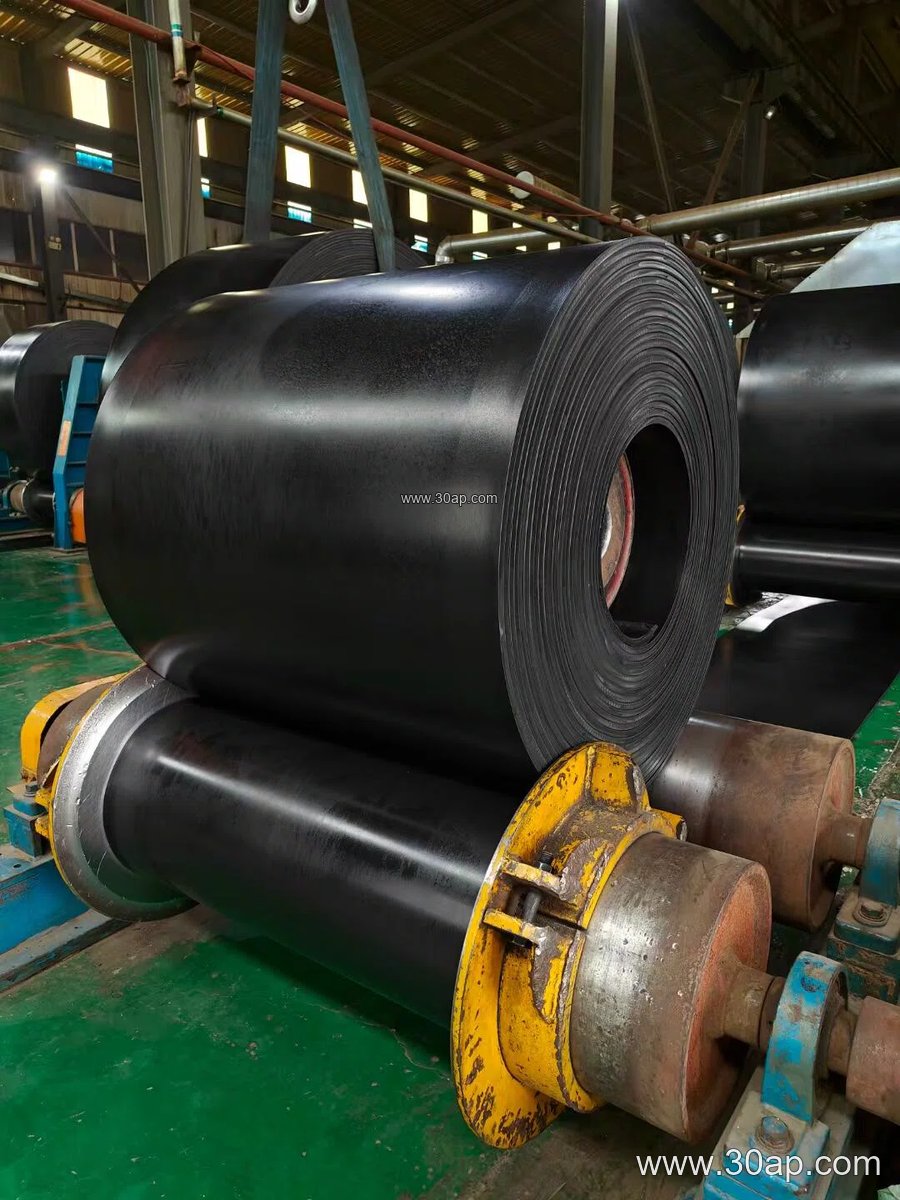
This belt is often supplied as a fabric core conveyor belt with EP or NN carcass, and the oil resistant cover is available on multi-ply fabric core conveyor belt constructions. For heavier loads, a steel cord conveyor belt can also be built with oil resistant covers, but the fabric core version remains the common choice for most oily bulk handling lines.
Construction and Cover Options
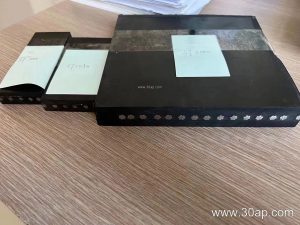
The belt body usually combines rubber covers with a fabric carcass. The oil resistant compound is applied to the top cover, and in some designs to the bottom cover as well, depending on how much oil contamination the return side may see. Typical cover thickness combinations include 3+1.5 mm, 4+2 mm, 5+2 mm, 6+2 mm, and 8+3 mm. The carcass may have 2 to 6 plies, and strength grades such as EP200, EP400, EP630, EP800, EP1000, and EP1250 are common references.
Buyers should note that oil resistance is not the same as heat resistance or flame retardancy. An oil resistant conveyor belt may be requested together with flame retardant conveyor belt properties for underground mining or coal handling, but each property must be specified separately. The same applies to abrasion resistant conveyor belt covers, which protect against wear rather than oil attack.
Where It Is Used
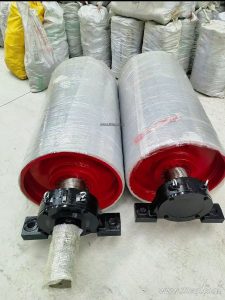
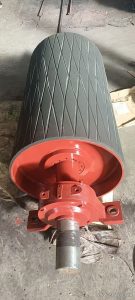
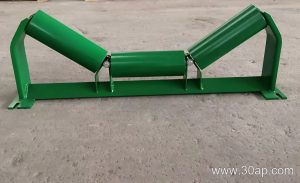
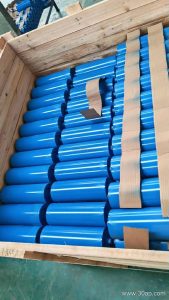
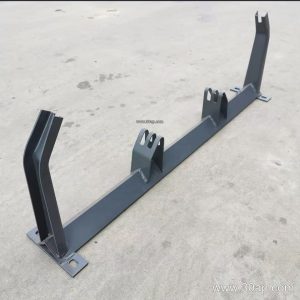
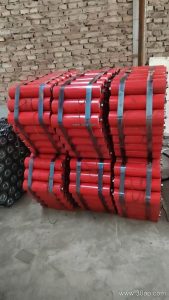
Oil resistant belts appear in recycling plants, scrap yards, machine shops, and some chemical processing lines. They also serve in cement plants where alternative fuels or oily additives are handled, and in port facilities that move oil-contaminated bulk material. In these settings, the belt works with conveyor pulleys, idler rollers, and conveyor brackets that must be aligned and maintained to prevent edge damage and premature cover wear.
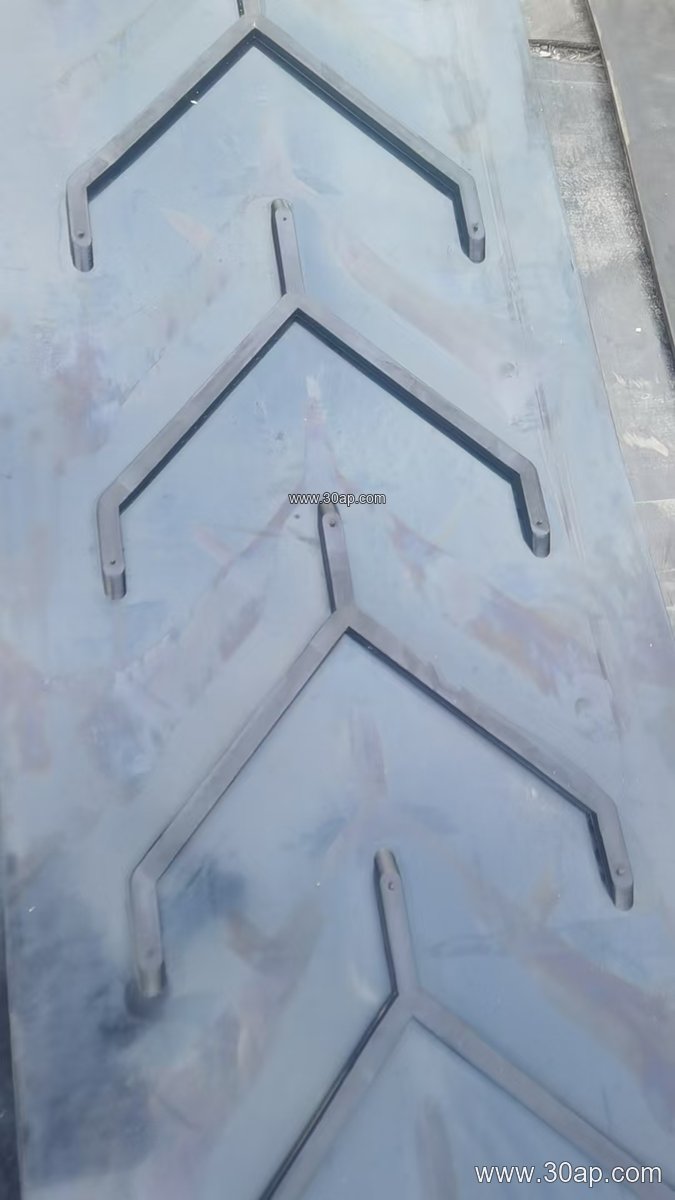
For comparison, a chevron conveyor belt or corrugated sidewall conveyor belt may be chosen when the conveyor has a steep incline, but those surface forms are separate design choices. The oil resistant cover can be combined with such profiles only when the application requires both oil resistance and inclined conveying.
Specifications and Selection Notes
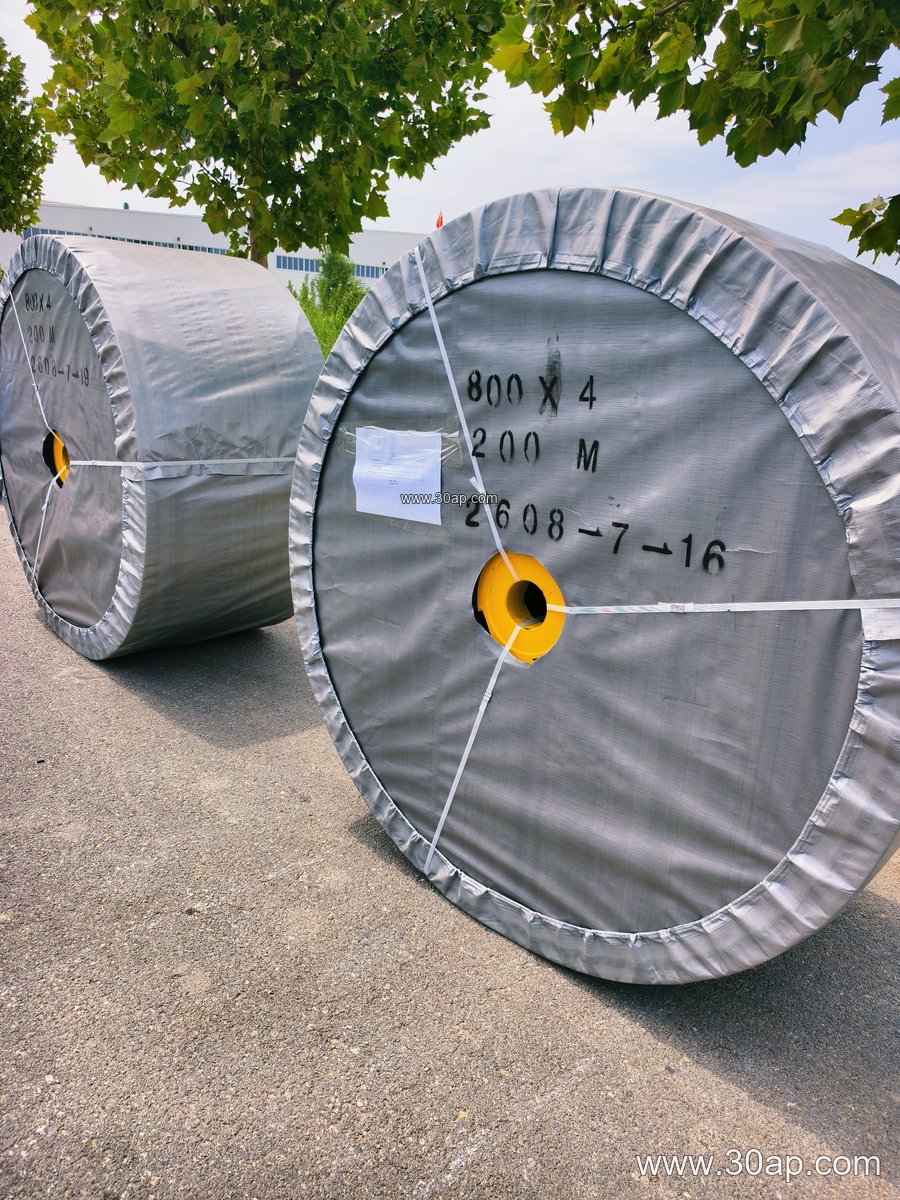
Belt width and strength should follow the conveyor design, not a fixed rule. Common widths include B500, B650, B800, B1000, B1200, B1400, B1600, B1800, and B2000. A 1200mm wide conveyor belt or 1500mm wide conveyor belt may suit large bulk lines, while narrower belts fit smaller transfer points. The table below lists reference data only; actual supply depends on the manufacturer and application review.
| Parameter | Common Reference Range |
|---|---|
| Strength grade | EP200, EP400, EP630, EP800, EP1000, EP1250 |
| Belt width | B500, B650, B800, B1000, B1200, B1400, B1600, B1800, B2000 |
| Cover thickness | 3+1.5 mm, 4+2 mm, 5+2 mm, 6+2 mm, 8+3 mm |
| Carcass plies | 2 to 6 plies, depending on strength |
When selecting, confirm the oil type and concentration, the material temperature, and whether the belt will run on a troughing idler roller set or a flat return. Check pulley diameters and take-up travel with the belt supplier so the carcass flexibility matches the conveyor pulley arrangement. Do not assume one belt width matches one pulley diameter; the drive pulley, tail pulley, and bend pulley each have their own design requirements.
Maintenance and Buyer Checklist
- Inspect the oil resistant cover for swelling, tackiness, or cracks during routine walks.
- Keep idler rollers turning freely to avoid localized cover wear and heat buildup.
- Clean spilled oil from the belt surface and from conveyor brackets to reduce prolonged contact.
- Verify that the belt splice matches the carcass type and that the oil resistant cover is not overheated during splicing.
- Store belts away from direct sunlight, ozone sources, and oily floors before installation.
An oil resistant conveyor belt is a focused solution for oily bulk handling, not a universal belt for every duty. Matching the cover compound, carcass, and conveyor components to the actual site conditions gives the best service life. For related conveyor equipment such as conveyor pulleys, idler rollers, and conveyor brackets, buyers can review the full conveyor belt range on the supplier site and confirm oil resistant specifications before ordering.