What a Coal Conveyor Belt Is
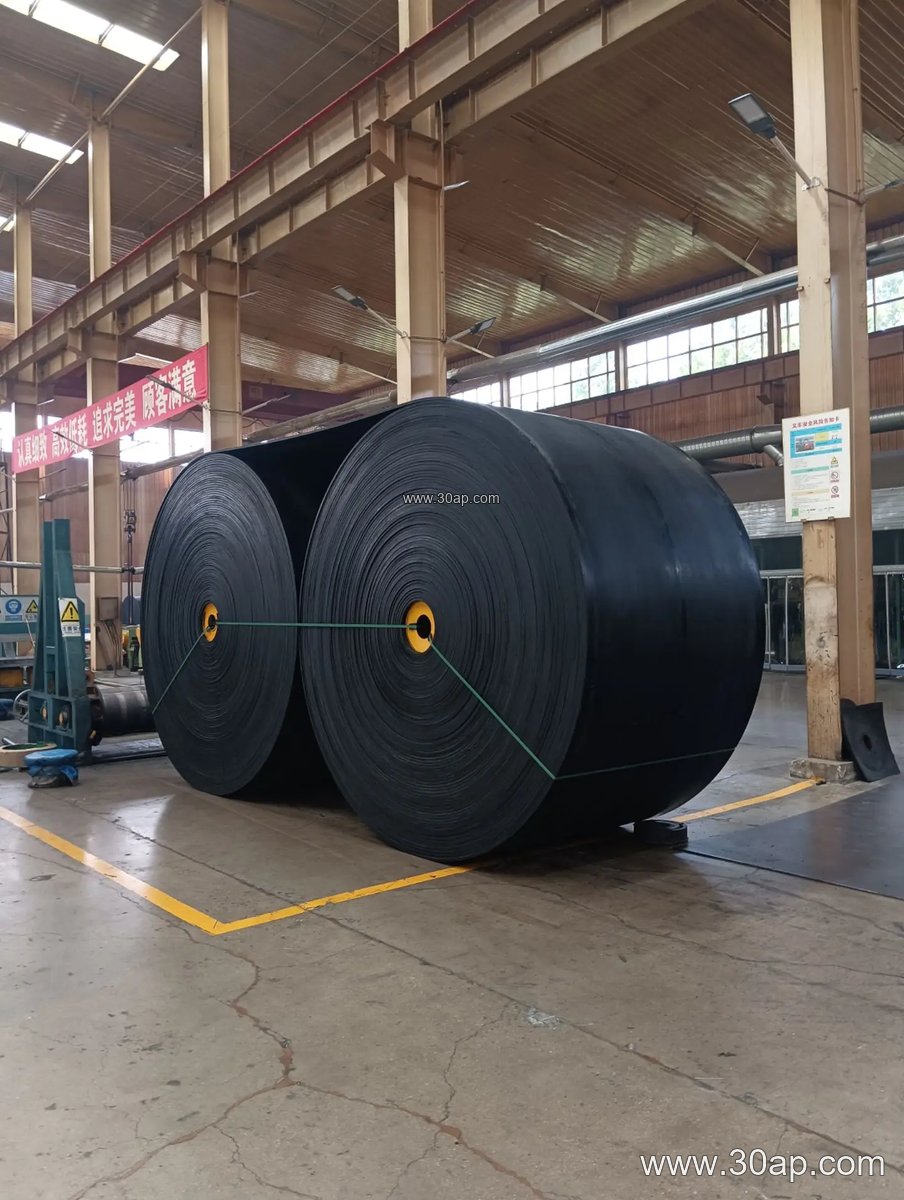
A coal conveyor belt is the continuous loop that carries raw or processed coal between the mine face, crushing station, stockpile, and loadout point. In a coal mining conveyor belt system, the belt is the wear surface and the load-bearing member; it must handle sharp lumps, fines, moisture, and abrasive dust while staying flexible enough to run over idlers and pulleys. Buyers often meet the product as a rubber conveyor belt with a fabric or steel cord carcass, and the term coal conveyor belt usually implies flame-retardant and anti-static properties for underground or dusty surface service.
Construction Basics
The belt has three working parts. The top cover takes the impact and abrasion from coal, the carcass carries tension, and the bottom cover protects the pulley side. Fabric cores, such as EP conveyor belt or NN conveyor belt, use multiple plies; steel cord conveyor belt uses parallel wires for long, high-tension runs. Cover thickness is often written as top + bottom, for example 4+2 mm or 6+2 mm, and carcass plies commonly range from 2 to 6 layers depending on load and distance. A flame retardant conveyor belt and anti-static conveyor belt grade is usual for underground coal mining conveyor belt duty, while a heat resistant conveyor belt may be needed near dryers or transfer points with hot material.
Where It Is Used
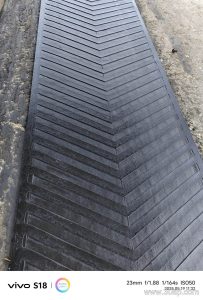
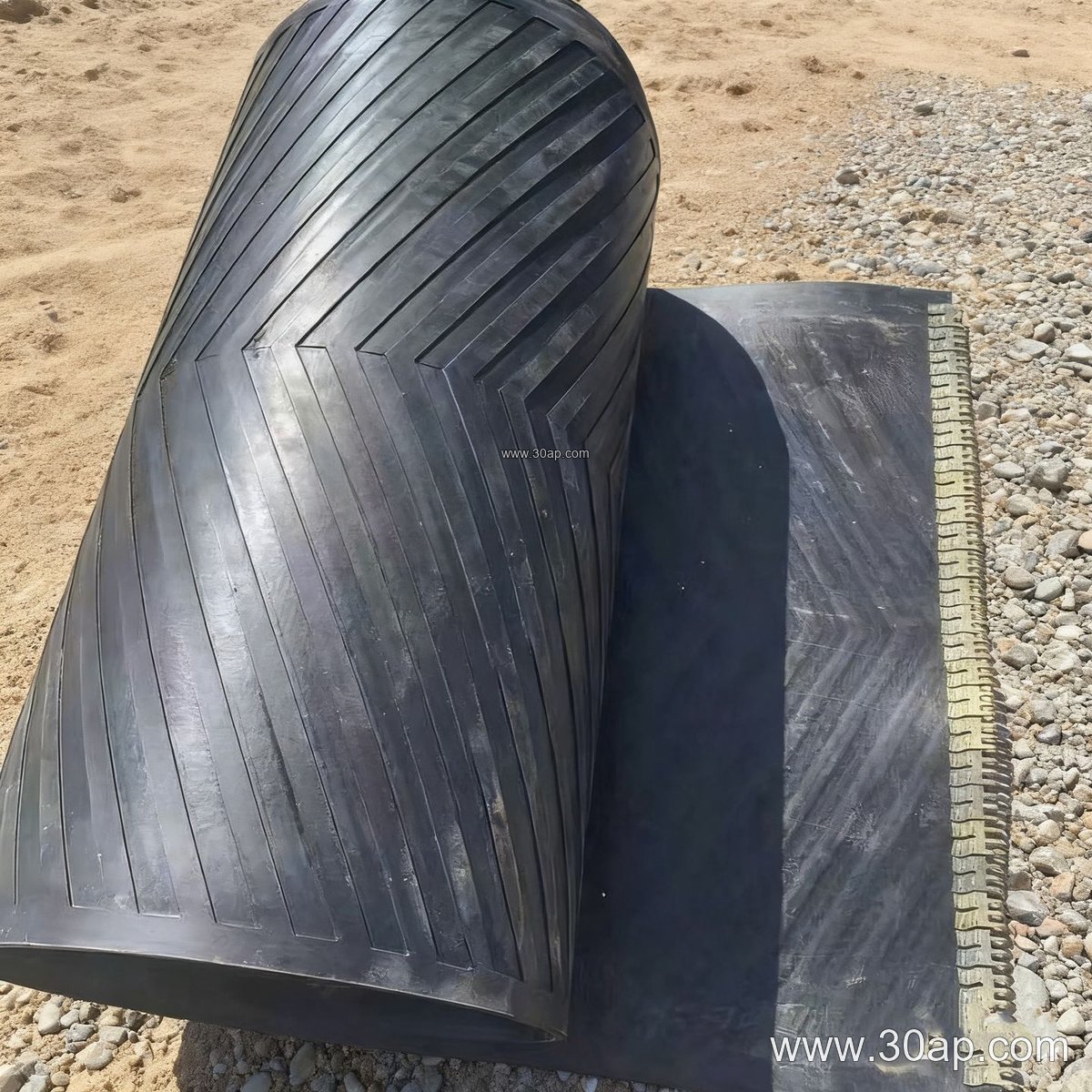
Coal moves through many industries, and the same belt type appears across them. In a coal mine, a coal mining conveyor belt feeds from the face to the surface. At a power plant, a coal conveyor belt supplies the boiler bunkers. Cement plants, steel plants, and quarries also use a bulk material conveyor belt for limestone, clinker, ore, or aggregate, though coal duty puts more emphasis on fire safety. Ports and ship loading terminals rely on wide, heavy-duty conveyor belt loops for fast transfer. In a coal preparation plant, an abrasion resistant conveyor belt helps with washed coal and rejects, and a chevron conveyor belt can control material on steep inclines.
Common Specifications and Reference Data
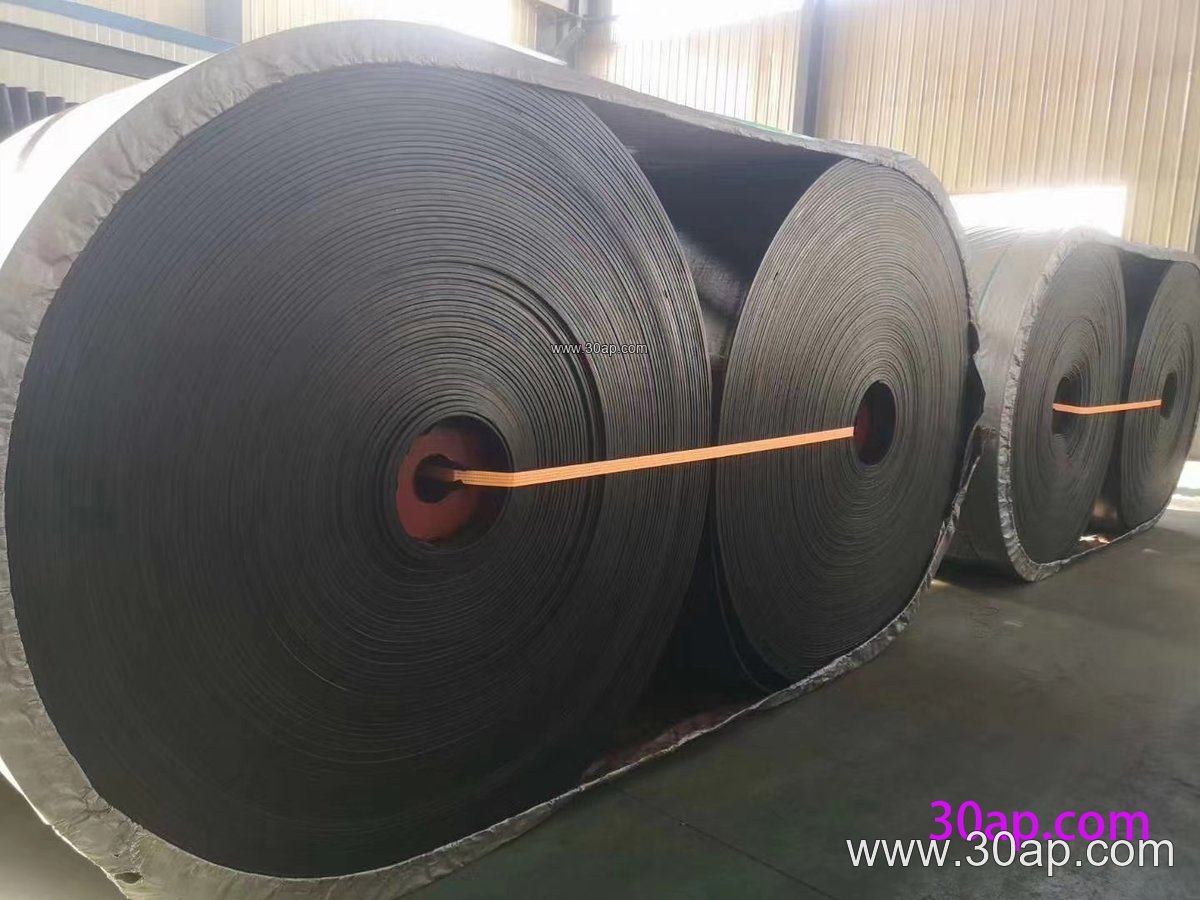
Belt width and strength are selected from the conveyor design, not chosen by habit. The values below are common reference figures, not fixed pairings; a fabric belt of one width may run on different pulley diameters, and shaft size must come from the pulley design. The table lists typical options that appear in coal handling projects.
Typical Belt Grades and Sizes (Reference Only)
| Property | Common reference values |
|---|---|
| Fabric core grades | EP200, EP315, EP400, EP500, EP630, EP800, EP1000, EP1250; NN100, NN200, NN300, NN400 |
| Steel cord grades | ST1000, ST1250, ST1600, ST2000, ST2500 |
| Belt widths | B500, B650, B800, B1000, B1200, B1400, B1600, B1800, B2000 |
| Cover thickness (top + bottom) | 3+1.5 mm, 4+2 mm, 5+2 mm, 6+2 mm, 8+3 mm |
| Carcass plies | 2 to 6 layers, according to design |
Special constructions include a corrugated sidewall conveyor belt for vertical or high-incline lifts, a skirted conveyor belt to contain coal at transfer points, and a pipe conveyor belt for enclosed, dust-controlled routing. A cold resistant conveyor belt is used where winter temperatures are low, and an oil resistant conveyor belt is relevant near lubricated equipment or coal with oil contamination.
Buyer Checklist
- Confirm the duty: underground coal mining conveyor belt service usually needs flame retardant and anti-static grades, while surface coal handling may focus on abrasion resistance.
- State the material: lump size, moisture, and temperature affect cover thickness and the choice of heat resistant conveyor belt or impact resistant conveyor belt.
- Match strength to the conveyor: EP1000 or ST1600 are common references, but the final grade follows the calculated tension, not a catalog guess.
- Plan the loop: an endless conveyor belt reduces splice failures, but site splicing may be necessary for long runs.
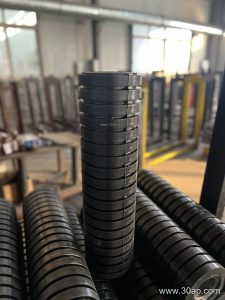
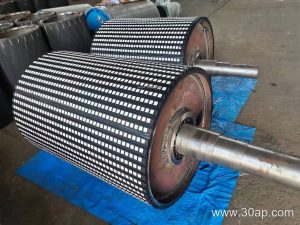
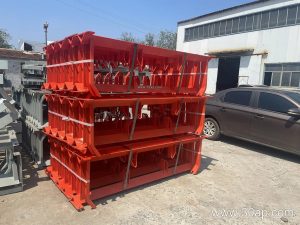
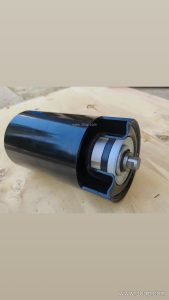
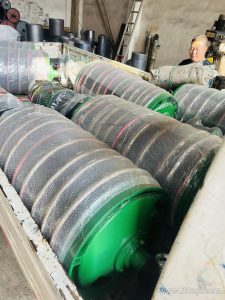
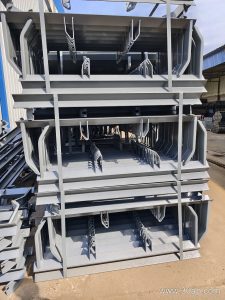
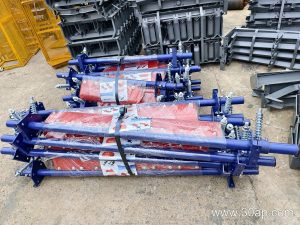
- Check the whole system: idler roller alignment, conveyor pulley condition, and conveyor bracket rigidity all affect belt life, so the belt should not be bought in isolation.
For coal handling, request the belt grade, width, cover thickness, and fire-safety data in writing, and keep spare belt and splicing materials on site. A well-matched coal conveyor belt, supported by good idlers and pulleys, keeps the coal flow steady from mine to boiler or stockyard.