What an EP800 Conveyor Belt Is
An EP800 Conveyor Belt is a fabric core conveyor belt built on polyester-polyamide (EP) carcass plies with a nominal tensile strength of 800 N/mm per ply. In everyday plant language it is often called an EP800 rubber conveyor belt, and buyers may also see the same product described as an EP fabric core conveyor belt. The EP carcass gives low elongation under load, good troughability, and reliable tracking on long conveying runs, which is why this strength class appears in mines, cement works, power plants, quarries, and port bulk terminals.
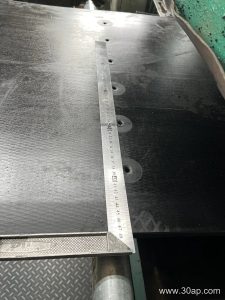
The belt is not a single rubber sheet. It is a composite:EP fabric plies carry the tension, skim rubber bonds the plies together, and top and bottom cover rubber protect the carcass from abrasion, impact, moisture, and in some cases heat or oil. The number of plies, cover thickness, and cover compound are selected to suit the conveyor duty rather than fixed by the strength grade alone.
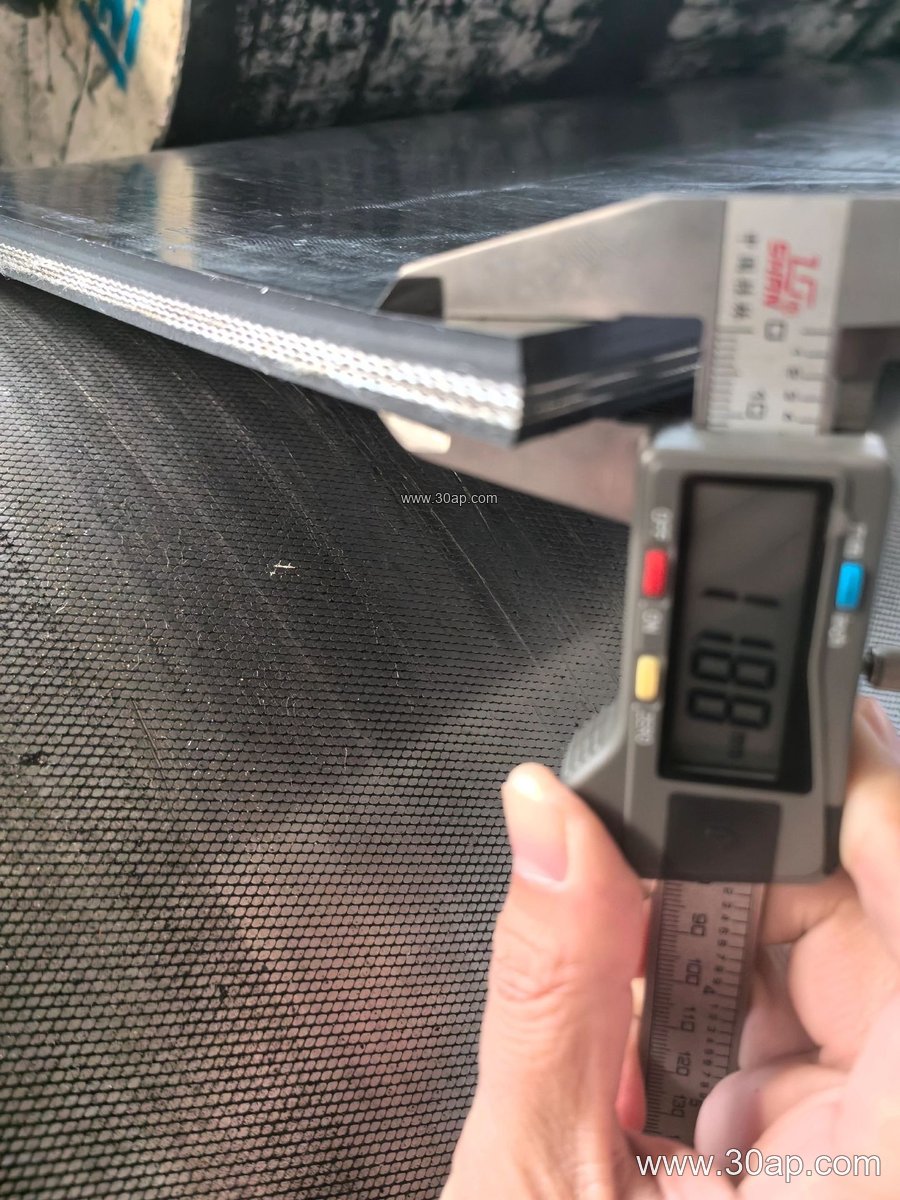
Construction and Typical Parameters
An EP800 belt usually has 3 to 5 plies depending on belt width and the load it must carry. Cover rubber grades commonly run from 4+2 mm to 8+3 mm on heavy-duty mining and quarry duties; lighter service may use 3+1.5 mm or 5+2 mm. Buyers should treat these as common ranges, not guaranteed values, because each manufacturer builds to its own carcass and compound designs.
| Item | Common range or note |
|---|---|
| Strength grade | EP800 (800 N/mm per ply) |
| Carcass plies | 2 to 6 plies, typically 3 to 5 |
| Belt width | B500, B650, B800, B1000, B1200, B1400, B1600, B1800, B2000 |
| Top and bottom cover | 3+1.5, 4+2, 5+2, 6+2, 8+3 mm |
| Cover compounds | Abrasion resistant, heat resistant, flame retardant, oil resistant, cold resistant, anti-static |
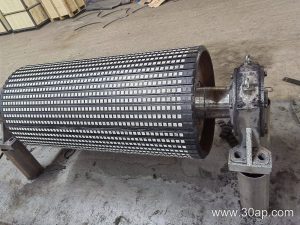
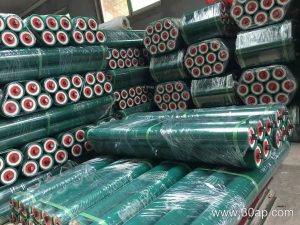
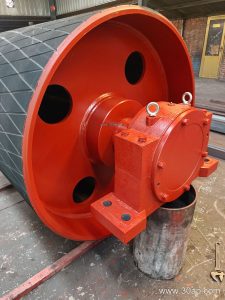
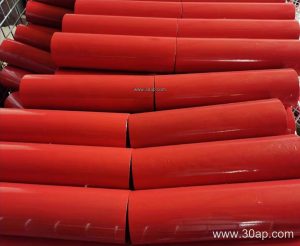
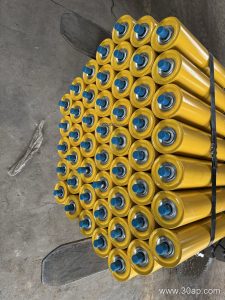
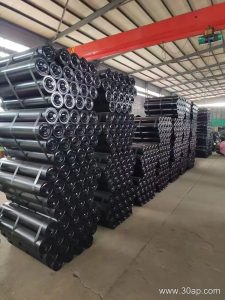
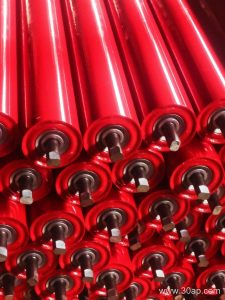
The correct belt width and pulley diameter are matched by the conveyor designer, not by a single rule. A wider EP800 belt does not automatically require one specific pulley size, and shaft diameter must be calculated from the actual load, pulley diameter, and bearing arrangement. Drive pulleys, tail pulleys, and bend pulleys each perform a different job and are not interchangeable parts. Idler rollers and conveyor brackets on the same frame also need to match the belt width and trough angle.
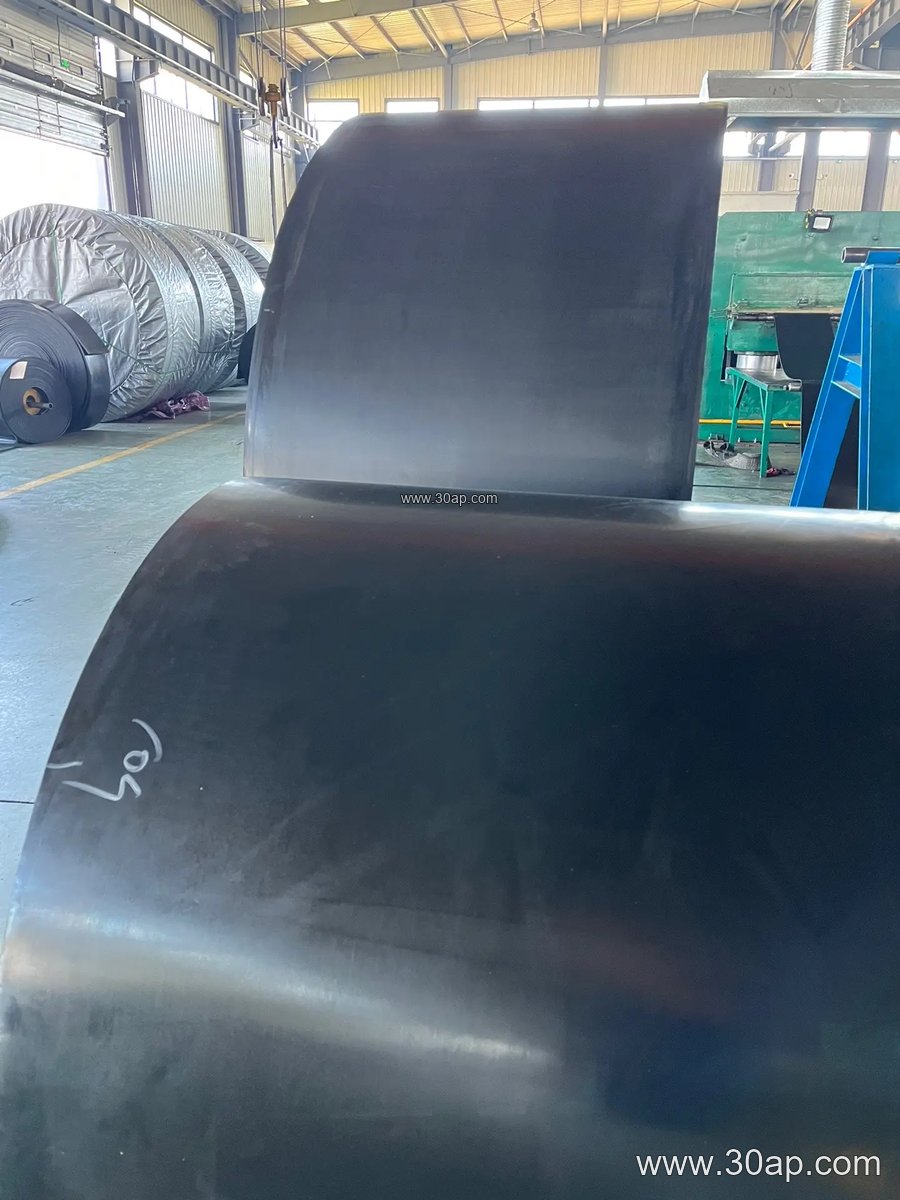
Where EP800 Belts Are Used
The grade fits medium to heavy conveying duties where a steel cord belt would be overkill but a light fabric belt would be too weak. Typical applications include:
- Coal handling and underground coal mining conveyor lines, where a flame retardant conveyor belt or anti-static cover may be specified.
- Cement plants moving clinker, limestone, and raw meal on long inclined routes.
- Power plant coal yards and biomass feed systems.
- Quarries and sand and gravel plants feeding crushers and screens, often with an abrasion resistant conveyor belt cover.
- Ports and ship loading systems handling bulk material at high tonnage.
- Iron ore, copper ore, and other ore conveyor circuits requiring a heavy-duty mining conveyor belt.
For very long, high-tension overland conveyors, a steel cord conveyor belt may be a better fit; for lighter service, an NN conveyor belt or a lower EP grade such as EP630 or EP500 can be adequate. Where material is hot, a heat resistant conveyor belt compound is needed; where oil or chemicals are present, an oil resistant or acid resistant cover is chosen. Chevron, skirted, corrugated sidewall, and pipe conveyor belt designs are separate constructions used for steep angles or enclosed transport, not replacements for a flat EP800 belt.
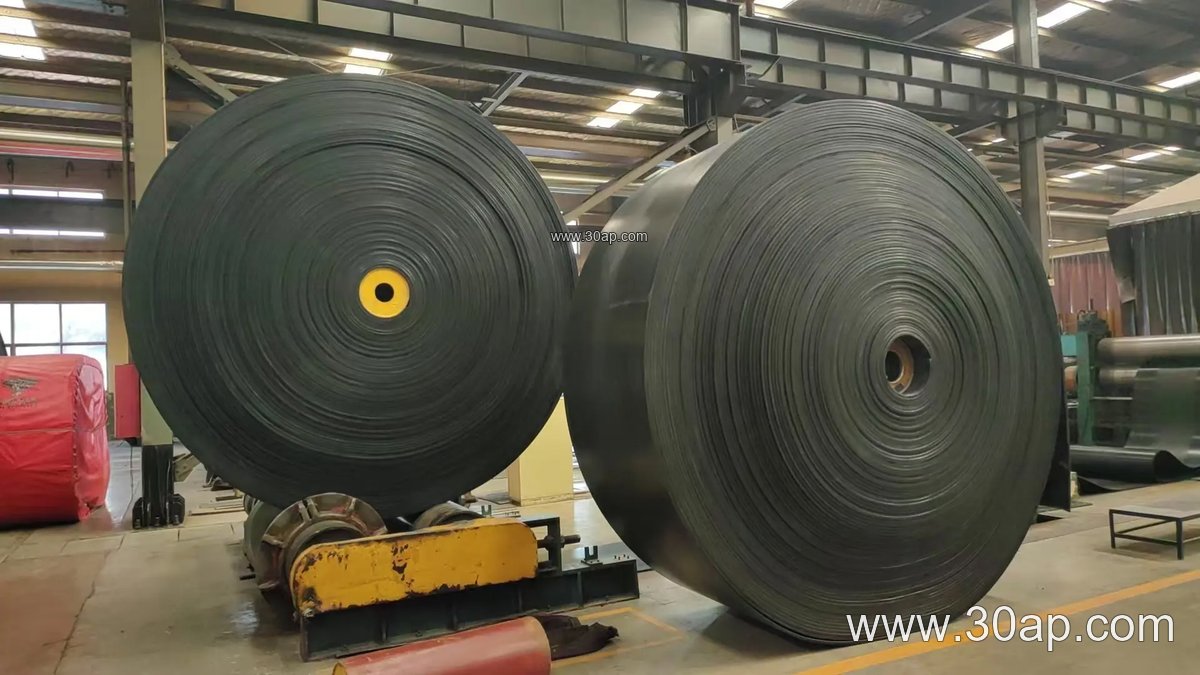
Selection and Maintenance Notes
When specifying an EP800 Conveyor Belt, collect the duty data first: material type and lump size, tonnage per hour, belt speed, incline, pulley diameters, and ambient conditions. From these, the supplier can confirm ply count, cover grade, and cover thickness. For underground coal work, flame retardant and anti-static properties are usually mandatory; check the actual test data rather than relying on a grade name.
On site, keep the belt tracking straight, maintain idler roller alignment, and check pulley lagging and belt edges for wear. Impact zones at transfer points benefit from impact resistant cover or impact beds. Store spare belts flat and dry, and avoid sharp bends that can crack the cover rubber. With correct installation and routine inspection of rollers, pulleys, and brackets, an EP800 belt gives long service in demanding bulk material handling.
For related components such as conveyor pulleys, idler rollers, and conveyor brackets, match dimensions to the actual conveyor design, and confirm belt width, ply count, and cover grade with the belt supplier before ordering. Visit www.beltconveyorparts.com for conveyor belt and component references.