What a Conveyor Belt Guide Idler Does
A conveyor belt guide idler is a specialized roller assembly used to keep the belt centered on the conveyor structure. Unlike standard carrying or return idlers that primarily support the belt and material load, the guide idler is positioned to correct lateral drift before it becomes a problem. In quarry and aggregate lines, a misaligned belt can spill material, damage edges, and force unplanned downtime. The guide idler addresses this by applying gentle steering forces to the belt edge or to the belt surface, depending on the design.
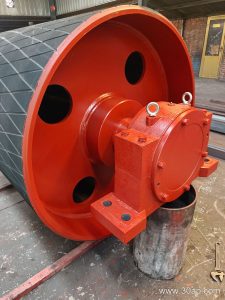
This component is often confused with a training idler, and the terms overlap in practice. However, a conveyor belt guide idler typically refers to a roller or roller set with a vertical or angled guide function, while a training idler may use a pivot mechanism to swing into the belt path. Both belong to the same family of belt alignment devices, and neither should be mistaken for a drive pulley tail pulley or bend pulley, which serve entirely different roles in power transmission and belt routing.
Construction and Common Configurations
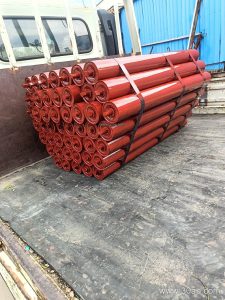
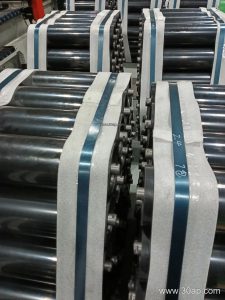
The guide idler is built around a steel tube shell, a shaft, and bearing housings. Bearing sizes such as 6204, 6205, 6305, 6306, 6308, and 6310 are common across the idler range, and the bearing is matched to the roller diameter and load rather than to belt width alone. Roller diameters for guide idlers often follow the same series as other idlers, including Ø63, Ø76, Ø89, Ø102, Ø108, Ø127, Ø133, Ø159, Ø178, and larger sizes for heavy-duty mining conveyors.
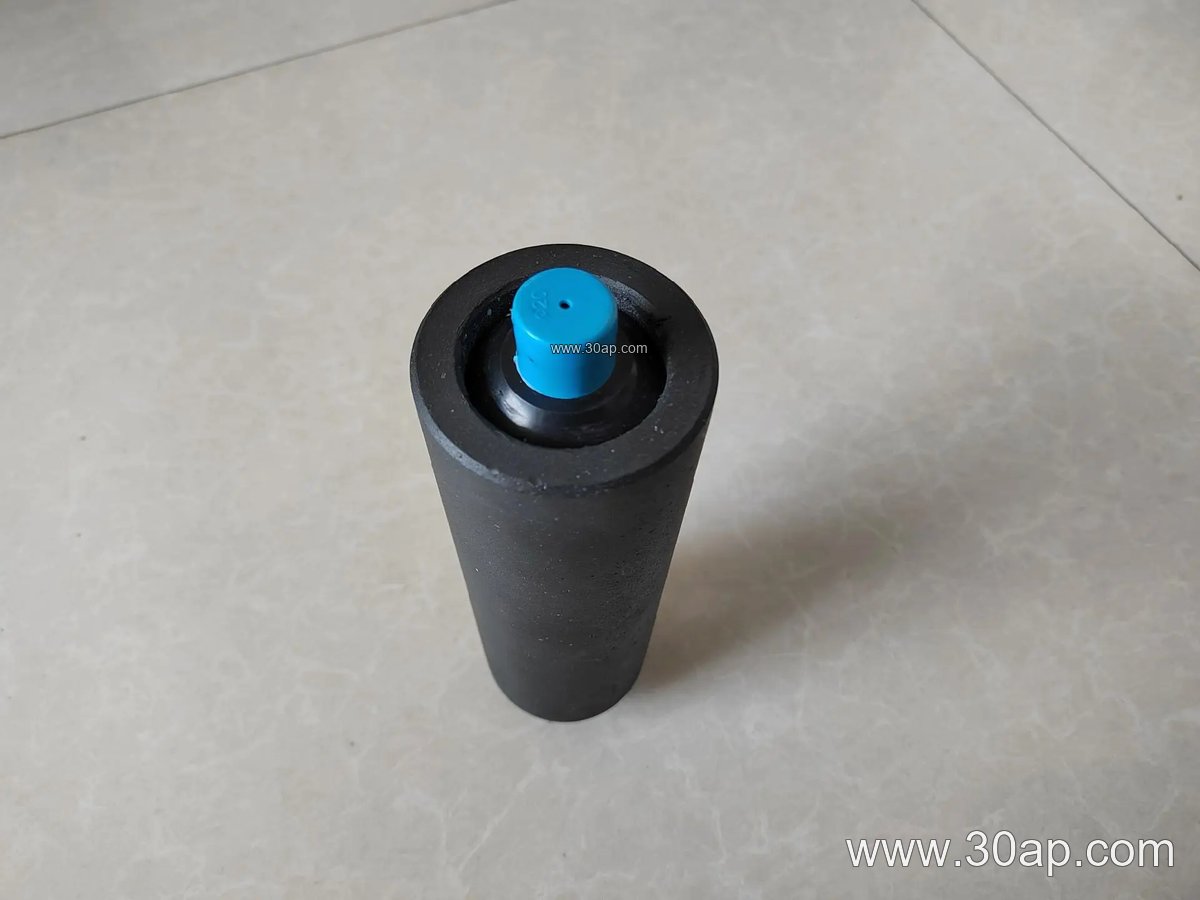
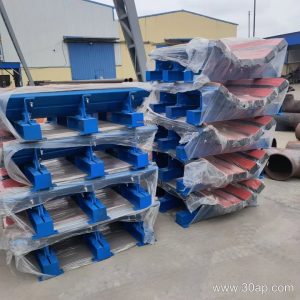
Surface options matter. A plain steel shell is standard, while a rubber-covered or ceramic-covered roller can improve grip and reduce wear in wet or abrasive conditions. Some guide idlers use a vertical roller mounted on a bracket to contact the belt edge directly. Others use a pair of angled rollers forming a V shape that centers the belt through gravity and friction. The mounting bracket, often called a conveyor bracket, must be sturdy enough to withstand side loads without flexing.
Typical guide idler arrangements
- Vertical edge guide roller mounted on a adjustable bracket
- V-shaped return side guide set for belt centering
- Angled training idler with pivot frame for automatic correction
- Rubber-disc guide roller for cushioned edge contact
Where Guide Idlers Fit in the System
Guide idlers are common in a range of bulk handling operations. In a cement plant, they help keep clinker and raw meal belts on track through transfer points and curves. At a power plant coal yard, a guide idler on the return side reduces edge wear on long overland conveyors. Sand and gravel plants use them after crusher discharge, where belt loading can be uneven. Iron ore and copper ore operations rely on heavy-duty guide idlers to protect expensive steel cord conveyor belts from edge damage.
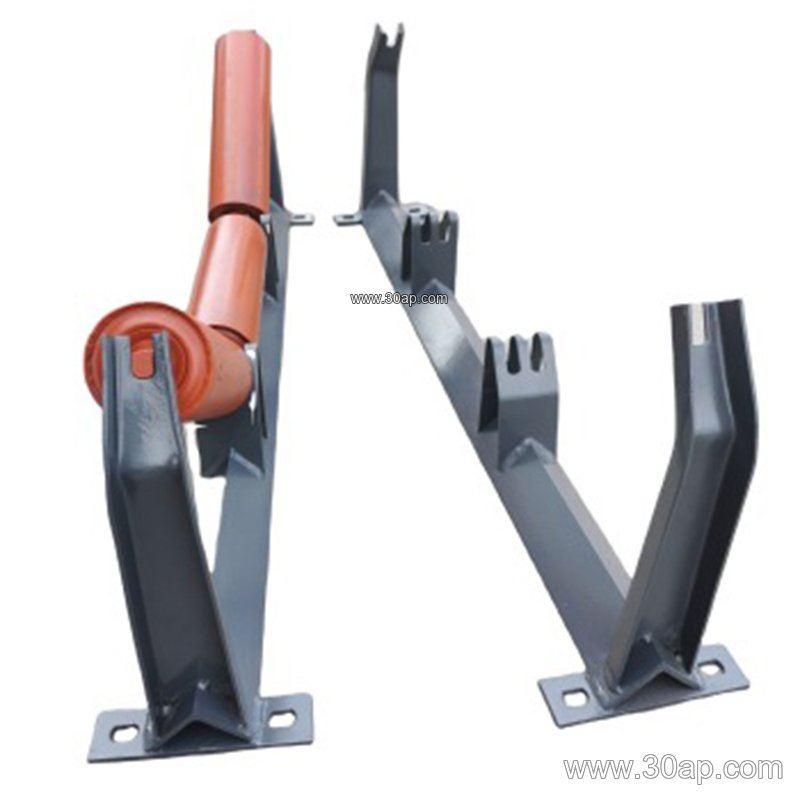
The guide idler works alongside other components such as the conveyor pulley at the head and tail, the idler roller in the carrying run, and the conveyor bracket that ties the structure together. It does not replace the function of a drive pulley or a bend pulley, and it should not be selected as a substitute for those components. Instead, it complements the belt tracking system and helps extend the service life of the entire conveyor.
Selection and Sizing Notes
Choosing a conveyor belt guide idler starts with belt width and belt speed. Common belt widths include B400, B500, B650, B800, B1000, B1200, B1400, B1600, B1800, B2000, B2200, and B2400. The guide idler diameter and shaft size are determined by the conveyor design, not by a fixed rule linking one belt width to one roller diameter. For example, a B800 belt might use a Ø89 or Ø108 guide roller depending on load and space, while a B1600 belt in a mining application could use a Ø133 or Ø159 roller with a heavier bearing.
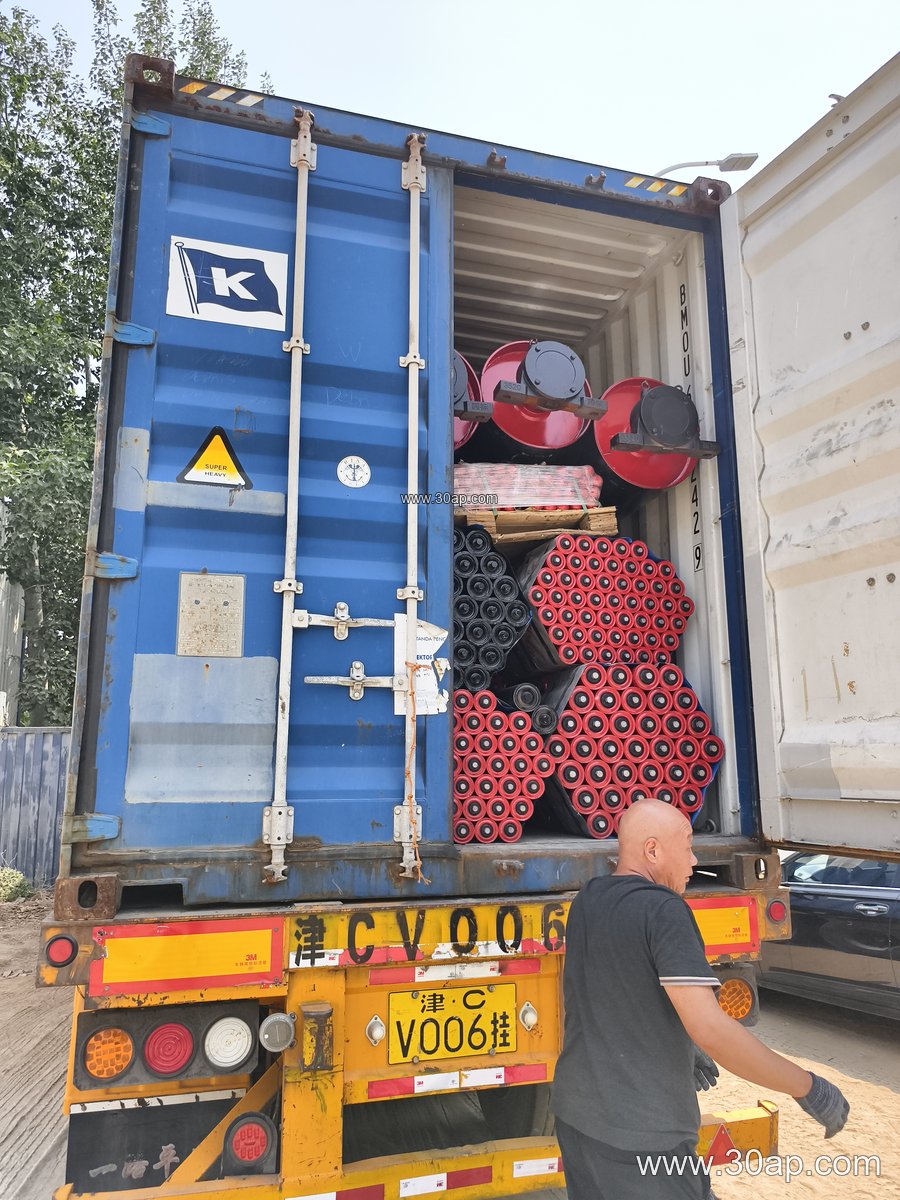
Roller length also varies with belt width and idler type. In three-roll troughing sets, common roll lengths are approximately 200 mm for B500, 250 mm for B650, 315 mm for B800, 380 mm for B1000, 465 mm for B1200, 530 mm for B1400, 600 mm for B1600, 670 mm for B1800, and 750 mm for B2000. These are reference examples, and side rollers or guide rollers may differ from the center roll. Buyers should confirm dimensions against the actual conveyor drawing.
Reference data for common idler sizes
| Parameter | Common range or example |
|---|---|
| Roller diameter | Ø63, Ø76, Ø89, Ø102, Ø108, Ø127, Ø133, Ø159, Ø178, Ø194, Ø219 |
| Belt width | B400 to B2400 |
| Bearing | 6204, 6205, 6305, 6306, 6308, 6310 |
| Surface form | Steel, rubber ring, ceramic, nylon |
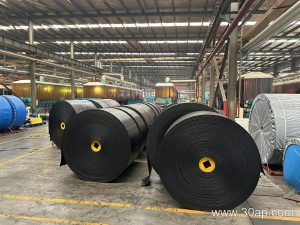
When specifying, consider the belt type as well. A heavy-duty mining conveyor belt or a steel cord conveyor belt may require a more robust guide idler than a lightweight EP conveyor belt in a food grade line. The guide idler should match the belt’s edge condition and the environment, whether it is a dusty quarry, a wet coal wash plant, or a corrosive chemical facility.
Maintenance and Buyer Checklist
Regular inspection of the guide idler helps prevent belt misalignment from escalating. Check for bearing play, shell wear, and bracket looseness. A seized guide roller can rub against the belt edge and cause rapid damage. Lubrication requirements depend on the bearing seal design; many modern idlers are sealed for life, but harsh conditions may shorten service intervals.
Buyers should request dimensional drawings, bearing specifications, and surface options from the supplier. Confirm that the guide idler is compatible with the existing conveyor bracket and that the roller length and diameter fit the belt width and trough angle. For a new project, consider the full idler set, including carrying idlers, return idlers, and impact idlers, so that all components work together. The conveyor belt guide idler is a small but critical part of keeping material moving efficiently from the mine, quarry, or plant to the next stage.