What a Cement Plant Conveyor Pulley Has to Handle
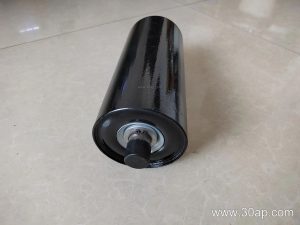
A cement plant conveyor pulley is the rotating drum that turns a conveyor belt, sets its tension and keeps it tracking through a circuit that may run from the quarry stockpile to the raw mill, from the kiln area to the clinker cooler, and on to the packing plant. The working environment is rarely kind. Limestone dust settles on every surface, clinker carries residual heat, and the belt may run fully loaded for long shifts. A pulley that is treated as a simple steel cylinder will usually show problems early, so buyers tend to look at the drum, the shaft, the lagging and the bearing arrangement as one system rather than as separate parts.
In practice the same plant may use several positions of this component along one line, and each position asks for different behaviour. Operators often refer to the head drum, the tail drum and the snub or take-up drum, and these are distinct roles rather than interchangeable names.
How the Drum Is Put Together
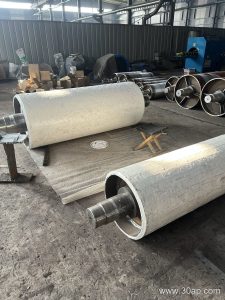
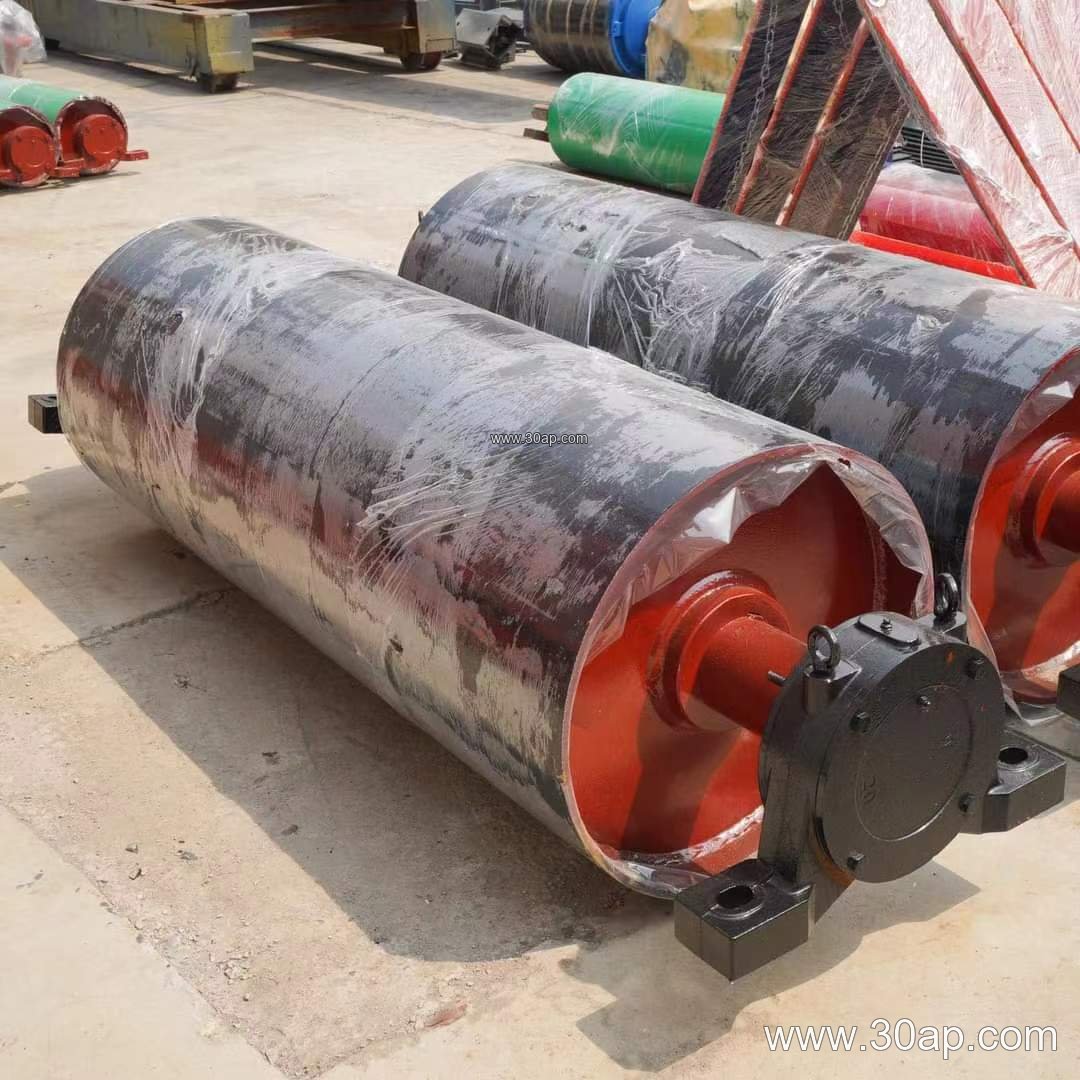
Most units are fabricated from a rolled steel shell welded to end discs, with a through shaft keyed or shrink-fitted to the hubs. Larger shells are sometimes machined in sections to control runout. The shaft is sized by torque and bending load, not by belt width, so a B1200 line may carry quite different shaft diameters depending on the drive power and the wrap angle.
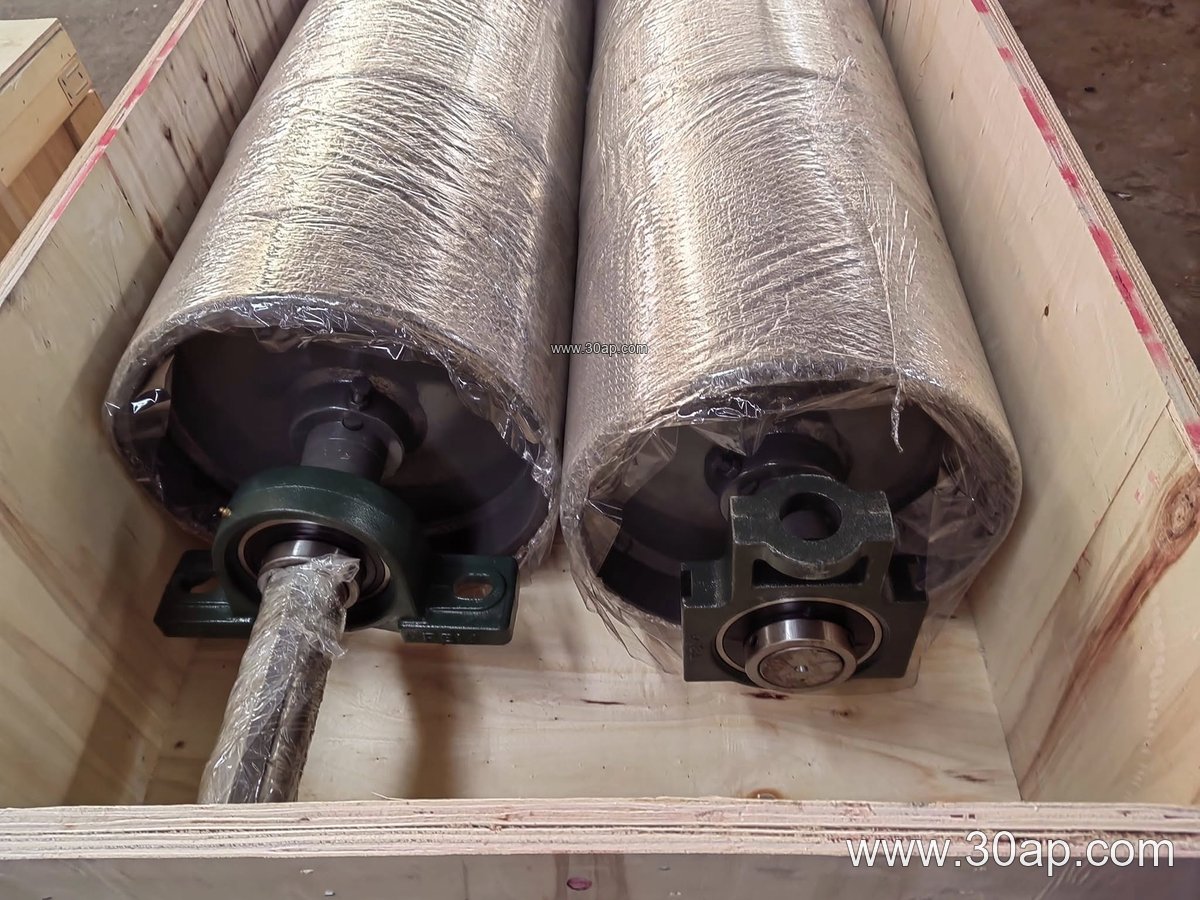
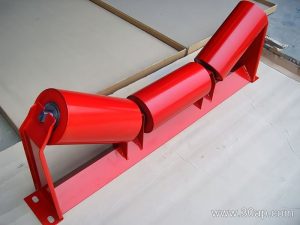
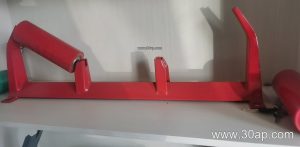
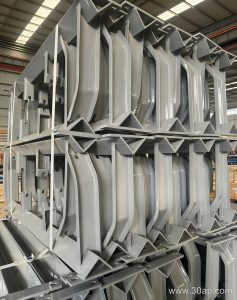
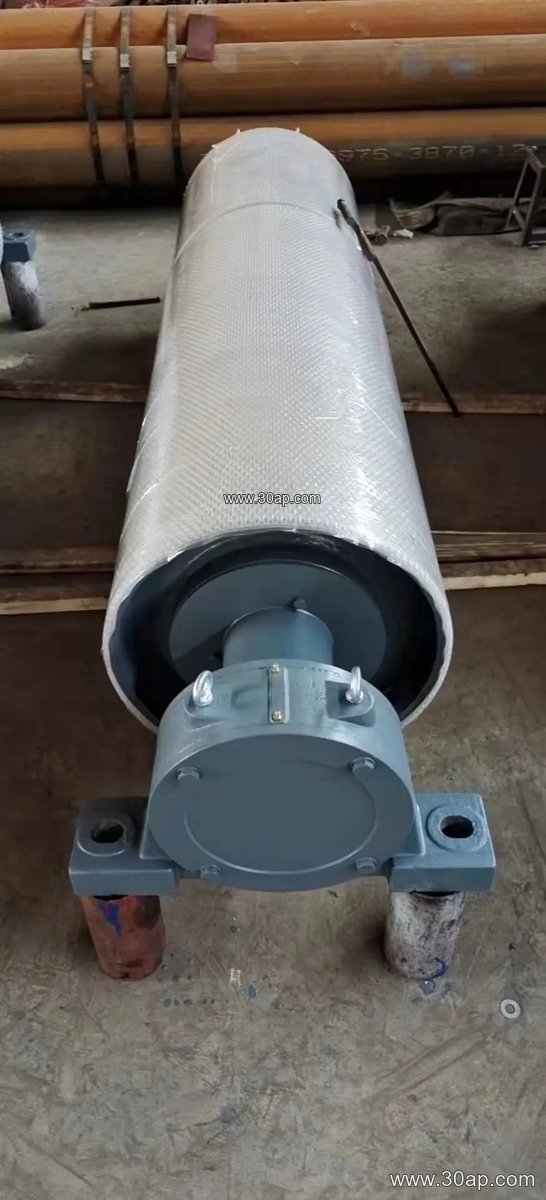
Bearing housings are mounted on a fabricated frame or directly onto a conveyor bracket, which must align with the stringer and with the neighbouring idler roller stations. Lagging covers the shell where grip matters. Common surface options include plain finish, cold-bonded rubber, hot-vulcanised rubber, diamond groove, chevron groove and ceramic tile, usually at 8, 10, 12, 15 or 20 mm thickness.
Typical Reference Data
The figures below are reference ranges only. Final values are confirmed by design for each conveyor.
- Belt widths commonly seen: B500, B650, B800, B1000, B1200, B1400, B1600, B1800
- Diameters commonly seen: Ø315, Ø400, Ø500, Ø630, Ø800, Ø1000, Ø1250
- Shaft diameters commonly seen: Ø80, Ø100, Ø120, Ø140, Ø160, Ø180
- Face width is normally slightly wider than the belt, for example B800 with about 950 mm face
| Belt width | Approx. face width | Example combination |
|---|---|---|
| B650 | 750 mm | B650 × Ø400 |
| B800 | 950 mm | B800 × Ø500 |
| B1000 | 1150 mm | B1000 × Ø630 |
| B1200 | 1400 mm | B1200 × Ø1000 |
| B1400 | 1600 mm | B1400 × Ø800 |
| B1600 | 1800 mm | B1600 × Ø1000 |
Do not read these pairs as fixed rules. A given belt width can be matched with more than one diameter, and the drive drum is often larger than a bend drum on the same line.
Where Each Position Earns Its Keep
At the discharge end the drive pulley transmits power through the lagging to the belt. Grip matters here, especially when the belt is wet or dusty, so diamond or ceramic lagging is often chosen. At the tail end the tail pulley guides the returning belt and may sit inside a chute area where fines build up. A bend or snub pulley increases wrap angle around the drive, and a take-up pulley works with the tensioning system to hold belt sag within limits.
Material selection follows the cargo. Clinker and limestone are abrasive, so an abrasion resistant conveyor belt is common, and the pulley lagging should resist the same cutting action. Where hot clinker is conveyed, a heat resistant conveyor belt may be paired with a drum that allows for thermal growth. In coal handling areas of the plant, a flame retardant conveyor belt is often specified, and the pulley surface should be selected so that it does not polish and lose grip.
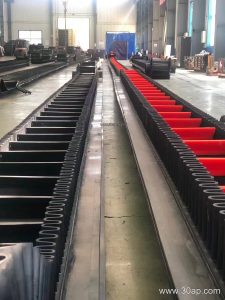
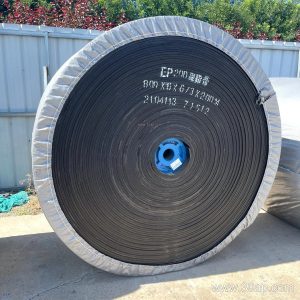
The belt itself affects pulley life. A heavy multi-ply fabric core conveyor belt such as an EP conveyor belt or NN conveyor belt bends with more resistance than a thin belt, which is one reason larger diameters are used on high-tension lines. Steel cord conveyor belt lines usually run with larger drums and tighter alignment tolerances, and a pipe conveyor belt or corrugated sidewall belt needs careful checking of the drum face and edge clearance.
What a Buyer Should Confirm Before Ordering
- The exact position on the conveyor, and whether the unit is driven or free-running
- Belt width, belt type and belt tension, so the shell and shaft can be checked together
- Required lagging pattern and thickness, matched to dust, moisture and heat
- Shaft diameter and bearing type, agreed with the gearbox and coupling supplier
- Mounting interface with the conveyor bracket and frame, including bolt spacing
- Balancing and runout requirements, since vibration shortens bearing life
Spare parts planning deserves attention too. Keeping one spare pulley of the most heavily loaded size, together with a set of lagging sheets, reduces downtime when a shell wears through. Records of shaft diameter, face width and lagging type make the next order straightforward and help maintenance teams compare wear across the plant.
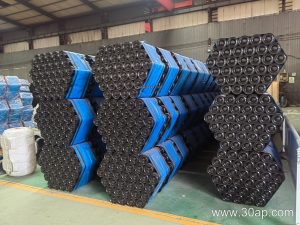
Further reading on matching drums with belting and rollers is available at gdconveyor.com, covering cement plant conveyor pulley options alongside conveyor belt and idler roller selection notes.