Understanding the 500mm Diameter Conveyor Pulley
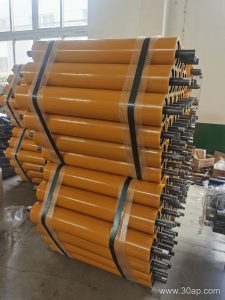
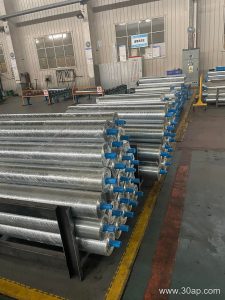
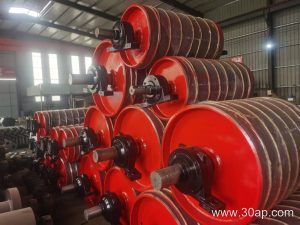
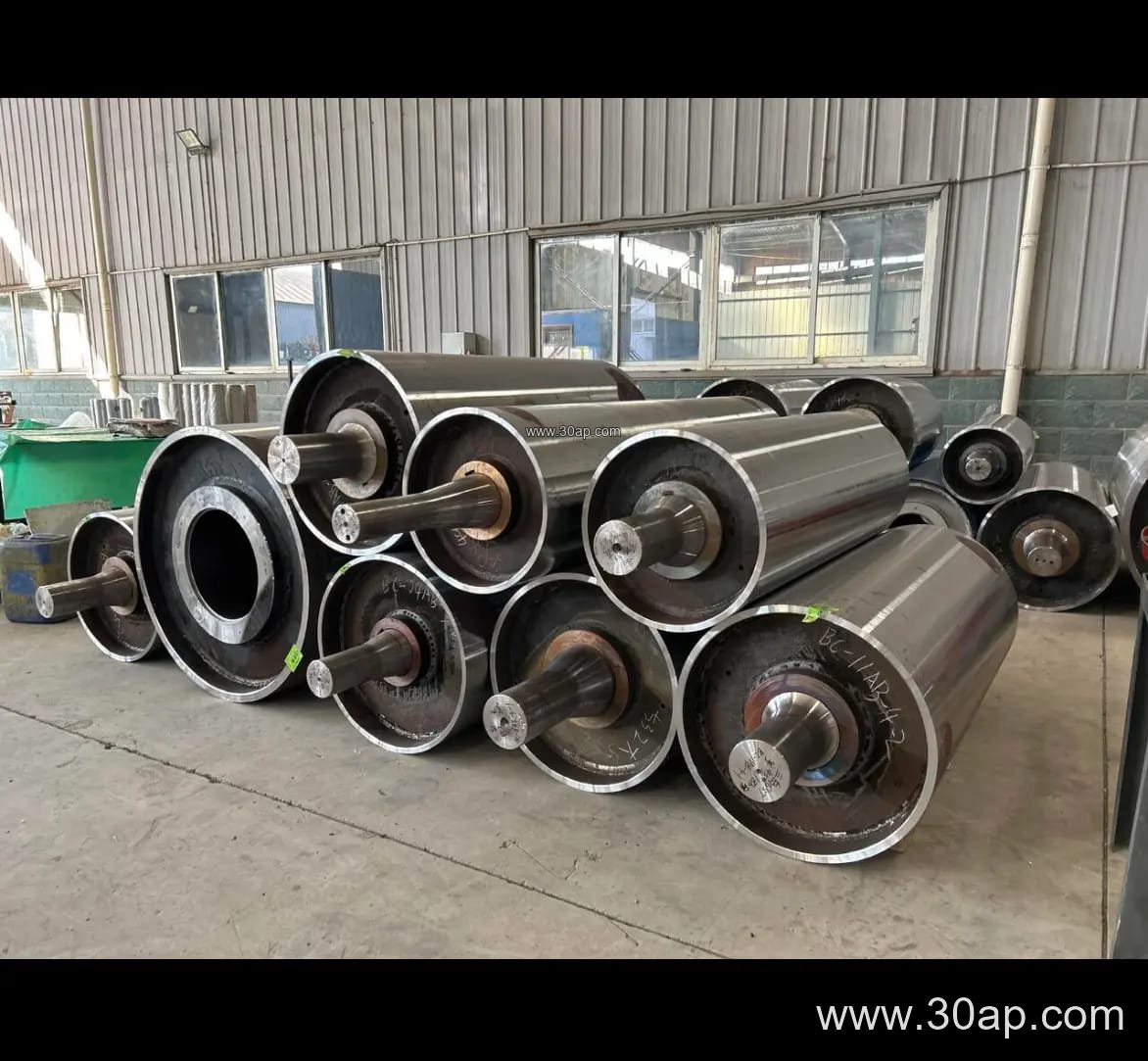
A 500mm diameter conveyor pulley is a key rotating component in belt conveyor systems, typically used at the head, tail, or bend positions to drive, tension, or redirect the conveyor belt. With a nominal diameter of 500mm (Ø500), this pulley size offers a balance between load capacity and space efficiency, making it suitable for medium to heavy-duty applications in industries such as quarrying, cement plants, and power generation. Whether you need a drive pulley to transmit power or a bend pulley to change belt direction, the 500mm diameter ensures reliable performance with a variety of belt widths.
Construction and Design Features
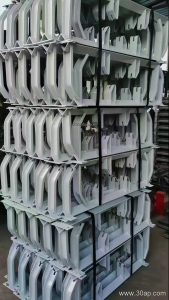
These pulleys are commonly fabricated from steel with a welded hub and shaft assembly, or sometimes cast for specialized designs. The shell is machined to ensure concentricity and smooth belt tracking. Surface options include plain finish, rubber lagging (cold-bonded or hot-vulcanized), diamond grooving, or ceramic tiles to improve grip and extend service life. Lagging thicknesses typically range from 8mm to 20mm, depending on the application and environmental conditions. The shaft diameter is determined by torque and load requirements, with common sizes like Ø80, Ø100, or Ø120, but it is not directly tied to belt width alone. Bearings are housed in pillow blocks or flanged housings, and the pulley is supported by conveyor brackets that align with the conveyor frame.
Where It Fits in a Conveyor System
The 500mm diameter conveyor pulley is often selected for the head (drive) position on medium-width belts, or as a tail pulley to maintain belt tension. In aggregate and mining operations, it may serve as a bend pulley to route the belt around obstacles. For example, a quarry conveyor handling abrasive rock might use a Ø500 pulley with 12mm rubber lagging to resist wear and improve traction. In a cement plant, a 500mm diameter pulley could be part of the clinker transport system, working alongside idler rollers and a heavy-duty conveyor belt. The pulley’s size makes it adaptable to belt widths such as B650, B800, or B1000, but the exact match depends on the conveyor design and belt tension requirements.
Key Specifications and Options
When specifying a 500mm diameter conveyor pulley, consider the following parameters. Note that these are typical ranges and should be confirmed with the manufacturer based on your application.
| Parameter | Common Options |
|---|---|
| Diameter | Ø500 mm |
| Shell Length (Face Width) | 500 mm to 1400 mm, matching belt width |
| Shaft Diameter | Ø80, Ø100, Ø120, Ø140 mm (determined by torque) |
| Lagging Type | Plain, rubber lagging, diamond grooved, ceramic |
| Lagging Thickness | 8, 10, 12, 15, 20 mm |
| Bearing Type | Spherical roller bearings, pillow block housing |
| Pulley Type | Drive, tail, bend, tension, snub |
For instance, a B800 conveyor might use a 500mm diameter pulley with a face width of approximately 950mm to accommodate the belt. A B1000 system could pair it with a face width around 1150mm. However, these are not fixed rules; the pulley width is usually slightly wider than the belt to prevent edge damage.
Selection and Application Advice
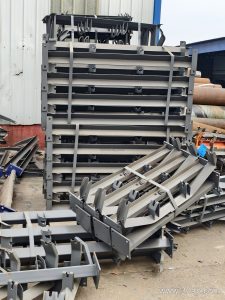
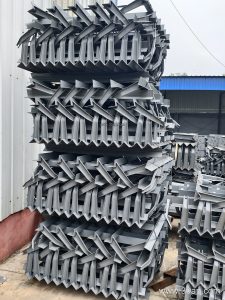
Choosing the right 500mm diameter conveyor pulley involves more than just matching the diameter to the belt. Consider the belt tension, the type of conveyor belt (such as EP conveyor belt or steel cord conveyor belt), and the operating environment. In a coal mining conveyor system, a flame retardant conveyor belt may be used, and the pulley should be selected with appropriate lagging to maintain grip without generating excessive heat. For abrasive materials like iron ore, a high abrasion resistant conveyor belt combined with a lagged pulley can reduce slippage and wear. If the conveyor operates in a port or ship loading facility, a 500mm diameter pulley might be used as a bend pulley to navigate tight spaces, working in conjunction with troughing idler rollers and a sturdy conveyor bracket.
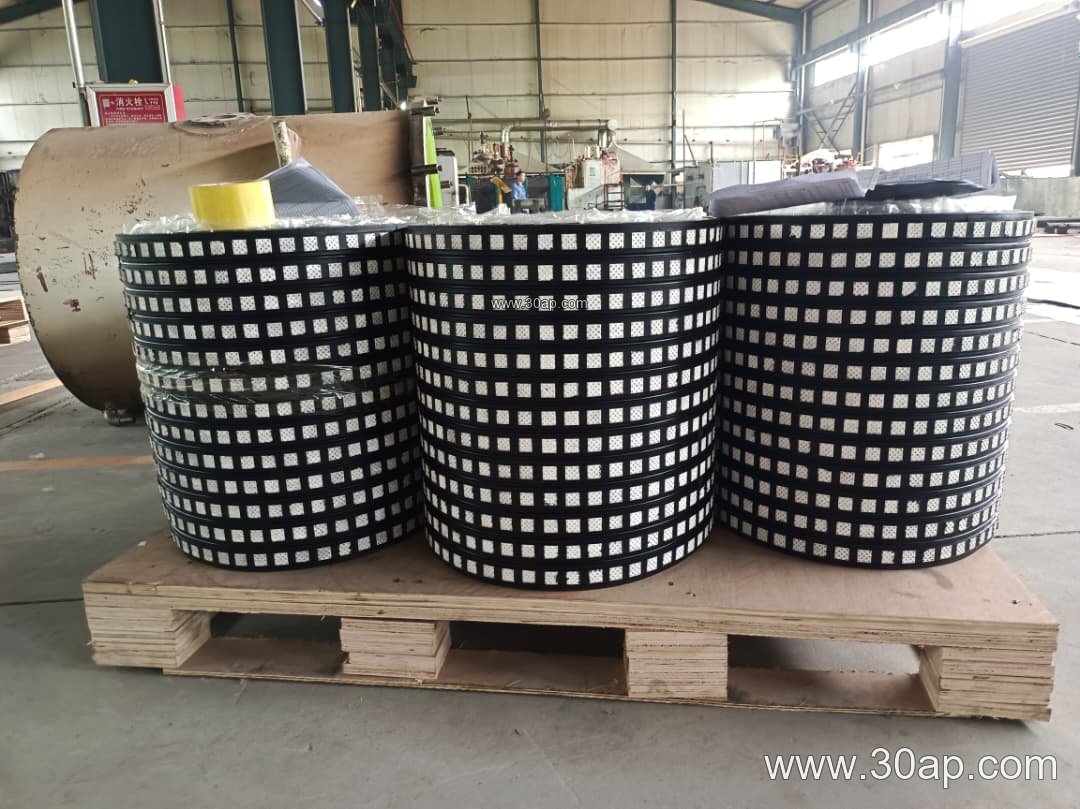
Maintenance is also a factor: pulleys with removable lagging or ceramic tiles can be reconditioned, extending service life. Always ensure the pulley is properly aligned with the conveyor frame and that the belt tension is within the pulley’s design limits.
Compatibility with Conveyor Belts and Accessories
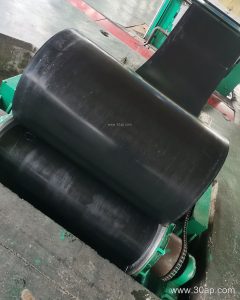
The 500mm diameter conveyor pulley is designed to work seamlessly with various conveyor belt types. For example, a multi-ply fabric core conveyor belt or an EP conveyor belt with moderate tension requirements can run efficiently over a Ø500 pulley. In underground mining, where space is constrained, this diameter offers a compact solution for secondary drives or take-up pulleys. It can also be used with a pipe conveyor belt in the return run, although the pulley would need to be adapted for the pipe shape. When selecting a pulley, consider the belt’s minimum pulley diameter recommendation to avoid excessive bending stress, especially for steel cord conveyor belts.
In summary, the 500mm diameter conveyor pulley is a versatile component that balances strength and size, suitable for a range of bulk material handling applications. By understanding its construction, typical specifications, and compatibility with different belt types, buyers can make informed decisions for their conveyor systems.