What a Durable Conveyor Idler Is
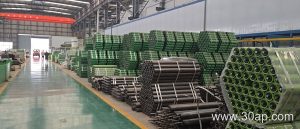
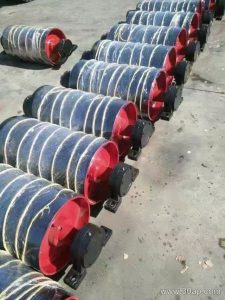
A durable conveyor idler is the rotating support that carries the conveyor belt along its carrying and return runs. In everyday plant language it is often called an idler roller, and the two terms describe the same component. Its job sounds simple, yet it is the part that keeps a loaded belt tracking smoothly hour after hour. A seized or worn idler can damage the belt edge, raise power demand, and force unplanned stops, so durability is not a cosmetic selling point but a practical requirement in any bulk handling line.
The keyword is about the idler itself, not the pulleys at the head or tail. A conveyor pulley drives or redirects the belt, while the idler roller supports it between those points. Keeping that distinction clear helps buyers order the right spare part and avoid mixing up drive, tail, and bend pulleys with the carrying rollers.
How the Roller Is Built
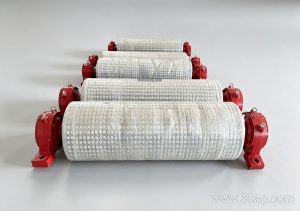
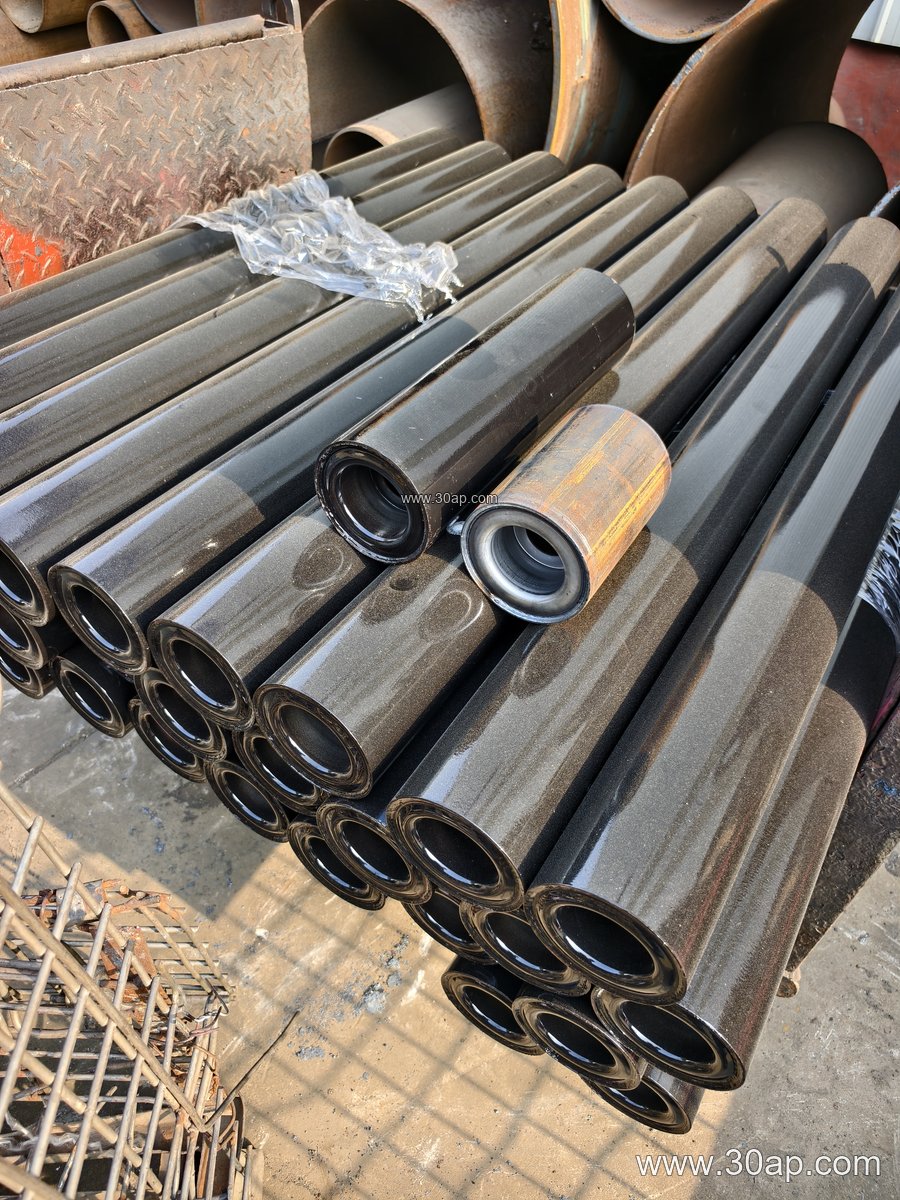
Most durable conveyor idlers share a common structure: a steel tube shell, a shaft, bearing housings at each end, and a sealing arrangement that keeps dust and water away from the bearings. The shell may be plain steel, nylon-coated, ceramic-covered, or fitted with rubber rings for impact absorption. Sealing quality often decides service life in dusty conditions, because fine grit reaching the bearing race is a common cause of early failure.
Bearing selection is matched to load and speed rather than to one fixed rule. Common bearing numbers include 6204, 6205, 6305, 6306, 6308, and 6310. A larger roller does not automatically mean a particular bearing, and a given belt width does not dictate one shaft diameter. The frame, load, and duty cycle should guide the final choice.
Where It Fits on the Conveyor
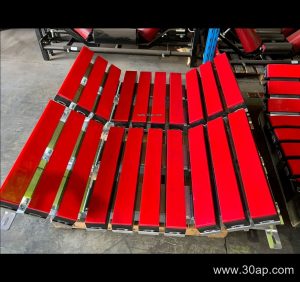
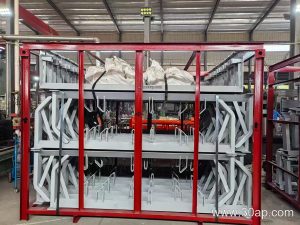
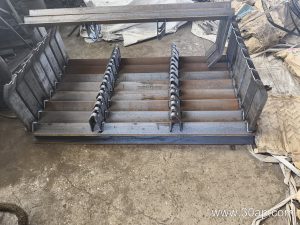
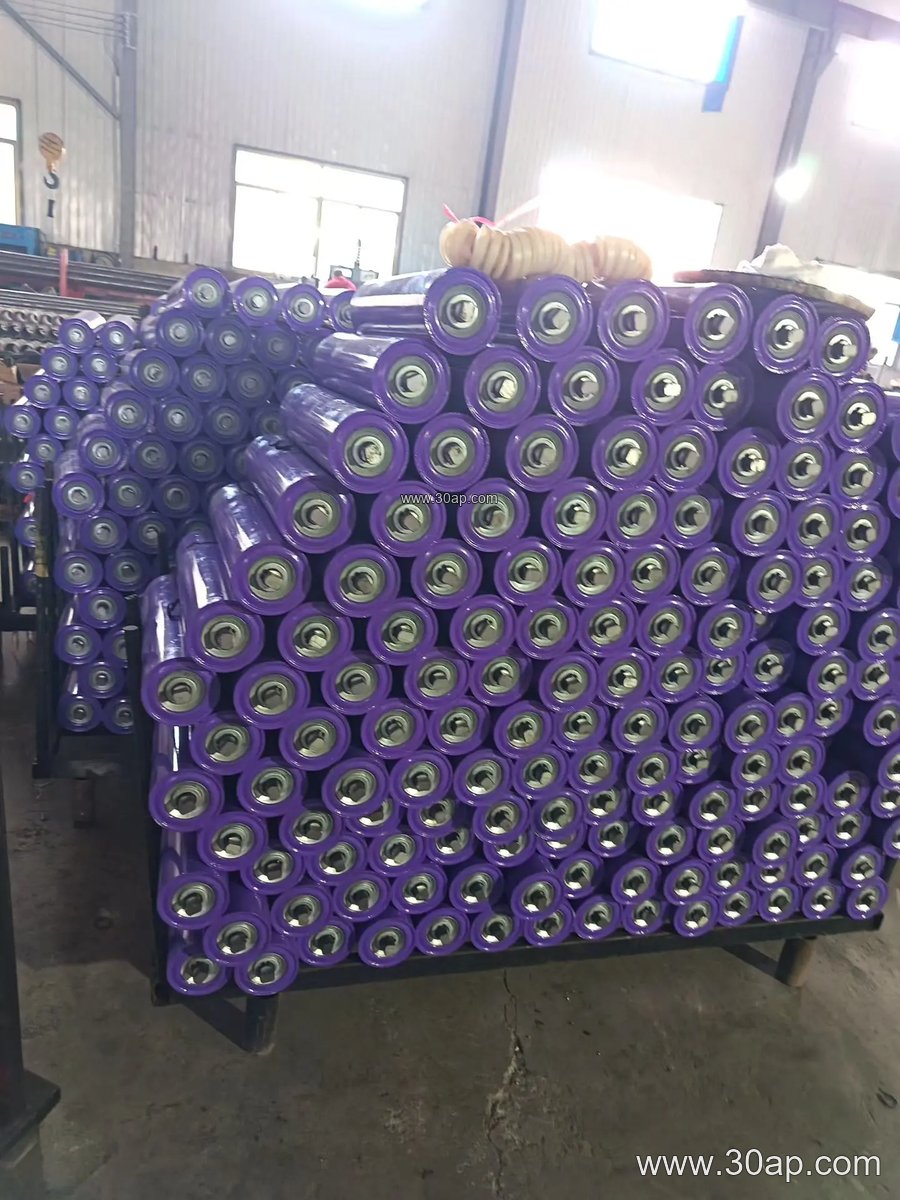
Idlers appear in several positions along a conveyor belt. Carrying idlers sit under the loaded side, usually in a troughing set that shapes the belt into a trough. Return idlers support the empty side. Impact idlers with rubber rings are placed below the loading point to cushion falling material. Transition idlers ease the belt from flat to troughed profile, and self-aligning types help correct mistracking.
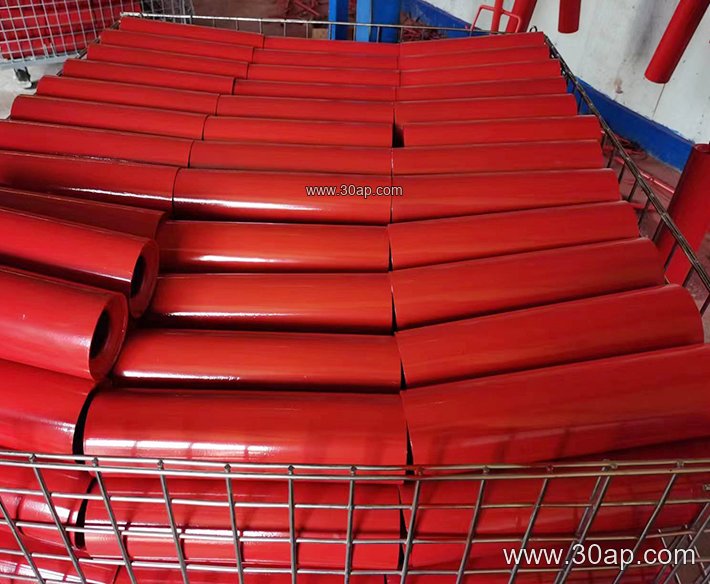
Troughing angles commonly range from 20 to 45 degrees, with 30 and 35 degrees widely used. A three-roll troughing set is common on wider belts, while two-roll and single-roll arrangements suit narrower or special layouts. Roller length varies with belt width, trough angle, and set design. For reference, a three-roll troughing set might use a roll around 200 mm on B500, 315 mm on B800, 465 mm on B1200, and 600 mm on B1600. These are typical examples only, and side rolls can differ from the centre roll.
Common Roller Diameters and Belt Widths
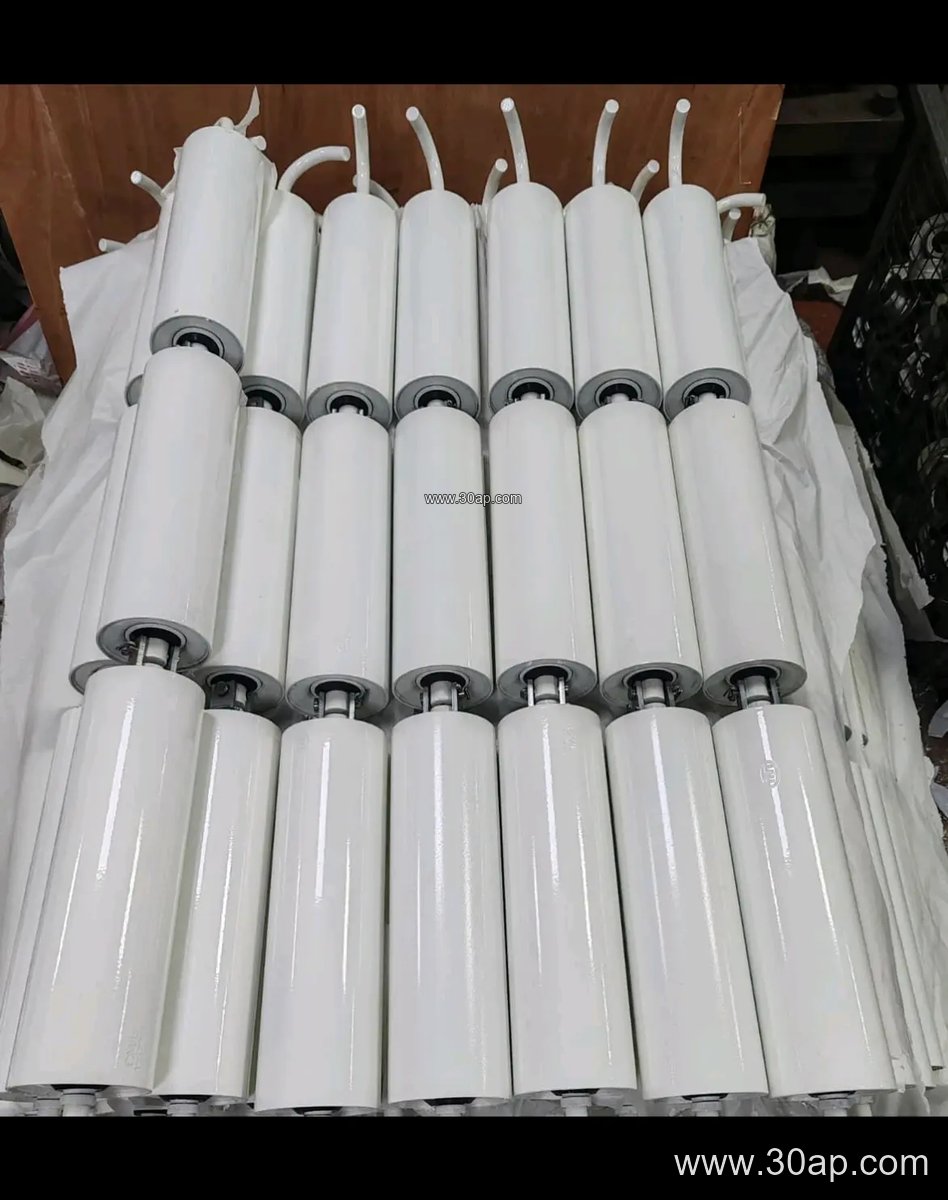
Diameters are chosen to suit belt speed, load, and the space available. The table below lists commonly encountered values as reference data, not as fixed pairings.
| Parameter | Common reference values |
|---|---|
| Roller diameter | Ø63, Ø76, Ø89, Ø102, Ø108, Ø127, Ø133, Ø159, Ø178, Ø194, Ø219 mm |
| Belt width | B400, B500, B650, B800, B1000, B1200, B1400, B1600, B1800, B2000, B2200, B2400 |
| Trough angle | 20, 30, 35, 45 degrees |
| Roller surface | Steel tube, nylon, ceramic, rubber ring |
Belt width and pulley diameter are separate decisions. A 1200 mm belt does not require one specific pulley size, and a wide belt can run with different roller diameters depending on the conveyor design.
Applications in Different Industries
Durable idlers are used wherever bulk material moves continuously. In a coal mining conveyor system, flame retardant and anti-static properties of the belt are critical, and the idlers must tolerate dust and moisture. In a quarry or aggregate line, abrasion resistant conveyor belts carry crushed rock, and impact idlers below the crusher discharge protect the belt from sharp lumps. Cement plants, power plant coal handling, and port ship loading facilities also rely on sturdy roller sets to keep long conveyors running.
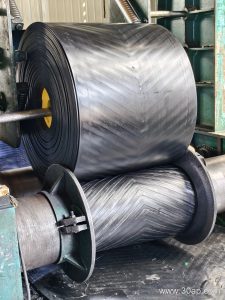
The idler must match the belt it supports. A heavy-duty mining conveyor belt with a steel cord carcass carries high tension, while an EP conveyor belt or NN conveyor belt uses fabric plies. A pipe conveyor belt or corrugated sidewall belt may need special roller arrangements. In all cases, the idler is a supporting component, not a substitute for the belt or the pulleys.
What Buyers Should Check
- Confirm the roller diameter, shell length, and shaft ends against the existing frame and conveyor bracket.
- Check the sealing design for the local dust and moisture level.
- Match the bearing to the actual load and speed, not to a guessed rule.
- Specify the trough angle and set type, such as three-roll troughing or return flat.
- For impact zones, consider rubber-ring impact idlers rather than standard carrying rollers.
Regular inspection of rotation, noise, and seal condition extends service life. Replacing a worn idler early is usually cheaper than repairing a damaged conveyor belt later. A well-chosen durable conveyor idler keeps the whole material handling line steady, from the crusher discharge to the stockpile.