What Is a Conveyor Support Bracket?
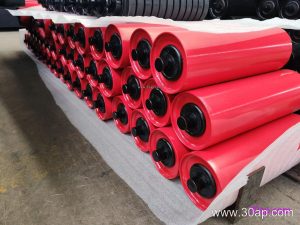
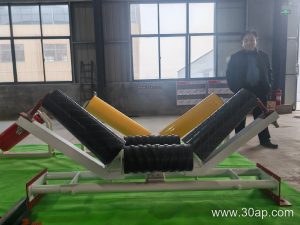
A conveyor support bracket is the structural element that holds idler rollers in position along a belt conveyor. Sometimes called a conveyor bracket or idler support bracket, it provides the mounting base for carrying and return idlers, maintaining proper belt alignment and trough shape. Without sturdy brackets, even a high-quality conveyor belt cannot track smoothly or carry material efficiently.
In a typical conveyor frame, brackets are bolted or welded to the stringers. They must withstand continuous vibration, material impact, and environmental stress. The design directly affects idler life, belt wear, and overall conveyor uptime.
Construction and Common Materials
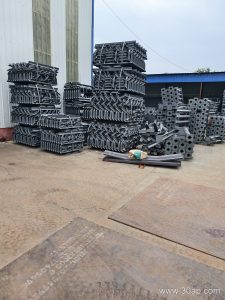
Most conveyor support brackets are fabricated from angle steel, channel steel, or bent steel plate. The choice depends on load requirements and operating conditions. Heavier gauges are used in primary crushing circuits or high-tonnage bulk material conveyor belt systems, while lighter sections suit aggregate conveyor belt lines with moderate loads.
Fabrication involves cutting, punching or drilling mounting holes, bending, and welding. Surface treatment such as painting or galvanizing helps resist corrosion in damp tunnels or outdoor ports. The bracket geometry—including slot spacing and beam length—is determined by belt width, trough angle, and idler diameter, not by a single fixed formula.
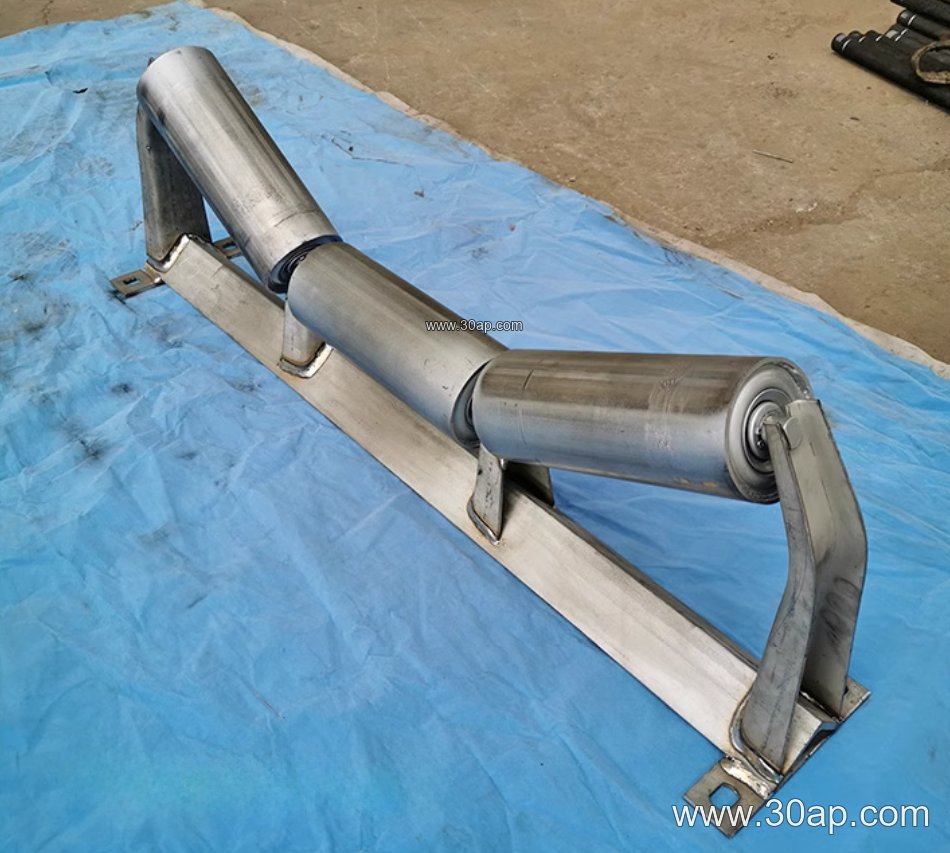
- Angle steel brackets: economical, common in light to medium duty
- Channel steel brackets: higher stiffness for heavy-duty mining conveyor belt applications
- Bent plate brackets: compact designs for tight spaces or specialized trough profiles
Where Conveyor Support Brackets Are Used
These brackets appear in nearly every bulk handling system. In a quarry or sand and gravel line, they support troughing idlers under a crusher conveyor belt. In a coal preparation plant, flame retardant conveyor belt runs on brackets designed for dusty, potentially explosive atmospheres. Cement plants use them on clinker and raw meal conveyors, while power plant coal handling relies on robust brackets for continuous operation.
Other applications include iron ore terminals, steel mill sintering lines, fertilizer plants, and tunnel muck removal. The bracket must match the conveyor’s duty: a portable aggregate conveyor may use simple fixed brackets, while an underground coal mining conveyor belt system demands adjustable or heavy-duty designs.
Types and Configurations
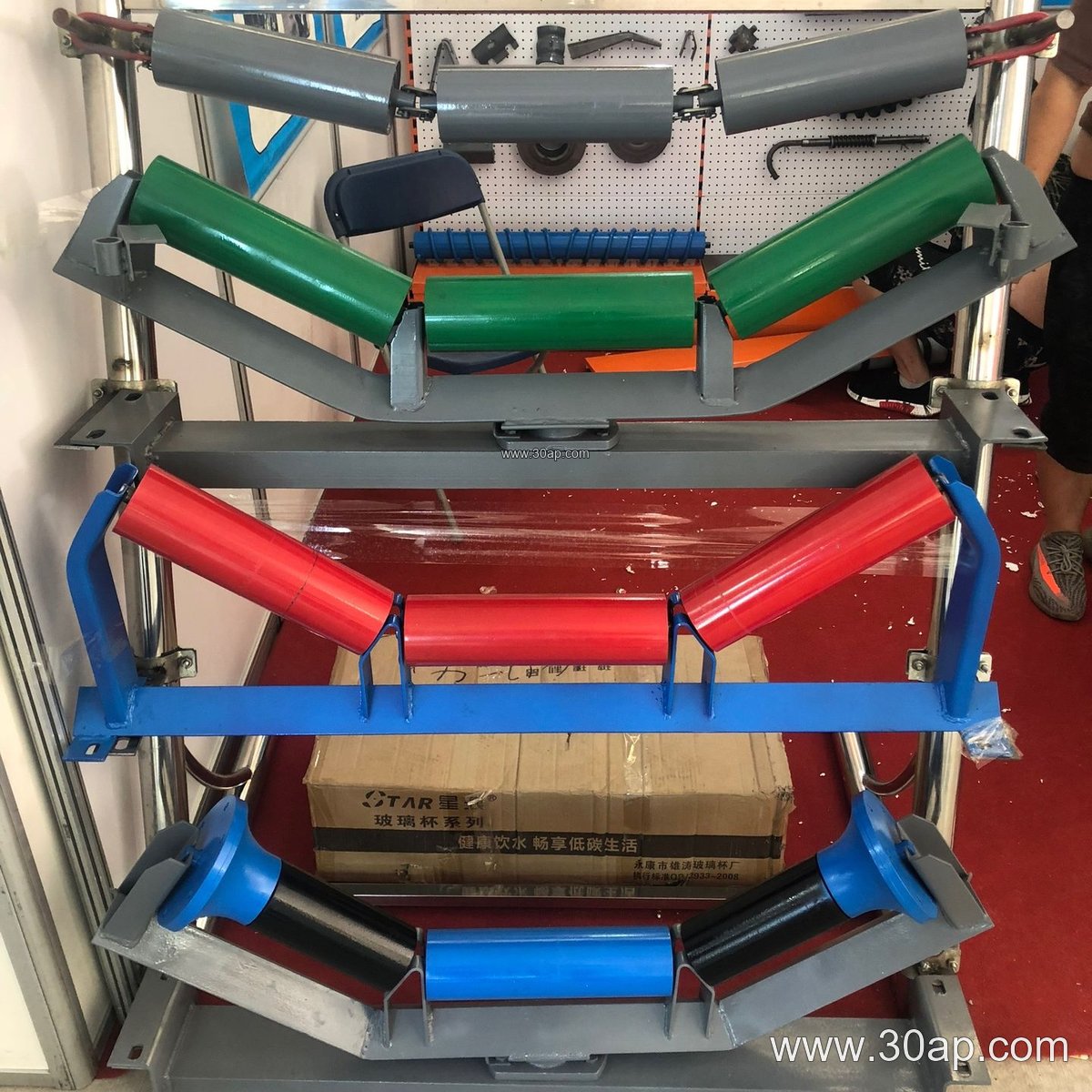
Brackets are classified by their position and function. Troughing brackets (also called carrying brackets) hold three or more idlers to form a trough. Return brackets support the belt on the return side, often with a flat or V-shaped arrangement. Impact brackets are reinforced for loading zones. Transition brackets help guide the belt from flat to troughed profile. Self-aligning brackets work with training idlers to correct belt drift.
Adjustable brackets allow operators to change trough angle—common angles include 20, 30, 35, and 45 degrees—to suit different materials. Forward-leaning brackets, typically set at about 1.5 to 2 degrees, assist belt tracking. Fixed brackets are simpler and less expensive but offer no field adjustment.
Matching Brackets to Belt Width and Idler Diameter
Selection starts with belt width and idler diameter. Common belt widths include B500, B650, B800, B1000, B1200, B1400, B1600, B1800, B2000, and B2200. Idler diameters often range from Ø89 to Ø194. However, there is no universal rule that one belt width matches only one trough angle or idler size. A B800 conveyor might use 35-degree troughing with Ø108 idlers, while a B1200 system could run 45-degree troughs with Ø133 idlers—but these are examples, not fixed pairings.
Mounting hole spacing and crossbeam length vary with belt width and trough angle. Buyers should provide the conveyor manufacturer with exact stringer spacing, idler frame dimensions, and bolt hole patterns. Using a bracket that does not match the idler frame can cause poor belt training and premature wear on the conveyor belt and idler roller.
| Belt Width | Typical Trough Angle | Common Idler Diameter |
|---|---|---|
| B500–B650 | 20–30 degrees | Ø89–Ø108 |
| B800–B1000 | 30–35 degrees | Ø108–Ø133 |
| B1200–B1400 | 35–45 degrees | Ø133–Ø159 |
| B1600–B2200 | 35–45 degrees | Ø159–Ø194 |
Note: Values are for reference only; actual selection depends on load, speed, and material characteristics.
Buyer Checklist
- Confirm belt width and idler diameter before ordering.
- Specify trough angle and whether adjustability is needed.
- Provide hole spacing and mounting details from the conveyor frame.
- Consider material: angle steel for moderate duty, channel steel for heavy-duty mining conveyor belt systems.
- Check surface treatment for corrosive or outdoor environments.
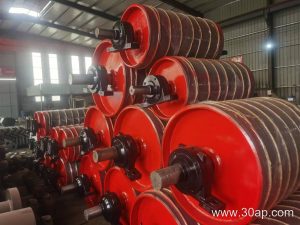
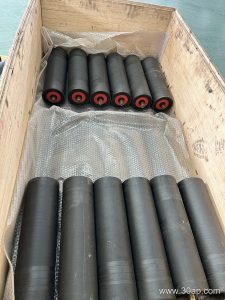
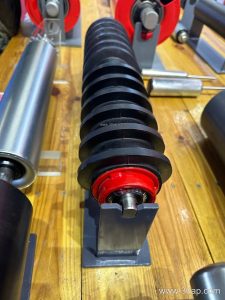
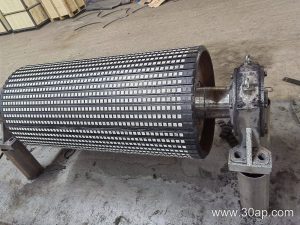
- Ensure brackets are compatible with the conveyor pulley and idler roller specifications.
For more information on conveyor components, visit our site at www.example.com/conveyor-support-bracket. A well-chosen conveyor support bracket keeps idlers aligned, extends belt life, and reduces downtime in quarry, cement, coal, and aggregate operations.