What Makes a Dustproof and Waterproof Idler Different
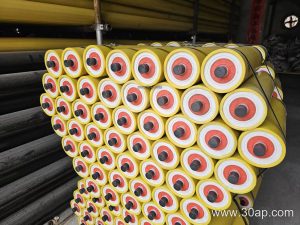
In dusty quarries, coal preparation plants, and cement kilns, the idler roller is often the first component to fail when fine particles and moisture invade the bearing housing. A dustproof and waterproof idler is engineered with sealed bearing arrangements and protective covers that keep contaminants out, extending service life in the harshest environments. Unlike a standard idler, this sealed design is built for washdown areas, tunnel excavation, and coastal ports where humidity and grit are constant companions.
These idlers are commonly used in facilities handling abrasive bulk materials, from iron ore stockyards to aggregate crushing circuits. The sealed construction also suits food-grade and chemical plants where hygiene and corrosion resistance matter.
Construction and Sealing Technology
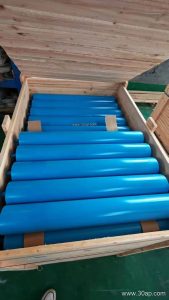
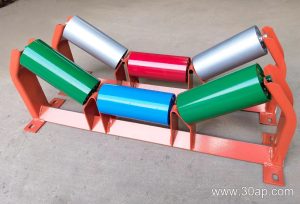
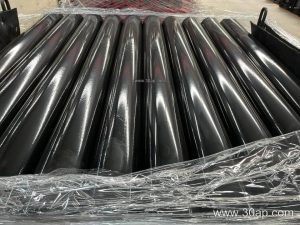
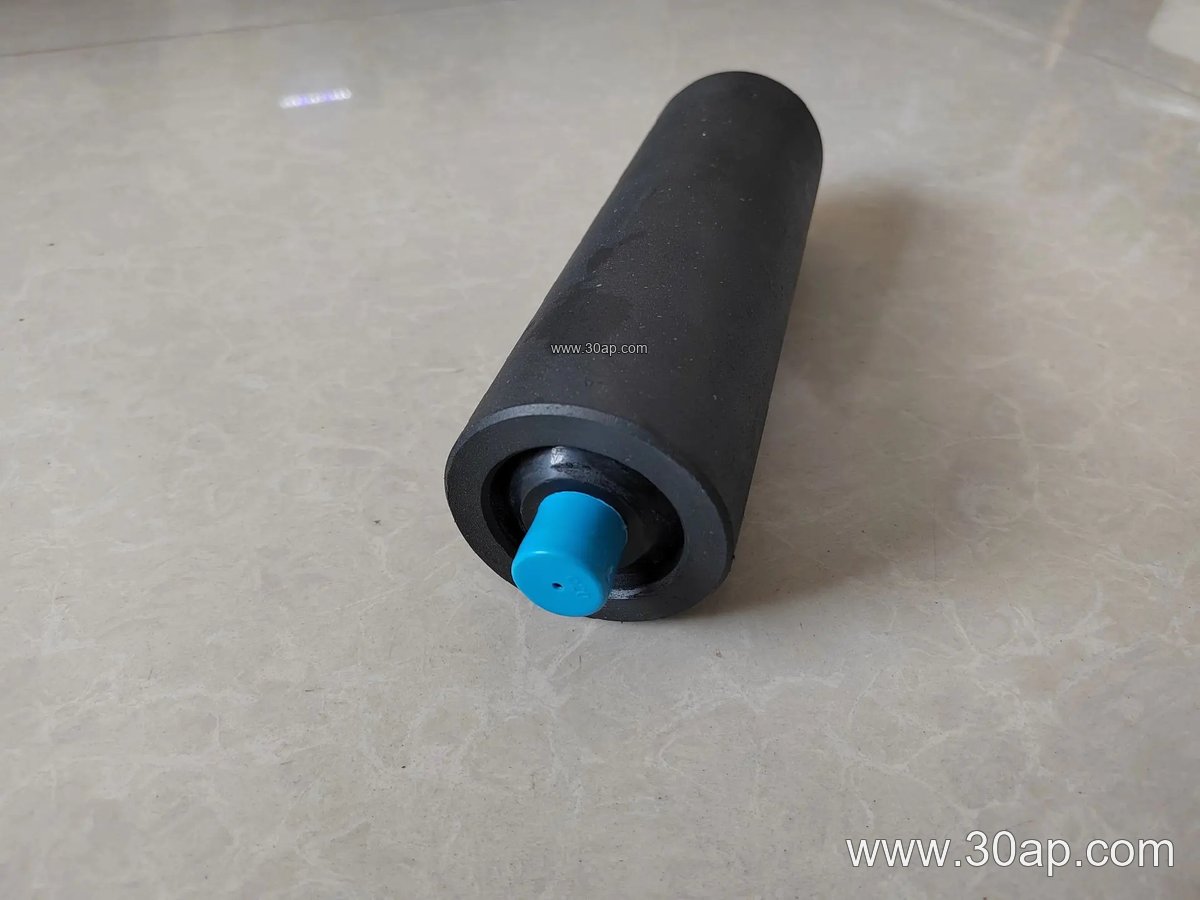
The core of a dustproof and waterproof idler lies in its sealing system. Typical designs use a combination of labyrinth seals, nitrile rubber lip seals, and protective end caps that block dust and water ingress. The bearing cavity is often packed with high-quality grease to further repel moisture. Rollers may feature a nylon or ceramic surface for added wear resistance, while the shell is usually made from seamless steel tube.
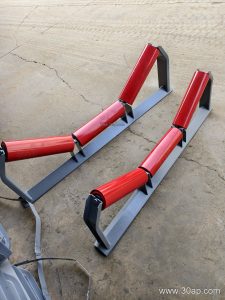
Common roller diameters include Ø89, Ø108, Ø133, Ø159, and Ø194, with bearing sizes such as 6205, 6305, 6308, and 6310 matched to the load requirements. The idler length varies with belt width and trough configuration; for example, a three-roll troughing set for a 1000mm conveyor belt might use a center roll of approximately 380mm, but final dimensions are determined by the conveyor design. These idlers are frequently paired with a sturdy conveyor bracket to ensure proper alignment and sealing integrity.
Where Sealed Idlers Are Essential
In underground coal mining, dustproof and waterproof idlers are vital for keeping conveyor systems running despite constant moisture and coal dust. They are equally at home in limestone quarries, where fine rock powder can quickly destroy unprotected bearings. Cement plants and power plant coal handling systems also rely on sealed idlers to minimize downtime. In port facilities, salt spray and rain make waterproof sealing a necessity for ship loading conveyors.
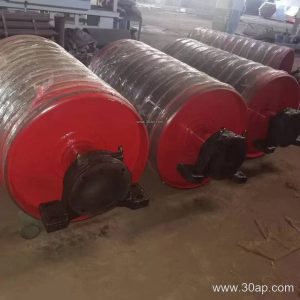
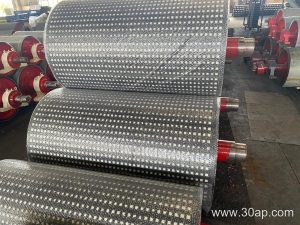
For operations using a rubber conveyor belt or an EP conveyor belt, the idler’s sealing performance directly affects belt tracking and energy consumption. A failed idler can cause belt misalignment and increased wear on the conveyor pulley, so investing in sealed idlers pays off across the entire system.
Key Specifications and Selection Guidelines
When choosing a dustproof and waterproof idler, consider the following parameters. The table below lists common ranges; actual values should be confirmed with the manufacturer based on your conveyor’s load and speed.
| Parameter | Common Options |
|---|---|
| Roller Diameter | Ø63, Ø76, Ø89, Ø102, Ø108, Ø127, Ø133, Ø159, Ø178, Ø194, Ø219 mm |
| Belt Width | B400 to B2400 (e.g., B500, B650, B800, B1000, B1200, B1400, B1600, B1800, B2000) |
| Trough Angle | 20°, 30°, 35°, 45° |
| Roll Surface | Steel, nylon, ceramic, rubber ring |
| Bearing | 6204, 6205, 6305, 6306, 6308, 6310 |
| Idler Type | Troughing, return, impact, self-aligning, spiral |
For a heavy-duty mining conveyor belt, a larger diameter idler such as Ø159 or Ø194 with a 6310 bearing may be appropriate, but the exact selection depends on belt tension and material load. Sealed idlers are available for both carrying and return sides; V-type return idlers are often specified for training the belt in dusty conditions.
Maintenance and Buyer Checklist
Even the best-sealed idler requires periodic inspection. Check for grease leakage, seal damage, and roller rotation. In washdown environments, verify that end caps remain tightly fitted. When replacing idlers, ensure the new units match the original mounting dimensions and that the conveyor bracket is free from distortion.
Buyers should ask suppliers about the sealing method, bearing brand (if specified), and operating temperature range. For coal mining conveyor belt applications, flame retardant and anti-static properties may also be required for the belt itself, but the idler’s sealing remains critical to overall reliability. Remember that drive, tail, and bend pulleys are not interchangeable with idlers; each plays a distinct role in the conveyor system.
By selecting a dustproof and waterproof idler suited to your site’s conditions, you can reduce maintenance costs and keep material flowing smoothly, whether you operate a sand and gravel line, a fertilizer plant, or a copper ore concentrator.