What a Guide Idler Does on a Conveyor
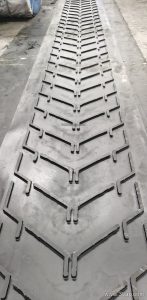
A guide idler is a specialized roller assembly used to keep a conveyor belt centered and tracking correctly along its path. Unlike standard carrying or return idlers that primarily support the belt and material load, a guide idler is positioned to apply gentle lateral correction when the belt begins to drift. In quarry, cement plant, and power plant coal handling systems, even a small misalignment can lead to edge damage, spillage, and premature wear on the conveyor belt and conveyor pulley. The guide idler addresses this by using angled rollers or vertical guide rolls that contact the belt edge or surface to steer it back on track.
Construction and Key Components
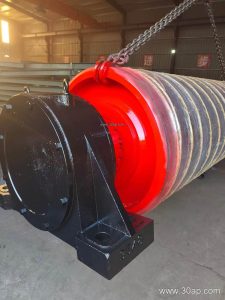
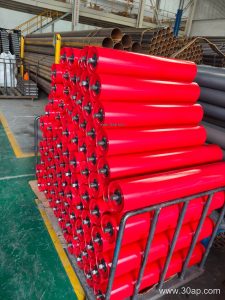
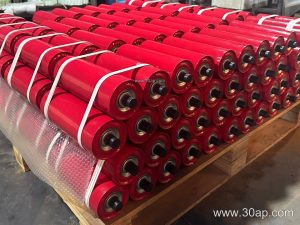
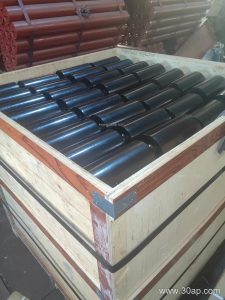
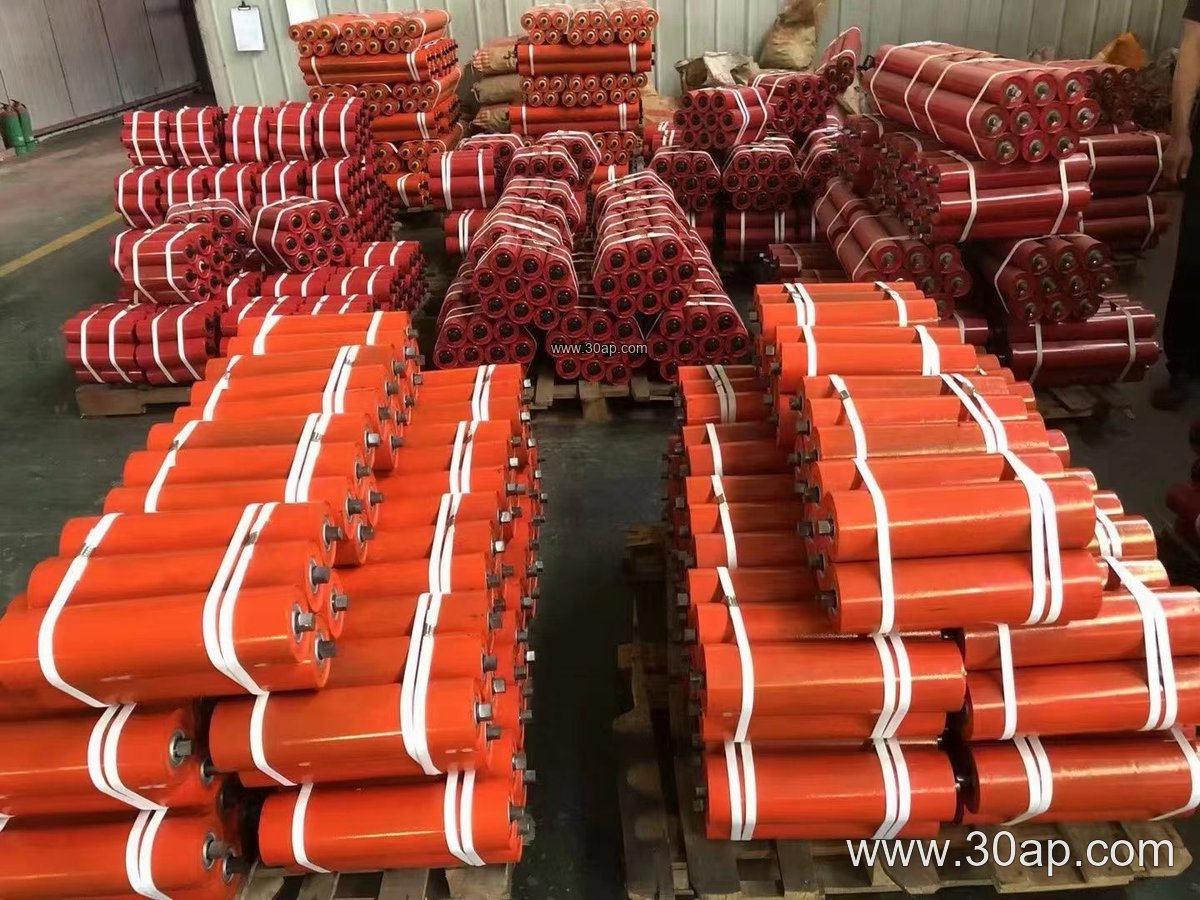
Most guide idlers share the basic construction of a conventional idler roller: a steel shell, bearing housing, shaft, and sealing arrangement. However, the roller face and mounting geometry are adapted for guiding duty. Common surface forms include plain steel, nylon, and rubber lagging to improve grip without abrading the belt. Bearing sizes such as 6205, 6305, or 6308 are frequently selected according to load and shaft diameter, but no single bearing is tied to a specific roller diameter. The idler is usually mounted on a conveyor bracket that allows adjustment of the guide angle. For dusty applications like a limestone mine or a coal preparation plant, effective labyrinth seals or contact seals are important to keep fines out of the bearing cavity.
Where Guide Idlers Fit in the Conveyor System
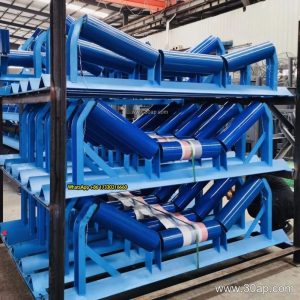
Guide idlers are typically installed on the carrying side, often just ahead of the head pulley or after a curve, and occasionally on the return strand where belt wander is a concern. They are not a substitute for a bend pulley or a tail pulley; those components change belt direction, while the guide idler corrects tracking. In a typical three-roller troughing set, the guide function may be added through slightly forward-tilted side rollers, but a dedicated guide idler often uses vertical or angled guide rolls mounted close to the belt edge. This is particularly useful on long overland conveyors in aggregate plants and iron ore operations where wind and uneven loading can cause the belt to shift.
Common Configurations and Reference Dimensions
Guide idlers are available in single-roll and multi-roll arrangements, and the roller diameter is selected based on belt width, speed, and load. The table below lists reference sizes that are often considered during design; actual selection should follow the conveyor manufacturer’s recommendations.
| Parameter | Common Reference Range |
|---|---|
| Roller diameter | Ø63, Ø76, Ø89, Ø102, Ø108, Ø127, Ø133, Ø159 mm |
| Belt width | B500, B650, B800, B1000, B1200, B1400, B1600, B1800 mm |
| Troughing angle (for related sets) | 20°, 30°, 35°, 45° |
| Roller surface | Steel, nylon, rubber ring, ceramic |
| Bearing examples | 6204, 6205, 6305, 6306, 6308, 6310 |
For a three-roll troughing set, the roller length often scales with belt width; for example, a B800 belt may use approximately 315 mm rollers, while a B1200 belt may use about 465 mm. These are common examples only, and side rollers can differ from the center roller. The guide idler itself may use a shorter roller or a vertical roll, so its dimensions are determined by the specific mounting design rather than by belt width alone.
Selection and Maintenance Notes for Buyers
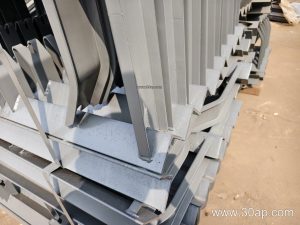
When specifying a guide idler, consider the belt width, belt speed, material being conveyed, and the existing conveyor bracket interface. In harsh environments such as a copper mine or a tunnel muck removal line, abrasion-resistant roller surfaces and robust seals extend service life. A guide idler should be inspected for free rotation, seal integrity, and alignment with the belt edge. Excessive pressure from the guide rolls can damage the belt edge, so adjustment should be gradual. Remember that a guide idler works alongside the conveyor belt, conveyor pulley, and conveyor bracket as part of a system; it does not replace the function of a drive pulley or a bend pulley. For conveyors carrying abrasive bulk material, pairing quality guide idlers with a suitable abrasion resistant conveyor belt helps reduce total maintenance cost. At www.xinrui-conveyor.com, guide idlers and related components are presented with attention to these system-level interactions.