What an Iron Ore Conveyor Belt Has to Handle
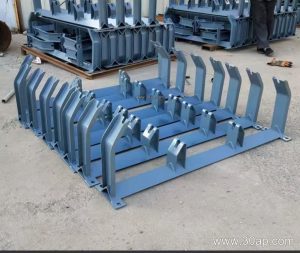
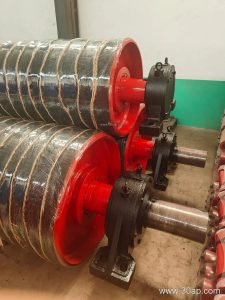
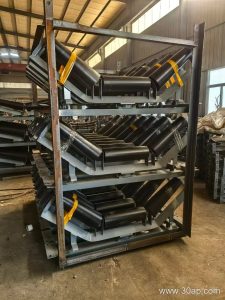
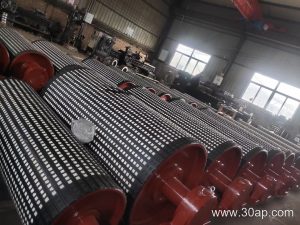
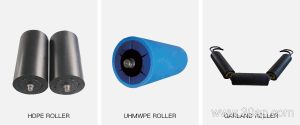
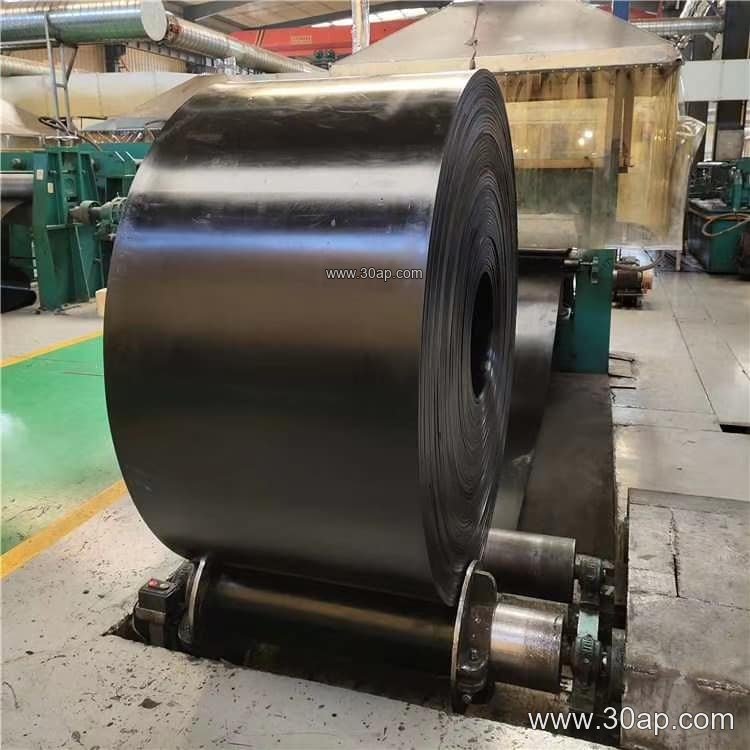
An iron ore conveyor belt is a heavy-duty rubber belt built to move crushed ore, lumps and fines from the mine pit to the stockyard, crusher, port or ship loader. Compared with belts used for grain or packaging, an ore conveyor belt faces sharp-edged rock, high impact at loading points, abrasion along the full length, and often dust and moisture. In a typical iron ore line, the belt runs over idler rollers, wraps the drive pulley, tail pulley and bend pulleys, and is held in line by conveyor brackets and frames. Each of these parts does its own job, and the belt must be matched to them rather than to a single component.
Construction of the Belt
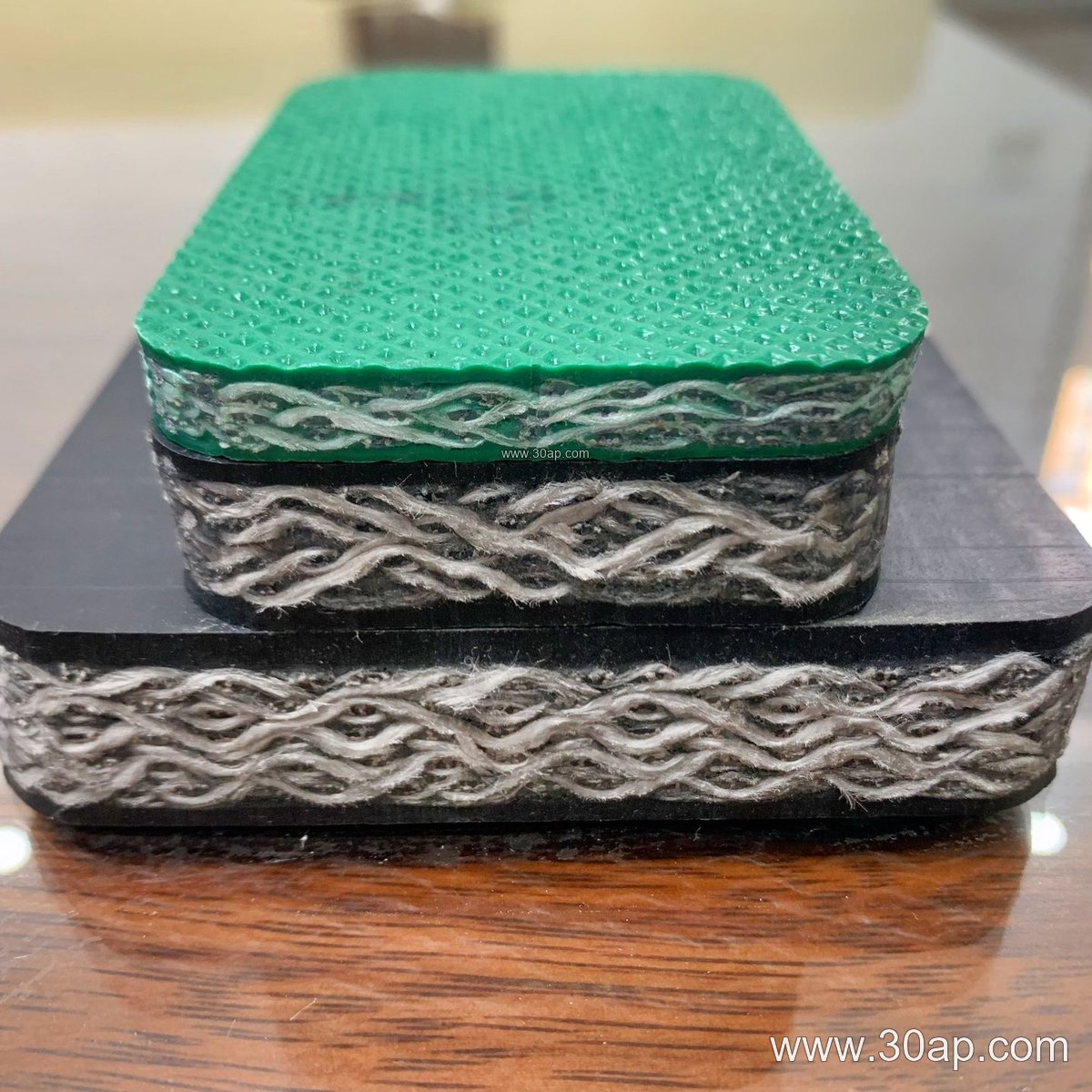
Most iron ore installations use either a multi-ply fabric core belt or a steel cord belt. The carcass carries the tension, while the top and bottom rubber covers protect it. For abrasive ore, a high abrasion resistant conveyor belt grade is common, and impact resistant covers help at transfer chutes. Where the ore is hot from processing, a heat resistant conveyor belt may be specified. In dusty or enclosed galleries, anti-static and flame retardant properties can matter, especially in coal mining conveyor belt systems sharing the same plant infrastructure.
Fabric cores are usually EP (polyester-cotton) or NN (nylon-nylon). Steel cord belts are chosen for long distances and high tonnage. Belt widths in iron ore duty often range from 800 mm to 1800 mm, with wide conveyor belt options up to 2000 mm or more for large port systems. Cover thickness might be 5+2 mm, 6+2 mm or 8+3 mm, and the carcass may have 2 to 6 plies in fabric constructions. These figures are typical references, not fixed rules; final values follow the conveyor design.
| Item | Common options |
|---|---|
| Belt width | B800, B1000, B1200, B1400, B1600, B1800, B2000 |
| Fabric core strength | EP200, EP400, EP630, EP800, EP1000, EP1250 |
| Steel cord strength | ST1000, ST1600, ST2000, ST2500 |
| Cover thickness | 4+2, 5+2, 6+2, 8+3 mm |
| Ply count | 2 to 6 layers in fabric belts |
Where It Fits in the Plant
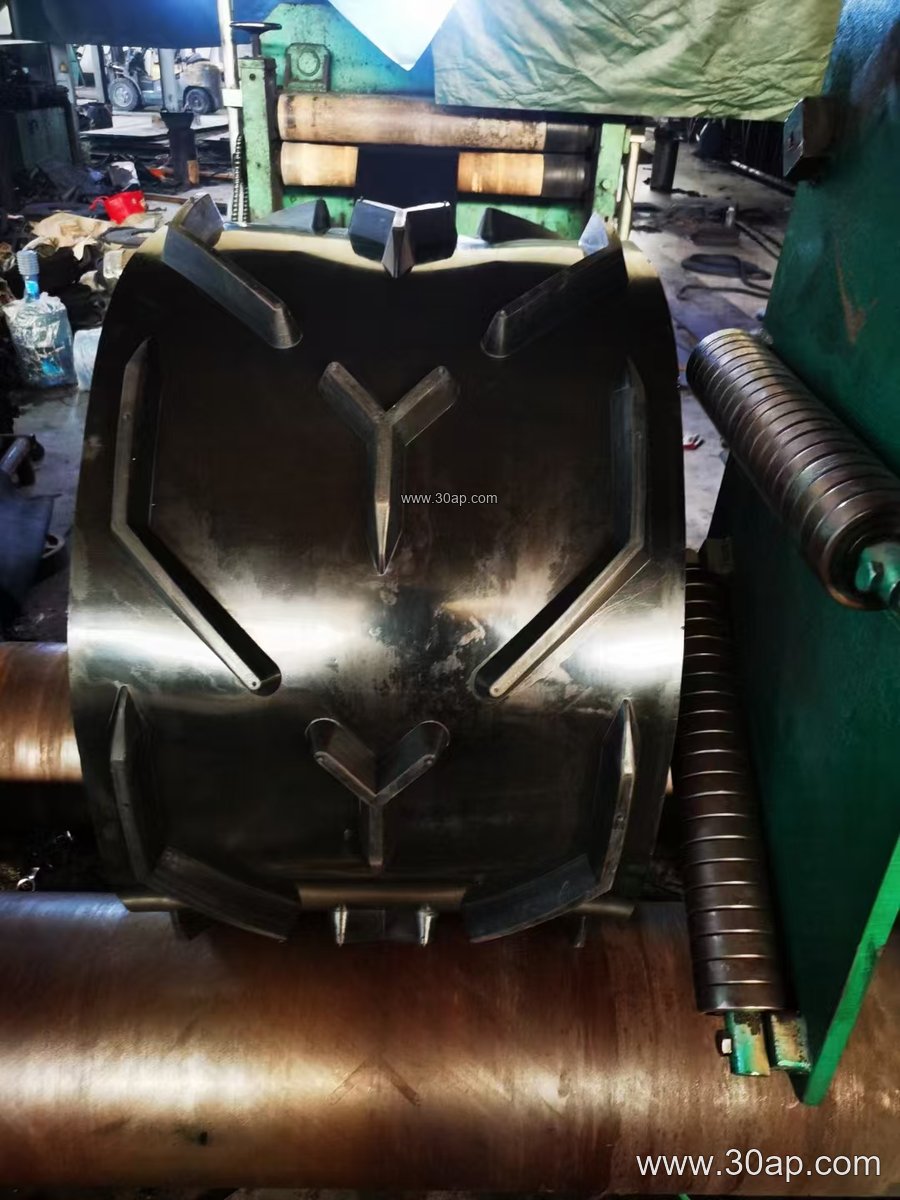
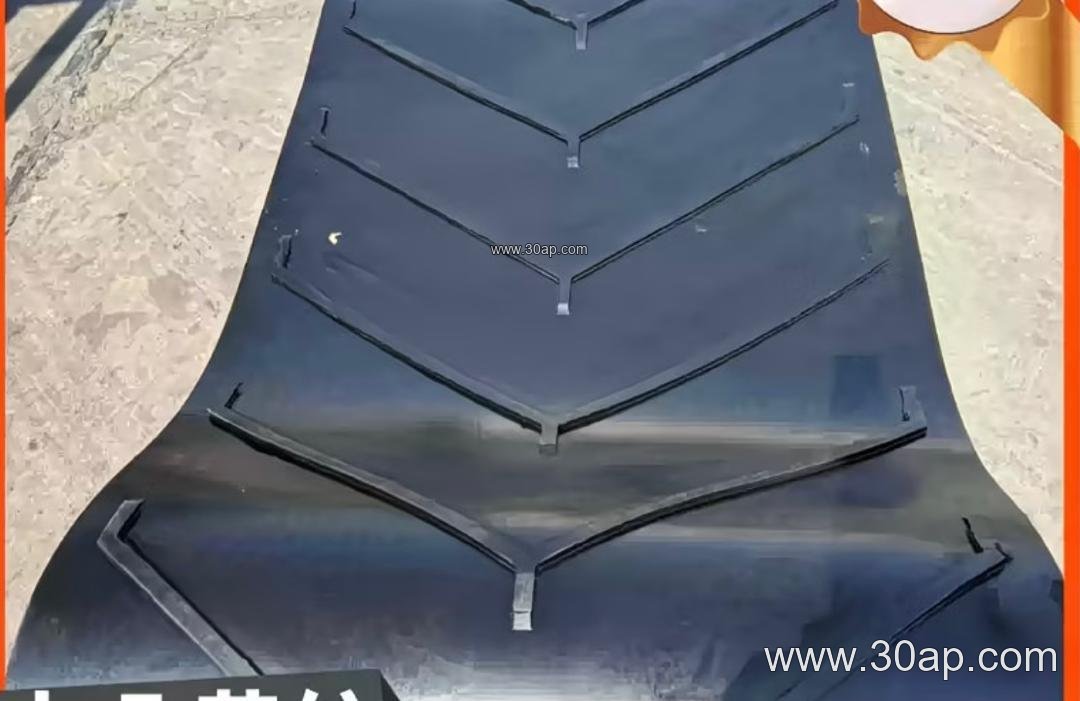
Iron ore handling appears in mines, pellet plants, steel works, cement plants that use iron-bearing additives, power plant fuel yards, and port terminals. A quarry conveyor belt or crusher conveyor belt may look similar, but the duty differs. Ore conveyor belt systems often combine a chevron conveyor belt on inclines to stop roll-back, a skirted conveyor belt at transfer points to contain spillage, or a corrugated sidewall conveyor belt where space is tight. Pipe conveyor belts enclose the load and suit routes through sensitive areas. An endless conveyor belt joint reduces splicing weak points on long runs.
Downstream, the same plant may handle copper ore conveyor belt duties or gold mining conveyor belt loads, so buyers sometimes standardize on one heavy-duty mining conveyor belt family across several lines. That can simplify spare parts, but the specification still needs to match each conveyor’s tension and impact conditions.
Selection Points for Buyers
- Confirm the maximum lump size and drop height; impact resistant covers and adequate carcass strength protect the belt at the chute.
- Check the ambient and material temperature to decide whether a heat resistant conveyor belt is needed.
- Match belt tension rating to the conveyor profile, including incline and length.
- Review pulley diameters with the belt manufacturer; belt width alone does not fix shaft size or pulley diameter.
- Consider oil resistant or chemical resistant covers if the ore is contaminated or treated.
- Ask for the recommended cover grade, ply count and splice method in writing.
Maintenance and Longevity
Keep idler rollers turning freely and align the conveyor pulley and frame so the belt tracks centrally. Worn idlers and misaligned bend pulleys cause edge damage and shorten cover life. Clean spillage at transfer points, inspect splices regularly, and store spare belt in a dry, shaded place. For cold climates, a cold resistant conveyor belt grade avoids cracking during winter starts. A modest maintenance routine usually extends service life more than upgrading a single component.
For more on belt, idler roller, pulley and bracket matching, visit conveyorbeltingpro.com and review the iron ore conveyor belt options before finalizing a specification.