What a Cement Conveyor Idler Does
A cement conveyor idler is the rotating support that carries the conveyor belt and the material load along the length of a bulk handling conveyor. In cement plants, quarries, and aggregate yards, these idlers are exposed to fine abrasive dust, heavy lumps, and occasional heat, so the choice of roller type, diameter, and bearing seal matters more than in clean material handling. The idler roller works together with the conveyor pulley, conveyor bracket, and belt to keep the line running straight and efficient.
Common Idler Types and Where They Sit
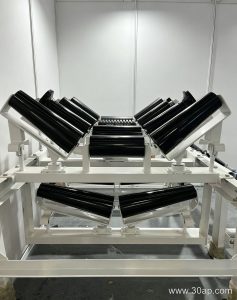
On the carrying side, three-roll troughing sets are the standard arrangement for bulk materials. A single-roll flat idler may appear on the return strand or in special transition zones. V-return idlers help center the belt on the return run, while impact idlers with rubber rings absorb the drop energy at transfer points. Self-aligning idlers, including friction and taper types, correct minor belt drift. Spiral idlers are sometimes used where sticky material tends to build up on the roller surface. The table below shows typical reference values, not fixed supply promises.
| Idler Type | Common Roll Diameter | Typical Belt Width Range | Common Bearing |
|---|---|---|---|
| Troughing idler (3-roll) | Ø89, Ø102, Ø108, Ø127, Ø133 | B500 to B1800 | 6204, 6205, 6305, 6306 |
| Impact idler (rubber ring) | Ø108, Ø127, Ø133, Ø159 | B650 to B2000 | 6305, 6306, 6308 |
| V-return idler | Ø89, Ø102, Ø108, Ø127 | B500 to B1400 | 6204, 6205, 6305 |
| Self-aligning idler | Ø89, Ø108, Ø133, Ø159 | B650 to B1800 | 6205, 6305, 6308 |
Roll length changes with belt width, trough angle, and the number of rolls in the set. For a three-roll troughing set, a B800 belt often uses a roll length around 315 mm, while a B1200 belt may use about 465 mm. These are examples only; side rolls and center rolls can differ, and the final length is set by the conveyor design.
Matching the Idler to the Belt and the Duty
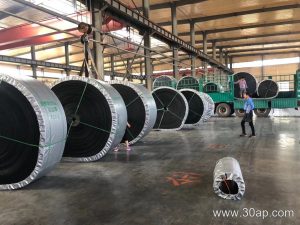
The belt itself guides the idler choice. A heavy-duty mining conveyor belt or a high abrasion resistant conveyor belt on a quarry conveyor line will need robust roller shells and good bearing protection. Where coal or cement dust is present, a flame retardant conveyor belt may be used, and the idler seals should resist fine particles. Heat resistant conveyor belts near clinker coolers call for idlers that can tolerate warm surroundings without lubricant breakdown. The trough angle, usually 20, 30, 35, or 45 degrees, affects how the material sits in the belt and how much load each roller carries. A 35-degree trough is common for cement and aggregate lines, but the angle should follow the belt and material characteristics.
Bearing Seals and Roller Surface Choices
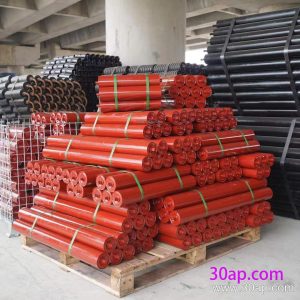
Most cement conveyor idlers use steel tube shells. Rubber rings are added for impact absorption, nylon or ceramic covers may be chosen for sticky or abrasive service, and the bearing housing seal is the key to long life. A good labyrinth seal keeps cement dust out of the bearing, while a simple contact seal may fail early in fine powder. Bearings such as 6205 or 6305 are common in medium-duty rollers, but the bearing size should be confirmed with the roller diameter and load rating. Do not assume one shaft diameter fits all belt widths; the shaft is determined by the idler frame and load calculation.
Installation and Maintenance Notes for Buyers
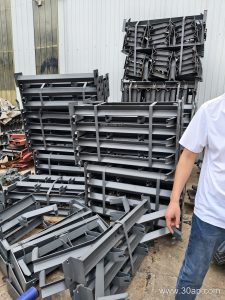
Check that the idler frame matches the conveyor bracket and that the roller turns freely before installation. Misalignment is a common cause of belt edge wear, so use a string line or laser to set the first few idlers straight. Keep the return strand clean; buildup on a flat return idler can train the belt off course. Replace damaged rollers promptly, because a seized idler can wear through a conveyor belt in a short time. Spare parts should be ordered by roller diameter, roll length, bearing type, and seal design, not by belt width alone. A practical spare policy covers the most heavily loaded troughing positions and the impact zone first.
For cement plant and quarry operators, the cement conveyor idler is a small component with a large effect on uptime. Selecting the right roller type, diameter, and seal for the site conditions keeps the belt centered, reduces power draw, and extends the life of the full conveyor system.