What Is a V-Type Idler Bracket?
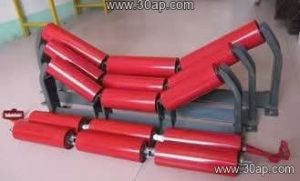
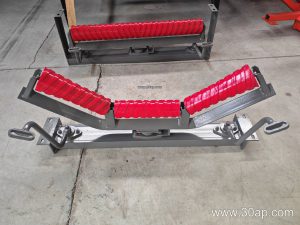
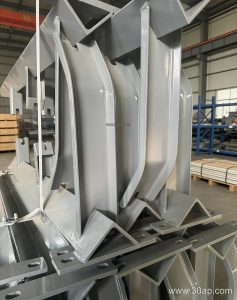
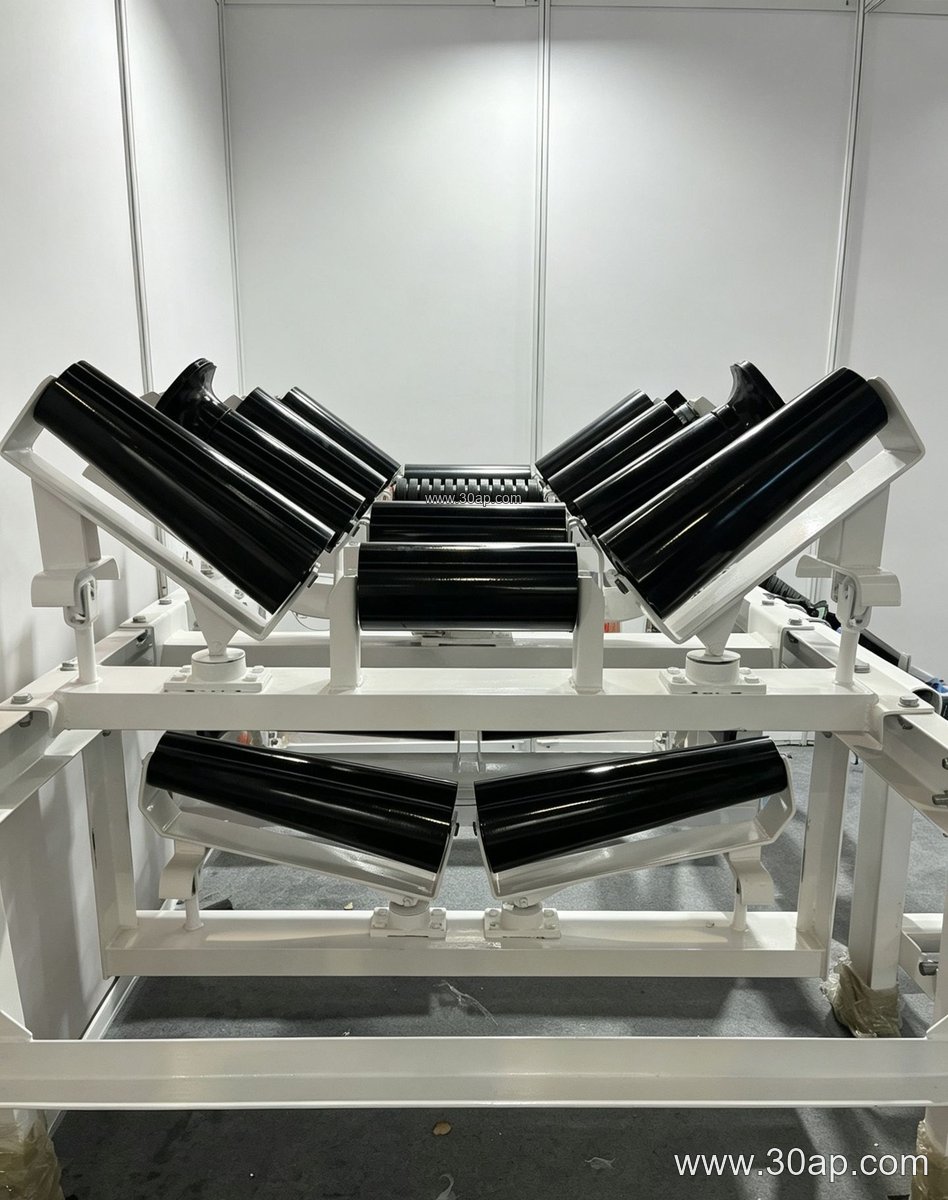
A V-Type Idler Bracket is a support component used on the return side of a belt conveyor. It holds two idler rollers at an angle to form a V shape, which cradles the conveyor belt and helps keep it centered. This bracket is also called a V-return idler bracket or V-shaped idler support. It is not a drive pulley, tail pulley, or bend pulley; those are separate components with different functions. The V-Type Idler Bracket is part of the conveyor bracket family and works together with idler rollers and the conveyor belt to maintain proper belt tracking.
Construction and Materials
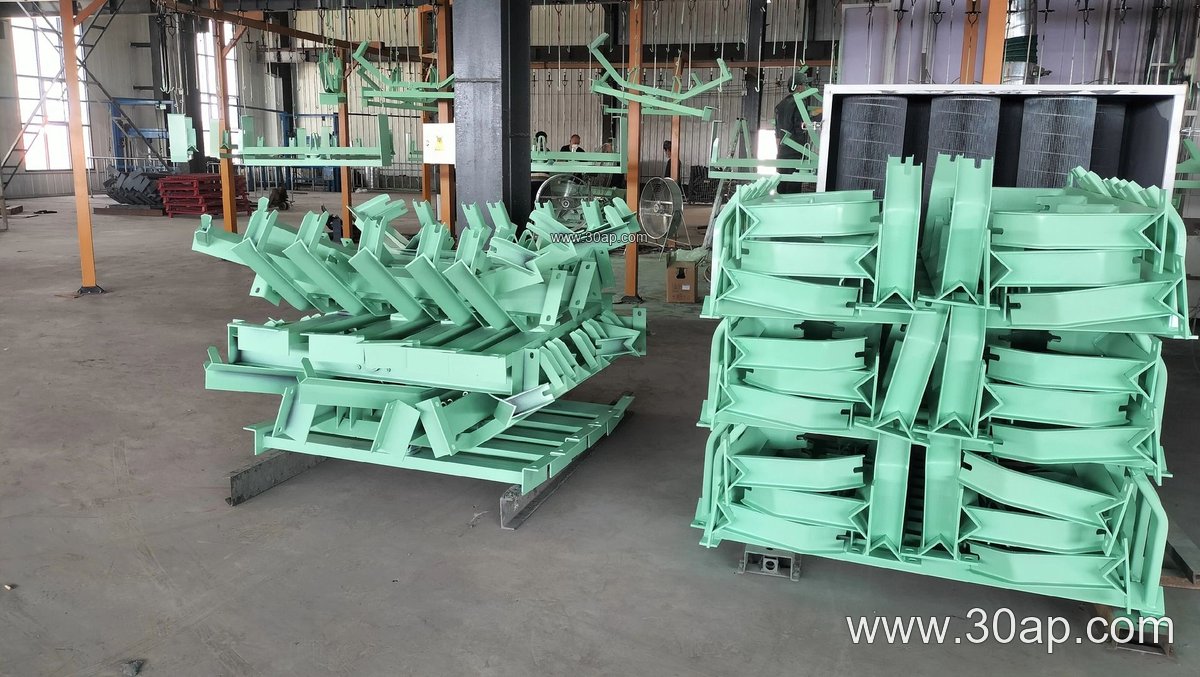
Most V-Type Idler Brackets are fabricated from angle steel, channel steel, or bent steel plate. The frame is designed to mount two idler rollers at a fixed or adjustable angle, typically between 10 and 20 degrees from horizontal, though the exact angle depends on the conveyor design. The bracket includes mounting holes that match the conveyor stringer spacing. Common roller diameters used with these brackets include Ø89, Ø108, Ø133, and Ø159 mm. The bracket must be strong enough to support the weight of the return belt and any material carryback, especially in heavy-duty applications such as mining conveyor belts or quarry conveyor belts.
Where It Is Used
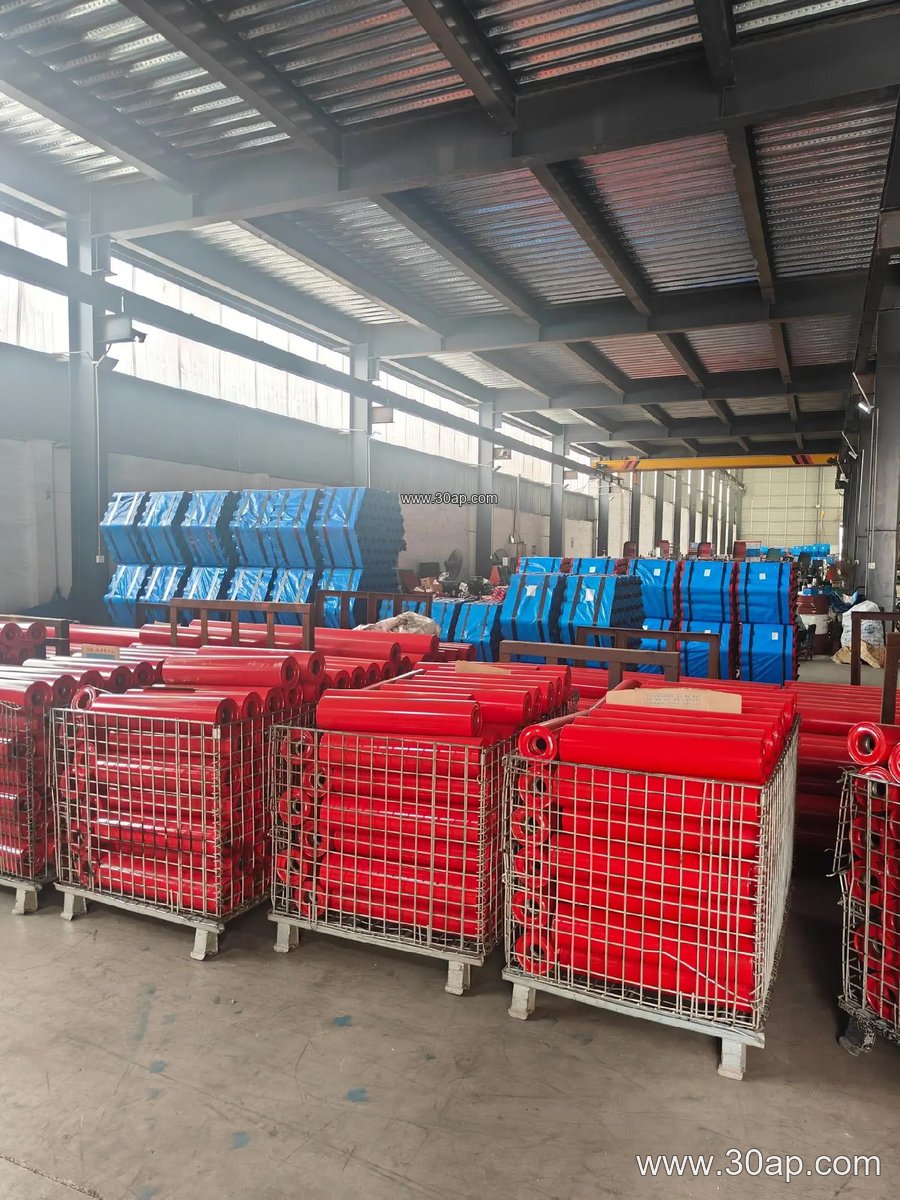
V-Type Idler Brackets are common in bulk material handling systems across industries. In a coal mining conveyor belt system, they help keep the return belt aligned and reduce spillage. In a cement plant, they support the belt on the return run after the material has been discharged. Aggregate conveyor belts in sand and gravel operations also use these brackets to maintain belt tracking. The bracket is especially useful where belt misalignment is a frequent issue, as the V shape naturally encourages the belt to center itself. Other conveyor components such as the conveyor pulley, idler roller, and conveyor bracket work alongside the V-Type Idler Bracket to ensure smooth operation.
Key Selection Factors
When choosing a V-Type Idler Bracket, buyers should consider the belt width, roller diameter, and mounting dimensions. Common belt widths include B500, B650, B800, B1000, B1200, B1400, and B1600. The bracket must match the conveyor stringer spacing and the roller shaft size. The table below shows typical combinations, but these are reference examples only and should not be treated as fixed rules.
| Belt Width (mm) | Typical Roller Diameter (mm) | Common V-Angle |
|---|---|---|
| B500 | Ø89 | 10°–15° |
| B650 | Ø89 | 10°–15° |
| B800 | Ø108 | 15°–20° |
| B1000 | Ø108 | 15°–20° |
| B1200 | Ø133 | 15°–20° |
| B1400 | Ø133 | 15°–20° |
| B1600 | Ø159 | 20° |
Other factors include the material of the bracket (painted steel or galvanized), the type of mounting (bolted or welded), and whether adjustability is needed. Adjustable V-Type Idler Brackets allow the angle to be changed to fine-tune belt tracking. Fixed brackets are simpler and often more economical for standard applications.
Installation and Maintenance Tips
Proper installation of the V-Type Idler Bracket is essential for effective belt training. The bracket should be aligned squarely with the conveyor centerline and mounted securely to the stringers. Check that the idler rollers rotate freely and are properly seated in the bracket. Regular inspection should include checking for worn rollers, loose bolts, and bent brackets. In harsh environments such as iron ore conveyor belts or power plant conveyor belts, more frequent checks are recommended. Replacing a damaged bracket early prevents belt misalignment, edge damage, and material spillage. Always use the correct roller diameter and bracket angle as specified by the conveyor designer.
Buying Considerations
Buyers should request brackets that match their conveyor belt width and roller diameter. For example, an EP conveyor belt or steel cord conveyor belt may require a specific bracket strength. Provide the belt width, roller diameter, mounting hole spacing, and required V-angle to the supplier. If the conveyor uses a pipe conveyor belt or corrugated sidewall conveyor belt, special brackets may be needed. The V-Type Idler Bracket is a relatively low-cost component but plays a critical role in conveyor reliability. Choosing the right bracket for the application helps reduce downtime and extend the life of the conveyor belt and idler rollers.